
Running diagnostics on your LG dryer is one of the most effective ways to identify hidden issues before they turn into costly breakdowns. Modern LG dryers come equipped with built-in diagnostic systems that allow you to access detailed error codes and run internal component tests without needing a technician. Whether your dryer is taking longer to dry clothes, making unusual noises, or refusing to start altogether, initiating a diagnostic scan can save you time and money.
This comprehensive guide walks you through every step of accessing and interpreting LG dryer diagnostics, explains how to respond to common findings, and provides practical tips to keep your appliance running efficiently. We’ll also cover safety precautions, the difference between error codes and diagnostic tests, and when it's best to call in a professional. For more on this, see our guide on top 7 hair dryer under 50.
Image source: www.lg.com
Understanding Your LG Dryer’s Diagnostic Capabilities
Most LG dryers produced in the last decade feature a self-diagnostic mode accessible through specific button combinations. This mode allows the dryer’s onboard computer to perform a series of system checks, including tests for heating elements, timers, sensors, and safety mechanisms. Depending on your model—whether it's a traditional electric or gas dryer, or one with Wi-Fi connectivity—you may have additional options via the LG ThinQ app or Smart Diagnosis feature.
There are two main ways to gather information from your LG dryer:
- Error Codes: These appear automatically on the display when the dryer detects a malfunction during operation.
- Manual Diagnostic Mode: You initiate a full test cycle manually to check all functions regardless of current performance.
Both approaches give you valuable insight into your appliance’s condition. Error codes are reactive—they tell you something went wrong. Manual diagnostics are proactive—they help confirm everything is working properly, even if no obvious symptoms exist yet.
In practice, users often confuse error codes with diagnostics. Remember: seeing an error code means a problem occurred during use; entering diagnostic mode helps uncover issues before they cause failures.
Identifying When Diagnostics Are Needed
Before jumping into running a diagnostic test, recognize the warning signs that indicate it’s time to investigate further. Ignoring these signals can lead to permanent damage or safety risks:
- ⏱️ Extended drying cycles: If loads take significantly longer than usual, airflow restrictions or sensor faults may be present.
- 🔇 Unusual sounds: Grinding, squealing, or thumping noises point toward mechanical wear or motor strain.
- ❄️ Poor heat output: Cool or lukewarm exhaust indicates possible heating element failure or blocked ventilation.
- 🧯 Odor or smoke: Any burning smell strongly suggests electrical faults or lint buildup requiring immediate attention.
- 🚫 Failure to start: If pressing "Start" results in nothing happening or only a brief flash on the screen, a door latch or internal relay issue could be involved.
If your LG dryer exhibits any of these behaviors, especially repeatedly, initiating a diagnostic scan should be priority number one. It won’t just validate suspicions—it can guide corrective actions directly.
Preparing for Safe Diagnostic Access
Before attempting to enter diagnostic mode, prepare your workspace and protect yourself from potential hazards. Taking proper precautions ensures both personal safety and accurate readings from your diagnostics session.
Tools Required
While most LG diagnostics rely purely on button sequences, having the following tools nearby simplifies interpretation and follow-up repairs:
| Tool | Purpose |
|---|---|
| Owner's Manual | Reference exact diagnostic steps for your model |
| Smartphone with LG ThinQ App | Connect remotely for real-time alerts and status updates |
| Flashlight | Inspect vents and dampers clearly |
| Notebook & Pen | Log error codes and observed behaviors |
| Multimeter (Optional) | Test circuits and components post-diagnostic |
Always double-check your owner’s manual since button layouts vary slightly across LG dryer generations—for example, newer touchscreen models differ from older push-button interfaces.
Essential Safety Steps
Never begin diagnostics while power remains connected unless specifically instructed otherwise. Always adhere to these fundamental rules:
- Unplug the dryer or switch off the circuit breaker supplying electricity.
- Allow the drum to stop spinning completely before opening the door.
- Remove bedding or clothing items stuck inside the drum prior to handling controls.
- Wear protective gloves to avoid cuts from sharp metal edges inside compartments.
- Keep liquids away from control panels to prevent accidental short circuits.
With your environment prepped and safety confirmed, proceed confidently to accessing diagnostic mode.
Entering LG Dryer Diagnostic Mode – Step-by-Step Instructions
Initiating diagnostic mode requires precise timing and correct button combinations depending on your specific LG dryer model type. Below is a universally applicable method used by most LG electric and gas dryer models manufactured after 2018.
Standard Diagnostic Entry Procedure
Follow these exact steps carefully:
Ensure the dryer is fully powered off (no active cycles).
Close the dryer door securely.
Simultaneously press and hold:
"More Time"+"Less Time"buttons (on rotary dial models) OR"Temp"+"Signal"buttons (touchscreen or digital display models)
While continuing to hold those buttons, press the
"Power"button once.Observe the display closely—it will show a message like
“DE”,“DIAG”, or blink rapidly indicating entry into diagnostic mode.Once in diagnostic mode, release all held buttons.
Navigate through menus using the same navigation buttons (
More Time/Less Time) to view different system statuses.
🔍 Tip: Some newer LG dryers support entering Installation Test Mode by holding
“Temp”and“Signal”together, then powering on the unit. This activates hardware-level diagnostics useful for installers verifying proper setup.
After completing navigation, simply press the "Power" button again to exit diagnostic mode.
Reading & Interpreting Error Codes
When your LG dryer encounters malfunctions, it stores diagnostic trouble codes internally which appear on the digital display. Knowing how to read these codes transforms random blinks into actionable intelligence.
Decoding Common LG Dryer Error Codes
Use the table below as a quick reference guide for identifying frequent fault types reported by LG dryers:
| Code | Description | Action Required |
|---|---|---|
| D80 | 80% Air Flow Restriction Detected | Clean lint screen/filter; inspect vent hose for kinks |
| D90 | 90% Air Flow Restriction Detected | Replace filter/vents; check external ducting |
| TE / HE | Temperature Sensor Failure | Check thermistor wiring; replace if damaged |
| LE / ME | Motor Lockup Error | Examine motor Coupler/Belt Tension |
| DE / DCE | Door Communication Error | Verify door closure latch alignment |
| FE / PF | Power Supply Frequency Mismatch | Contact utility provider; inspect outlet voltage |
| CL / CF | Child Lock Activated | Press and hold lock icon until disabled |
Many of these codes stem from preventable causes related to airflow obstruction or loose electrical connections. Addressing underlying conditions eliminates recurrence and restores normal operation.
💡 Pro Tip: Use LG's official support site to cross-reference your specific model’s error list for precise definitions tailored to your appliance generation.
Responding to Diagnostic Findings – Do’s vs Don’ts
Once diagnostic data surfaces concerning results, act promptly based on severity and complexity levels outlined in your manual.
Immediate Actions You Can Take
✅ Clear visible obstructions around exhaust ports or behind appliances
✅ Wipe debris off control boards or touchscreens gently with dry cloth
✅ Reset child lock via designated button combination
✅ Unplug appliance briefly (30 seconds minimum) to reset memory buffers
Tasks Requiring Professional Assistance
❌ Replacing sealed components such as thermostats or motors
❌ Working inside main control panel without technical training
❌ Handling live electrical parts under warranty obligations
❌ Attempting repairs beyond scope described in user documentation
Remember: diagnostics serve primarily as investigative tools—not replacement for certified repair services where warranted.
Using LG Smart Features for Remote Diagnostics
Recent LG dryer models include Wi-Fi capability, enabling remote monitoring and diagnostics via smartphone apps.
Setting Up LG ThinQ App Integration
To leverage cloud-based diagnostics effectively:
- Download the LG ThinQ app compatible with iOS/Android devices.
- Register your LG dryer within the app interface using serial/model numbers located on rating plate.
- Enable push notifications for timely alerts summarizing operational health.
- Initiate remote diagnostics by selecting your device from list, tapping “Diagnosis,” and following prompts.
This feature proves particularly helpful when you're away from home yet receive unexpected notifications about ongoing issues.
Interpreting Feedback From Smart Systems
Cloud-connected diagnostics provide additional layers of analysis unavailable through local scanning alone. Real-time notifications highlight anomalies such as inconsistent temperatures, delayed cycles, or spontaneous shutdowns. Pair these insights alongside manual diagnostics for broader situational awareness.
For instance, observing repeated D90 warnings paired with high humidity alerts confirms inadequate venting—an easily corrected issue preventing premature component degradation.
Final Thoughts on Maintaining LG Dryer Health
Effective diagnostic practices extend far beyond immediate troubleshooting—they form part of a structured maintenance regimen promoting long-term reliability and peak efficiency.
By regularly initiating self-checks and reacting appropriately to flagged concerns, you reduce unexpected service calls, minimize energy waste, and preserve warranty coverage where applicable.
Keep track of recurring patterns—frequent resets, persistent error codes, or inconsistent performance metrics—all suggest deeper systemic issues demanding attention sooner rather than later.
Frequently Asked Questions About LG Dryer Diagnostics
How Do I Do a Diagnostic Test on an LG Dryer?
To run a diagnostic test:
- Power off the dryer.
- Hold down
"More Time"and"Less Time"buttons simultaneously. - Press the
"Power"button once. - Wait for the display to show “Di” or “DE,” confirming entry into diagnostic mode.
- Use navigation buttons to explore available menus.
- Exit by pressing
"Power"again.
Alternatively, for touchscreen models:
Hold "Temp" and "Signal" before powering on.
Can I Run Diagnostics Without Turning Off the Dryer?
No. Always ensure the dryer is completely powered down before initiating any diagnostic procedure to avoid interference with control logic and ensure accurate readings.
What Should I Do If My LG Dryer Won’t Enter Diagnostic Mode?
Try alternative button combinations listed in your manual. If unsuccessful, consider resetting the dryer by unplugging it for 10 minutes, then retry the standard sequence.
Is There a Way to Reset All Error Codes Automatically?
Yes—simply unplug the dryer for at least 5 minutes to clear temporary memory caches and stored faults. Reconnect and restart normally afterward.
Where Else Can I Find Detailed Model-Specific Guidance?
Visit LG Support for downloadable PDFs outlining diagnostic procedures unique to your washer-dryer configuration.
Keep Your LG Dryer Running Longevity Through Regular Checks
Understanding how to run diagnostics empowers homeowners to manage their LG dryers proactively instead of reactively. Armed with this knowledge, you’re prepared to decode mysterious error codes, troubleshoot independently, and make informed decisions regarding maintenance schedules.
Whether you choose to tackle minor adjustments yourself or seek expert intervention, diagnostics remain the cornerstone of responsible appliance ownership.
For more guidance on interpreting LG dryer behavior and optimizing performance, browse our blog for related topics covering everything from flow sensor calibration to energy-saving tips.
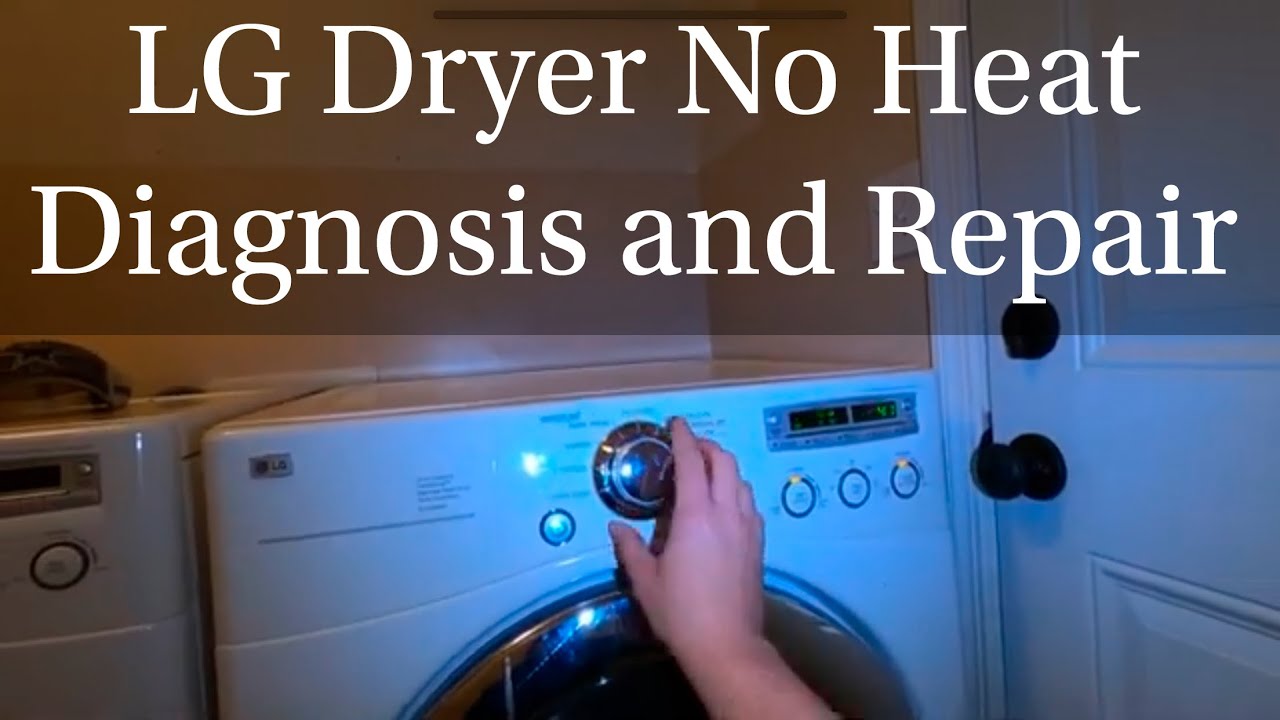
Image source: m.youtube.com We frequently publish updated resources covering topics like clearing persistent D80 codes on LG dryers and understanding why D90 codes appear despite clean vents, both of which tie directly into broader diagnostic workflows.
Additionally, reviewing guides on entering installation test modes manually or checking thermal event alerts helps deepen familiarity with lesser-known but critical system functions embedded within each LG dryer model line.
Should you encounter repeated failures post-resetting—or observe recurring combinations of codes like D80 with TE or LE—it indicates layered component wear possibly involving multiple subsystems simultaneously.
Such multi-code scenarios typically warrant consultation with factory-trained technicians who can perform advanced bench testing, verify control board integrity, and rule out firmware-related inconsistencies.
Meanwhile, continue documenting every observed pattern—even seemingly trivial fluctuations—as these logs prove invaluable during warranty discussions or insurance claims tied to premature appliance failure investigations.
Because remember—diagnostics aren’t just troubleshooting tools—they're preventive care measures safeguarding your investment against avoidable breakdowns.