
A musty odor emanating from your clothes dryer isn't just unpleasant—it’s often a red flag that moisture, mold, or trapped debris has built up inside the machine. When left unaddressed, it can spread odors to your laundry, reduce drying efficiency, and even pose fire or health risks. Whether the smell arises after a single cycle or develops over months, knowing how to diagnose and treat it quickly makes all the difference.
This guide walks through the most common causes of musty smells in dryers, practical cleanup methods using household items, and ongoing habits to keep things fresh. We’ll also cover when to call a professional and explore real-world scenarios—like forgotten damp loads or clogged vents—that turn a simple chore into a persistent problem. For more on this, see our guide on can you get a professional hair dryer under.
What Causes a Musty Smell in a Dryer?
Understanding the root cause is key before diving into solutions.
Moisture Trapped Inside
When wet clothes sit in the dryer for extended periods or when airflow is restricted, moisture gets trapped within the drum, lint filter housing, or exhaust system. In a warm, dark environment like a dryer, that moisture encourages mold, mildew, and bacteria growth—all of which release musty odors.
In practice, this often happens after someone forgets to transfer clothes from washer to dryer, or runs a small load with insufficient heat.
Lint and Hair Buildup
Pet hair, fabric fibers, and body oils accumulate in the lint filter, ductwork, and drum seals. Over time, these organic residues decompose and develop odors—especially when combined with humidity.
Exhaust Vent Blockages
A partially blocked or kinked vent hose limits airflow, allowing steam to linger inside the dryer longer than necessary. This creates a humid microclimate ripe for microbial growth.
Step-by-Step Guide to Removing Musty Odors
Before starting any cleaning routine, always disconnect power (unplug the dryer) and turn off gas if applicable.
1. Clean the Lint Filter Thoroughly
Tools Needed:
- Soft brush (old toothbrush works well)
- Warm soapy water
- Vacuum with crevice tool
Remove the lint filter and rinse it under running water. Scrub away residue with a soft brush and mild dish soap. Rinse thoroughly and let dry completely before reinserting.
A common mistake is only removing loose lint; sticky buildup from fabric softener can hide beneath the mesh screen.
Read this breakdown of LG dryer flow sense codes if your dryer shows error messages during diagnosis.
2. Wipe Down the Drum and Interior Surfaces
Use a microfiber cloth dampened with equal parts white vinegar and warm water. Avoid saturating electrical components or heating elements.
Focus especially on corners where moisture collects, such as around the door seal and back panel.
For stubborn stains or odors, sprinkle baking soda inside the drum overnight, then vacuum it up the next day.
3. Deep-Clean the Dryer Vent System
Disconnect the vent hose from both ends (dryer and wall outlet). Use a dryer vent cleaning kit or a long flexible brush to scrub out accumulated lint and debris.
Vacuum accessible sections and inspect for signs of mold or rodent nests—a surprisingly frequent culprit behind persistent mustiness.
If you're uncomfortable doing this yourself, hiring a certified dryer exhaust technician ensures safety and thoroughness.
Check our full checklist for LG dryer diagnostic trouble codes if you suspect internal sensor issues.
4. Run an Empty Cycle with Vinegar or Baking Soda
Place a towel lightly soaked in white vinegar inside the dryer. Run a 20-minute fluff cycle (no heat), allowing the acidic vapor to neutralize odor-causing microbes.
Alternatively, sprinkle ½ cup of baking soda across the drum and run another fluff cycle to absorb leftover smells.
Prevent Future Musty Smells
Routine maintenance helps prevent recurrence.
Clean After Every Use
Always wipe the drum dry post-cycle and clean the lint filter after each load. Don’t skip this step—even once!
Improve Airflow
Ensure your dryer is level and installed away from walls to allow proper circulation. Check that the outdoor vent flap opens freely and isn’t obstructed by snow, leaves, or nesting animals.
Address Damp Loads Immediately
Never leave wet clothing sitting in the dryer for hours. Transfer loads promptly from washer to dryer, and shake garments before placing them in to reduce tangling and trapped moisture.
Overloading reduces internal space and blocks airflow—an easy habit change that pays dividends in performance and odor control.
For users troubleshooting specific LG models, see our guide on clearing D90 error codes for airflow-related insights.
When Should You Call a Pro?
Professional intervention becomes necessary if:
| Situation | Why It Matters |
|---|---|
| Persistent odor despite regular cleaning | May indicate hidden mold behind panels or in insulation |
| Burn marks or scorching smell | Could signal failing heating element or wiring issues |
| Repeated D80/D90 alerts with clear vent | Internal sensors or blower motor may need inspection |
| Rodent droppings in vent duct | Health hazard requiring deep sanitization |
These situations demand specialized tools and knowledge. A licensed appliance repair technician can access hard-to-reach areas safely and determine underlying mechanical faults.
FAQ: Musty Smells in Dryers
Why does my new dryer smell musty?
New machines sometimes come coated in protective chemicals or transport films that trap odors. Run two empty cycles—one with vinegar, one without—to flush out residual scents.
Is it safe to use chemical cleaners inside the dryer?
No. Harsh chemicals like bleach or ammonia can corrode metal parts and leave toxic fumes. Stick to natural alternatives like vinegar and baking soda.
Can musty odors damage clothes?
Yes. Mold spores transferred onto fabrics can cause discoloration, texture changes, or trigger allergies. Always address smells before running full loads again.
How often should I professionally clean my dryer vent?
At least annually. Homes with pets or heavy usage benefit from bi-annual checks.
What’s the best way to store damp clothes until drying?
Avoid plastic bags. Opt for breathable containers or hangers to prevent condensation buildup.
Do high-efficiency dryers mold less easily?
They typically offer better air circulation and faster spin cycles, reducing moisture retention—but they’re still vulnerable if improperly maintained.
Conclusion
Eliminating musty smells from your dryer hinges on consistent upkeep, targeted cleaning, and prompt attention to warning signs like poor airflow or recurrent odors. By tackling the lint filter, drum interior, and vent system regularly—and adopting proactive behaviors like avoiding damp loads—you protect both your appliance and your laundry.
Should DIY efforts fall short, don’t hesitate to reach out to certified technicians who can uncover hidden sources of contamination or malfunction. With just a little effort, you'll restore freshness and extend your dryer’s life significantly.

Credit: www.wikihow.com
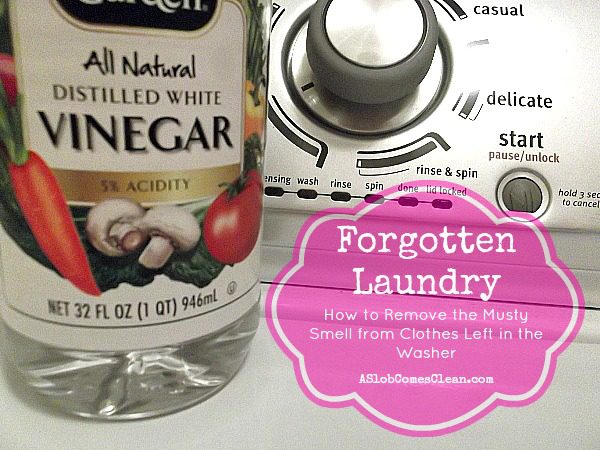
Credit: www.aslobcomesclean.com

Credit: www.abchomeandcommercial.com —
Credit: www.aslobcomesclean.com
Credit: www.abchomeandcommercial.com
Frequently Asked Questions
Why does my new dryer smell musty?
New machines sometimes come coated in protective chemicals or transport films that trap odors. Run two empty cycles—one with vinegar, one without—to flush out residual scents.
Is it safe to use chemical cleaners inside the dryer?
No. Harsh chemicals like bleach or ammonia can corrode metal parts and leave toxic fumes. Stick to natural alternatives like vinegar and baking soda.
Can musty odors damage clothes?
Yes. Mold spores transferred onto fabrics can cause discoloration, texture changes, or trigger allergies. Always address smells before running full loads again.
How often should I professionally clean my dryer vent?
At least annually. Homes with pets or heavy usage benefit from bi-annual checks.
What’s the best way to store damp clothes until drying?
Avoid plastic bags. Opt for breathable containers or hangers to prevent condensation buildup.
Do high-efficiency dryers mold less easily?
They typically offer better air circulation and faster spin cycles, reducing moisture retention—but they’re still vulnerable if improperly maintained.
Final Thoughts
Getting rid of a musty smell in your dryer involves tackling the root causes—moisture, lint, debris, and poor ventilation—and addressing each systematically. Regular cleaning routines and small behavioral changes go a long way in keeping your dryer odor-free and functioning efficiently.
For ongoing reliability, consider bookmarking expert resources like our page on LG dryer troubleshooting codes to help identify unusual error patterns early. And if your dryer continues to emit strange odors despite diligent cleaning, it may be worth consulting a professional technician to rule out deeper issues such as failing seals or internal mold growth.
With consistent care, your dryer can deliver fresh, clean laundry—and a fresh-smelling home—for years to come.