
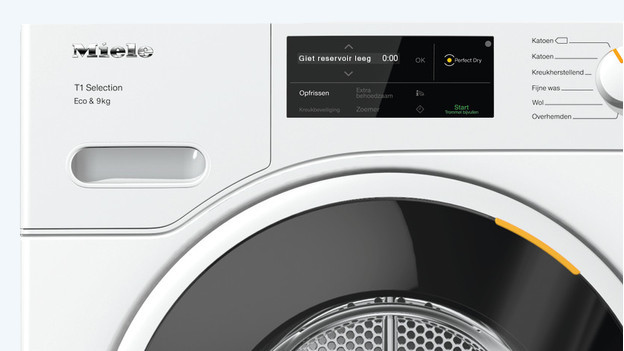
The Miele T1 heat-pump dryer is a high-performance appliance, but like any machine, it can develop faults over time.
The Miele T1 dryer is widely praised for its energy efficiency, whisper-quiet operation, and advanced sensor drying technology. However, when something goes wrong, understanding how to troubleshoot effectively can save you time, money, and unnecessary service calls.
This guide walks you through diagnosing and resolving the most common issues with your Miele T1 dryer — from no power or poor drying performance to error codes and unusual noises. We’ve structured it logically, starting with basic checks and moving into deeper diagnostics, so you can follow along step by step. We'll also cover when to call a professional and how to avoid recurring failures through routine upkeep. For more on this, see our guide on lg dryer troubleshooting codes.
How to Use This Troubleshooting Guide
Before diving into repairs, always follow these universal safety steps:
- Unplug the dryer from the wall socket or turn off the dedicated circuit breaker.
- Allow at least 10 minutes after power disconnection before opening panels or touching internal components.
- Always consult your Miele T1 user manual for model-specific details.
- Note the exact error code displayed — Miele uses alphanumeric codes (e.g.,
E12,F20) that pinpoint specific faults.
⚠️ Avoid forcing parts apart or attempting repairs beyond your skill level. Miele T1 models contain sensitive electronics and tightly integrated systems that respond best to professional servicing.
Dryer Won’t Start – No Power or Response
One of the most frustrating experiences is pressing “Start” only to hear silence. Here’s how to identify and fix the cause.
Check the Power Supply First
Many assume it's an internal failure, but loose plugs or tripped breakers account for nearly half of all "won't start" cases. For more on this, see our guide on top 7 hair dryer under 50.
| Step | Action |
|---|---|
| 1 | Ensure the plug is fully inserted into a grounded outlet. |
| 2 | Check the circuit breaker controlling the dryer; reset if necessary. |
| 3 | Test voltage at the outlet with a multimeter — should read ~240V in North America or 230V in Europe. |
| 4 | Look for burn marks or fraying on the power cord. Replace if damaged. |
✅ Tip: Miele T1 dryers require a stable electrical connection. Even minor fluctuations can prevent startup.
Inspect the Door Switch and Interlock System
If the door isn’t securely closed, the machine won’t activate. Miele includes both mechanical and electronic interlocks for safety.
To inspect the door switch:
- Close the door firmly.
- Press the small button near the door frame (interlock tab). Does it click?
- Use a multimeter set to continuity mode to check the switch terminals. No continuity = faulty switch.
🔧 Replacing the door switch typically costs around $80–$120 USD depending on region. It’s a straightforward DIY job for experienced users.
Look for Displayed Error Codes
Sometimes the display lights up briefly before shutting down — take note of any blinking LEDs or brief messages.
For example:
- CL – Control lock active
- dE – Door error
- PE – Programming or communication fault
These indicate logic-level issues rather than hardware failures. Try resetting the unit by unplugging it for 60 seconds. For more on this, see our guide on lg dryer d80 code but no blockage.
📌 Need help interpreting codes? See our detailed breakdown below.
Dryer Not Heating Up Properly
Heat generation is critical in any tumble dryer. If your clothes come out damp or cold, here's what to check.
Clean the Lint Filters Regularly
A blocked lint filter forces air to recirculate, reducing heat transfer efficiency. Miele T1 units have two filters: the main lint screen and a secondary microfiber filter.
Cleaning routine:
- Remove and tap out loose lint after each load.
- Wash monthly under warm water with mild detergent.
- Rinse and dry completely before reinstalling.
💡 Skipping this step causes overheating warnings and shortens motor lifespan.
Examine the Air Pathway Ventilation
Unlike traditional vented dryers, Miele T1 uses a closed-loop heat pump system. Blockages here directly impact performance. For more on this, see our guide on lg dryer d90 code but no blockage.
Check:
- Condensate tank (clean regularly)
- Internal air pathways (accessible via rear panel)
- Drain hose connections (if using external drainage)
Look for kinks, dust buildup, or debris blocking airflow.
Diagnose the Heating Element or Heat Pump Coils
Miele T1 dryers use PTC (positive temperature coefficient) heating elements and refrigerant-based heat pumps. Issues include:
| Component | Symptoms | Repair Cost Estimate |
|---|---|---|
| PTC Heater | Cold air output, prolonged cycles | $150–$300 |
| Refrigerant Leak | Weak heating, visible frost inside | $400+ |
| Thermal Fuse Blown | Sudden shutdown during cycle | $70–$150 |
⚠️ Only tackle refrigerant issues with certified technicians due to legal and safety concerns.
Dryer Takes Too Long to Dry Clothes
Extended cycle times usually point to airflow restriction or sensor problems.
Optimize Load Size and Fabric Mix
Overloading traps moisture and restricts tumbling action. For optimal results:
- Fill drum no more than 75% full
- Avoid mixing heavy cotton items with lightweight synthetics
🧺 Use Miele’s AutoPlus program for large loads requiring extra drying time.
Verify Ventilation and Drainage Functionality
Even though Miele T1 is condenser-based, improper condensate removal leads to slower drying.
Actions:
- Empty or connect the water container correctly
- Clear the drain pump filter housing located at the bottom front
- Run a self-cleaning cycle manually (instructions vary by model year)
Some newer models offer automatic draining kits — confirm compatibility before purchasing accessories.
Monitor the Humidity Sensor Accuracy
Miele’s CapDry sensors detect residual dampness levels automatically. Faulty readings = extended cycles.
Signs of sensor problems:
- Damp clothes remain wet despite long cycles
- Display shows inconsistent progress percentages
- Machine continues beyond selected dryness settings
Try recalibrating the sensors using the built-in diagnostic menu found in newer firmware versions.
🛠️ Sensor replacement ranges from $100–$200 depending on part availability.
Dryer Stops Mid-Cycle Unexpectedly
Premature halts often signal overheating protection triggers or component wear.
Check the Thermal Fuse and Thermostat Circuitry
These safety devices monitor internal temperatures and cut power when thresholds exceed safe limits.
Common culprits:
- Clogged filters forcing excessive heat retention
- Restricted airflow increasing ambient temps
- Age-related degradation in thermostat responsiveness
To test:
- Locate thermal cut-out switches along the blower housing and heater assembly.
- Disconnect wires and measure resistance — infinite resistance = open circuit (replace).
🔥 Always replace thermal fuses with OEM parts rated for the same temperature threshold.
Inspect Motor and Drum Rotation Mechanisms
If the drum struggles mid-cycle, bearings or belts may be wearing unevenly.
Indicators:
- Grinding or squealing sounds mid-cycle
- Drum feels stiff when rotated by hand
- Motor overheating causing intermittent stoppages
Professional intervention recommended unless you’re comfortable disassembling the drum mechanism.
Excessive Noise During Operation
Unusual sounds shouldn't be ignored — they often precede major failures.
Identify Source Through Visual Inspection
| Sound Type | Likely Cause |
|---|---|
| Banging or thudding | Loose drum or foreign objects trapped inside |
| Squeaking or chirping | Worn drum belt or pulley misalignment |
| Grinding or scraping | Foreign material caught between drum and housing |
| Whirring or humming | Motor bearings failing or obstruction |
👂 Listen carefully with the dryer paused mid-cycle (after pressing pause) to isolate the source.
Address Belt and Bearing Wear
Miele T1 drums rely on smooth rotation via tensioned belts and sealed bearings.
DIY steps:
- Turn off power and remove access panel.
- Visually inspect the rubber belt for cracks or glazing.
- Manually spin the drum — does it wobble?
Bearings should rotate smoothly without grittiness. Any roughness indicates imminent failure.
🧰 Belt replacements cost around $90–$130. Drum bearings often necessitate full drum replacement ($300–$500).
Understanding and Resetting Error Codes
Modern Miele T1 dryers store diagnostic trouble codes when anomalies occur.
Decoding Common Miele T1 Error Messages
| Code | Meaning | Recommended Fix |
|---|---|---|
| E10 | Temperature sensor fault | Check thermistor wiring |
| E11 | NTC thermistor error | Replace sensor if resistance deviates from spec |
| E12 | Moisture sensor malfunction | Clean or recalibrate |
| F09 | Flow sensor blockage | Clean condenser or check duct path |
| F11 | Fan motor overload | Reduce load size or clean airflow path |
| F12 | Condensate pump error | Empty tank or service pump |
| F20 | Control system fault | Update software/firmware |
| F21 | Communication error | Reseat control board connectors |
| H01 | Door open detected | Secure latching mechanism |
| H04 | Water intake blocked | Check hose routing/drain pump filter |
🖥️ Connect your dryer to the Miele@home app to view real-time diagnostics and receive alerts.
Performing a Manual Reset
Sometimes clearing temporary faults restores normal function.
Procedure:
- Unplug dryer or switch off circuit breaker.
- Wait 60 seconds.
- Reconnect power and restart normally.
If the same code reappears repeatedly, deeper inspection is required.
🔄 Automatic resets happen internally every few cycles. Persistent codes suggest hardware degradation.
Routine Maintenance Practices That Prevent Breakdowns
Regular servicing significantly extends Miele T1 longevity.
Weekly Tasks
✅ Wipe down control panel and door seal
✅ Remove visible lint from mesh screen
✅ Ensure condensate tank is emptied
Monthly Checks
✅ Deep-clean filters under running water
✅ Inspect door seal for tears or gaps
✅ Run an empty “fluff” cycle to clear residual fibers
Annual Deep Cleaning
✅ Fully dismantle and clean the condenser unit
✅ Vacuum interior drum cavity
✅ Lubricate moving parts sparingly with approved compounds
📆 Set calendar reminders for seasonal maintenance windows aligned with seasonal usage spikes.
When to Call a Licensed Technician Instead of DIY Repair
While many tasks are manageable at home, certain conditions warrant expert attention.
Call Immediately for:
🔴 Electrical shocks or burning odors
🔴 Refrigerant leaks or frozen coils
🔴 Circuit breaker trips repeatedly upon startup
🔴 Damaged control boards requiring reprogramming
🔴 Warranty-covered defects under active coverage period
🧑🔧 Certified Miele service centers provide genuine parts backed by limited warranties.
Use Miele's official locator tool to find nearby authorized providers.
Why Avoid Third-party Parts?
Generic replacements lack precision engineering matching original tolerances. Using subpar alternatives risks voiding warranties and accelerating secondary failures.
Stick to OEM-certified components, especially for:
- Heating elements
- Control modules
- Sensor assemblies
Final Thoughts: Keep Your Miele T1 Running Smoothly
With thoughtful maintenance and timely troubleshooting, your Miele T1 dryer can perform reliably for over a decade. Whether dealing with slow drying times, odd noises, or cryptic error codes, applying methodical diagnostic techniques empowers you to resolve many issues independently.
Remember:
- Start with simple checks like power supply and cleanliness.
- Never force moving mechanisms.
- Document symptoms and error codes for faster technician communication.
- Prioritize OEM parts and certified service providers.
By following this comprehensive guide, you’ll minimize downtime and maximize investment value in your premium laundry setup.
Frequently Asked Questions
### Why does my Miele T1 dryer show a CL code?
The CL code indicates the control lock feature is enabled. Disable it by holding the Start button for 5 seconds or consulting your manual for model-specific instructions.
### Can I reset a stuck program on a Miele T1 dryer?
Yes — unplug the dryer for at least one minute, then plug it back in and press Cancel or Stop buttons simultaneously to interrupt the current cycle.
### What causes steam inside the dryer drum?
Excess humidity escaping from wet laundry or condensation buildup in the heat exchanger. Run a standalone fluff cycle or clean the drain filter to restore airflow.
### Is it normal for the dryer to feel warm outside?
Some surface warmth is expected during operation, particularly around the door and sides. However, excessive heat suggests restricted airflow or a failing motor requiring inspection.
### Should I clean the condenser weekly?
Weekly wiping prevents lint accumulation, but thorough cleaning should happen monthly or bi-weekly depending on usage frequency.
### Does updating Miele T1 firmware improve performance?
Firmware updates refine algorithms governing drying logic and sensor calibration. Updating ensures peak efficiency and compatibility with evolving energy standards.

Proper diagnosis starts with recognizing early warning signs like error codes and abnormal behavior patterns.
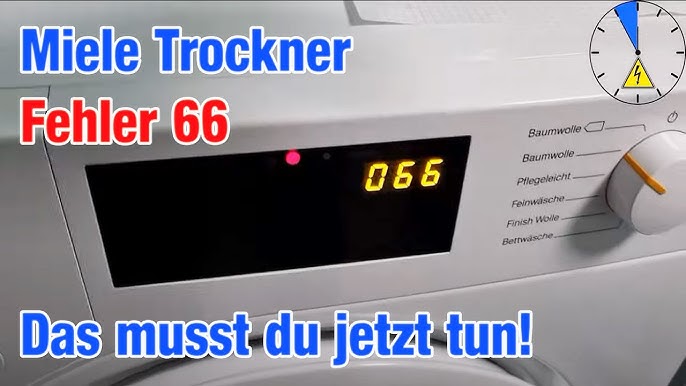
For complex electronic or refrigeration-related faults, contact an authorized Miele technician to preserve warranty integrity.
Internal Resources for Further Guidance
If you're troubleshooting other Miele or LG dryer error codes, our related guides cover similar diagnostic approaches:
- For LG-specific error interpretations, review our breakdowns of LG D80 flow sense errors and LG CL code explanations.
- Curious about recurring issues across brands? Browse our full catalog of laundry appliance troubleshooting articles.
Additionally, many Miele T1 quirks mirror those found in LG front-load dryers, so techniques described in clearing LG D90 airflow faults translate well to heat pump systems generally.
📘 Bookmark trusted manufacturer portals like Miele's official support hub for downloadable manuals, firmware updates, and live chat assistance.
Whether you're managing routine maintenance or confronting unexpected shutdowns, proactive care keeps your investment performing optimally throughout its lifespan. Stay vigilant, stay safe—and don’t hesitate to seek help when needed.