
HVAC foil tape can degrade over time due to environmental factors and wear. Proper application and conditions can extend its lifespan.
HVAC foil tape is essential for sealing and insulating ducts in heating, ventilation, and air conditioning systems. It provides a durable and reliable seal to prevent air leaks and enhance system efficiency. The tape’s lifespan depends on factors like temperature, humidity, and exposure to elements.
High-quality foil tape can last for years, but poor conditions can accelerate degradation. Regular inspection and maintenance ensure the tape performs effectively. Using quality materials and proper installation techniques can help maintain system integrity. Understanding these factors helps in making informed decisions about HVAC tape usage.
Credit: www.ebay.com
Introduction To Hvac Foil Tape
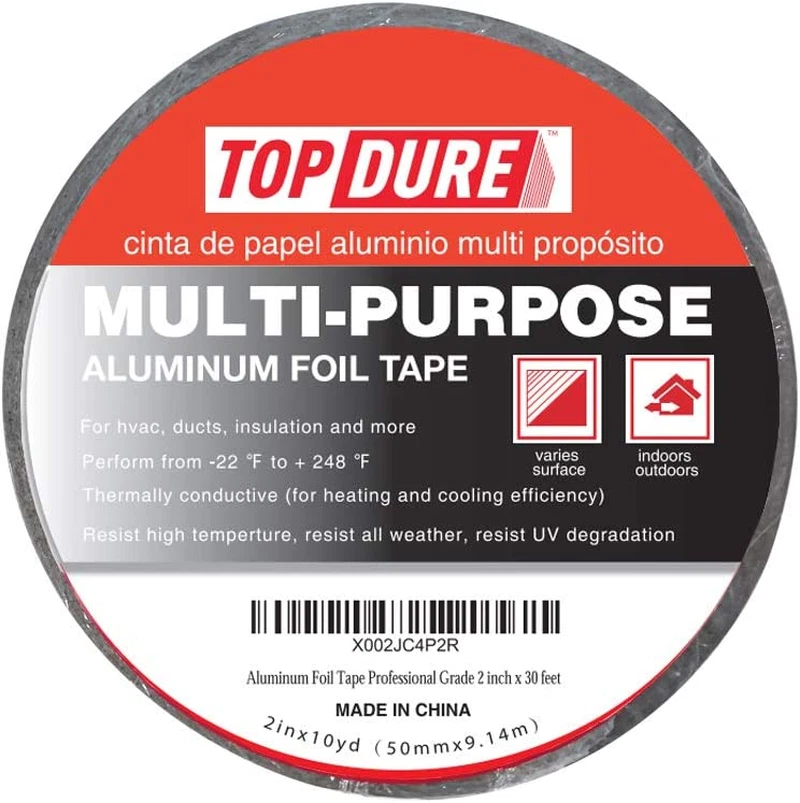
HVAC foil tape is a strong adhesive tape. It is used in heating, ventilation, and air conditioning systems. This tape helps seal and insulate HVAC components. It ensures the system works efficiently.
Purpose And Uses
HVAC foil tape has many important uses. It is used to seal ductwork. This prevents air leaks. It helps improve energy efficiency. It also reduces energy bills. The tape can be used on metal and plastic surfaces. It withstands high temperatures. It is often used in construction and home projects. HVAC foil tape is essential for proper HVAC maintenance.
Key Features
HVAC foil tape has several key features. These features make it effective and reliable.
- Durability: HVAC foil tape is very strong. It lasts a long time.
- Temperature Resistance: This tape works well in high and low temperatures.
- Adhesive Strength: The tape sticks well to different surfaces. It stays in place.
- Moisture Resistance: HVAC foil tape resists moisture. This helps prevent mold and mildew.
Materials And Composition
Understanding the materials and composition of HVAC foil tape helps in evaluating its durability. HVAC foil tape is designed to withstand various environmental factors. Let’s dive into its key components.
Aluminum Foil
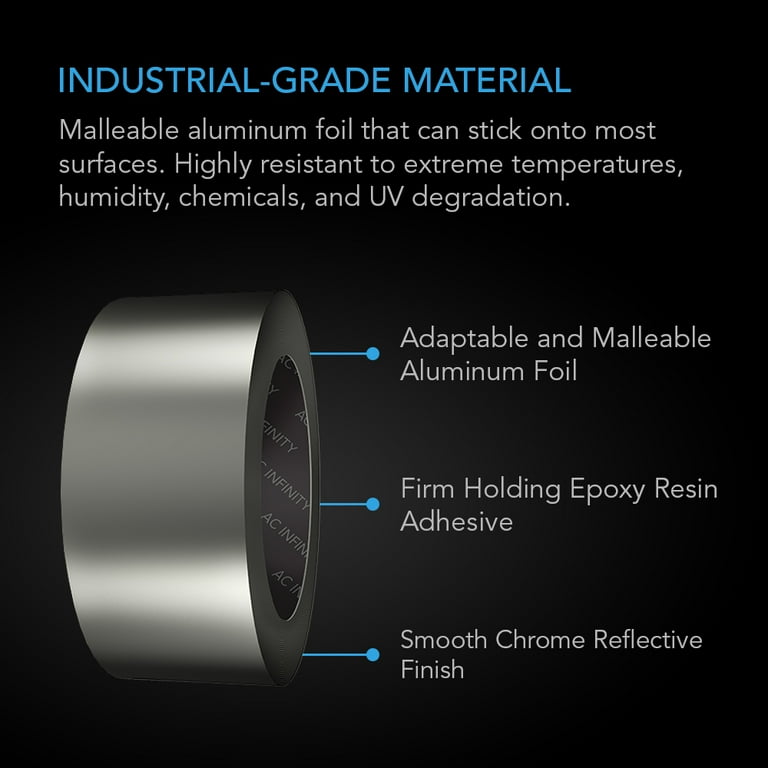
The primary material in HVAC foil tape is aluminum foil. Aluminum foil is known for its durability and resistance to moisture. It is also highly reflective, which helps in heat insulation.
- Corrosion Resistance: Aluminum foil does not corrode easily.
- Temperature Tolerance: It can withstand both high and low temperatures.
- Lightweight: Despite being durable, it is very light.
These properties make aluminum foil an ideal choice for HVAC applications.
Adhesive Properties
The adhesive in HVAC foil tape is crucial for its performance. It ensures the tape sticks to surfaces firmly.
| Adhesive Type | Properties |
|---|---|
| Acrylic Adhesive | Resistant to aging, offers strong bonding. |
| Rubber Adhesive | Provides flexibility and quick bonding. |
Most HVAC foil tapes use acrylic adhesive. Acrylic adhesive is known for its long-lasting bond and resistance to extreme conditions.
Some tapes use rubber adhesive. Rubber adhesive offers quick bonding but may degrade faster than acrylic.
The choice of adhesive affects the tape’s overall longevity and performance.
Factors Affecting Degradation
HVAC foil tape is essential in many systems. It provides sealing and insulation. But, it can degrade over time. Understanding the factors affecting its degradation can help in maintaining its efficiency.
Environmental Conditions
Environmental conditions play a significant role. Exposure to extreme temperatures can cause the tape to weaken. High humidity levels can also affect the adhesive properties. Direct sunlight can lead to UV degradation. This can cause the tape to become brittle.
Chemical Exposure
Chemical exposure is another critical factor. Contact with certain chemicals can degrade the tape. Solvents and cleaning agents can weaken the adhesive. Acidic and alkaline substances can also cause damage. It is essential to avoid exposure to these chemicals.
Credit: www.walmart.com
Temperature Resistance
When choosing HVAC foil tape, temperature resistance is key. HVAC systems face extreme temperatures, so the tape used must endure these conditions. Two main factors influence tape durability: high-temperature performance and low-temperature effects. Let’s explore these aspects.
High-temperature Performance
HVAC systems often operate in hot environments. The foil tape must withstand these high temperatures. Quality HVAC foil tape can handle temperatures up to 300°F. This ensures the tape won’t melt or degrade. It’s crucial for maintaining a sealed system.
High-temperature resistance keeps the HVAC system efficient. The tape’s adhesive must stay strong. It should not soften or lose grip. This prevents air leaks and energy loss. Consistent high performance at extreme temperatures is essential.
Low-temperature Effects
In cold climates, HVAC systems face freezing conditions. Low temperatures can affect the foil tape. It’s important that the tape remains flexible and sticky. Good HVAC foil tape works well even at -40°F. This ensures it won’t crack or peel.
Low-temperature resistance is vital for a reliable HVAC system. The adhesive must stay firm. It should not become brittle or lose adhesion. This prevents system failures and ensures smooth operation. Quality foil tape performs well in both hot and cold environments.
Moisture And Humidity Impact
Understanding how moisture and humidity affect HVAC foil tape is crucial. These elements can degrade the tape, reducing its effectiveness. Let’s explore how water resistance and humidity levels play a role.
Water Resistance
HVAC foil tape is designed to resist water. This resistance helps maintain its adhesive properties. If water penetrates, the tape may peel off. Always check the water resistance rating before purchase.
| Property | Impact on Tape |
|---|---|
| Water Resistance | Prevents peeling and maintains adhesion |
| Lack of Water Resistance | Leads to tape degradation |
Humidity Levels
High humidity can affect the tape’s performance. The adhesive may weaken over time. This reduces the tape’s lifespan. Use in dry conditions for best results.
- Low Humidity: Better adhesion, longer life
- High Humidity: Weaker adhesion, shorter life
Maintaining optimal humidity levels helps extend the tape’s effectiveness. Keep the tape in a cool, dry place for storage. This ensures it remains in good condition when needed.
Longevity And Durability
HVAC foil tape is a reliable choice for sealing and insulating. But how long does it last? Let’s dive into the longevity and durability of HVAC foil tape.
Expected Lifespan
HVAC foil tape can last many years. Its lifespan depends on usage and environment. Typically, it remains effective for 10-20 years. High-quality foil tape lasts longer. It resists wear and tear from temperature changes. Proper application also extends its life.
Maintenance Tips
Maintaining HVAC foil tape ensures its longevity. Follow these tips for best results:
- Inspect the tape regularly.
- Check for any signs of wear or damage.
- Replace tape showing cracks or peeling.
- Clean the surface before applying new tape.
Using these tips, you can prolong the tape’s lifespan. Keep your HVAC system working efficiently.
Comparing To Other Tapes
When deciding on tape, many options exist. HVAC foil tape, duct tape, and masking tape each have unique qualities. Understanding these differences helps you make the best choice.
Duct Tape
Duct tape is well-known for its strength and versatility. It has a cloth backing and a strong adhesive. It sticks well to many surfaces.
- Strength: Duct tape is very strong. It can hold heavy items.
- Adhesion: It sticks to metal, wood, and plastic.
- Temperature Resistance: It does not handle high heat well. It can melt or lose stickiness in hot conditions.
- Longevity: Over time, duct tape can degrade. It may leave a sticky residue.
Masking Tape
Masking tape is often used for painting. It is easy to tear and remove.
- Strength: Masking tape is not very strong. It is best for light tasks.
- Adhesion: It sticks to paper, walls, and other smooth surfaces.
- Temperature Resistance: Masking tape does not handle heat well. It can lose adhesion in hot conditions.
- Longevity: Masking tape is temporary. It is not meant for long-term use.
| Feature | HVAC Foil Tape | Duct Tape | Masking Tape |
|---|---|---|---|
| Strength | High | High | Low |
| Adhesion | Excellent | Good | Moderate |
| Temperature Resistance | High | Low | Low |
| Longevity | Long-term | Medium-term | Short-term |

Credit: www.amazon.com
Conclusion
HVAC foil tape plays a crucial role in system efficiency. It is essential to monitor and replace it as needed. Regular maintenance ensures longevity and performance. Choose high-quality tape to prevent degradation. Proper care leads to a well-functioning HVAC system.
Stay proactive with your HVAC maintenance for optimal results.