
Winter is on its way, and you’re probably wondering if your beautiful wicker furniture can brave the cold. You love how it enhances your outdoor space, but the thought of snow, ice, and freezing temperatures might have you second-guessing its resilience.
You’re not alone in this dilemma, and that’s why you’ve landed here. Imagine having peace of mind, knowing your cherished wicker pieces are safe and sound, no matter the weather. This article will unveil the secrets to keeping your wicker furniture in top shape throughout winter.
Let’s explore whether your outdoor setup can withstand the chill or if it needs a bit of extra care. Stay with us, and you’ll discover tips and insights that could save you time, money, and worry.

Credit: arterahome.com
Wicker Furniture Durability
Wicker furniture can last through winter if it’s made of synthetic materials. Natural wicker may not handle harsh weather well. Covering or storing it indoors helps maintain its condition.
Wicker furniture is a popular choice for outdoor settings, offering a blend of elegance and functionality. But the question remains: how durable is wicker furniture when exposed to harsh winter conditions? Understanding its durability can help you make informed decisions about protecting your investment during the colder months.What Is Wicker Furniture Made Of?
Wicker furniture isn’t a specific material; it’s a weaving process. Traditionally, wicker items are crafted from natural fibers like rattan, bamboo, or willow. These materials are strong but can be susceptible to moisture and temperature changes. However, many modern wicker pieces are made from synthetic materials such as resin. Resin wicker is designed to mimic the look of natural wicker, but it offers superior resistance to the elements. This makes it a better option for outdoor use, especially during harsh winters.Natural Vs. Synthetic Wicker: Which Is More Durable?
Natural wicker boasts a classic appeal, but it doesn’t hold up well to extreme weather. Exposure to snow and rain can cause natural fibers to become brittle and break. On the other hand, synthetic wicker is crafted to endure various weather conditions. It resists cracking and fading, maintaining its look throughout the seasons. If you’re planning to leave furniture outside during winter, synthetic wicker might be your best bet.How Can You Protect Wicker Furniture In Winter?
Even if you choose synthetic wicker, taking some precautions can extend the life of your furniture. Consider investing in waterproof covers to shield your pieces from snow and moisture. If possible, move furniture to a covered area like a porch or garage. This extra step can protect against not just moisture, but also freezing temperatures that can affect even the sturdiest materials.Is Your Wicker Furniture Winter-ready?
Before winter hits, inspect your wicker furniture for any signs of wear and tear. Tighten loose screws and replace damaged sections. Applying a protective sealant can also add an extra layer of defense against the elements. Ask yourself: is your furniture ready to brave the winter, or does it need a little TLC first? Understanding the durability of your wicker furniture helps you make smarter choices about winter care. By taking proactive steps, you can enjoy your outdoor pieces for many seasons to come.Effects Of Winter Weather
Wicker furniture adds charm to any outdoor space. But winter weather can be harsh. Understanding its effects on wicker is important for maintaining its beauty and longevity. Cold temperatures, moisture, and snow impact wicker in various ways. This section explores how winter weather affects wicker furniture. It helps you decide if leaving it outside is wise.
Temperature Fluctuations
Winter brings extreme temperature changes. These fluctuations can stress wicker furniture. Cold air makes wicker brittle. This increases the risk of cracking. During warmer days, the wicker may expand. This continual expansion and contraction weaken the fibers over time.
Moisture Damage
Snow and rain during winter increase moisture exposure. Wicker absorbs moisture easily. This leads to swelling and softening. Excessive moisture causes mold and mildew growth. These can further damage the material and ruin its appearance.
Impact Of Snow And Ice
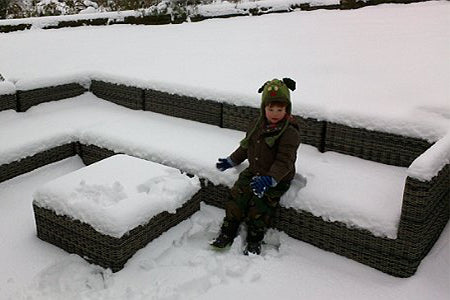
Accumulated snow adds weight to the furniture. This strain can warp the wicker structure. Ice poses another threat. When it melts, water seeps into the fibers. This can lead to long-term damage if not addressed.
Wind And Debris
Strong winter winds carry debris. This debris scratches and damages wicker surfaces. Loose wicker strands become more vulnerable. Wind also causes furniture to shift or topple. This increases the risk of structural damage.
Uv Exposure
Even in winter, the sun’s UV rays affect wicker. Prolonged exposure fades colors and weakens fibers. Protecting wicker from UV exposure helps preserve its strength and look.
Protective Measures
Consider using covers or moving furniture indoors. Proper storage keeps wicker safe from harsh elements. Regular maintenance prolongs its life, even in cold months.
Protecting Wicker Furniture
As winter approaches, the question of whether to leave your wicker furniture outside becomes more pressing. Wicker furniture is known for its aesthetic appeal and comfort, but it requires special care during colder months. Protecting wicker furniture from harsh winter conditions is crucial to maintain its longevity and appearance. Let’s dive into some practical strategies to ensure your wicker furniture survives winter unscathed.
Use Protective Covers
Investing in good quality protective covers for your wicker furniture can make a significant difference. These covers shield your furniture from snow, rain, and freezing temperatures, preventing moisture from seeping into the wicker material. Look for covers that are waterproof and durable, ensuring they can withstand the elements throughout the season. Do you have any old sheets or tarps lying around? They might just do the trick for temporary protection!
Store Indoors When Possible
If you have space in your garage or shed, consider storing your wicker furniture indoors. This might require some rearranging, but the effort pays off by significantly reducing wear and tear. Indoor storage protects the furniture from direct exposure to harsh weather. While this may not always be feasible, it is one of the most effective ways to ensure your furniture stays in top condition.
Regular Cleaning And Maintenance
Cleaning your wicker furniture before winter sets in helps remove dirt and debris that could cause damage over time. Use a soft brush or cloth to gently clean the surfaces. Are you aware that dust can trap moisture, accelerating wear? Keeping your furniture clean minimizes these risks. After cleaning, inspect for any repairs needed and address them promptly.
Consider Using Sealants
Applying a sealant can add an extra layer of protection to your wicker furniture. Sealants help repel moisture, reducing the risk of mold and mildew. Choose a sealant designed for wicker materials, and follow the manufacturer’s instructions for the best results. Have you ever thought about how a simple sealant can extend the life of your furniture by several years?
Elevate Furniture Off Ground
Keeping your wicker furniture elevated can prevent it from sitting in puddles of water or snow. Use blocks or stands to raise your furniture slightly off the ground. This simple trick helps avoid moisture accumulation at the base, which can weaken the structure over time. Have you ever noticed how a little elevation can keep your furniture dry and sturdy?
By following these practical tips, you can ensure your wicker furniture remains in great condition through the winter months. What strategies have you tried to protect your outdoor furniture? Share your experiences and insights to help others keep their wicker furniture safe and sound!

Credit: www.hineighbor.com
Credit: rattanyard.com
Conclusion
Wicker furniture can survive winter with care. Protect it with covers. Place it in a dry, sheltered spot. Avoid exposure to harsh weather. These steps help maintain its beauty. Consider moving it indoors. Enjoy your furniture for many seasons. Regular maintenance keeps it looking fresh.
Repair any damage quickly. Treat your wicker with care. Proper attention prolongs its life. Now, make an informed choice. Keep your outdoor space inviting all year round.