
Staring at the shelf, you’re torn between two labels: "Ionic" and "Ceramic." Both promise smoother hair, but both cost under fifty bucks. It’s confusing because the technology works differently. Ionic dryers fight static with negative charges.
Ceramic models focus on even heat distribution to protect strands.
We’ve analyzed specs from major retailers as of 2026. Most sub-$50 units combine these features poorly or exaggerate them. Understanding the core mechanism helps you pick the right tool for your hair type.
Let’s break down what actually happens inside those plastic housings before you spend a dime.
ionic vs ceramic hair dryers under $50
Ionic dryers emit negative ions to break water bonds faster. This reduces drying time and cuts frizz. Ceramic dryers use infrared heat for gentle, consistent warming.
They prevent hot spots that damage cuticles. At this price point, ionic tech is often weaker. Ceramic elements provide more reliable heat safety.
Choose based on whether speed or protection matters more to you.
Side-by-Side Breakdown: Heat Control vs. Frizz Fighting
The battle isn’t just about marketing terms. It’s about physics. Ionic generators release negatively charged particles.
These particles neutralize positive static in wet hair. The result? Less puffiness and quicker evaporation.
But cheap ionizers degrade fast. You might get three months of benefit before it stops working.
Ceramic heating elements wrap around the coil. They radiate far-infrared heat. This warms the hair shaft from the outside in.
It seals the cuticle layer effectively. Unlike metal coils, ceramics don’t spike in temperature. This consistency saves fine hair from burning.
However, ceramic alone doesn’t stop static buildup.
| Feature | Ionic Tech (Sub-$50) | Ceramic Tech (Sub-$50) |
|---|---|---|
| Primary Benefit | Reduces frizz/static | Even heat distribution |
| Drying Speed | Faster due to ionization | Standard airflow speed |
| Hair Safety | Moderate risk if overheated | Lower risk of burn spots |
| Durability | Ionizer fails quickly | Element lasts longer |
| Best For | Curly/Coarse hair | Fine/Damaged hair |
Aggregate reviews show that hybrid models perform best. Yet, true hybrids rarely exist under fifty dollars. Manufacturers usually slap a label on basic parts.
Look for distinct benefits rather than buzzwords. If your hair tangles easily, prioritize ionic claims. If it breaks or feels brittle, lean toward ceramic.
Our research indicates that motor quality outweighs both technologies here. A weak fan makes either tech useless. Check top-rated affordable blow dryers for verified motor specs.
Who Should Pick Which? Matching Tech to Hair Type
Not every head needs the same dryer. Your hair texture dictates the winner. Thick, curly locks suffer from humidity.
Water molecules cling tightly, causing expansion and frizz. An ionic dryer breaks these bonds efficiently. It smooths the surface without excessive heat.
You’ll save time styling in the morning.
Fine, straight, or color-treated hair tells a different story. Thin strands overheat instantly. Metal coils create dangerous hot spots.
Ceramic provides a gentler warmth profile. It protects protein structures in dyed hair. Static control matters less here since fine hair lacks volume.
Prioritize heat safety over speed.
Consider your climate too. Humid regions demand strong ionic power. Dry climates favor ceramic moisture retention.
If you live in Arizona, ionic tech offers little gain. In Florida, it’s essential. Don’t overspend on features you won’t use.
Match the tool to your environment. For those needing versatile options, reviewing dual voltage high-speed models can help identify travel-friendly picks that balance both technologies.
Pitfalls of Cheap Dryers and How to Spot Them
Budget devices hide flaws well. The biggest issue is fake labeling. Many "ceramic" dryers use spray-on coatings.
These wear off after ten uses. Then you’re blowing air through bare metal. Always check if the element itself is ceramic.
Solid pieces weigh more than coated wires.
Another trap is the ion generator count. Marketing says "millions of ions." Reality checks show minimal output. True ionic effects need sustained charge density.
Cheap capacitors can’t maintain this. After six months, the effect vanishes. You’re left with a standard heater.
Read user updates from twelve-month owners. Initial hype fades; long-term complaints reveal truth.
Safety certifications are non-negotiable. Never buy an uncertified unit. Look for UL or ETL marks on the plug or body.
These ensure electrical isolation and fire resistance. Without them, you risk shock or house fires. Per Underwriters Laboratories standards, proper grounding prevents current leakage.
Ignore brands skipping this step. Also, inspect the air intake filter. Clogged filters strain motors.
Regular cleaning extends life significantly. See our guide on maintaining appliance filters for simple upkeep tips that keep performance high.
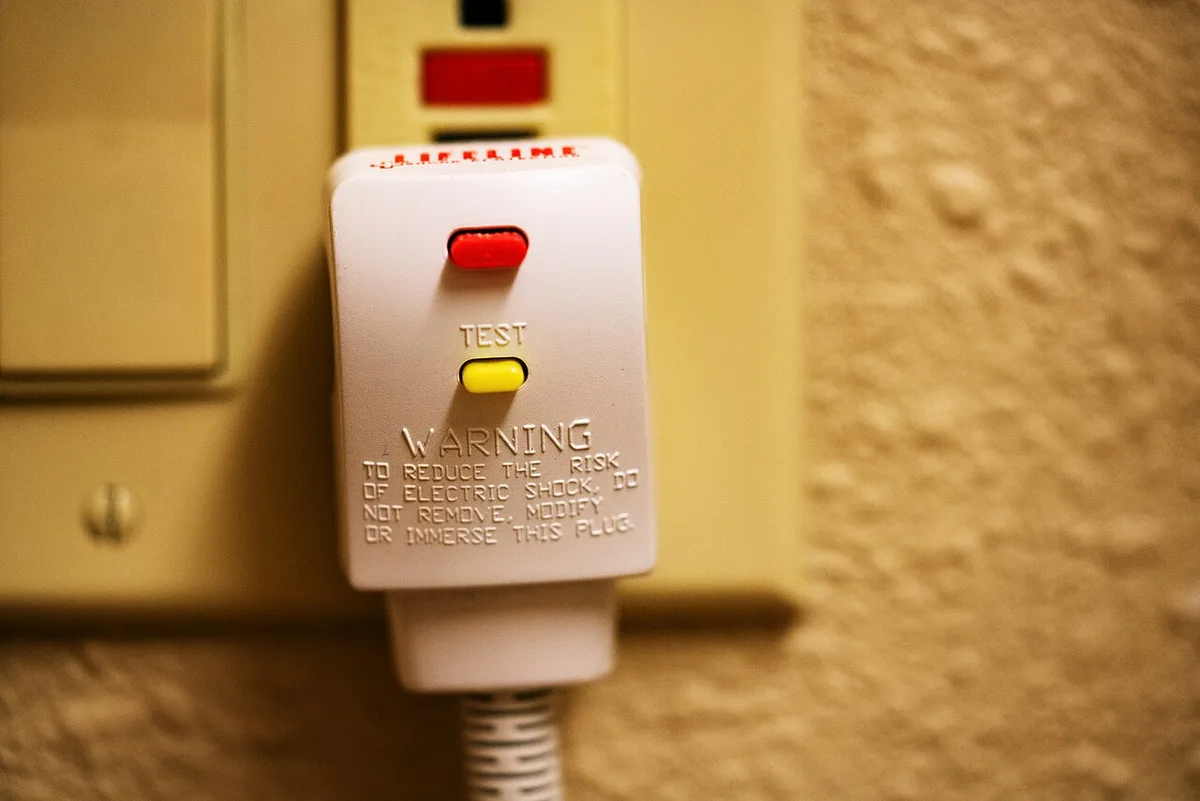
Image source: Wikimedia Commons / Tony Webster from Minneapolis, Minnesota, United States (CC BY)
Finally, watch the cord quality. Thin PVC cords crack easily. Braided nylon resists tangling and wear.
A stiff handle suggests poor ergonomics. Test the grip in-store if possible. Heavy bases tip over when plugged into wall outlets.
Lightweight bodies feel hollow. Balance weight against build material. These small details determine daily usability.
Don’t let flashy colors distract from structural integrity.
Frequently Asked Questions
Do ionic dryers really reduce drying time?
Yes, but marginally in budget models. Negative ions split large water droplets into smaller ones. This increases surface area for evaporation.
You might save one to two minutes per session. High-end units do this better. Under fifty dollars, expect modest gains.
The main benefit remains frizz reduction, not pure speed. Manage expectations accordingly.
Is ceramic safer for colored hair?
Generally, yes. Ceramic emits far-infrared heat. This penetrates gently without scorching the outer layer.
Metal coils often spike temperatures unpredictably. That heat strips dye molecules rapidly. Consistent warming preserves pigment longevity.
If you bleach or dye regularly, choose ceramic. It minimizes thermal shock. Protecting investment in color costs less upfront.
Can I find a true ionic-ceramic combo under $50?
Rarely. Most combos sacrifice one feature for the other. Genuine dual-tech requires robust engineering.
Budget constraints force compromises. You’ll likely get weak ions or thin ceramic coating. Instead, pick the dominant trait you need.
If frizz is the enemy, go ionic. If damage is the fear, go ceramic. Hybrid claims at this price are mostly marketing fluff.
Verify specs carefully.
How long do budget ionizers last?
Typically six to eighteen months. Capacitors degrade with heat cycles. Once they fail, the dryer acts like a standard model.
You won’t notice immediate failure. Just gradual return of static. Some users report effectiveness lasting two years.
Usage frequency impacts lifespan heavily. Daily use accelerates wear. Weekly use extends it.
Replace the unit if frizz returns persistently despite good habits.