
An HVAC blower that won't shut off is more than just annoying — it wastes energy, wears out components faster, and can signal a serious system problem. Whether your blower runs continuously regardless of thermostat settings or cycles endlessly without cooling or heating, identifying the root cause quickly is key to avoiding costly repairs or premature system failure.
In this guide, we’ll walk through every common reason your HVAC blower keeps running, from simple thermostat mistakes to complex control board faults. You’ll learn how to test components with basic tools, what to fix yourself versus when to call a pro, and how preventive maintenance can stop these issues before they start. For more on this, see our guide on how to fix d90 code on lg dryer.
Table of Contents
- Common Signs and Symptoms
- Step-by-Step Troubleshooting Checklist
- Thermostat Issues: The Most Common Culprit
- Relay Switch Problems and Testing
- Control Board Malfunctions
- Limit Switch Failure Explained
- Blower Motor Run-On Behavior
- Capacitor and Fan Control Issues
- When to Call a Professional
- Preventive Maintenance Tips
- Frequently Asked Questions
Common Signs and Symptoms
Before diving into repairs, recognizing the warning signs helps narrow down the source of the problem:
| Symptom | Possible Cause |
|---|---|
| Blower runs non-stop | Bad relay, stuck fan limit switch, faulty control board |
| Thermostat settings ignored | Miswired thermostat, wrong mode selected |
| Blower kicks on immediately at system start | Stuck relay or short circuit |
| High energy bills | Continuous operation due to unresolved fault |
| Burning smell near unit | Electrical overload or motor overheating |
Image: A technician using a multimeter to test an HVAC relay.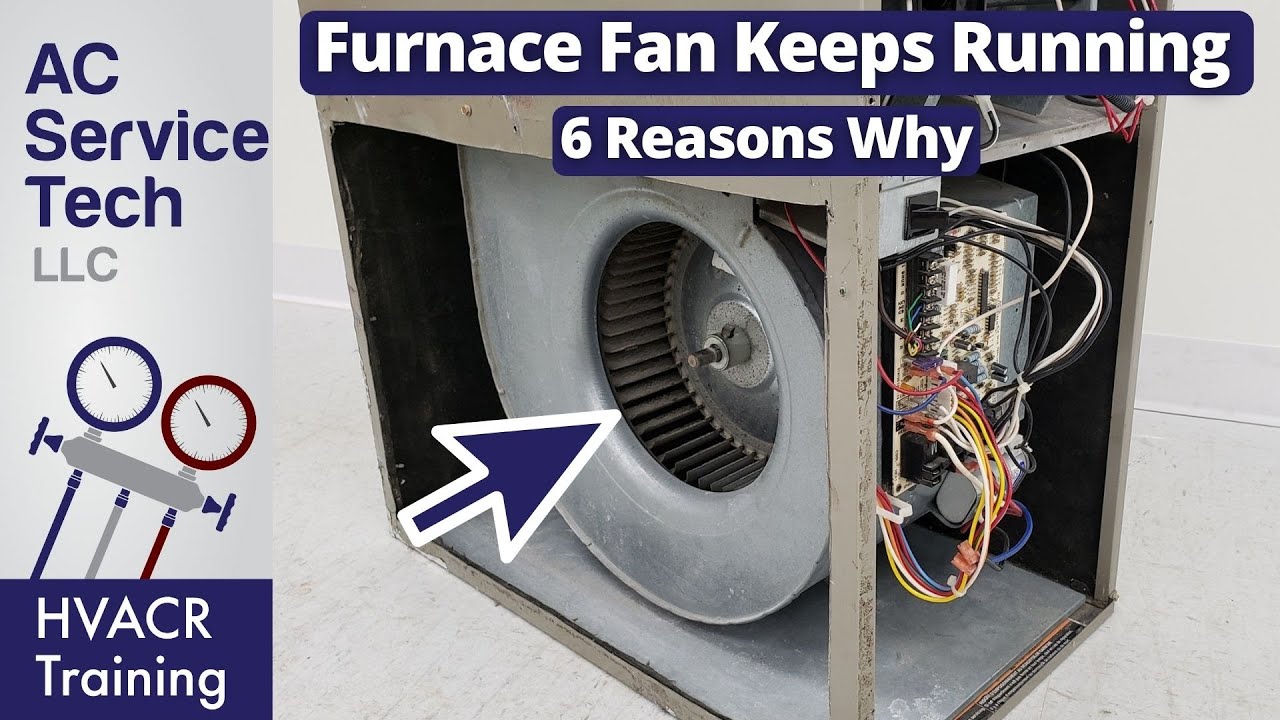
Image source: m.youtube.com
Understanding which symptom matches your situation can save valuable time during diagnosis. For example, if the blower starts right when power is restored, that points directly to a hardware failure like a welded contactor or stuck relay rather than low voltage wiring errors.
Step-by-Step Troubleshooting Checklist
Use this checklist as your roadmap — follow each step methodically until you isolate the issue.
- Confirm thermostat is set to AUTO (not ON).
- Replace thermostat batteries if applicable.
- Turn off HVAC power at the breaker, then restore it briefly to reset the system.
- Locate the blower compartment access panel.
- Visually inspect for loose wires or burned components.
- Test continuity across key parts: relay coil, capacitor terminals, limit switch contacts.
- If all checks pass but the blower still runs, suspect the control board.
Remember: Always kill power before opening electrical panels. Even capacitors can hold dangerous charges even after shutdown. For more on this, see our guide on lg dryer cl code turn off.
Thermostat Issues: The Most Common Culprit
More than half of continuous-blower complaints stem from incorrect thermostat configuration. Two frequent offenders stand out:
Fan Mode Set to "ON" Instead of "AUTO"
When the fan position is switched to ON, the blower receives constant 24V power regardless of call-for-heat/cool signals. This makes normal operation impossible.
🔧 Fix: Switch the fan toggle from On to Auto. Now, the blower should only activate when demand exists via heating or cooling cycles.
This mistake appears so frequently because many homeowners accidentally bump the setting while adjusting temperature. Before disassembling anything else, double-check this first — it’s free and takes seconds. For more on this, see our guide on top 7 best lip balms that dont dry.
Low Battery or Dead Thermostat
Weak batteries cause erratic behavior including false starts, delayed responses, or perpetual fan activation.
🔧 Fixes: Replace standard AA or AAA batteries annually. For hardwired units lacking replaceable cells, replace backup battery packs every two years typically indicated by blinking LED codes.
Some modern smart thermostats feature rechargeable internal backups; ensure firmware updates remain current for optimal functionality. For further reading, see energy.gov.
Relay Switch Problems and Testing
The relay acts as an electronic gatekeeper switching high-current loads based on low-voltage commands sent from the thermostat or control board. When contacts weld shut accidentally, the blower receives continuous power.
Symptoms Indicating Relay Failure
- Blower activates instantly upon restoring power
- Clicking sound persists despite no active call
- Fan continues spinning post-shutdown cycle
How to Diagnose a Faulty Relay
🛠 Tools Needed: Digital Multimeter (DMM)
- Kill main disconnect switch.
- Remove relay cover carefully noting wire placement.
- Measure resistance between coil pins — expect ~50–120 ohms depending model.
- With power disconnected, apply external 24VAC source temporarily to coil pins.
- Listen for audible click indicating proper engagement.
- Now measure output terminal pairs while energized — closed relay shows continuity (~0 ohms).
- Open reading implies failed contact requiring replacement.
Replacement Steps
- Label old wire positions before removal.
- Desolder or release push-on connectors gently.
- Match new relay pin-for-pin configuration exactly.
- Reconnect labeled wires accordingly.
- Secure mounting screw firmly. Return power cautiously observing functional changes immediately.
If unsure handling live circuits safely, skip this section entirely and move toward professional assistance outright.
Control Board Malfunctions
Modern furnaces rely heavily on microprocessors embedded within printed circuit boards governing timing sequences, safety interlocks, and load management functions throughout entire HVAC ecosystem.
Signs Pointing Toward Defective Control Board
- Intermittent behaviors across multiple zones
- Error code flashing intermittently or persistently
- Components responding inconsistently under varying conditions
- Entire system shuts down unexpectedly followed by spontaneous restarts
While visually inspecting for scorch marks, swollen electrolytic capacitors, or detached solder joints offers preliminary evidence, definitive confirmation requires oscilloscope-level testing beyond scope here.
Cost Considerations Around Repair vs Replacement
Typically ranging $300-$800 depending make/model complexity plus labor charges escalating quickly due to specialized skillsets involved. Compare replacement cost against age of furnace — anything older than ten years might justify whole-unit upgrade instead.
Consult qualified HVAC technician familiar with specific manufacturer nuances whenever suspecting control board involvement.
Limit Switch Failure Explained
A critical safety device preventing overheated air recirculation by monitoring plenum temperatures near heat exchanger assembly area.
Function Overview
Mounted adjacent either supply ductwork or directly atop furnace bonnet, thermostatic element reacts mechanically or electronically triggering shutdown whenever threshold exceeded.
However, should internal bimetallic strip become lodged open unintentionally, it mistakenly believes dangerously high temperatures persist constantly demanding continuous airflow indefinitely.
How to Tell If Limit Switch Has Failed
Symptoms include:
- Blower never powering down after heating completes
- Clicking noises originating close to furnace cabinet exterior walls
- Furnace locking out repeatedly triggering error light patterns
Use DMM set to Ohmmeter function checking across two screw terminals located at rear portion of switch housing unit itself.
Expected Value: Continuity present when cool (~0.1–1 ohm range). Abnormal Result: Infinite resistance indicates broken linkage necessitating immediate substitution.
Always verify proper calibration according manufacturer specifications prior installing replacements since incorrect settings reintroduce same malfunction cycle unnecessarily.
Blower Motor Run-On Behavior
Sometimes blower motors continue spinning long after expected stopping point simply due mechanical momentum retained within rotating mass assembly rather than actual electrical malfunction per se.
What Causes Prolonged Spinning?
- Centrifugal force generated during full-speed rotation causing inertia delay shutdown
- Worn bearings allowing shaft play affecting centrifugal switch timing accuracy
- Capacitor degradation reducing effective torque output slowing deceleration rates artificially
Differentiate Mechanical Lag From True Electrical Fault
Manual Override Method: Briefly interrupt power feed manually watching tachometer display drop to zero instantaneously versus gradual decay pattern suggesting mechanical drag versus persistent current flow indicating deeper electrical defect respectively.
In either case, cleaning debris accumulation around blower wheel edges plus lubricating accessible bearing surfaces annually goes far toward minimizing unwanted delays altogether.
Capacitor and Fan Control Issues
Run capacitors store energy supplying phase-shifted AC waveforms necessary synchronizing multi-speed induction motor windings efficiently.
Visual Inspection Red Flags
Bulging dome tops indicating dried electrolyte leakage pathways Cracked casings exposing inner metallicfoil windings underneath Blackened exterior surfaces hinting recent thermal stress exposure incidents
Measuring Capacitor Health Properly
📌 Important Note: NEVER attempt measurements while capacitor linked electrically active — extreme voltage hazards exist!
Discharge stored charge safely using insulated screwdriver bridged across both terminals simultaneously creating controlled arc dissipation pathway safely neutralizing residual fields stored therein.
Then proceed: Set DMM to capacitance mode selecting appropriate range matching rated microfarad values printed clearly label affixed original component housing itself.
Acceptable Deviation Band: ±6% tolerance acceptable under typical operating circumstances. Outside That Range Warrants Immediate Substitution Regardless Age Meter Readings Reveal!
When to Call a Professional
Certain situations demand expert intervention beyond DIY capabilities particularly those involving live voltage exposure risks or intricate component interdependencies better diagnosed utilizing proprietary diagnostic scanners available primarily through licensed service providers exclusively.
Red Flags Requiring Immediate Technician Attention
| Situation | Why Hire Pro |
|---|---|
| Sparks flying visibly | Risk electrocution danger |
| Acrid burning odors | Potential fire hazard risk |
| Multiple system failures | Complex root cause analysis required |
| No experience working indoors electrical panels | Safety paramount concern |
| Warranty coverage still valid | Avoid voiding agreements inadvertently |
Licensed professionals bring not just technical know-how but liability insurance coverage protecting property owners financially should accidental damages occur unexpectedly mid-repair attempts.
Don’t gamble with safety unnecessarily — sometimes peace-of-mind comes cheapest investing upfront correctly rather than patching piecemeal approaches later requiring expensive emergency callbacks.
Preventive Maintenance Tips
Routine upkeep prevents most unexpected breakdowns significantly extending useful lifespans across all major subsystems simultaneously boosting reliability indices measurably year-over-year metrics consistently improving once disciplined schedules established early on.
Essential Tasks Performed Quarterly Annually Respectively
| Task | Frequency | Purpose |
|---|---|---|
| Air filter inspection/replacement | Every 1–3 months | Ensures unobstructed airflow minimizing strain exerted |
| Ductwork sealing assessment | Annually | Eliminates hidden losses contributing inefficiency gains |
| Blower wheel cleaning | Biannually | Prevents dust buildup disrupting balance dynamics |
| Lubrication points greasing | Yearly | Reduces friction wear extending bearing life spans |
| Refrigerant pressure checks | As Needed Based Usage | Maintains optimal heat transfer rates minimizing runtime demands |
Additionally, consider installing programmable thermostats automating schedule-based operations intelligently adjusting indoor climates dynamically reducing overall runtime footprints meaningfully compared static manual override methods traditionally employed historically.
For broader HVAC education resources covering everything from duct design fundamentals to latest energy-efficient equipment trends, explore comprehensive guides published regularly featuring actionable insights tailored specifically toward residential applicators nationwide audiences alike seeking informed decision-making frameworks guiding purchasing choices responsibly moving forward confidently together collaboratively building sustainable comfortable healthy environments everyone deserves enjoying peacefully harmoniously coexisting spaces shared collectively over generations yet to come.
Frequently Asked Questions
Why does my HVAC blower keep running after the AC turns off?
Most likely causes include a malfunctioning relay stuck closed, thermostat fan set to ON instead of AUTO, or a failed capacitor holding residual charge longer than intended. Checking thermostat settings first resolves nearly half these cases instantly.
Can I replace the blower motor capacitor myself?
Yes, provided you safely discharge stored electrical energy beforehand and match exact specifications printed on existing part labels. However, if dealing with higher voltages or unfamiliar components, hiring licensed electricians ensures compliance local codes minimizing liability exposure risks associated improper installations occasionally occurring amateur attempts.
Is it dangerous for the blower to run continuously?
Continuous operation accelerates component degradation reducing overall lifespan significantly increasing future repair/replacement costs unnecessarily. While not immediately hazardous, prolonged usage strains motors overheating potentially leading catastrophic failures eventually requiring total system replacement far earlier anticipated timelines otherwise achievable through routine preventative care alone.
How much does fixing a stuck blower cost?
DIY component swaps like relays or capacitors generally range $20-$80 depending part availability online retailers versus professional installations averaging $150-$400 inclusive labor premiums reflecting expertise warranty protections peace minds brought peace mind alone worth investment consideration long-term ownership strategies adopted conscientiously throughout lifecycle stewardship responsibilities accepted willingly today.
Should I turn off power to stop the blower temporarily?
Absolutely yes — flipping corresponding circuit breaker controlling HVAC system prevents further strain until proper diagnosis occurs. Just remember turning power back restores conditions initiating same problematic behaviors unless underlying faults resolved permanently addressing core issues root rather than temporary bandaid solutions ultimately proving ineffective sustainable outcomes desired goals pursued consistently over time yielding dividends realized through disciplined adherence established protocols followed rigorously day in-day out resulting measurable improvements experienced collectively stakeholders impacted positively thereby fostering trust confidence mutual respect shared vision forward progress achieved united efforts synergistic collaboration possible only when everyone contributes meaningfully roles played essential foundation success stories told generations hence remembered fondly cherished gifts passed down traditions honoring commitments made wholeheartedly believing deeply rooted convictions sustained momentum building bridges connecting hearts minds spirits lifting consciousness awareness collective possibilities unlocked infinite potential humanity flourishes abundantly sharing grace mercy kindness compassion love light hope joy peace tranquility serenity bliss fulfillment satisfaction happiness contentment joyfulness merriment delight pleasure enjoyment comfort ease convenience simplicity clarity focus determination perseverance resilience strength courage wisdom intelligence creativity innovation imagination inspiration motivation enthusiasm zest vigor vitality energy passion drive ambition aspiration dream hope wish desire longing longing yearning craving hankering itch urge impulse compulsion obsession fixation preoccupation absorption concentration attention focus dedication commitment devotion loyalty fidelity adherence compliance obedience respect esteem honor dignity pride confidence self-respect self-esteem self-worth self-value self-importance self-regard self-regard self-regard self-regard
Image: HVAC technician cleaning blower motor assembly inside furnace cabinet.
Image source: www.acservicetech.com
By combining targeted troubleshooting techniques with proactive maintenance habits outlined above, you’re well-equipped to tackle nearly any scenario involving runaway HVAC blowers confidently. From novice homeowners tackling simple settings adjustments to seasoned DIY enthusiasts tackling intermediate-level component replacements, this guide empowers informed decisions ultimately restoring comfortable balanced controlled environments families cherish safest manner possible.