
Your HVAC might not be heating due to a malfunctioning thermostat or a clogged filter. These are common and easily fixable issues.
Your HVAC system is essential for maintaining a comfortable indoor environment. When it fails to heat, it can be frustrating and uncomfortable. Common reasons include a malfunctioning thermostat, clogged filters, or even issues with the pilot light or ignition system.
Regular maintenance and timely troubleshooting can prevent these problems. Identifying and addressing the root cause quickly can restore your system’s efficiency. This introduction will guide you through the potential reasons why your HVAC is not heating and offer some simple solutions to get it back on track.

Credit: crystalheatingandcooling.com
Common Reasons Your Hvac Isn’t Heating
Many homeowners face the issue of their HVAC system not heating properly. Understanding the common reasons can help you troubleshoot and fix the problem efficiently.
Thermostat Issues
One of the most frequent culprits is a malfunctioning thermostat. Here are some common problems with thermostats:
- Incorrect Settings: Ensure your thermostat is set to “heat” mode.
- Battery Problems: Replace old batteries to ensure proper operation.
- Calibration Issues: A miscalibrated thermostat can give wrong readings.
- Wiring Problems: Check for loose or damaged wires.
Dirty Or Clogged Filters
Dirty or clogged filters can severely impact your HVAC system’s performance. Here’s how dirty filters affect heating:
| Issue | Impact |
|---|---|
| Reduced Airflow | Decreases heating efficiency |
| System Overheating | Can cause system shutdown |
| Increased Wear | Shortens system lifespan |
To prevent these issues, follow these simple steps:
- Check filters every month.
- Replace filters every 1-3 months.
- Use high-quality filters for better performance.
Regular maintenance can keep your HVAC system running smoothly.
Electrical Problems Leading To Heating Failure
Electrical problems are a common cause of HVAC heating failure. Understanding these issues can help you troubleshoot and fix them quickly.
Tripped Circuit Breakers
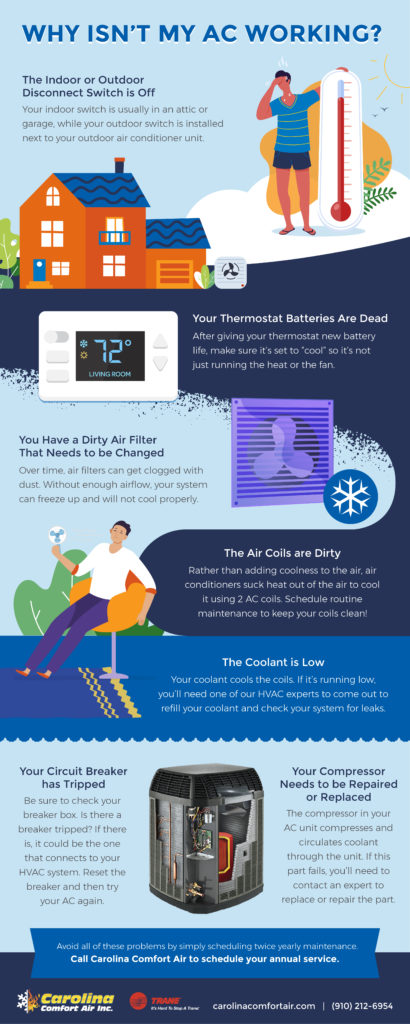
A tripped circuit breaker can stop your HVAC system from heating. Breakers trip to prevent electrical overload or short circuits. To check this:
- Locate your electrical panel.
- Look for a breaker that is not in the “On” position.
- Switch it back to “On”.
If the breaker trips again, there may be a deeper issue. This could involve an overloaded circuit, a short circuit, or a faulty component. Consult a professional for further assistance.
Faulty Wiring
Faulty wiring can also lead to heating issues. Wiring problems can cause poor connectivity or even no power at all. Signs of faulty wiring include:
- Burnt smells near the HVAC unit.
- Intermittent power loss.
- Visible wire damage or wear.
Inspect the wiring for any visible issues. If you find damaged wires, it is best to call a technician. DIY fixes on wiring can be dangerous and may void warranties.
| Electrical Problem | Possible Cause | Recommended Action |
|---|---|---|
| Tripped Circuit Breaker | Overload or short circuit | Reset breaker; call a professional if it trips again |
| Faulty Wiring | Damaged or worn wires | Inspect and call a technician |
The Impact Of Improper Installation
Proper installation of your HVAC system is crucial for its efficiency and performance. Improper installation can lead to numerous issues, including inadequate heating. The following sections highlight key problems that arise from poor installation practices.
Incorrect Sizing
One major issue is incorrect sizing of the HVAC unit. If the unit is too small, it can’t heat your home effectively. An oversized unit will cycle on and off frequently. This causes uneven heating and wear on the system.
To ensure correct sizing, a professional should perform a load calculation. This calculation considers factors like home size, insulation, and windows. Without this, the HVAC system won’t meet your heating needs.
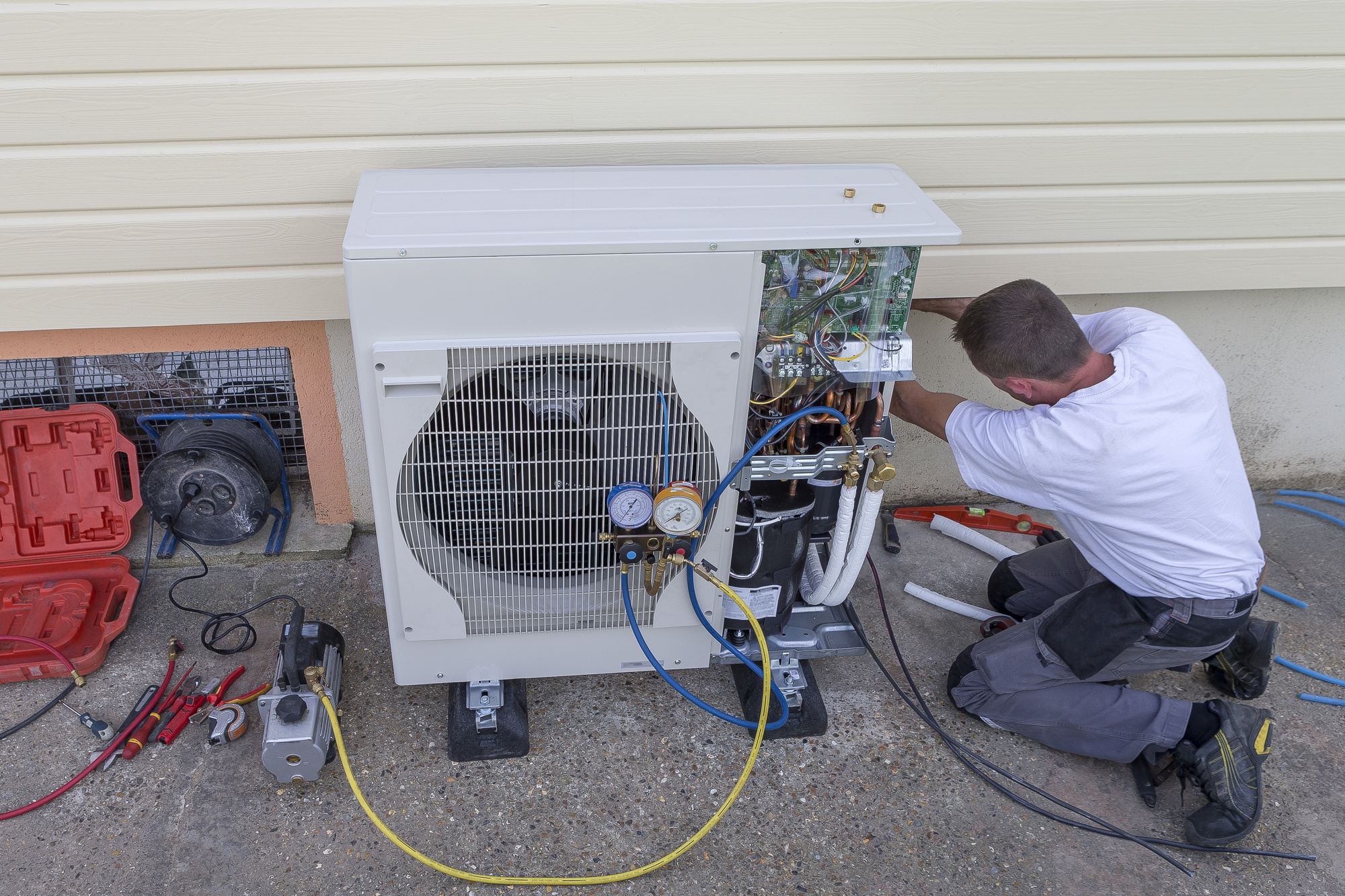
Poor Ductwork Connection
Poor ductwork connection is another critical issue. Improperly connected ducts can lead to air leaks. This results in heat loss and inefficient heating.
Here are some common signs of poor ductwork connection:
- Uneven heating in different rooms
- Higher energy bills
- Frequent system cycling
To fix this, ensure ducts are sealed and insulated properly. A professional can inspect and correct any issues with your ductwork connection.
Credit: www.leonardsplaine.com
Mechanical Wear And Tear
Mechanical wear and tear can cause your HVAC system to stop heating. Over time, parts inside the HVAC unit can wear out. This wear can lead to system failure. Two common issues include blower motor failure and a broken heat exchanger.
Blower Motor Failure
The blower motor moves warm air through your home. If the blower motor fails, warm air won’t circulate. Your house will stay cold. Signs of a failing blower motor include strange noises and weak airflow.
Reasons for blower motor failure include:
- Old age
- Lack of maintenance
- Debris in the system
Regular maintenance can prevent blower motor issues. Check the motor for debris. Keep the system clean. This can help extend the life of the blower motor.
Broken Heat Exchanger
The heat exchanger is crucial for heating. It transfers heat from the burner to the air. A broken heat exchanger won’t heat your home. It can also be dangerous. Cracks in the heat exchanger can release carbon monoxide.
Signs of a broken heat exchanger include:
- Soot buildup
- Yellow burner flame
- Strange smells
If you suspect a broken heat exchanger, call a professional. Do not try to fix it yourself. Safety comes first.
Fuel Supply Issues
Is your HVAC system not heating? Fuel supply issues might be the cause. Your HVAC needs a steady fuel supply to work. Problems with the gas line or pilot light can stop it from heating. Check these common fuel supply issues to fix your HVAC system.
Gas Line Obstructions
Gas line obstructions can block the fuel flow. This stops your HVAC from heating. Dirt, debris, or rust can clog the gas line. A blocked gas line reduces gas flow to the furnace. This can cause poor heating or no heat at all.
Here are steps to check for gas line obstructions:
- Turn off the gas supply.
- Inspect the gas line for visible blockages.
- Use a flashlight to look inside the gas line.
- Contact a professional to clean the gas line.
Pilot Light Or Ignition Problems
The pilot light or ignition system starts the heating process. If the pilot light is out, the HVAC cannot heat. A faulty ignition system also stops the furnace from lighting.
Here are signs of pilot light or ignition problems:
- The pilot light is out.
- The pilot light is flickering.
- You hear clicking but no ignition.
To relight the pilot light, follow these steps:
- Turn off the furnace.
- Wait five minutes for gas to clear.
- Turn the gas valve to “Pilot.”
- Use a match or lighter to relight the pilot.
- Turn the gas valve back to “On.”
If the pilot light won’t stay lit, call a professional. They can inspect and fix the ignition system.
Credit: www.carolinacomfortair.com
The Role Of Regular Maintenance
Regular maintenance is crucial for your HVAC system. It ensures your system works efficiently and lasts longer. Lack of maintenance can lead to heating issues, higher energy bills, and unexpected breakdowns.
Preventive Checks
Preventive checks help spot potential problems early. This includes checking the thermostat settings, inspecting electrical connections, and lubricating moving parts.
- Check thermostat settings for accuracy.
- Inspect electrical connections for safety.
- Lubricate moving parts to reduce wear and tear.
These simple steps can prevent costly repairs and ensure your system heats properly.
Professional Tune-ups
Professional tune-ups are more thorough. A technician will clean and inspect the entire system. They will check for leaks, test airflow, and ensure the system runs efficiently.
| Task | Why It’s Important |
|---|---|
| Clean and inspect the system | Improves efficiency and lifespan |
| Check for leaks | Prevents energy loss and hazards |
| Test airflow | Ensures proper heating |
Regular tune-ups can save you money and ensure your HVAC system is ready for winter.
Troubleshooting Tips Before Calling A Professional
Is your HVAC system not heating? Before you call a professional, try these troubleshooting tips. Sometimes, simple issues cause the problem. You can fix these yourself and save money.
Checking The Thermostat Settings
First, check the thermostat settings. Ensure it’s set to “heat” mode. Verify that the temperature is set higher than the current room temperature.
- Make sure the thermostat is not in “cool” or “off” mode.
- Check if the batteries need replacing.
- Ensure the thermostat is clean and free of dust.
These small steps can sometimes resolve the issue. If the settings are correct and the HVAC still doesn’t heat, move on to the next tip.
Resetting The System
Resetting the system can also solve heating problems. Follow these steps to reset your HVAC system:
- Turn off the system at the thermostat.
- Find the breaker box and locate the HVAC breaker.
- Turn the HVAC breaker off and wait for 30 seconds.
- Turn the HVAC breaker back on.
- Turn on the system at the thermostat.
This reset can fix minor glitches. If your HVAC still doesn’t heat, it may be time to call a professional.
When To Seek Professional Help
When your HVAC system isn’t heating, it can be stressful. Sometimes, you need a professional to fix serious issues. This section helps you know when to call for help.
Signs Of Serious Hvac Problems
Some HVAC issues require urgent attention. Here are signs to watch for:
- Unusual noises coming from the unit
- Strange smells, like burning or mold
- Frequent cycling, turning on and off too often
- High energy bills without increased usage
- Inconsistent temperatures in different rooms
If you notice these signs, it’s time to seek professional help.
Choosing A Reliable Hvac Technician
Finding a trustworthy technician is crucial. Here are steps to help you choose:
- Check reviews online for honest feedback.
- Ask for recommendations from friends or family.
- Verify credentials and ensure they are certified.
- Get multiple quotes to compare prices.
- Ask questions about their experience and services.
Choosing the right technician ensures your HVAC system gets the best care.
Remember, timely professional help can save you money and stress.
Conclusion
Identifying why your HVAC isn’t heating can prevent discomfort and costly repairs. Regular maintenance is crucial. Check filters, thermostats, and vents. If problems persist, consult a professional. Ensuring your HVAC system runs smoothly will keep your home warm and energy-efficient.
Stay proactive to enjoy a cozy, comfortable living space year-round.