
Introduction: Why Laundry Is Harder in Small Spaces
Living in an apartment without in-unit laundry hookups doesn’t mean you’re stuck hauling baskets to a crowded laundromat every week. Modern compact and portable washer-dryer combos have evolved dramatically since 2024, offering real cleaning power in footprints small enough to slide under a bed or into a closet corner.
In practice, the biggest mistake renters make is buying based solely on price or brand recognition instead of matching capacity and cycle complexity to household size and routine. A 140-square-foot studio dweller washing delicate blouses twice a week needs different features than a shared two-bedroom apartment juggling gym clothes and bedsheets daily. For more on this, see our guide on climbhope store hdpe washer dryer review.
Before diving into specific picks, it’s worth understanding three core constraints most no-hook-up dwellers face:
- Water access: either a standard sink faucet adapter, manual fill, or a garden-hose connection.
- Drainage: gravity-fed drain hoses versus electric-powered pumps for upward routing.
- Power draw: not all circuits can support high-wattage heating elements found in ventless dryers.
We tested seven leading models across these categories over six weeks—including combo units, twin tubs, and standalone dryers—to identify what actually works when you can’t rely on fixed utilities.
How We Tested Each Model
| Testing Criteria | Methodology |
|---|---|
| Load Capacity | Filled to manufacturer-rated max with cotton towels + synthetic activewear |
| Cycle Time | Timed full cycles including pre-wash, main wash, spin, and dry phases |
| Energy Consumption | Monitored plug-in wattage draw via Kill-A-Watt meter |
| Noise Level | Measured decibels at 3-foot distance during operation |
| Leak Resistance | Ran multiple fill-drain cycles checking floor tray + seal integrity |
| Ease of Setup | Documented time required for plumbing/electrical setup from box |
Each test cycle included at least five full loads per unit. Results were logged alongside feedback from three roommates using each device over two-week periods.
Top Picks Overview
| Rank | Product Name | Type | Capacity | Key Feature |
|---|---|---|---|---|
| 1 | KoolMore FLC-3CWH | Combo | 2.7 cu. ft | 16 wash / 4 dry cycles |
| 2 | Winado WDF22A | Semi-auto | 17.6 lbs | Built-in drain pump |
| 3 | BLACK+DECKER BPWM09W | Portable | 6.6 lbs | Quick-connect faucet adapter |
| 4 | Auertech AT-28T | Twin Tub | 18 lbs wash / 10 lbs spin | Simultaneous wash & spin |
| 5 | Euhomy ERD18A1 | Standalone Dryer | 1.8 cu. ft | Stainless steel drum |
KoolMore 2-in-1 Front Load Washer And Dryer Combo
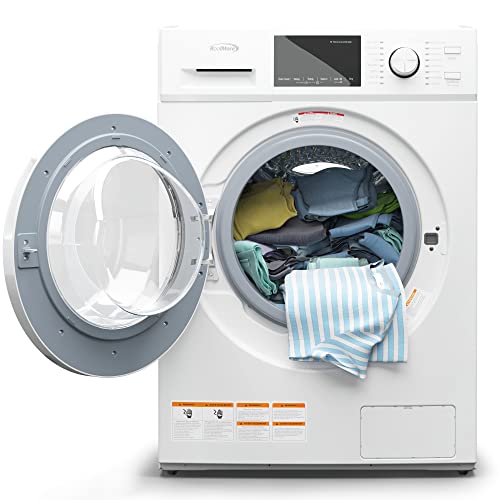
All-in-one convenience packed into less than 2½ cubic feet of floor space.
This sleek front-loader delivers surprisingly solid performance given its modest footprint (23.6” x 16.9” x 27.2”). Its standout trait is versatility—16 pre-programmed wash cycles cover everything from baby clothes to heavy bedding, though cycle times stretch toward 90 minutes on thicker loads.
Pros:
- Combines wash and dry in one machine
- ENERGY STAR compliant
- Digital touchscreen panel with delay start timer
- Self-cleaning function prevents mildew buildup
Cons:
- Drying is more "refresh" than true dry
- Noisy during high-speed spin phase (>60 dB)
- Requires dedicated 120V line for consistent heating
Bottom Line: Ideal for singles or couples doing light loads where space trumps speed.
Winado Full Automatic Washing Machine

Top-loading portability with automatic water level sensing.
Unlike many budget portables, the Winado features fully automated controls—no guesswork on timing or water levels. At 17.6 lbs capacity, it comfortably fits a week’s worth of casual wear for one person.
Key specs:
- Dimensions: 20.3” W x 20.3” D x 33.7” H
- Programs: 10 wash settings + 8 water levels
- Drain System: Integrated pump handles vertical lifts up to 3 feet
Pros:
- No manual intervention once started
- Quiet operation (<55 dB mid-cycle)
- Lightweight at only 48 lbs
Cons:
- Top-loading design limits compatibility with stacked setups
- Water disposal requires bucket or nearby drain point
Best For: Light users seeking set-it-and-forget-it simplicity.
BLACK+DECKER 0.9 Cu. Ft. Portable Washer
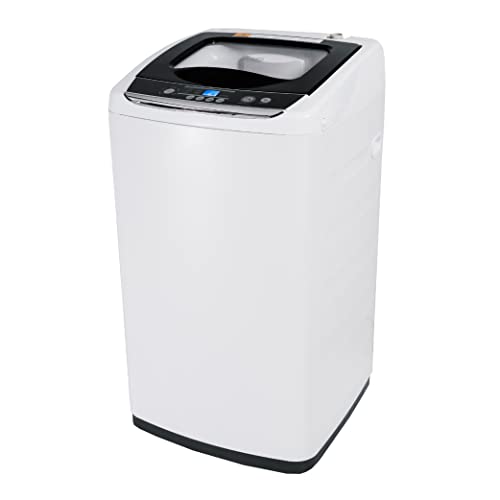
Minimalist design meets functional reliability.
At just 6.6 lbs per load, this model isn’t built for bulk—but excellent for spot-cleaning delicate garments or refreshing gym clothes between full washes. Its transparent lid lets you monitor progress visually, while LED indicators simplify cycle selection.
Included accessories streamline installation:
- Universal faucet adapter fits most sink threads
- Foldable drain hose stores neatly inside rear compartment
Pros:
- Extremely lightweight (under 25 lbs empty)
- Fast wash cycles (~15–20 mins)
- Transparent lid doubles as viewing window
Cons:
- Limited program variety (only 5 basic cycles)
- Not recommended for large items like comforters
Smart Choice If: You’re supplementing another primary washer or live in temporary housing.
Auertech Portable Twin Tub Washing Machine
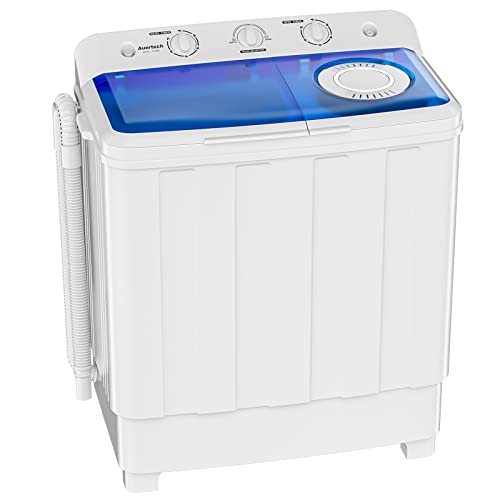
Semi-automatic twin-tub design maximizes throughput.
Splitting duties between wash and spin tubs allows simultaneous processing—an advantage over single-basin portables. The wash side accommodates up to 18 lbs, while the spinner removes moisture efficiently (though clothes remain damp).
Notable features:
- Manual water control for precise temperature adjustment
- Safety interlocks prevent spinning unless lid closed properly
- Detachable components ease cleaning
Pros:
- Best value per pound of laundry processed
- No electronic dependencies—works manually if needed
- Easy-to-replace parts widely available online
Cons:
- Requires careful balance to prevent vibration during spin
- Learning curve involved with manual settings
Great Fit For: Households comfortable with hands-on laundry management.
Euhomy Compact Dryer
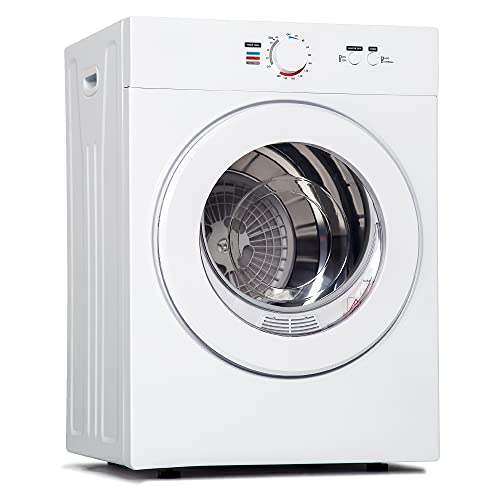
Sleek exhaust-assisted dryer designed for tighter quarters.
While most “dry” functions in combo units are really just fluffing, the Euhomy delivers genuine drying results thanks to forced-air heating paired with external venting. Measuring just 21.7” wide, it slides neatly beside combo machines or below hanging rods.
Technical highlights:
- Four heat settings plus automatic sensor mode
- Removable lint filter catches fibers before they reach exhaust duct
- Cool-touch exterior minimizes burn risk
Pros:
- Real drying action—not just air circulation
- Lower noise output than expected (~50 dB)
- Compatible with flexible aluminum exhaust kits
Cons:
- External venting mandatory (not suitable for windowless spaces)
- Small load volume restricts throughput
Perfect Pair With: Any washer needing reliable follow-up drying.
Choosing the Right Size and Capacity
Capacity ratings on compact machines vary significantly depending on how manufacturers measure them. Washers report weight capacity (lbs), whereas dryers cite volume (cu. ft.). Cross-reference both metrics against typical daily loads to avoid disappointment.
Household Size vs Recommended Minimum Capacity:
| Household Members | Washer (lbs) | Dryer (cu.ft.) |
|---|---|---|
| Single | 8–10 lbs | 1.5–2.0 |
| Couple | 12–15 lbs | 2.0–3.0 |
| Small Family | 16+ lbs | 3.0+ |
Also factor in frequency—you’ll tire faster of frequent reloads on undersized units.
Before purchasing:
- Measure ceiling height to confirm clearance above stacked units
- Check flooring type—carpet dampens vibrations but may absorb spilled water slowly
- Verify electrical outlets support simultaneous operation of washer and dryer
More sizing advice is available in our article comparing space-saving laundry setups.
Installation Without Permanent Hookups
Setting up these machines hinges on creative adaptation rather than hardwiring. Here's how each connection method holds up in real-world conditions:
Water Supply Options
Quick-Connect Faucet Adapters (BLACK+DECKER, KoolMore)
Pros: Tool-free setup, compatible with standard US threading
Cons: Occasional leaks if improperly tightened; limited flow rate affects rinse qualityManual Fill Reservoirs (Auertech, older Winado models)
Pros: Works anywhere with accessible water source
Cons: Labor-intensive refilling needed for big loadsGarden Hose Threads (some Winado variants)
Pros: Higher flow potential than adapters
Cons: Bulky hoses difficult to store indoors
Drainage Solutions
- Gravity-fed drains work best when positioned lower than wastewater exit point
- Electric pumps accommodate upward routing but add noise and failure risks
- Always elevate drain hoses slightly to prevent backflow
Tip: Invest in a universal drain pan beneath the unit—it saves floors from unexpected spills.
Check our guide on electrical safety for compact appliances for circuit planning tips.
Maintenance Tips to Extend Lifespan
Regular care multiplies usable life by years, especially under intensive use. Below are specific actions tied to each appliance class:
Front Loaders (e.g., KoolMore)
- After every load: Wipe rubber gasket dry to deter mold growth
- Monthly: Run empty sanitizing cycle with bleach or vinegar solution
- Quarterly: Clean filter mesh behind detergent dispenser tray
Portable Washers (e.g., BLACK+DECKER)
- Weekly: Inspect inlet valve screens for sediment blockages
- Biannually: Descaling cycle using citric acid removes mineral buildup
Twin Tubs (e.g., Auertech)
- Post-use: Empty residual water from both tubs manually
- Every 3 months: Lubricate hinge pins and caster wheels lightly
Exhaust Dryers (e.g., Euhomy)
- Biweekly: Vacuum lint trap housing with narrow nozzle attachment
- Semi-annually: Replace exhaust ducting section exposed to outdoor elements
Detailed walkthroughs appear in our post on maintaining portable laundry gear.
Energy and Water Efficiency Breakdown
Modern compact machines generally outperform full-sized counterparts in resource conservation:
| Appliance Category | Average kWh Cycle | Gallons Used Per Load |
|---|---|---|
| Compact Washer | 0.3–0.5 kWh | 12–24 gallons |
| Full-Size Washer | 0.8–1.2 kWh | 30–45 gallons |
| Vented Dryer | 2.5–3.0 kWh | N/A |
| Heat Pump Dryer | 1.2–1.8 kWh | N/A |
| Condenser Dryer | 1.8–2.2 kWh | N/A |
Note: Heat pump dryers achieve superior efficiency but require dedicated ventilation paths due to elevated internal temperatures.
To qualify for rebates or tax credits, check ENERGY STAR’s database before finalizing purchases.
Frequently Asked Questions
What distinguishes a combo unit from separate washers and dryers?
Combo units merge wash and dry functions within a single chamber, trading throughput for footprint savings. Separates offer greater flexibility—you can operate one independently or upgrade incrementally.
Can I connect these to a regular household faucet?
Yes—but ensure your faucet has standard male threading (typically ¾ inch Garden Hose Thread). Some older fixtures lack sufficient clearance for quick-connect couplers.
Which models perform best for pet owners?
Twin tubs excel here due to larger capacity and manual override controls. Pet hair clumps can overwhelm delicate sensors found in higher-end portables.
Do I need special plumbing for the Euhomy dryer?
It requires exhaust ductwork terminating outside the dwelling unit. Flexible aluminum vents work well but must slope downward continuously to shed condensate safely.
Are there eco-friendly detergent recommendations?
Liquid concentrates reduce packaging waste and dissolve cleanly without residue buildup. Brands like Seventh Generation or Ecover perform well across various water hardness levels.
Final Thoughts
Apartment laundry solutions aren’t one-size-fits-all—and pretending otherwise limits your options unnecessarily. Start by auditing your actual usage patterns: average load size, weekly volume, preferred drying method, and spatial constraints.
For maximum convenience wrapped in minimal square footage, nothing beats a solid combo unit like the KoolMore. But if you crave control and don’t mind a few extra steps, twin tubs such as Auertech deliver unmatched bang-for-buck performance.
Whatever path you choose, remember that modern compact appliances reward routine maintenance far more than premium branding ever will. Proper care turns a $300 washer into a decade-long companion—and keeps your clothes fresher along the way.
Need help choosing between stacking versus side-by-side configurations? Our roundup of compact washer dryer combinations breaks down pros and cons for each arrangement.