
Have you ever noticed your lawn mower not performing as efficiently as it used to? Maybe the blades aren’t spinning as quickly, or the grass isn’t being cut evenly.
You might wonder, “Can a lawn mower belt stretch? ” This question might seem simple, but its answer is crucial for your mower’s performance and your lawn’s health. Imagine this: a smooth, effortless mowing experience where your lawn looks pristine every time.
The key to achieving this could lie in understanding the little details, like the state of your mower’s belt. A stretched belt can lead to slipping and decreased power, leaving your lawn looking uneven and neglected. By grasping how and why a mower belt might stretch, you can take proactive steps to maintain your mower’s efficiency. This knowledge not only saves you time and effort but also prevents potential costly repairs. Dive into this article to discover the signs of a stretched belt and the simple steps you can take to ensure your lawn mower runs like new. Your perfect lawn is just a read away.
Causes Of Belt Stretching
Understanding why a lawn mower belt stretches can save you time and effort. Recognizing the causes helps maintain your mower’s performance. Let’s dive into the common reasons behind belt stretching.
1. Excessive Heat
Excessive heat causes belts to expand and lose shape. When your mower runs in hot conditions, the belt material weakens. This leads to stretching over time. Ensure your mower isn’t overheating.
2. Overloading The Mower
Cutting tall or wet grass strains the belt. The added resistance stretches the belt beyond its limits. Always mow under recommended conditions to prevent this.
3. Normal Wear And Tear
Belts wear out with regular use. Over time, materials degrade and lose elasticity. Regular inspection can help spot wear and tear early.
4. Incorrect Belt Tension
If the belt is too loose or tight, it stretches. Proper tension keeps the belt functioning well. Consult your mower’s manual for the correct tension setting.
5. Poor Quality Material
Low-quality belts stretch more easily. Investing in a high-quality belt can prevent frequent replacements. Quality materials withstand stress and heat better.
6. Misaligned Pulleys
Misaligned pulleys cause uneven belt wear. This leads to stretching and eventual failure. Check pulleys regularly to ensure alignment.
7. Debris And Dirt
Debris and dirt cause friction on the belt surface. This extra friction leads to stretching and damage. Clean the mower regularly to avoid buildup.
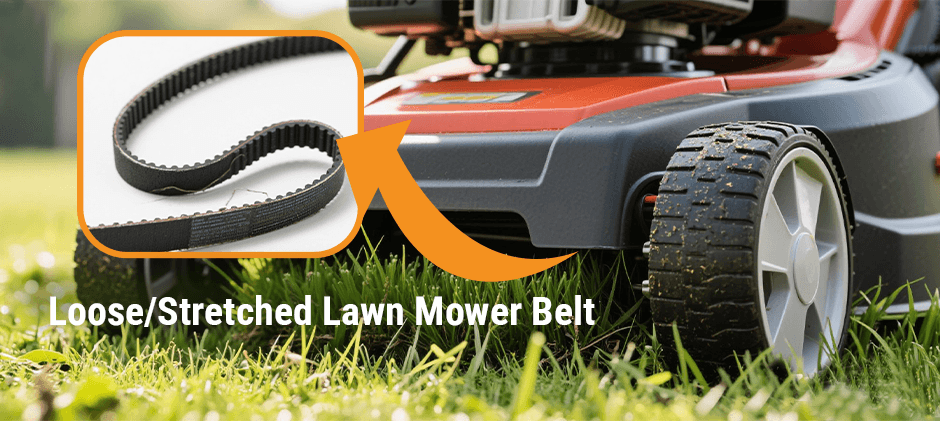
Credit: www.fridayparts.com
Signs Of A Stretched Belt
A lawn mower belt plays a crucial role in the machine’s operation. It connects the engine to the blade, ensuring smooth functionality. Over time, belts may stretch due to wear and tear. Recognizing the signs of a stretched belt can prevent further damage to your mower.
One common sign is a slack appearance. The belt may look loose around pulleys. This slackness reduces tension, affecting performance.
Poor Cutting Performance
A stretched belt often leads to uneven grass cutting. You might notice patches of uncut grass. This occurs because the blade spins less efficiently.
Unusual Noises
Unusual noises can indicate belt issues. Listen for screeching or squealing sounds during operation. These noises suggest the belt is slipping.
Slow Blade Speed
If the blade seems slower than usual, check the belt. Reduced speed can be a direct result of stretching. This impacts how effectively the mower cuts the grass.
Visible Wear And Tear
Inspect the belt for visible signs of wear. Look for cracks, fraying, or thinning areas. These signs indicate the belt may need replacement soon.
Frequent Belt Adjustments
Frequent adjustments to maintain tension are a red flag. Constantly tightening the belt suggests it’s losing its elasticity. Regular adjustments point to potential stretching.
Recognizing these signs can save you time and money. Addressing a stretched belt early prevents bigger issues down the road.
Preventing Belt Stretch
Preventing belt stretch in lawn mowers is crucial for maintenance. A stretched belt can lead to poor performance and costly repairs. Understanding how to prevent this issue will save time and money. Regular maintenance and proper usage are key. Let’s explore some effective strategies.
1. Regularly Inspect The Belt
Inspect the belt regularly for signs of wear. Look for cracks, fraying, or other damage. Early detection can prevent further stretching. Replace the belt if any damage is found. This keeps the mower running smoothly.
2. Ensure Proper Belt Tension
Proper belt tension is vital to prevent stretching. A loose belt can slip and wear out faster. Adjust the tension according to the manufacturer’s guidelines. This ensures optimal performance and longevity.
3. Clean The Mower Deck
Grass and debris can accumulate on the mower deck. This buildup can cause the belt to stretch. Clean the deck after each use to prevent this issue. A clean deck ensures the belt operates smoothly.
4. Use The Right Belt Size
Using the correct belt size is essential. An incorrect size can cause unnecessary strain. Always refer to the mower’s manual for the right size. This ensures the belt fits properly and functions well.
5. Avoid Overloading The Mower
Overloading the mower puts extra stress on the belt. Mow at a steady pace and avoid thick, wet grass. This reduces the risk of stretching the belt. Proper mowing practices enhance the mower’s efficiency.
6. Store The Mower Properly
Proper storage prevents unnecessary wear on the belt. Store the mower in a dry, covered area. Protect it from extreme temperatures and moisture. This prolongs the life of the belt.

Credit: www.amazon.com

Credit: www.amazon.com
Conclusion
A lawn mower belt can stretch over time. Regular checks help maintain efficiency. Replace it if you see signs of wear. A stretched belt can affect performance. It may cause the mower to stop. Keeping an eye on it ensures your mower works well.
Simple maintenance can save time and money. Be proactive and inspect your mower belt often. This keeps your lawn tidy and neat. Understanding belt care helps avoid mowing interruptions. Enjoy a smooth mowing season by addressing belt issues early. Your lawn deserves the best care.