
what is the difference between a sump pump and a transfer pump
A sump pump removes groundwater that collects in a basement sump pit, while a transfer pump moves water from one location to another. The confusion is understandable: both handle water, but their purposes diverge sharply. Sump pumps sit permanently in pits, quietly waiting for water to rise.
Transfer pumps get picked up only when you need to move water from point A to point B.
Understanding each pump's role saves you from costly mistakes. Pick the wrong one for your situation, and you're either fighting floods or hauling water by hand. Let's break down what sets them apart and when each one earns its place in your toolkit.
what is the difference between a sump pump and a transfer pump
what is the difference between a sump pump and a transfer pump
A sump pump stays permanently installed in a sump pit. It removes groundwater that collects around your foundation. It runs automatically when water levels rise.
A transfer pump is portable and temporary. It moves water from one place to another. You connect hoses and move it as needed.
Think of it this way: a sump pump stops water from entering your basement. A transfer pump bails water out of it once it's already there.
Sump pumps handle continuous duty cycles. Transfer pumps handle intermittent, high-volume moves. That's the core difference that drives every other choice you'll make.
Key Differences: Features and Performance
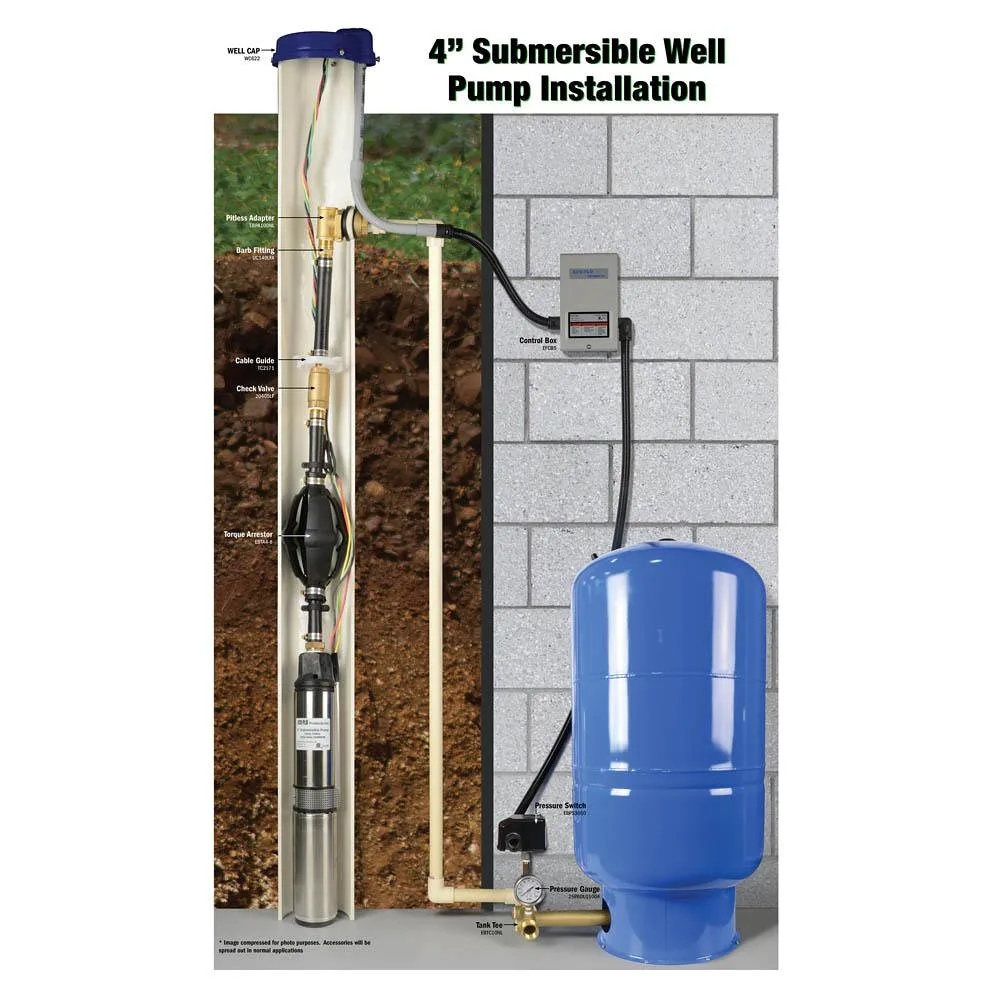
The fundamental split shows up in every specification. Sump pumps are built for endurance. They run daily, year-round, often unmaintained for years.
Transfer pumps are built for bursts of work. They get used hard, then sit idle for weeks or months.
Here's what that translates to in practice:
Construction and placement
Sump pumps mount permanently inside a dedicated pit below your basement floor. They're either submersible (fully underwater) or pedestal (motor above the pit). The unit never moves.
Sealed motors and thermal protection keep them running wet indefinitely.
Transfer pumps are portable. You lower them into place, connect hoses, and lift them out when done. Motors stay dry by design.
Running a transfer pump dry even briefly overheats the seals and burns out bearings.
Performance metrics that matter
Sump pumps prioritize flow volume at low head. They need to empty pits quickly during heavy rain. A typical residential unit moves 20 to 40 gallons per minute with a maximum head of 15 to 25 feet.
Transfer pumps prioritize pressure over volume. They push water uphill or across distances through narrow hoses. A 3/4-inch discharge on a transfer pump may only move 10 to 15 GPM, but it can maintain strong flow against 30 to 40 feet of head.
Power and controls
Every sump pump includes an automatic float switch. Water rises, the float lifts, the pump starts. No intervention required.
Many connect to battery backup systems for power outages.
Transfer pumps run manually via a standard on/off switch or trigger. This gives you full control over placement and timing. No automatic operation, which means you're present when it runs.
Failure modes
Sump pumps fail silently. A burnt-out motor in a pit goes unnoticed until water reaches your floorboards. That's why backup systems and regular testing matter.
Transfer pump failures are immediate and obvious. The motor dies, flow stops, you know right away. No hidden risks.
When to Use Which Pump
This decision hinges on whether you need prevention or reaction.
If water is actively coming in, install a sump pump
Basement flooding, seasonal high water tables, and poor drainage all call for permanent protection. A sump pump with a properly sized pit and discharge line keeps your foundation dry year-round. You want this working whether you're home or away.
Look for a 1/3 HP unit if you average minimal seepage. Upgrade to 1/2 HP or higher for high-water-table areas or homes with multiple sumps. All installation should follow National Electrical Code grounding requirements for safety.
If water is already somewhere it shouldn't be, grab a transfer pump
Utility sinks backing up, flooded garages, pooled water after storms, or moving water between containers all fit the transfer pump use case. You need mobility, quick connections, and the ability to run the pump only when water exists.
Most residential transfer pumps range from 1/2 HP to 2 HP. Flow rates vary from 15 GPM at high head to 60 GPM at low head. Hose connections typically use 1 to 1½ inch threaded fittings.
Hybrid scenarios
Some homeowners use both. A sump pump handles daily groundwater. A transfer pump sits ready for emergency dewatering during extreme flooding or power outages.
This dual approach covers both prevention and reaction.
Who should avoid each option
Sump pumps make no sense for temporary water problems or locations without a permanent pit. Installing one in a rental property you plan to leave soon rarely pays off.
Transfer pumps can't replace sump pumps for continuous basement protection. Leaving one running unattended risks burnout. They also can't handle solids, so any debris in the water requires pre-filtering.
Common Mistakes and How to Avoid Them
Installing the wrong pump type
This is by far the most common error. Homeowners facing basement water try to solve it with a portable transfer pump. It works for a few hours, then fails.
Or they overspend on a sump pump system for a one-time cleanup job.
The fix is honest assessment of your water problem. Is it recurring and predictable? You need a sump pump.
Is it a one-off emergency or portable job? You need a transfer pump.
Sizing mismatches
Oversizing a sump pump wastes electricity and wears components faster through short cycling. Undersizing leaves water backing up faster than the pump can handle it.
The ASHRAE guidelines for residential dewatering recommend sizing pumps to handle 110% of your worst-case inflow rate. That means knowing your sump pit's volume at peak water levels.
Plumbing and discharge errors
Connecting a sump pump to indoor plumbing without proper check valves causes backflow that can drain your entire pit back into the basement. Routing discharge too close to your foundation simply dumps water where it started.
Transfer pumps connected to undersized hoses lose pressure and move less water than rated. A 1½ inch discharge hose on a high-head transfer pump may reduce effective flow by 40%.
Maintenance neglect
Sump pumps need quarterly testing minimum. A float switch that sticks in the "on" position burns out the motor. One that sticks in the "off" position floods your basement.
Transfer pumps need less frequent attention but still require seal inspection. Mineral buildup in garden hose threads can seal poorly, causing leaks during operation.
Frequently Asked Questions
Can a transfer pump replace a sump pump?
No. Transfer pumps are not automatic and cannot run continuously. They require manual operation and supervision.
Using one as a permanent basement solution risks motor failure from running dry and provides no backup during power outages.
How much does a sump pump cost to install?
Basic sump pump installation ranges from $500 to $1,500 depending on pit depth and local labor rates. The pump itself costs $100 to $400. Additional components like check valves, discharge piping, and battery backup systems add $200 to $600.
What size transfer pump do I need for flooding?
For residential basement flooding, choose a transfer pump rated for at least 20 GPM at your required head height. Measure the vertical distance from the water surface to the discharge point. Add 10 feet for every 100 feet of horizontal hose run.
Do transfer pumps handle debris?
Most transfer pumps cannot handle solids larger than 1/8 inch. Debris like leaves, dirt, or mulmings require pre-filtering through a mesh bag or strainer. Some utility pumps with larger impellers can manage small solids.
How often should I test my sump pump?
Test your sump pump monthly by pouring water into the pit until the float switch activates. Listen for smooth startup. Check that the discharge flows freely away from your foundation.
Replace backup batteries every two to three years.
Can I run a sump pump on a standard extension cord?
Never. Sump pumps draw high startup current that overheats standard extension cords. This creates a fire hazard and voltage drop that prevents proper motor operation.
Always hard-wire sump pumps to a dedicated circuit.