
Figuring out if it is worth repairing a sump pump usually comes down to age and repair cost. Most units over seven years old should be replaced rather than fixed. Younger pumps with simple external failures are often good candidates for repair.
Manufacturer specifications indicate average lifespans between seven and ten years for residential models. We use this baseline plus current 2026 pricing to build a practical decision framework. Let’s walk through the diagnostic steps that determine your best path forward.
Is It Worth Repairing a Sump Pump
It is worth repairing if the unit is under seven years old. Simple fixes like float switches justify the expense. Motor burnout always requires full replacement.
Repair costs exceeding half of new installation warrant replacement. Age remains the primary deciding factor for most homeowners.
Quick Diagnostic Checks Before You Decide
Start by identifying the exact failure point before spending any money. Unplug the pump and check the electrical safety basics around your GFCI outlet first. A tripped breaker or faulty outlet mimics pump failure perfectly.
Reset the GFCI and test again before assuming mechanical issues exist.
Next, manually lift the float switch to verify activation. If the motor hums but nothing moves, the impeller is likely clogged. Debris jams are common in pits without proper covers.
Cleaning the intake screen costs nothing but time. This free check eliminates many false failure diagnoses.
Listen carefully when power is restored to the unit. Continuous running without water movement suggests an airlock or broken check valve. Intermittent clicking points toward switch problems instead.
These auditory clues narrow your troubleshooting significantly. Accurate diagnosis prevents unnecessary parts purchases or service calls.
When to Repair: Fixable Failures Under $200
External components fail far more often than sealed motors. Replacing a stuck float switch typically runs under one hundred dollars. Universal switches work across most pedestal and submersible models.
This single part resolves roughly thirty percent of all service calls.
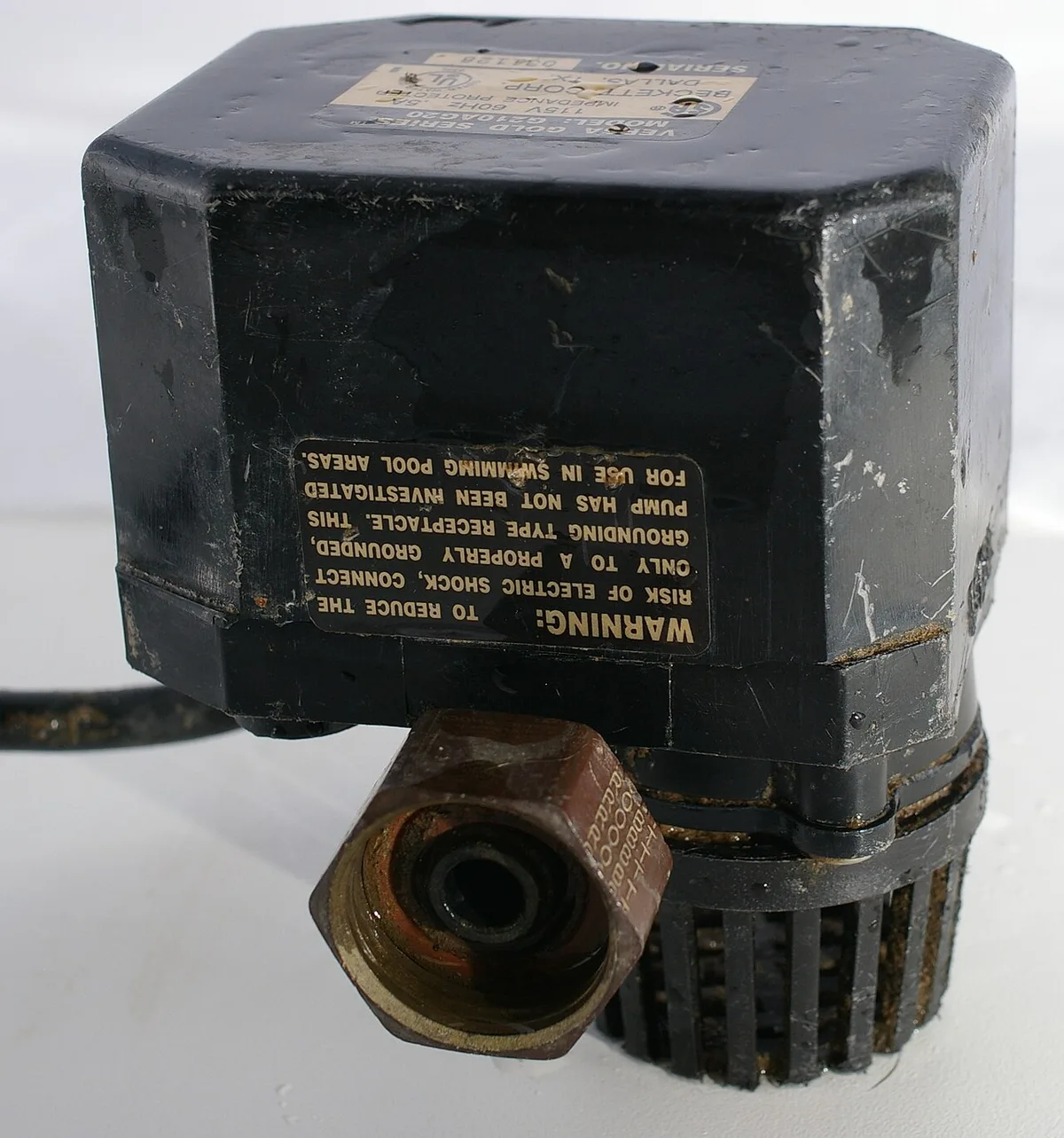
Image source: Wikimedia Commons / Hustvedt (CC BY-SA)
Check valves also wear out independently of the pump itself. A failed valve causes rapid cycling and premature motor strain. Replacement involves basic PVC work and costs about fifty dollars in materials.
This fix extends pump life substantially when caught early. Proper valve orientation matters during reinstallation.
Clogged weep holes create airlocks that stop water flow entirely. Clearing this small vent hole takes minutes with a wire. No parts or professional help needed for this issue.
Frozen discharge lines cause similar symptoms in winter climates. Always rule out these simple blockages before condemning the entire unit.
Capacitor failures present another affordable repair opportunity. Start capacitors give motors their initial torque boost. Testing requires a multimeter set to capacitance mode.
Replacement parts cost twenty to forty dollars as of 2026. This beats replacing a perfectly functional motor assembly.
When to Replace: Age, Motor Burnout, and the 50% Rule
Sealed motor windings cannot be serviced by homeowners. Burned motors produce distinct burning smells or trip breakers instantly. Multimeter resistance tests confirm open circuits in windings.
Any confirmed motor failure means complete pump replacement. Labor to swap internal motors exceeds new unit costs.
Age thresholds matter even when repairs seem technically possible. Units past the seven-year mark have diminished remaining lifespan. Investing two hundred dollars into an eight-year-old pump rarely pays off.
New mid-range submersible pumps cost four hundred to six hundred dollars installed. The math favors replacement in most aging scenarios.
Apply the fifty percent rule strictly to every estimate. If repair quotes exceed half of full replacement cost, replace immediately. This threshold accounts for hidden wear in older assemblies.
Bearings and seals degrade alongside whatever failed visibly. Paying premium prices for partial fixes wastes budget.
Consider upgrading during replacement rather than matching old specs. Battery backups add critical protection during power outages. Higher horsepower models handle unexpected water volume better.
Cast iron housings outlast thermoplastic in demanding applications. Your next pump should address current weaknesses proactively.
| Failure Type | Typical Repair Cost | Replacement Threshold |
|---|---|---|
| Float Switch | $75 to $120 | Rarely triggers replacement |
| Check Valve | $40 to $80 | Only if pump exceeds 8 years |
| Capacitor | $20 to $60 | Never triggers replacement alone |
| Motor Windings | Not repairable | Always requires new pump |
| Clogged Impeller | Free to $50 | Clean before considering replacement |
Sump Pump Repair vs. Replacement FAQs
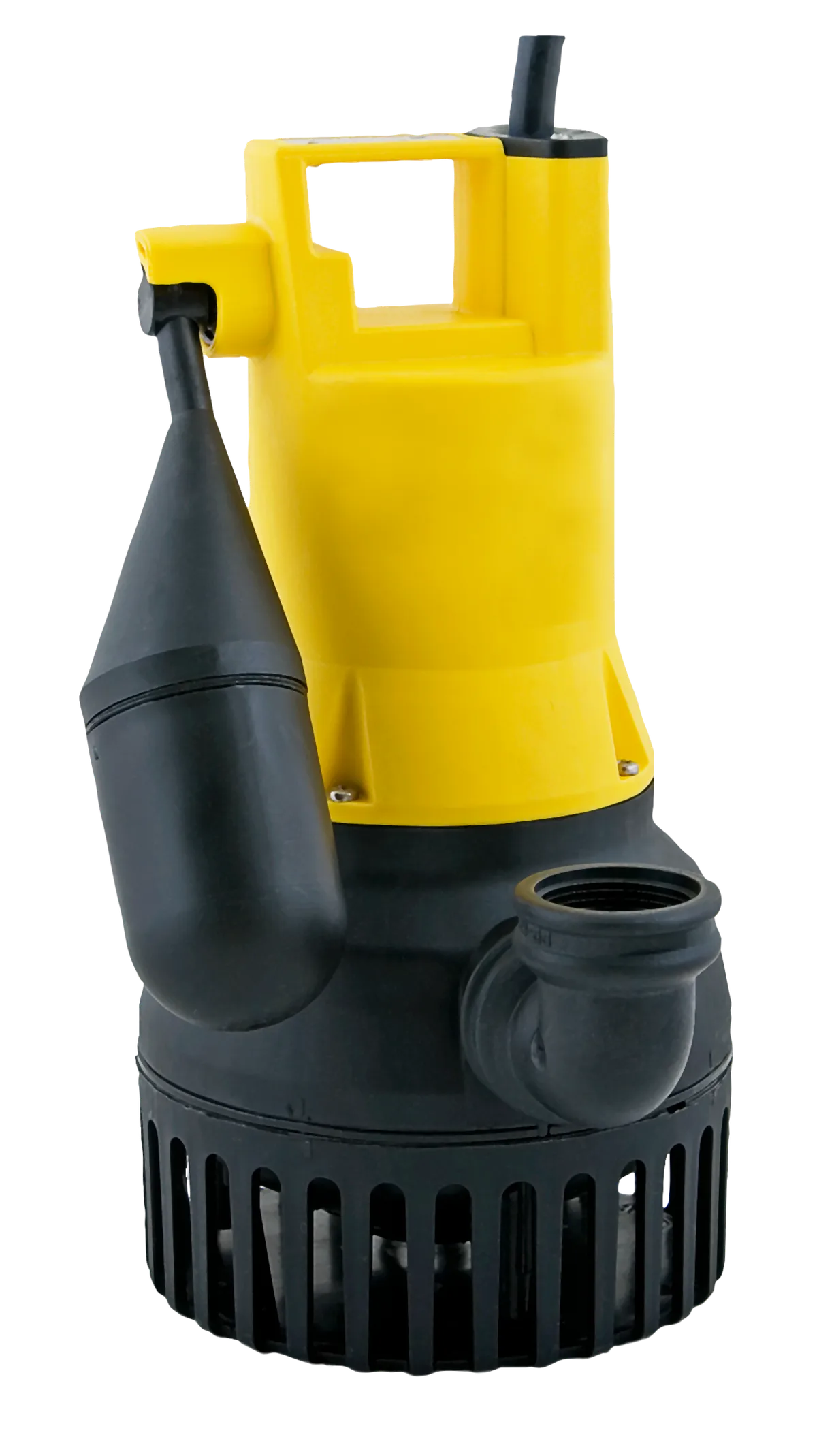
Image source: Wikimedia Commons / PumpExpert (CC BY-SA)
How long do residential sump pumps typically last?
Most residential sump pumps operate reliably for seven to ten years. Cast iron models sometimes reach fifteen years with maintenance. Thermoplastic units average closer to seven years total.
Usage frequency and water quality affect individual lifespan significantly. Track your installation date for accurate age assessment.
Can I replace just the float switch myself?
Yes, float switch replacement is a straightforward DIY task. Unplug power completely before touching any components. Universal switches include adjustable mounting brackets for compatibility.
Test the new switch manually before reassembling everything. This repair saves substantial labor costs versus professional service.
Does home insurance cover sump pump failure damage?
Standard policies exclude mechanical breakdown but may cover resulting water damage. Specific equipment failure endorsements add direct pump coverage. Review your policy declarations page for exact terms.
Document maintenance records to support potential claims. Prevention through timely replacement reduces claim denials.
What size replacement pump do I actually need?
Match your existing pump’s horsepower and head height specifications. Undersized replacements fail during heavy inflow events. Oversized units short cycle and wear prematurely.
Measure vertical lift distance from pit bottom to discharge point. Consult manufacturer flow charts for accurate sizing guidance.