
Figuring out when to repair versus replace a sump pump usually comes down to age and repair cost. Most units fail between seven and ten years, so spending heavily on an old motor rarely pays off. You need a clear threshold before water starts rising in your basement.
Manufacturer specifications indicate submersible models typically last seven to ten years while pedestal pumps reach fifteen. We use these benchmarks alongside current 2026 service pricing to build a reliable decision framework. Let’s look at the numbers that actually matter for your situation.
When to Repair Versus Replace a Sump Pump
Repair when the pump is under seven years old and fixes cost less than half of replacement. Replace immediately if the unit exceeds ten years or has motor failure. Minor switch repairs are viable only on newer systems.
Always weigh flood risk against temporary savings.
The 50% Rule and Age Thresholds: When Repair Isn't Worth It
The 50% rule states you should replace the unit if repair costs exceed half the price of a new installation. This prevents throwing good money at failing equipment that will likely break again soon. Labor rates as of 2026 make this calculation even more critical for homeowners.
Age matters just as much as the repair quote. Submersible pumps have sealed motors that cannot be serviced internally once they burn out. Pedestal pumps allow motor swaps but often suffer from corroded shafts after a decade of use.
Calculating True Cost vs. Flood Risk
Flood damage averages tens of thousands of dollars according to FEMA mitigation guidelines. A $300 capacitor fix might seem cheap until you consider the pump is already nine years old. The real cost includes potential water damage during the next failure event.
We recommend treating any repair over $250 as a replacement trigger for units past their midpoint lifespan. New high-efficiency models also consume less electricity, offsetting some replacement expense over time. Don’t let sunk costs drive decisions about waterproofing your home.
Lifespan Benchmarks by Pump Type
| Pump Type | Average Lifespan | Repairable Components | Replacement Trigger |
|---|---|---|---|
| Submersible | 7–10 years | Switch, check valve, impeller | Motor burnout or seal leak |
| Pedestal | 10–15+ years | Motor, switch, float assembly | Corroded shaft or housing crack |
| Battery Backup | 3–5 years | Battery cells only | Failed load test |
| Water-Powered | 10–20 years | Diaphragm, valve kit | Municipal pressure loss |
These timelines assume normal cycling frequency and proper maintenance. Units in sandy soil or high-water-table areas may fail years earlier due to abrasive wear. Check your maintenance schedule to verify if neglect shortened your pump’s life.
Diagnostic Decision Tree: Fix, Replace, or Upgrade?
Start by identifying the exact symptom before opening the pit. Many apparent pump failures are actually electrical issues or clogged discharge lines. Misdiagnosis leads to unnecessary replacements or repeated service calls that waste your budget.
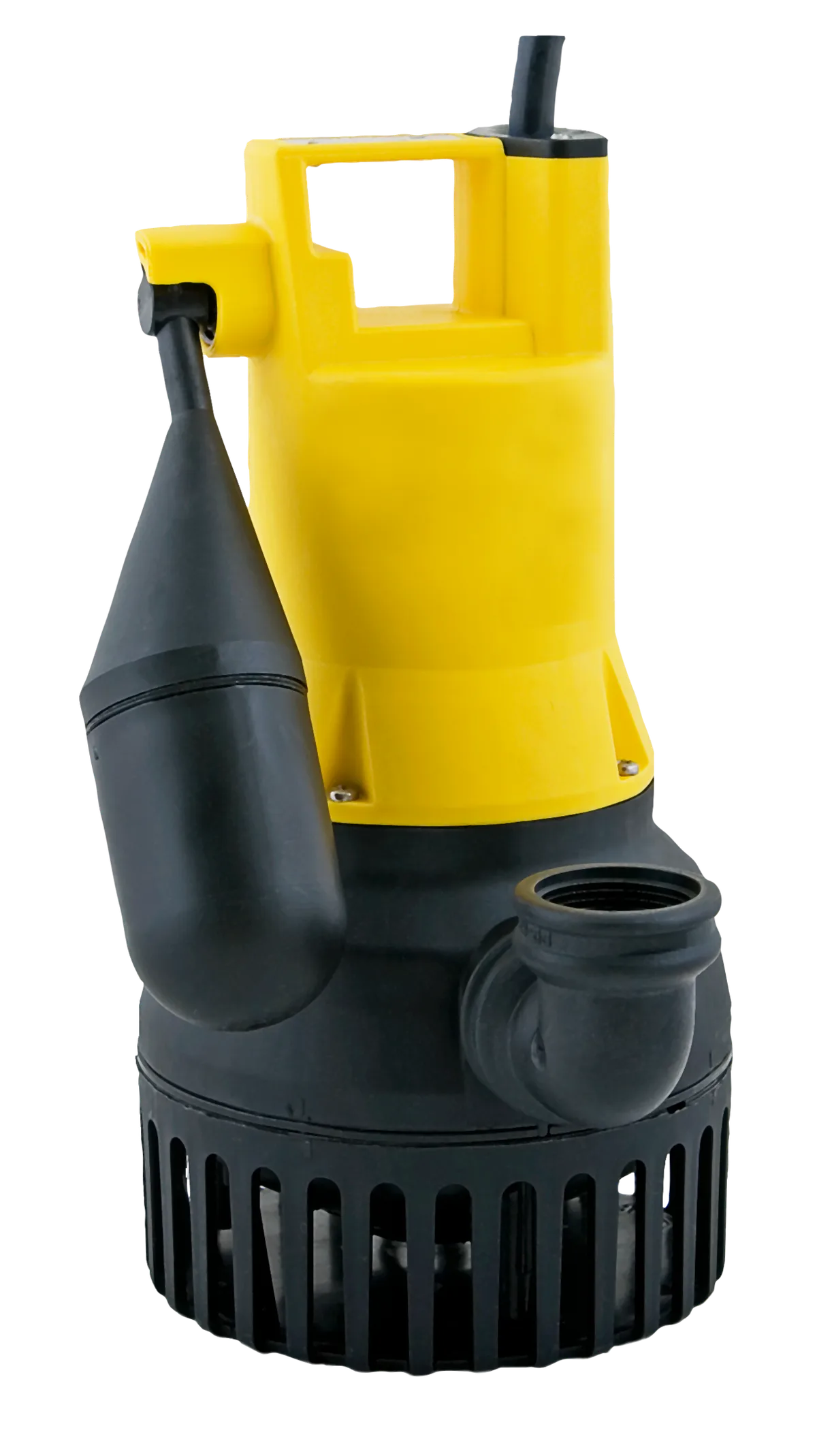
Image source: Wikimedia Commons / PumpExpert (CC BY-SA)
If the pump hums but doesn’t move water, check the impeller and check valve first. These are inexpensive fixes on younger units. If there’s no sound at all, test the GFCI outlet and float switch before condemning the motor.
Symptom-Based Troubleshooting Workflow
Short cycling usually indicates a stuck float or waterlogged switch rather than motor failure. Clean the pit debris and verify float travel before replacing parts. This simple step resolves many intermittent operation complaints without tools.
Loud grinding noises signal bearing wear or impeller damage in submersible units. Pedestal pumps with similar sounds often need shaft lubrication or alignment. Persistent noise after cleaning means internal components are worn beyond safe operation.
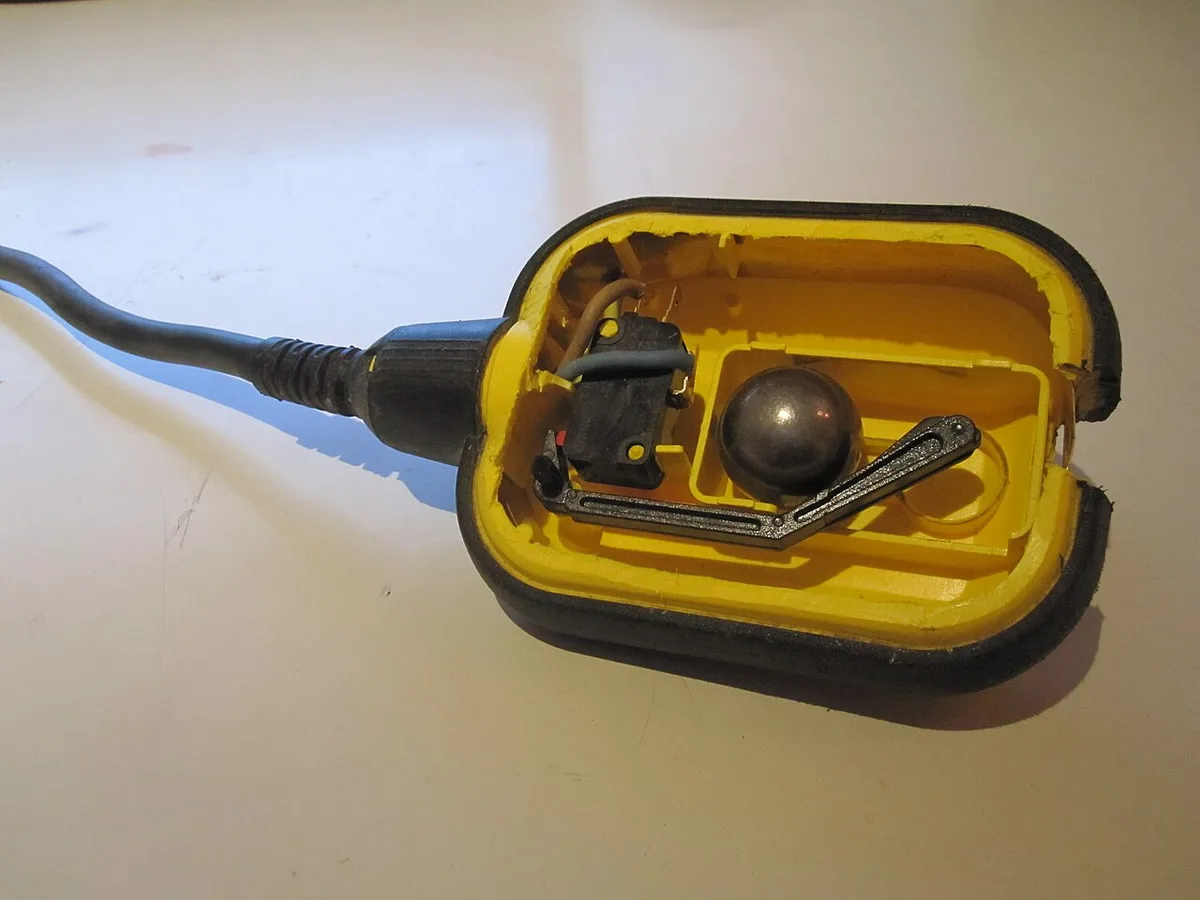
Image source: Wikimedia Commons / Martin Meise (CC BY)
Critical Failure Points That Demand Replacement
Seal leaks in submersible pumps allow water into the motor chamber, causing immediate catastrophic failure. There is no reliable repair for compromised seals in residential units. Any evidence of oil sheen in the pit requires full replacement.
Burnt windings produce a distinct acrid smell and tripped breakers. Multimeter testing confirms open circuits in the motor windings. This failure mode never warrants repair regardless of the pump’s age or original cost.
Repeated switch failures within twelve months suggest underlying electrical problems or excessive cycling. Replacing switches repeatedly masks bigger issues like undersized pumps or drainage failures. Address the root cause through system evaluation instead of endless patch jobs.
Hidden Costs and Safety Checks Before You Decide
Electrical safety must come before any diagnostic work in the sump pit. Water and electricity create lethal conditions that demand respect. Always shut off power at the breaker panel before touching the pump or wiring.
NEC Article 680 requires GFCI protection for sump pump outlets in most jurisdictions. Older homes may lack this protection, creating shock hazards during troubleshooting. Upgrading to code-compliant outlets adds cost but eliminates serious safety risks.
Electrical Compliance and Code Requirements
Dedicated circuits prevent nuisance tripping that could leave your basement unprotected. Sharing outlets with freezers or dehumidifiers violates modern electrical standards. Verify your setup meets current codes before deciding to repair existing wiring.
Ground fault protection devices degrade over time and may fail silently. Testing monthly ensures the safety system actually works when needed. A faulty GFCI can mask pump problems or create false failure diagnoses during troubleshooting.
Backup Systems and Discharge Line Realities
A primary pump decision should always consider backup readiness. If your current unit lacks battery backup integration, replacement offers a chance to add redundancy. Repairing an outdated system delays inevitable upgrades that protect finished basements.
Frozen discharge pipes cause backups that mimic pump failure. Inspect exterior piping insulation and burial depth before blaming the pump. Correcting freeze issues during replacement prevents future emergency calls in winter months.
Check valve orientation affects both performance and longevity. Installing silent spring-loaded valves reduces water hammer stress on new pumps. This small upgrade during replacement extends system life significantly compared to reusing old swing valves.
Sump Pump Repair vs. Replace FAQs
How do I know if my sump pump capacitor is bad?
A bad capacitor causes humming without rotation or slow startup. Testing requires a multimeter set to capacitance mode after discharging safely. Replacement costs under $50 make this a viable repair for pumps under eight years old.
Older units should be replaced instead.
Is it worth replacing just the float switch?
Float switch replacement makes sense only on pumps younger than seven years. Switches cost $30 to $60 and take thirty minutes to install. Beyond that age, switch failure often signals broader wear.
Budget for full replacement to avoid repeat failures.
Can a sump pump be repaired if the motor burns out?
Submersible pump motors are sealed units that cannot be rewired economically. Replacement is the only option when windings fail. Pedestal pumps sometimes allow motor swaps, but labor often approaches new unit cost.
Always compare quotes before committing to motor repair.
What causes a sump pump to fail prematurely?
Abrasive sediment, frequent cycling, and dry running destroy pumps early. Improper sizing forces excessive runtime that wears bearings faster. Electrical surges without surge protection also shorten lifespan.
Regular pit cleaning and proper sizing prevent most premature failures.