
Knowing how to maintain a retractable tonneau cover prevents sticking and extends its service life significantly. Most owners overlook simple cleaning steps that keep the mechanism running smoothly for years.
Manufacturer specifications indicate quarterly lubrication preserves seal integrity and track function as of 2026. Getting the right products matters more than frequency alone. Let’s break down exactly what your specific cover type needs.
how to maintain a retractable tonneau cover
Maintain your cover by cleaning tracks monthly with automotive soap. Lubricate seals with silicone spray every three months. Clear drain tubes quarterly to prevent water damage.
Inspect latch cables for fraying during each service. Avoid petroleum solvents that degrade rubber components permanently.
The Right Lube and Cleaner for Your Cover Type
Your cover material dictates which chemicals are safe for long-term use. Using the wrong product causes irreversible damage to seals or tracks. Vinyl covers need UV-resistant rubber protectants to prevent cracking.
Aluminum slat models require dry PTFE spray instead of wet lubricants.
Petroleum-based solvents like standard WD-40 destroy rubber bulb seals over time. These chemicals strip protective coatings and cause premature failure. Always verify product compatibility before applying anything to your truck bed cover.
Manufacturer warranty terms often exclude damage from unauthorized chemical use.
| Cover Material | Safe Lubricant | Cleaner Type | Avoid Completely |
|---|---|---|---|
| Vinyl Panel | Silicone Spray | Mild Automotive Soap | Petroleum Solvents |
| Aluminum Slat | Dry PTFE Spray | Non-Abrasive Wash | Wet Grease, Oil |
| Hybrid Design | Silicone on Seals Only | Soft Brush + Soap | Wax-Based Products |
Dry lubricants resist dust accumulation in desert or job-site environments. Wet greases attract grit that grinds down ball-bearing rollers. This distinction matters most for daily drivers exposed to road debris.
Choosing correctly prevents costly track replacements down the line.
Step-by-Step Maintenance Workflow by Symptom
Diagnose the issue first before applying any maintenance treatment. Different symptoms point to distinct underlying problems requiring specific fixes. A binding cover needs track alignment checks rather than extra lubrication.
Slow retraction usually indicates spring tension issues or canister debris.
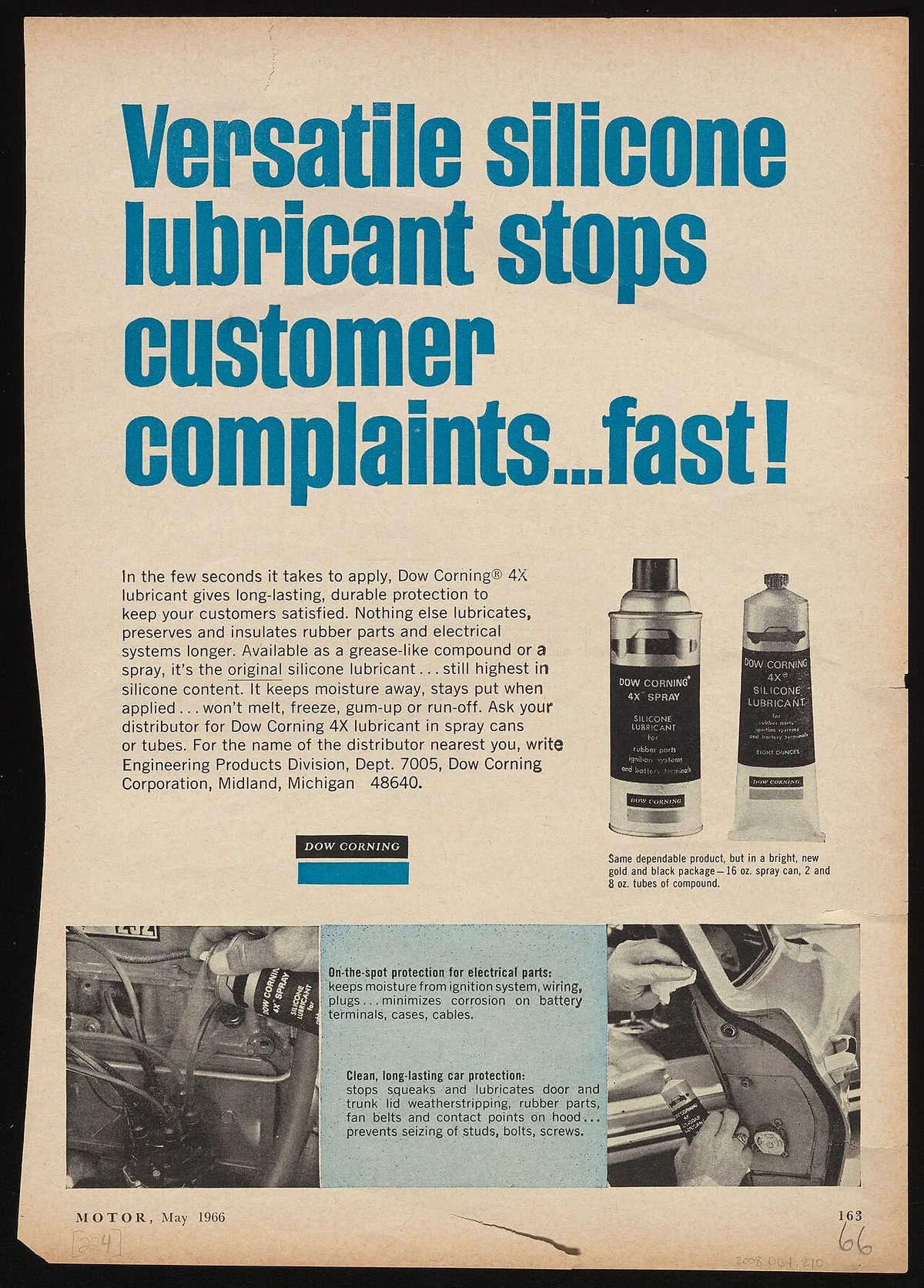
Image source: Wikimedia Commons / Dow Corning Corporation
Start by removing loose debris from side rail tracks with compressed air. Test drain tube flow by pouring water into each corner channel. Clogged drains cause bed leaks even when seals appear intact.
Clear blockages with flexible wire or low-pressure water flushing.
Apply lubricant only to manufacturer-specified points after cleaning. Over-spraying attracts dirt that accelerates wear on moving parts. Wipe excess product immediately with a clean microfiber towel.
Cycle the cover fully three times to distribute lubricant evenly.
Water pooling inside the canister signals drainage system failure. Check hose connections at bulkhead fittings for cracks or disconnection. Replace damaged tubing before moisture damages internal recoil mechanisms.
This repair prevents expensive motor or spring assembly replacement later.
Squeaking noises typically mean metal-on-metal contact in roller bearings. Inspect bearing housings for visible wear or missing grease caps. Replacing worn rollers restores quiet operation better than adding more lube.
For electric models, disconnect the battery before servicing mechanical components.
Critical Mistakes That Void Warranties and Damage Seals
Forcing a stuck cover risks snapping tension springs or bending rails. Stop immediately if resistance feels abnormal during operation. Consult professional service for mechanical failures beyond basic cleaning.
Warranty coverage excludes damage from improper force application.
Pressure washers directed at seals tear vinyl and dislodge weatherstripping. High-pressure water forces moisture past protective barriers into mechanisms. Use garden hose pressure only when rinsing after washing.
Gentle cleaning preserves waterproofing far longer than aggressive methods.
Ignoring seasonal adjustments leads to freezing or heat expansion damage. Winter climates require antifreeze-safe lubricants rated below zero degrees. Summer heat expands vinyl panels needing adjusted track clearance settings.
Adapting maintenance to your regional climate prevents predictable failures.
Skipping regular inspections allows small problems to become major repairs. Monthly visual checks catch fraying cables before they snap completely. Early detection saves hundreds in emergency roadside assistance costs.
Consistent care beats reactive fixes every single time.
Using household cleaners strips factory-applied UV protection coatings. Dish soaps contain degreasers designed to remove protective films. Stick to pH-neutral automotive washes formulated for exterior trim.
Preserving original coatings maintains resale value alongside functionality.
Frequently Asked Questions About Retractable Cover Care
How often should I lubricate my tonneau cover?
Lubricate seals and tracks every three months under normal conditions. Monthly application suits dusty job sites or frequent off-road use. Reduce frequency to twice yearly for garage-kept trucks.
Follow manufacturer intervals specified in your owner’s manual for warranty compliance.
Can I use WD-40 on retractable cover tracks?
Standard WD-40 contains petroleum solvents harmful to rubber seals. Use only silicone-based or dry PTFE lubricants approved for automotive rubber. Some brands offer specialized tonneau sprays without damaging additives.
Check product labels carefully before applying to any component.
Why does my cover leak after cleaning?
Clogged drain tubes commonly cause post-wash leaking. Debris blocks water evacuation channels during cleaning cycles. Flush all four drain ports with water to restore flow.
Verify seal seating hasn’t shifted during maintenance activities.
Do electric retractable covers need special maintenance?
Electric models require identical track and seal care as manual versions. Additionally inspect wiring harnesses for chafing near hinge points. Disconnect batteries before lubricating to prevent accidental activation.
Motor assemblies typically need no user service beyond keeping vents clear.