
Figuring out how to remove a tonneau cover by yourself starts with identifying your specific mounting hardware. Most solo removals fail because owners force components without understanding the release mechanism first.
Manufacturer specifications indicate typical clamp bolt sizes are M6 or M8 with 10 to 15 ft-lbs torque limits. Knowing these specs prevents stripped threads and makes the physical workflow significantly safer for one person.
how to remove a tonneau cover by yourself
Identify your cover type and mounting system first. Release all tensioners and unhook bungee cords completely. Loosen C-clamps or J-hooks using the correct socket size.
Lift the assembly straight up to avoid scratching paint. Bag hardware immediately to prevent loss during storage.
Identify Your Cover Type and Mounting System First
Your removal strategy depends entirely on the cover style and attachment method. Soft roll-up covers use tension bows and Velcro strips that require careful peeling. Tri-fold models have hinged panels with gas struts that store significant kinetic energy.
Retractable units sit in a canister at the front of the bed and connect via drainage tubes. One-piece hard lids are single heavy shells that often exceed safe solo lifting limits.
Mounting systems fall into three distinct categories that dictate tool selection. Clamp-on systems use C-clamps or J-hooks that grip the bed rail without drilling. Rail-mounted setups slide into dedicated tracks and secure with set screws.
Bolt-on installations require removing nuts from underneath the rail cap. If you cannot identify the hardware, check for brand markings on the latch or underside before applying force. This identification step mirrors diagnostic troubleshooting where verifying the model prevents unnecessary damage.
Essential Tools and Prep Before You Touch a Single Bolt
Gather these items before starting to avoid mid-job trips to the toolbox.
| Tool | Purpose |
|---|---|
| Socket set (8mm, 10mm, 13mm) | Loosening clamp bolts safely |
| Hex key / Allen wrench set | Releasing set screws on rails |
| Plastic trim removal tool | Prying clips without scratching paint |
| Penetrating oil | Freeing seized or rusted fasteners |
| Ziplock bags and marker | Labeling and storing small hardware |
Clear the truck bed completely and lower the tailgate to create workspace. Apply penetrating oil to any corroded bolts and let it dwell for fifteen minutes minimum. This preparation prevents the frustration of stripped fasteners that turn simple jobs into nightmares.
Step-by-Step Removal Workflow by Cover Style
Soft covers require releasing lateral tension before touching clamps. Unhook bungee cords at the rear corners first to relieve pressure on the bow system. Peel back Velcro strips slowly to avoid tearing degraded adhesive.
Roll the cover toward the cab and secure it with the integrated strap. Only then should you loosen the four to six C-clamps holding the frame to the bed rails.
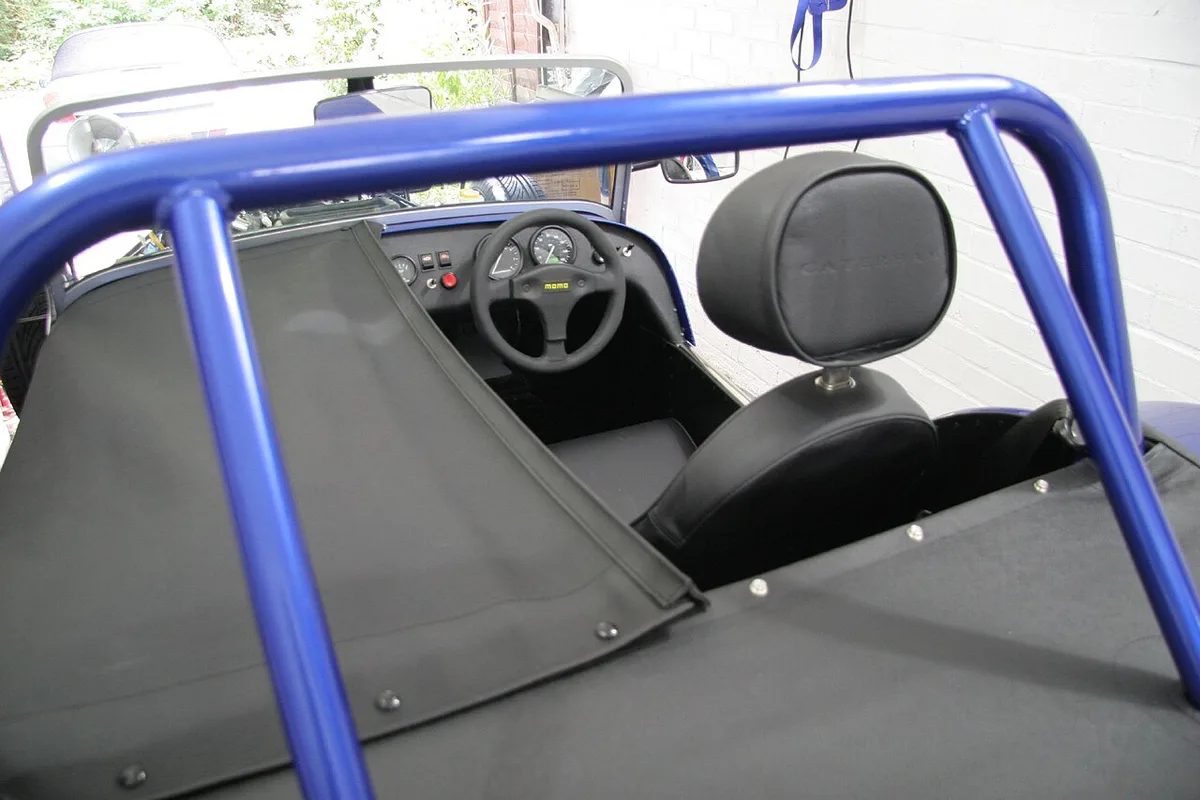
Image source: Wikimedia Commons / Brian Snelson from Hockley, Essex, England (CC BY)
Folding covers demand respect for gas strut tension. Open all panels fully and support them with a prop rod or helper if possible. Locate the quick-release latches at each hinge point and disengage them systematically.
Never place fingers near pinch points while folding panels down. Disconnect drainage tubes gently before lifting the entire assembly off the rails. Understanding mechanical resistance here is similar to interpreting mechanical fault codes where forcing components causes breakage.
Retractable covers and hard lids present unique solo challenges. Disconnect the canister from the bulkhead brackets after removing the access panel. Cap drainage tube ports immediately to prevent debris ingress.
For one-piece lids weighing over eighty pounds, use a padded sawhorse or foam blocks as intermediate support points. Lift using leg muscles rather than back strain. If the unit feels unstable at any point, stop and recruit assistance rather than risking injury or paint damage.
Avoiding Stripped Bolts, Paint Damage, and Lost Hardware
Seized clamp bolts are the most common failure point during solo removal. Apply penetrating oil generously and allow adequate dwell time before attempting to turn. Use a six-point socket instead of twelve-point to maximize contact surface area.
If the bolt head begins to round, stop immediately and apply heat or additional solvent. Forcing a stuck fastener destroys the mounting point and complicates future installations. This patience mirrors resolving persistent error states where brute force worsens the underlying issue.
Protecting bed rails requires deliberate tool choices and technique. Always use plastic trim tools instead of metal screwdrivers for prying tasks. Place microfiber cloth between clamps and painted surfaces during loosening.
Support the cover weight with your free hand while turning bolts to prevent sudden drops. Inspect weatherstripping condition as you work since damaged seals cause leaks later. These precautions preserve resale value and prevent costly body shop visits.
Organizing hardware prevents reinstallation headaches weeks later. Use separate labeled bags for driver-side and passenger-side components. Photograph bracket orientation before removal to capture spacer placement.
Note torque specifications if printed on hardware or available in manuals. Store fasteners in a sealed container away from moisture and temperature extremes. This systematic approach saves hours of confusion when you eventually reinstall or sell the cover.
Frequently Asked Questions About Solo Tonneau Removal
Can I remove a one-piece hard lid alone safely?
Most one-piece lids weigh over eighty pounds and exceed safe solo lifting capacity. Manufacturer guidelines typically recommend two people for hard shell removal. Use padded supports as intermediate rest points if attempting alone.
Stop immediately if the cover shifts unexpectedly during the lift. Injury risk outweighs the convenience of working solo.
What do I do if clamp bolts are completely seized?
Apply penetrating oil and wait at least thirty minutes before retrying. Alternate between tightening slightly and loosening to break corrosion bonds. Use a six-point impact socket with gentle hammer taps if space allows.
As a last resort, carefully cut the bolt with an oscillating multi-tool. Replace destroyed hardware with OEM-spec fasteners before reinstalling.
Should I remove bed rails when taking off the cover?
Leave rails installed if you plan to reinstall the same cover model later. Removing rails adds significant labor and risks damaging bed caps. Take rails off only when switching to a different mounting system or selling the truck.
Clean exposed rail channels thoroughly to prevent trapped moisture corrosion. Store removed rails flat to prevent warping during long-term storage.
How long does typical solo removal take?
Expect twenty to forty-five minutes for soft or folding covers in good condition. Retractable systems may require sixty minutes due to canister complexity. Rusted hardware or missing instructions can double this timeframe significantly.
Rushing increases damage risk and extends total project time through repairs. Budget extra time for unexpected complications rather than forcing progress.