
Not every LG refrigerator uses a linear compressor, but understanding which models do — and why it matters — can save you hundreds on energy bills and extend your appliance's lifespan by years. LG's linear compressor technology is a significant leap from traditional rotary compressors, offering quieter operation and superior temperature control. However, the feature is not standard across all models, especially budget-friendly or older appliances.
Before purchasing your next LG refrigerator, learn how to identify linear compressor models and decide whether the investment justifies the benefits. For those troubleshooting cooling issues, knowing whether your unit has a linear compressor is essential, as the diagnosis and repair process differs significantly from conventional systems. For more on this, see our guide on top 7 best all in one washer dryer.
What Is a Linear Compressor?
LG's linear compressor replaces the traditional rotary compressor found in most refrigerators. Instead of rotating a motor to compress refrigerant, the linear compressor moves a piston linearly — back and forth — driven by an electromagnetic coil. This design eliminates several mechanical components, including gears, belts, and crankshafts.
Traditional vs. Linear Compressors
| Feature | Traditional Compressor | Linear Compressor |
|---|---|---|
| Motion | Rotary | Linear |
| Moving Parts | Multiple | Single piston |
| Noise Level | Higher | Lower |
| Energy Use | Standard | Up to 32% less |
| Precision | Moderate | High |
Benefits of Linear Compressors
- Energy Efficiency: LG claims linear compressors reduce energy consumption by up to 32% compared to conventional models, translating to meaningful savings on utility bills.
- Quieter Operation: Without gears and multiple moving parts, these compressors operate significantly quieter, ideal for open-concept kitchens or homes with living spaces nearby.
- Enhanced Temperature Control: The linear motion allows for precise adjustments, maintaining consistent temperatures that keep food fresher longer.
- Longer Lifespan: With fewer mechanical components, linear compressors experience less wear and tear, often lasting 10 to 15 years or more under proper conditions.
Types of LG Refrigerators
LG offers four primary refrigerator styles, though not all incorporate linear compressor technology:
French Door
LG's most popular configuration, featuring two upper doors for the fresh food section and a bottom freezer drawer. Many high-end LG French door models include linear compressors, though entry-level versions may not. For more on this, see our guide on top 7 best all natural soap for dry.
Side-by-Side
These models position fresh food and freezer compartments side by side, with the freezer typically on the right. While LG produces several side-by-side units, linear compressors appear primarily in premium variants.
Top Freezer
The freezer sits above the refrigerator section — a simple, cost-effective design common in budget-conscious offerings. Linear compressors are rarely found in these basic models.
Bottom Freezer
The refrigerator compartment occupies the top, with a freezer below. LG's bottom freezer collection often includes linear compressor options, particularly in mid- to high-tier models.
Do All LG Refrigerators Have Linear Compressors?
No — not all LG refrigerators use linear compressors. The technology appears predominantly in LG's premium lines, including newer InstaView models, smart Wi-Fi-enabled units, and select French door and side-by-side configurations. Budget models and older appliances frequently rely on traditional rotary compressors.
Identifying Models with Linear Compressors
Look for LG series names like InstaView, Linear Navigator, or Smart ThinQ — these often signal linear compressor integration. Additionally, examine product specifications on LG's official site or retailer listings for explicit mentions of "linear compressor" or "inverter linear compressor."
How to Verify Your Model
- Check Product Specifications: Visit LG's official refrigerator page and review the technical details for any mention of linear compressor technology.
- Review the User Manual: Search your model's manual for "linear compressor" or consult the compressor section in the specifications.
- Inspect the Compressor Label: Physical inspection reveals the compressor type — linear units are typically smaller and sleeker than rotary counterparts.
- Contact LG Support: Provide your model number to LG customer service for confirmation regarding compressor type.
Common LG Models Featuring Linear Compressors
| Model Series | Configuration | Approximate Price Range |
|---|---|---|
| InstaView Door-in-Door | French Door | $3,000–$5,000 |
| Linear Navigator | French Door | $2,500–$4,000 |
| Smart Wi-Fi Enabled | Various | $2,800–$4,500 |
| LFX Series | French Door | $3,200–$5,500 |
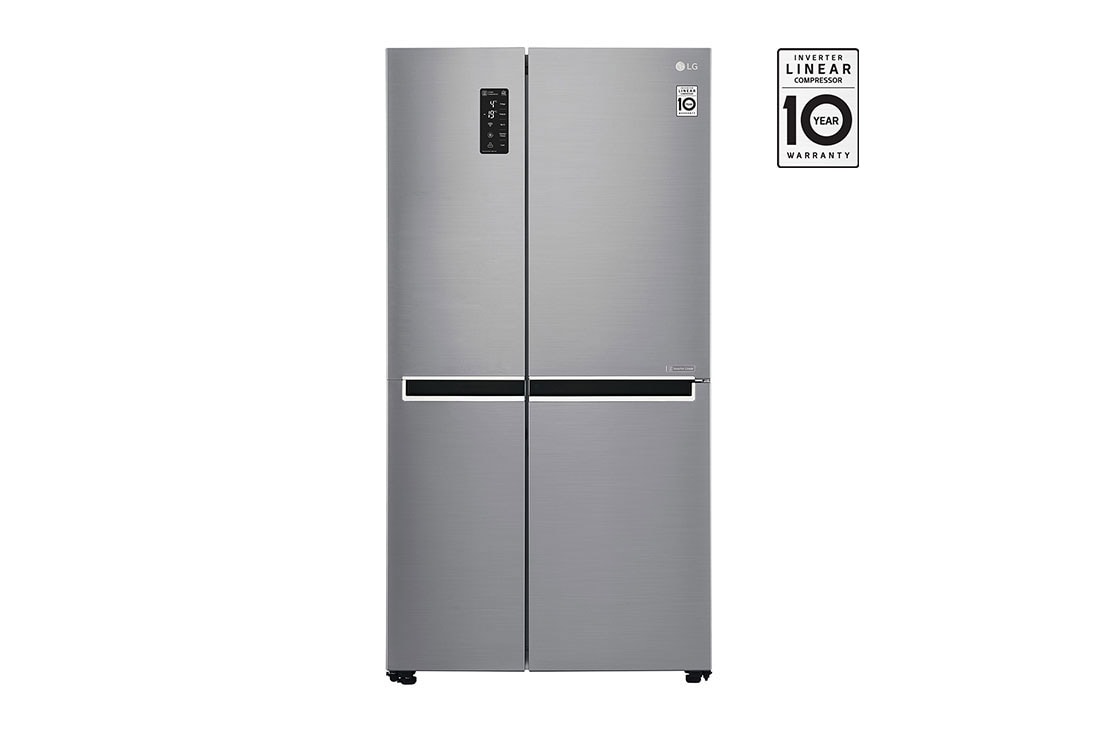
Image source: www.lg.com
This LG French door model showcases the sleek design typical of premium units equipped with linear compressor technology.
Why Choose a Refrigerator with a Linear Compressor?
Investing in an LG refrigerator with a linear compressor delivers long-term value beyond the initial purchase price. If you're comparing models and deciding between linear and traditional compressors, consider these factors:
Energy Savings
According to the U.S. Department of Energy, refrigerators account for approximately 15% of household energy consumption. A linear compressor's improved efficiency directly reduces this burden, potentially cutting cooling-related energy costs by 20–30% annually.
Reduced Noise in Living Spaces
For kitchens adjacent to bedrooms or open-concept areas, the quieter operation of linear compressors creates a more comfortable living environment. Traditional compressors cycle more frequently and loudly, disrupting conversations or relaxation.
Extended Warranty Coverage
Many LG linear compressor models include extended warranties — sometimes up to 10 years — reflecting the manufacturer's confidence in the technology's durability. Compare this to standard rotary compressors, which typically carry shorter warranty terms.
Superior Food Preservation
Consistent internal temperatures prevent the fluctuations that accelerate food spoilage. Linear compressors adjust cooling intensity precisely, preserving produce, dairy, and frozen items more effectively than traditional systems prone to temperature variance.
Considerations Before Purchasing
- Initial Cost: Linear compressor models command a premium, often $500–$1,500 more than comparable traditional units.
- Repair Complexity: While fewer moving parts reduce mechanical failure risk, linear compressor repairs require specialized technicians and can be costly.
- Availability: Limited service centers stock parts for linear compressors, potentially extending repair wait times.
LG Linear Compressor Reliability
LG introduced linear compressor technology in 2013, marking a shift toward more sustainable and efficient home appliances. Early iterations experienced some reliability concerns, with reports of premature failures and noise issues. However, LG has refined the technology through continuous improvements, incorporating enhanced damping systems and upgraded materials in newer models.
Current-generation linear compressors demonstrate markedly improved performance and longevity. Consumer feedback from 2023 and 2024 reflects greater satisfaction with newer models, though monitoring your specific model's performance and adhering to maintenance schedules remains crucial.
Maintenance Tips for Linear Compressors
Proper maintenance ensures optimal performance and extends your linear compressor's lifespan:
- Keep Condenser Coils Clean: Dust accumulation forces the compressor to work harder. Clean coils every three months using a vacuum or soft brush.
- Check Door Seals: Damaged seals allow warm air infiltration, increasing compressor workload. Test seals annually by closing the door on a dollar bill — if it slips out easily, replace the gasket.
- Maintain Proper Temperature Settings: Set your refrigerator between 37°F and 40°F and your freezer at 0°F for optimal efficiency.
- Avoid Overstuffing: Adequate airflow inside prevents hot spots and unnecessary compressor cycling.
- Schedule Annual Inspections: Professional servicing identifies potential issues before they escalate into major repairs.
Troubleshooting Common Linear Compressor Issues
If your linear compressor-equipped LG refrigerator isn't cooling properly, several factors could be at fault:
- Error Codes F100–F108: These indicate linear compressor malfunctions. Consult LG's comprehensive error code guide or contact LG support for model-specific instructions.
- Persistent Cycling: Continuous operation despite correct temperature settings suggests a faulty thermostat or blocked airflow.
- Unusual Noises: While linear compressors operate quietly, grinding or clicking sounds may indicate internal component wear requiring professional attention.
- Temperature Fluctuations: Inconsistent cooling often stems from sealed system issues or defective sensors.
In practice, linear compressor failures are uncommon but do occur, typically due to manufacturing defects or improper installation. Always verify your warranty coverage before authorizing repairs.
Frequently Asked Questions
What's the difference between a linear and traditional compressor?
The primary distinction lies in motion mechanics. Traditional compressors use rotational motion via motors, gears, and belts. Linear compressors move a piston directly in a straight line, eliminating intermediate components and reducing energy loss.
Are linear compressors worth the extra cost?
Yes, particularly for frequent users. Over a decade of operation, energy savings and reduced maintenance typically outweigh the upfront premium. Additionally, quieter operation and better food preservation offer intangible benefits.
How long do LG linear compressors last?
Manufacturers estimate 10–15 years, contingent on proper usage and maintenance. Some users report exceeding this timeline with diligent care, though individual results vary.
Can I get a warranty for a linear compressor?
LG provides standard warranties on linear compressors, often extending 5–10 years depending on the model. Verify coverage specifics in your product documentation or on LG's warranty page.
Do linear compressors need special maintenance?
Routine refrigerator maintenance suffices — cleaning condenser coils, checking door seals, and avoiding overloading. Specialized servicing isn't required beyond annual professional inspections.
Does LG still produce refrigerators without linear compressors?
Yes, LG continues offering traditional compressor models in budget segments. However, the company prioritizes linear compressor integration across its core lineup, gradually phasing out conventional systems.

Image source: www.ajmadison.com
A look inside an LG French door refrigerator with linear compressor technology, highlighting organized shelving and consistent cooling performance.
Final Thoughts
Linear compressor technology represents a meaningful advancement in residential refrigeration, but it's not universal across LG's entire refrigerator inventory. Premium models — especially InstaView, Linear Navigator, and smart-enabled variants — feature this innovative system. Budget-conscious buyers should verify compressor specifications before committing to a purchase.
Before deciding, weigh the higher upfront cost against long-term energy savings, noise reduction, and extended lifespan. If your unit already includes a linear compressor, proactive maintenance and prompt attention to error codes will maximize its performance and longevity.
When shopping, don't assume all LG refrigerators offer linear compressors — inspect product specifications carefully and consult manufacturer resources when possible. Making an informed choice today ensures reliable, efficient cooling for years ahead. For additional guidance on appliance selection and maintenance, explore comprehensive buying guides and troubleshooting resources from trusted industry sources.