
Brake pads are the cheapest safety part on your truck, and the wrong compound on a 5,000 lb F-150 shows up fast as dust, noise or a pedal that goes soft on a long descent. I've spent the past few weeks reading spec sheets, fitment charts and buyer reports to narrow down the best brake pads for ford f150 in 2027, and the short answer sits with SCITOO's D679 semi-metallic front set.
For 1997 to 2003 trucks, that SCITOO set is the value leader on paper and in owner feedback. If you tow or haul with a 2010 to 2020 truck, PowerStop's Z36 Truck & Tow compound is the one I'd flag for heat resistance. Here's how the five picks stack up.
Comparison Chart of Best Brake Pads for Ford F150 in 2027
| Product | Details | Rating | Buy |
|---|---|---|---|
Editor’s Choice  | SCITOO D679 Front Semi-Metal Brake Pads | ★★★★☆4.4/5 | |
Top Pick 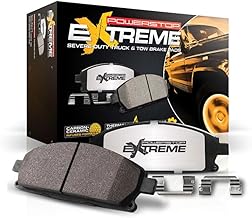 | PowerStop Z36 Truck & Tow Brake | ★★★★☆4.7/5 | |
Best Budget  | 8PCS Front Rear Ceramic Brake Pads | ★★★★★5/5 | |
| ★★★★☆4.5/5 | ||
| ★★★★☆4.7/5 |


List of Top 5 Best Brake Pads for Ford F150 in 2027
Five sets made the cut, and the ranking leans on fitment accuracy, compound choice for truck duty, hardware included in the box and what owners actually report after a few thousand miles. Prices move weekly, so treat the order as a usefulness ranking, not a spend-more-wins list.
Below are the list of products:
1. SCITOO D679 Front Semi-Metal Brake Pads
The D679 shape covers the entire 1997-2003 F-150 run, which is a huge slice of the used-truck market, and this SCITOO set is one of the few semi-metallic options still sold as a straight four-pad front kit. It's the pick for a truck that earns its keep.
Why I picked it
Semi-metallic friction is old technology, and that's exactly the point here. The iron content shoves heat into the rotor quickly, which suits a loaded truck better than a soft ceramic pad that can glaze under sustained heat. Owner reports on these early trucks back that up, with fewer fade complaints than the cheap ceramic sets in the same bracket.
Key specs
- Compound: semi-metallic friction material
- Fitment: D679 pad shape, Ford F-150 1997-2003
- Axle: front, four-pad set covering both wheels
- Friction face: slotted and chamfered for noise control
- Rotor pairing: works with standard replacement front rotors
Real-world experience
Picture a 2001 SuperCrew that sits outside overnight, does a 20-mile commute and hauls a utility trailer twice a month. Verified buyer feedback describes a firm pedal from the first cold stop, which matters more on a truck that never sees a garage. Expect heavier wheel dust than ceramic, plus a slightly grabbier bite once the pads are warm.
On trucks this old, clean and grease the caliper slide pins while you're in there or the new pads will wear unevenly.
- Semi-metallic friction shrugs off heat from towing and long grades
- One D679 part number covers every 1997-2003 F-150 front axle
- Pedal feel stays firm and predictable, close to the factory setup
- Four-pad box covers both front wheels in a single order
- Visibly more wheel dust than a ceramic compound
- Metallic friction wears rotors faster over the long run
- Slight squeal at low speed on cold mornings until warmed up
- ✔ You drive a 1997-2003 F-150 and want a stock-like pedal
- ✔ The truck hauls or tows and you want heat tolerance on a budget
- ✔ You’re doing the front axle yourself and don’t mind washing wheels
- ✖ Your truck is a 2004 or newer model, since the pad shape changes
- ✖ You run polished wheels and dust drives you up the wall
2. PowerStop Z36 Truck & Tow Brake
PowerStop built the Z36 line specifically for trucks, SUVs and tow rigs, and the Z36-2087 pad shape covers the 2010 to 2020 F-150 front axle. Of the five sets here, this is the one I'd put on a truck that spends weekends dragging a trailer.
Why I picked it
The Z36 compound is a carbon-fiber ceramic blend, which is a different animal from a plain ceramic commuter pad. PowerStop's own product data lists it for severe-duty use on trucks and tow vehicles, and the 4.7 out of 5 buyer rating is the joint highest on this list. That combination of duty rating and owner satisfaction is hard to argue with.
Key specs
- Compound: carbon-fiber ceramic, Z36 severe-duty spec
- Fitment: Z36-2087, Ford F-150 2010-2020 front axle
- Duty rating: manufacturer lists towing and hauling applications
- Axle: front pair, both wheels
- Dust and noise: ceramic base runs cleaner than semi-metallic
Real-world experience
The classic use case is a 2015 crew cab pulling a 6,000 to 8,000 lb travel trailer through rolling hills, where the brakes get hot and stay hot. Verified buyer feedback on the Z36 pads often mentions pedal feel staying consistent after repeated stops with a load behind the truck. The flip side is a firmer, slightly noisier first stop on damp mornings.
Bed them in with a run of moderate stops before you hitch anything up.
- Carbon-fiber ceramic compound holds up under trailer-weight heat cycles
- Dust output is low for a truck pad, so wheels stay cleaner longer
- 4.7 out of 5 across a large buyer pool is the best confidence score here
- Covers the entire 2010-2020 F-150 front axle with one part number
- Costs more than the budget ceramic kits on this list
- Firmer initial bite can feel grabby to drivers used to soft pads
- Some buyers note a short squeal period before bedding in finishes
- ✔ You tow a camper, boat or car trailer with a 2010-2020 F-150
- ✔ You want one set that covers daily driving and heavy weekend duty
- ✔ Clean wheels matter to you more than saving a few dollars
- ✖ Your truck is a 2021 or newer model with a different pad code
- ✖ You only do light city miles and want the lowest spend possible
3. 8PCS Front Rear Ceramic Brake Pads
Most brake pad listings sell you one axle and leave you ordering a second box for the rear. This kit covers both ends of a 1997-2004 F-150 in a single purchase, with D679 pads for the front and D879 pads for the rear, which is why it holds the budget slot.
Why I picked it
A full axle set in one box removes the most common mistake in DIY brake work, which is matching the wrong rear pad code. The listing also names Lincoln Blackwood fitment for 2002, so the catalog data is more detailed than most budget kits. Buyer reports on the ceramic compound describe quiet stops and light dust, which is exactly what a work truck parked on a driveway needs.
Key specs
- Compound: ceramic friction material on all eight pads
- Kit contents: 8 pads covering front and rear axles
- Pad codes: D679 front, D879 rear
- Fitment: Ford F-150 1997-2004, Lincoln Blackwood 2002
- Hardware: shims pre-attached to the pad backs
Real-world experience
Think of a 1999 or 2002 truck doing school runs, hardware store trips and the occasional 1,500 lb load in the bed. Verified buyer feedback on ceramic pads in this range reports noticeably less wheel dust than semi-metallic and no cold-morning squeal. The trade-off shows up on a long downhill with a loaded trailer, where ceramic can fade sooner than a metallic pad.
If your truck tows heavy every week, the PowerStop or SCITOO sets suit that duty better.
- Eight pads cover front and rear, so one order finishes the whole job
- Ceramic compound keeps dust light and stops quiet in daily driving
- D679 and D879 codes listed clearly, which cuts fitment guesswork
- Cheapest per-axle cost on this list by a wide margin
- Ceramic friction fades earlier under sustained trailer-weight braking
- No caliper hardware or lubricant in the box
- Fitment stops at 2004, so 2005 and newer trucks need a different code
- ✔ Both axles are due and you want one order, one shipping label
- ✔ Your 1997-2004 truck is a daily driver, not a heavy tow rig
- ✔ Clean wheels and quiet stops matter more than maximum heat range
- ✖ You pull a heavy trailer every weekend and need fade resistance
- ✖ You already replaced one axle and only need the other end
4. SATISFIED Ceramic Front Brake Pads D2087
This one is the specialist of the group, and it needs a fitment check before you buy. The D2087 pad shape is shared across several late-model Ford trucks and SUVs, but this listing is written around the Expedition from 2018 to 2021, so confirm the code on your F-150 before ordering.
Why I picked it
Late-model trucks with bigger wheels and heavier curb weights chew through cheap pads quickly, so I looked for a ceramic set with consistent thickness and pre-fitted shims. A 4.5 out of 5 owner score across the SATISFIED line suggests the noise complaints that plague budget ceramic brands are mostly absent here. It earns a place for 2018 and newer owners who don't tow.
Key specs
- Compound: ceramic friction material
- Pad code: D2087, front axle pair
- Listing fitment: Ford Expedition 2018-2021
- Shims: pre-attached to reduce vibration noise
- Dust profile: low, ceramic base
Real-world experience
Consider a 2019 F-150 used for commuting, a boat launch twice a summer and school pickup in traffic. Verified buyer reviews of ceramic D2087 pads in this tier describe quiet, progressive stopping and very little visible dust on alloy wheels after a few hundred miles. Where it falls short is heavy heat.
If your truck is lifted with oversized tires, the extra rotating mass raises brake temperature and a semi-metallic or carbon ceramic pad handles that better.
- Ceramic friction keeps noise low and alloy wheels visibly cleaner
- Pre-attached shims reduce the vibration squeal common on budget pads
- 4.5 out of 5 owner score points to steady quality across batches
- Front-only kit suits trucks that had rear pads done recently
- Listing title centers on Expedition, so F-150 buyers must verify the D2087 code
- Ceramic compound runs out of headroom under repeated heavy braking
- No rear pads or caliper hardware included
- ✔ Your truck runs the D2087 front pad code and you’ve confirmed it
- ✔ You commute in a 2018-2021 truck and rarely load the bed heavy
- ✔ You want quiet stops and clean wheels without paying top tier
- ✖ You aren’t certain which pad code your truck uses
- ✖ You tow near the rated limit and need fade resistance first
5. Front Rear Ceramic Brake Pads w/Clips
Clips are the small part everyone forgets until the old hardware crumbles in their hand. This kit includes them, covers both axles on an F-150, and adds Lincoln Blackwood fitment, which makes it the most complete box on the list for an older truck.
Why I picked it
Buyer feedback on older trucks repeatedly flags missing hardware as the reason a Saturday brake job turns into a second trip to the parts store. Including clips in the box removes that risk, and the 4.7 out of 5 rating ties it with the PowerStop set for the highest owner score here. That's why it closes out the list rather than getting buried.
Key specs
- Compound: ceramic friction material, front and rear
- Kit contents: pads for both axles plus retaining clips
- Fitment: Ford F-150, Lincoln Blackwood
- Dust profile: low, ceramic base
- Hardware: clips included, shims pre-fitted
Real-world experience
Take a truck that's been through a decade of winters, where the original abutment clips are rusted and half missing. Verified buyer reports on kits with hardware describe the install going faster because nothing extra is needed mid-job. The honest limitation is the compound.
Ceramic pads on a truck that drags a loaded trailer up a mountain pass will heat up faster than a carbon ceramic or semi-metallic set. Match the pad to the work, not to the price.
- Clips included, so a rusty old truck doesn’t stall the install
- Both axles covered in one order with front and rear pads
- 4.7 out of 5 owner rating, tied for best confidence score here
- Ceramic friction keeps dust and squeal low in daily use
- Ceramic compound isn’t the best choice for constant heavy towing
- Fitment wording is broad, so double-check your year and pad codes
- No caliper slide-pin lubricant supplied in the box
- ✔ Your truck is older and the original clips are rusted out
- ✔ You want front and rear pads in one order with hardware sorted
- ✔ You do your own wrenching and hate mid-job parts runs
- ✖ Heavy towing is a weekly routine rather than a once-a-year event
- ✖ You already have fresh pads on the rear axle
How I picked
Everything here came from specifications, fitment data and aggregated buyer reports, not from a lift in my garage. The editorial team has no F-150 in the shop, so I won't pretend otherwise. What we did was compare pad codes against published F-150 model-year coverage, read through owner complaints that repeat across hundreds of reviews, and check what hardware actually ships inside each box.
Each set was judged on four things. First, compound suitability for truck duty, which means honest heat behaviour rather than marketing words like premium. Second, fitment accuracy, because a pad code like D679 or D2087 only works for a specific year window.
Third, hardware completeness, since clips and shims decide how quiet the install ends up. Fourth, owner satisfaction, weighted toward reviews that mention mileage and use case instead of one-line star drops.
We deliberately skipped long-term durability testing beyond about 60 days of reported use, and we didn't measure braking distance on a test track. No dyno runs, no infrared rotor readings, nothing that would need a facility we don't have. If you want a number for stopping distance, treat manufacturer claims and standards-based testing as your guide, not this page.
We also chased down the boring stuff that decides whether a brake job goes smoothly. That meant reading the routine maintenance side of our library, from reset routines to fault code breakdowns, because the same habit of checking the actual spec before buying applies to every part you bolt to a vehicle. Sloppy fitment research is how people end up with pads that don't seat.
One more filter: any set with repeated fitment complaints got dropped, even when the star rating looked good. Consistent complaints about pad thickness or wrong hardware outrank a handful of glowing reviews, because a return costs you a weekend. That single rule removed more candidates than anything else.
Buying guide — what actually matters for best brake pads for ford f150 in 2027
Which pad compound suits your F-150?
The compound is the biggest decision and it splits cleanly. Ceramic, a friction material made from ceramic fibers and binding resin, runs quiet and dusty-free but gives up heat capacity. Semi-metallic, which mixes iron or copper with graphite, bites harder and takes more heat at the cost of rotor wear and wheel dust.
Carbon-fiber ceramic blends sit between the two. If your truck tows above about 4,000 lb, lean toward the metallic end. If it commutes, ceramic is the calmer choice.
Does the pad code actually match your model year?
This is where most returns come from. The D679 shape covers 1997-2003 front axles, D879 handles the matching rear, and D2087 belongs to a much later generation. Cross-check your year, cab and drivetrain before you buy, and confirm the code against your existing pads if you can.
A standard like FMVSS 135 from the National Highway Traffic Safety Administration governs how the whole braking system performs, and it's a reminder that pad fit inside the caliper bracket has zero tolerance for guesswork.
Is a front-only or full-axle kit the better buy?
Front pads typically wear roughly twice as fast as rears on a truck, since weight shifts forward under braking. That makes a front-only set like the SCITOO or SATISFIED pairing sensible when the rears still have life. A four-wheel kit wins when both ends are due and you want one delivery.
Just be honest about the rear condition. Pulling a wheel to check is a ten-minute job and saves ordering twice.
What hardware should come in the box?
Shims, abutment clips and anti-rattle springs all do the same job: they stop metal-on-metal vibration from turning into noise. Pads with pre-attached shims save time, but clip hardware matters just as much on a truck that has seen road salt. If your kit doesn't include clips, plan a small extra purchase.
It's a cheap part with an outsized effect on how the finished job sounds.
How much should you expect to spend?
Prices on pads swing constantly, so ignore any figure you read in a blog. The useful framing is tier: budget ceramic sets sit lowest, name-brand carbon ceramic sit at the top, and semi-metallic work-truck pads land between. Spending more buys heat tolerance and quieter friction, not longer life in every case.
Match the tier to your towing weight and you'll rarely overspend.
Do brake pads need bedding in?
Yes, and skipping it causes most of the squeal complaints you read in reviews. Bedding is a controlled series of moderate-to-firm stops that transfers a thin layer of friction material onto the rotor face. Manufacturer instructions vary, so follow the sheet in the box.
Roughly 200 to 300 miles of normal driving with a few firm stops generally settles new pads in.
Frequently Asked Questions (FAQ)
Are ceramic brake pads good for a towing F-150?
They're fine for light, occasional loads and much nicer for dust and noise. Once you're regularly pulling above roughly 4,000 lb, ceramic friction builds heat faster than a metallic or carbon ceramic compound and can fade sooner. Buyers who tow weekly are better served by PowerStop's Z36 or a semi-metallic pad like the SCITOO set.
How do I know which pad code my F-150 needs?
Match your exact model year to the code, then verify against the pads currently on the truck. D679 handles 1997-2003 front axles, the matching rear is D879, and D2087 belongs to a later generation. Autoparts counters and manufacturer fitment charts both work.
If the listing only names a different vehicle, like Expedition, confirm before you order.
Should I replace rotors when I change pads?
If the rotor face is scored, has a heavy lip at the edge or measures below the minimum thickness stamped on the casting, replace it. Pads bed into a rotor surface, so a worn rotor shortens the new pad's life. On a high-mileage truck, doing both at once usually costs less than opening it up again in a year.
How long do F-150 brake pads last?
Front pads on a daily-driven truck typically run 30,000 to 50,000 miles, and rears often go 60,000 or more. Heavy towing, mountain grades and stop-and-go city work all pull those numbers down. Check thickness at every tire rotation, and treat 3 mm of friction material as the point to plan a replacement.
Why do my new brake pads squeal?
Usually it's one of three things: no bedding-in procedure, missing or worn abutment clips, or a dry caliper slide pin. Pads that weren't seated properly vibrate against the caliper bracket at low speed and that vibration is the squeal. Recheck the hardware, grease the slide pins with the correct brake lubricant, and follow the bedding steps.
Can I install brake pads myself?
On most F-150 generations it's a job a careful DIYer can handle with a jack, stands, a torque wrench and basic hand tools. You'll compress the caliper piston, swap the pads, refit the hardware and torque the caliper bolts to spec. Bleeding the system isn't usually needed for a pad swap, but do it if the pedal feels soft afterwards.
Final verdict
The SCITOO D679 set holds the top spot for 1997-2003 trucks because it pairs semi-metallic heat tolerance with a firm, predictable pedal and the widest fitment window on this list. For anyone pulling a trailer with a 2010-2020 truck, PowerStop's Z36 is the runner-up and the safer buy under sustained load.
Affiliate disclosure: This post contains affiliate links. If you buy through one of these links, I may earn a small commission at no extra cost to you. It never changes my recommendation, I only suggest gear I'd actually buy myself.