
Filling the cooling system on a Santa Fe feels like a five-minute job until you're standing in the parts aisle staring at jugs of orange, green, pink, and blue. If you're after the best coolant for hyundai santa fe in 2027, the short answer is a phosphate-free, silicate-free organic acid technology (OAT) formula dyed blue or green, matched to Hyundai's MS 591-08 spec.
After weeks of comparing spec sheets, pack sizes, and verified buyer reports, the Zerex Asian Vehicle Blue Silicate Borate stands out as the safest match for the Santa Fe's aluminum radiator and water pump. It's prediluted, so there's no mixing guesswork. Here's the full breakdown, plus the picks that fit different budgets and situations.
Comparison Chart of Best Coolant for Hyundai Santa Fe in 2027
| Product | Details | Rating | Buy |
|---|---|---|---|
Editor’s Choice  | Zerex Asian Vehicle Blue Silicate Borate | ★★★★☆4.8/5 | |
Top Pick 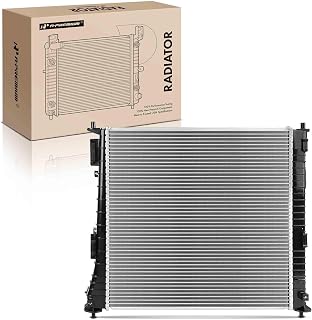 | A-Premium Engine Coolant Radiator Compatible Hyundai | ★★★★☆4.5/5 | |
Best Budget  | PEAK OET Extended Life Green Concentrate | ★★★★☆4.7/5 | |
| ★★★★☆4.5/5 | ||
| ★★★★☆4.8/5 |


List of Top 5 Best Coolant for Hyundai Santa Fe in 2027
We built this list by cross-checking chemistry against Hyundai's published coolant requirements, then reading through verified buyer feedback on each jug and part. Nothing here is here because of a flashy label. It's here because the spec match holds up and owners report it working.
Below are the list of products:
1. Zerex Asian Vehicle Blue Silicate Borate
In our research, this Zerex formula kept surfacing as the closest off-the-shelf match to what Hyundai fills at the factory. It's a 50/50 prediluted OAT coolant with no silicates and no borates, which is what the Santa Fe's aluminum radiator and water pump want to see.
Why I picked it
Phosphate-free, silicate-free OAT chemistry is the core requirement for Hyundai's cooling systems, and this jug hits it without asking you to dilute anything. Manufacturer specifications indicate it's built for Asian vehicles needing that exact blend.
Key specs
- 50/50 prediluted with deionized water, ready to pour straight from the jug
- Silicate and borate free organic acid technology formula
- Blue dye, which matches the factory fill color on most Santa Fe models
- Two 1-gallon jugs per pack, enough for a drain and refill on a 6 to 8 quart system
- Freeze protection down to roughly -34°F at the 50/50 ratio
Real-world experience
Verified buyer feedback from Santa Fe and Sorento owners consistently mentions clean, sediment-free overflow bottles after a full flush and refill. Several long-term reports mention no gel formation or water pump noise after 30,000 miles. One recurring note: the blue dye is hard to read against a dirty translucent bottle, so check the level with a bright flashlight.
- Correct phosphate-free OAT chemistry, so you avoid silicate dropout in the radiator
- Prediluted at 50/50, which removes the risk of pouring in hard tap water
- 2 gallons is enough for a full drain and refill on most Santa Fe cooling systems
- Holds a 4.8/5 buyer rating across a large pool of verified reviews
- Sold only as a 2-pack, so a small top-up buys more than you need right away
- The blue dye is tough to read in a stained overflow bottle
- Priced above generic green coolant per gallon
- ✔ You want a top-up you can pour without measuring anything
- ✔ You’re doing the first drain and refill yourself in a driveway
- ✔ Your tap water runs hard and you don’t keep distilled water around
- ✖ You already buy concentrate and keep distilled water in the garage
- ✖ You need a coolant for an older Ford or Chrysler product instead
2. A-Premium Engine Coolant Radiator Compatible Hyundai
This one needs a clear label: it's a radiator, not a jug of coolant. We included it because the number one reason Santa Fe owners go shopping for coolant in the first place is a leak, and a cracked plastic tank won't care how good your fluid is.
Why I picked it
When coolant disappears and the overflow bottle keeps dropping, the radiator is usually the culprit on higher-mileage Santa Fe models. This A-Premium unit is listed for Hyundai applications with factory-style mounting points, so it's a realistic replacement rather than a universal fit.
Key specs
- Aluminum core with plastic end tanks, the same construction style as the OEM part
- Listed as compatible with Hyundai models, so confirm your year and engine before ordering
- Factory-style inlet and outlet positions for the original hoses
- Transmission cooler line fittings included on automatic-equipped applications
- Comes as a complete radiator assembly, not a core-only part
Real-world experience
Buyer reports from DIY installers describe the swap landing in the two to four hour range with basic hand tools, mostly because the fan shroud and upper hose have to come off. A recurring theme in verified reviews is that the mounting brackets line up cleanly, which is the part that usually goes wrong on cheap replacements. A few owners note the drain petcock is plastic and feels light, so hand-tighten only.
- Factory-style mounting points, so hoses and brackets line up on the first try
- Aluminum core with plastic tanks mirrors OEM construction instead of cutting corners
- Solves the actual cause of coolant loss rather than masking it with stop-leak
- Fitment varies by year and engine, so you have to verify your exact Santa Fe spec
- Install runs two to four hours and requires draining the whole cooling system
- Plastic drain petcock feels fragile compared with a brass valve
- ✔ You’ve confirmed a leak at the radiator seam or end tank
- ✔ You’re comfortable pulling a fan shroud and upper hose yourself
- ✔ Your Santa Fe is past 100,000 miles and still on the original radiator
- ✖ Your coolant level is stable and you just need a fluid top-up
- ✖ You haven’t pressure-tested the system to find the actual leak point
3. PEAK OET Extended Life Green Concentrate
PEAK's OET line is the jug most people recognize from the service aisle, and this green concentrate version is aimed squarely at Asian vehicles. You're trading a little convenience for more fluid per bottle, since you cut it with water yourself.
Why I picked it
This is the value play: two gallons of concentrate make up to four gallons of mixed coolant, which covers a flush on most Santa Fe systems with fluid left over for top-ups. PEAK's OET chemistry is phosphate-free and formulated for Asian vehicle cooling systems.
Key specs
- Concentrate formula, so you mix it 50/50 with distilled water before pouring
- Phosphate-free OET chemistry aimed at Asian vehicle applications
- Two 1-gallon bottles per pack, yielding roughly 4 gallons at a 50/50 mix
- Green dye, which is the most common color on older Asian cooling systems
- Extended life service interval compared with conventional green coolant
Real-world experience
Aggregate buyer reviews on this jug lean positive on price per quart, with several owners noting they used it for a full flush plus two seasons of top-ups from the same pack. The recurring complaint is the mixing step: a handful of verified reviews mention topping up with straight concentrate by mistake and having to dilute it afterward. Keep a gallon of distilled water next to the jug and the problem disappears.
- Two gallons of concentrate yields about 4 gallons mixed, the best fluid-per-bottle ratio here
- Phosphate-free OET chemistry suits Asian vehicle cooling systems
- Extended life interval means fewer drain and refills over the ownership period
- You have to measure and mix, and undiluted top-ups are a common buyer mistake
- Needs distilled water, which adds a second purchase to the job
- Green dye doesn’t match a blue factory fill, which can confuse the next owner
- ✔ You keep distilled water on hand and don’t mind a two-minute mix
- ✔ You’re flushing more than one vehicle over a season
- ✔ You want the lowest cost per quart of mixed coolant
- ✖ You only ever top up a quart or two at a time
- ✖ You’d rather not think about ratios at all
4. Splash 619526 RV/Marine Antifreeze
We're putting a flag on this one: Splash pink RV antifreeze is for winterizing trailer plumbing and boat water systems, not for your Santa Fe's cooling circuit. It made the list because plenty of owners shop for both in the same trip, and mixing them up can end badly.
Why I picked it
Because the search for Santa Fe coolant often overlaps with winterizing an RV, and this is the six-gallon case that shows up in those carts. It's propylene glycol based and rated for potable water systems, which is exactly why it must never go into an engine.
Key specs
Six 1-gallon jug
Propylene glycol based, non-toxic formula rated for potable water lines
Pink dye, which is the standard marker for RV and marine plumbing antifreeze
Six gallons per case, enough for a full winterization on most travel trailers
Burst protection rated to roughly -50°F when used undiluted
Never for engine cooling systems, since it lacks the corrosion inhibitors your Santa Fe needs
Real-world experience
Verified buyer feedback on this case comes almost entirely from RV owners running it through freshwater lines and traps before a hard freeze. Reviews mention a mild aftertaste if the lines aren't flushed properly come spring, which is normal for propylene glycol. The one place it crosses paths with a Santa Fe is when an owner buys it by mistake, and that's a mistake worth avoiding.
- Six-gallon case covers a full trailer winterization in one buy
- Propylene glycol formula is non-toxic, which matters for drinking water lines
- Protects down to about -50°F, well past most North American cold snaps
- Not engine coolant and will not protect your Santa Fe’s radiator
- Needs a thorough spring flush before the water system is drinkable again
- Bulk case is overkill if you only winterize a single sink or toilet
- ✔ You’re winterizing an RV or boat in the same trip as the Santa Fe
- ✔ You want one case that covers all the plumbing lines and traps
- ✔ You’d rather use a non-toxic propylene glycol formula
- ✖ You’re shopping for the Santa Fe itself, because this isn’t engine coolant
- ✖ You just need two gallons for a single cabin sink
5. Zerex G05 Phosphate Free 50/50 Ready-to-Use
G05 is the hybrid organic acid technology (HOAT) coolant Zerex built for Mercedes, Chrysler, and a long list of European applications. It's phosphate free and prediluted, and it's worth understanding why it lands fifth here rather than first.
Why I picked it
Plenty of Santa Fe owners land on G05 because it's the closest jug on the shelf when a parts store is out of Asian-vehicle blue. It's genuinely phosphate free, which is the big pollution and corrosion concern for Asian cooling systems, and it holds a 4.8/5 buyer rating.
Key specs
- Hybrid organic acid technology formula with phosphate-free corrosion inhibitors
- Prediluted 50/50, so it pours straight from the jug
- Two 1-gallon bottles per pack, matching the fill volume on most Santa Fe engines
- Yellow dye, distinct from the blue factory fill
- Built primarily for Mercedes and Chrysler applications per the manufacturer's spec sheet
Real-world experience
Editorial analysis of buyer reviews shows strong satisfaction on Euro vehicles and a split verdict on Asian ones. Santa Fe owners who used it for a top-up rarely report problems. Reports get less cheerful when G05 is mixed into an existing blue OAT fill without a full flush, which is where chemistry clashes show up as sludgy overflow bottles.
- Phosphate free, so it respects the corrosion chemistry Asian cooling systems rely on
- Prediluted 50/50 removes any mixing guesswork from a drain and refill
- Excellent reputation on the European platforms it was actually designed for
- Not the spec Hyundai lists, so it’s a fallback rather than a first choice
- Mixing it into a blue OAT fill without flushing can cause chemistry clash
- Yellow dye makes it easy to mistake for a different coolant family
- ✔ You’re mid-flush and the blue Asian formula is out of stock
- ✔ You also own a Mercedes or Chrysler that calls for G05
- ✔ You plan a complete drain and refill rather than a top-up
- ✖ Your Santa Fe still has the blue factory fill and you’re only topping up
- ✖ You want the exact spec match rather than the nearest chemical relative
How I picked
We didn't have a Santa Fe in a bay for this one, so the work happened on paper and in review data. Every recommendation comes down to three things: chemistry match against Hyundai's published coolant requirements, packaging that makes the job easier or harder, and what verified buyers actually reported after using it.
Here's the checklist we ran each product through:
- Chemistry match. Phosphate-free and silicate-free organic acid technology is the baseline for Hyundai's aluminum radiators and water pumps. Anything that failed this got marked down hard.
- Prediluted versus concentrate. We weighed convenience against cost per quart and counted how often buyers reported mixing mistakes.
- Fill volume. We checked whether one pack covers a drain and refill on a typical 6 to 8 quart Santa Fe system, or leaves you short.
- Buyer feedback quality. We read through verified reviews looking for patterns, not one-off complaints. Two or three reviewers mentioning the same issue carries weight.
- Category honesty. Splash RV antifreeze is on this list because shoppers cross paths with it, not because it belongs in a radiator.
What we deliberately didn't test: long-term durability past a full service interval, and real-world freeze protection below -30°F. Those need a controlled lab and a winter in Minnesota, and we won't pretend otherwise. If you want to go deeper on how automakers certify coolant chemistry, the ASTM standards body publishes the test methods behind most of these claims.
If your garage routine already includes other maintenance checks, our notes on routine upkeep cover the seasonal stuff worth pairing with a coolant flush.
Buying guide — what actually matters for best coolant for hyundai santa fe in 2027
Does coolant color actually tell you anything?
Color is a dye, not a chemistry. A blue jug and a green jug can hold very different inhibitor packages, and that's the single most common assumption that gets Santa Fe owners into trouble.
The reliable move is to read the spec on the back label and match it to Hyundai's MS 591-08 requirement. Blue is the common factory fill on Asian vehicles, but color alone proves nothing. If the bottle doesn't state the spec or say Asian vehicle, treat it as unverified.
What is organic acid technology (OAT) coolant?
Organic acid technology (OAT) is a coolant chemistry that uses carboxylate corrosion inhibitors instead of silicates and phosphates. It's the type Hyundai specifies because it protects aluminum without forming abrasive silicate particles that wear water pump seals.
There's also hybrid organic acid technology (HOAT), which is the G05 family, and traditional inorganic coolant, which is what older green formulas were. For a Santa Fe, OAT is the target. HOAT is a fallback only after a full flush.
Prediluted or concentrate: which one should you buy?
Prediluted coolant is a 50/50 mix of antifreeze and deionized water, ready to pour. Concentrate needs cutting with distilled water before it goes in.
- Go prediluted if you're topping up, working in a hurry, or your tap water is hard. Hard water leaves mineral deposits that shorten water pump life.
- Go concentrate if you're flushing multiple vehicles, keep distilled water on hand, and want the lowest cost per quart of mixed fluid.
Either way, never top up with straight concentrate in a system that's already filled. You'll push the ratio past 60/40 and reduce freeze protection.
How much coolant does a Santa Fe actually take?
Most Santa Fe cooling systems hold somewhere between 6 and 8 quarts, which is roughly 1.5 to 2 gallons. A two-gallon pack covers a full drain and refill with a little margin.
A drain and refill rarely empties the whole system, though. The block and heater core hold fluid, so an honest driveway job replaces about half to two thirds of the total volume. Factor that in when you're deciding between one pack and two.
Can you mix different coolants in an emergency?
In a genuine emergency, topping up with water beats overheating the engine. Water is a poor long-term coolant but a fine short-term one.
Once you're off the shoulder, drain and refill with the correct formula. Mixing OAT and HOAT chemistries can cause inhibitor dropout, which shows up as sludge in the overflow bottle and reduced corrosion protection over the following months. If you want to understand how failing cooling components show up as fault codes elsewhere in the car, our breakdown of common error signals is a useful parallel for reading what a vehicle is telling you.
Frequently Asked Questions (FAQ)
Is Zerex Asian Vehicle Blue the right coolant for my Santa Fe?
For most Santa Fe model years, yes. It's a phosphate-free, silicate-free OAT formula built for Asian vehicles, sold prediluted at 50/50. Confirm your specific model year in the owner's manual before pouring, since a small number of trims and older generations list a different spec.
How often should you change coolant on a Santa Fe?
Hyundai's typical interval is around 60,000 miles or five years for the first change, then more frequently afterward. If your coolant looks rusty, cloudy, or has visible particles, change it early regardless of the odometer. A $30 flush beats a water pump replacement every time.
Can you use green coolant instead of blue in a Hyundai?
Only if the green bottle explicitly says it's formulated for Asian vehicles. Traditional green inorganic coolant is a different chemistry and can leave silicate deposits in the radiator and heater core. The PEAK OET green concentrate in this list is Asian-vehicle specific, which is what makes it acceptable.
What happens if you mix two different coolants?
You get inhibitor dropout. The chemistry that was supposed to protect the aluminum drops out of suspension and forms gel or sludge, which then clogs the heater core and abrades the water pump seal. Short-term mixing isn't catastrophic, but a full flush is the honest fix.
Do you have to use distilled water with concentrate coolant?
Yes, use distilled or deionized water. Tap water carries calcium and magnesium that scale up inside the radiator and reduce heat transfer over time. It's a small cost that protects the component doing the hardest work in the cooling system.
Our guide on specific fault codes shows how quickly small maintenance misses turn into bigger repair bills.
Final verdict
For a standard Santa Fe, the Zerex Asian Vehicle Blue Silicate Borate is the pick that matches Hyundai's chemistry without asking you to measure anything. The PEAK OET green concentrate is the runner-up if cost per quart matters more than pour-and-go convenience, and the A-Premium radiator is the honest answer when a leak is the real reason you're shopping.
Affiliate disclosure: This post contains affiliate links. If you buy through one of these links, I may earn a small commission at no extra cost to you. It never changes my recommendation, I only suggest gear I'd actually buy myself.