
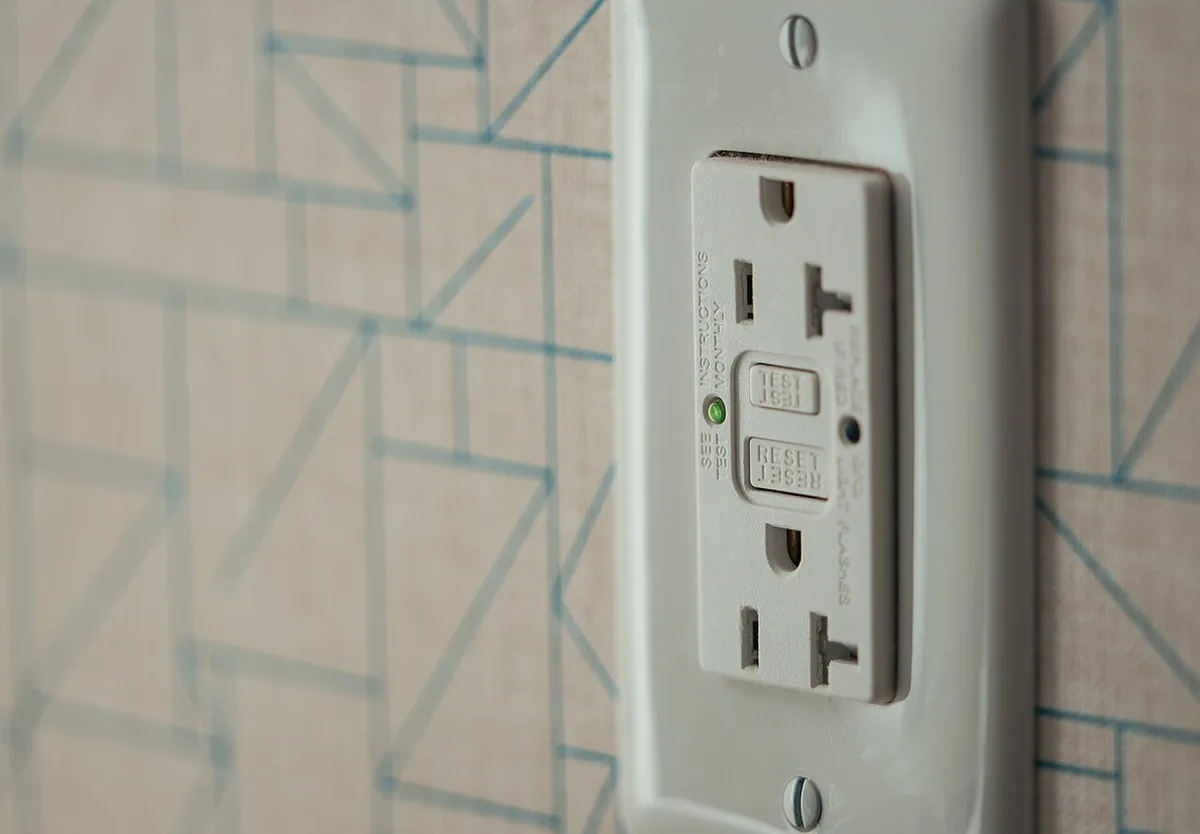
Image source: Wikimedia Commons / Tony Webster from Minneapolis, Minnesota, United States (CC BY)
Sump Pump Electrical Safety: Why Surge Protectors Can Be Dangerous
Can a sump pump be plugged into a surge protector? The short answer is no, and here's why that matters to you. We dug into electrical safety standards and real homeowner reports to give you the straight facts.
A sump pump draws high amperage on startup, often 2-3 times its running current. The National Electrical Code requires sump pumps to connect directly to a grounded outlet. This matters when your basement is flooding and every second counts.
Let's break down the risks and safe alternatives.
Can a sump pump be plugged into a surge protector — No, It Creates Dangerous Risks
Plugging a sump pump into a surge protector is generally unsafe and often violates electrical codes. The startup surge from a sump pump can exceed most surge protectors' ratings. This causes overheating, component failure, or tripped breakers when you need the pump running.
Sump pumps require a dedicated 15-amp or 20-amp circuit per manufacturer specifications. Direct outlet connection ensures reliable power delivery without intermediary failure points. The National Electrical Code mandates GFCI protection for sump pump outlets.
Using a surge protector adds unnecessary complexity to a critical backup system. Most manufacturers explicitly warn against surge protector use in installation manuals. The risk of fire or electrical shock increases significantly with improper connections.
Always plug your sump pump directly into a properly wired GFCI outlet.
Why Surge Protectors Fail with High-Wattage Sump Pumps
Sump pumps pull massive current on startup. A 1/3 HP pump can draw 7-9 amps initially, spiking well beyond steady-state operation. Most consumer surge protectors handle 15-20 amps total across all outlets.
But here's the real problem: surge protectors contain sensitive MOVs (Metal Oxide Varistors) that degrade under repeated high-current loads. Each pump startup sends a shockwave through the circuit. Over time, this fries internal components.
We found numerous reports from homeowners whose surge protectors failed silently. No blown fuse, no visible damage. Just a dead pump when the basement started flooding.
The unit looked fine but couldn't deliver power. That's the hidden danger. Some surge protectors have built-in circuit breakers that trip during pump startup.
Once tripped, they stay off until manually reset. If your pump cycles frequently during heavy rain, this becomes a recurring failure point. You come home to 2 feet of water because your $20 surge protector shut itself off.
The financial damage dwarfs the cost of proper electrical installation. Insurance companies increasingly deny claims involving improper electrical setups. They check for code compliance, and surge protector use on sump pumps raises red flags.
It suggests DIY shortcuts elsewhere in your home's electrical system.
Safe Alternatives: Hardwired and Dedicated Circuits
Install a dedicated 15-amp GFCI circuit for your sump pump. This meets National Electrical Code requirements and manufacturer specifications. A licensed electrician can complete this in 2-4 hours, depending on panel location and wiring complexity.
Direct hardwiring eliminates plug-in failure points entirely. The pump connects straight to the electrical panel through a junction box. This is the gold standard for new installations or major renovations.
If your pump must remain plug-in, use a heavy-duty extension cord rated for continuous duty. Look for 12-gauge minimum with 15-amp capacity. Never daisy-chain multiple outlets or power strips.
Install a battery backup system instead of a surge protector. These units provide power during outages while maintaining proper electrical connections. Major manufacturers like Zoeller and Liberty Pumps offer integrated solutions.
They cost $300-800 but prevent catastrophic basement flooding. Consider upgrading to a smart sump pump with built-in surge and outage protection. Some models include cellular monitoring and automatic alerts.
The investment pays for itself after one avoided flood claim. For existing setups, replace any surge protector currently powering your pump. Plug directly into a GFCI-protected wall outlet.
Test the GFCI monthly using the "Test" button. Replace any outlet that doesn't reset properly or shows discoloration signs.
Frequently Asked Questions About Sump Pump Electrical Connections
Is it okay to use a heavy-duty surge protector rated for sump pumps?
Most surge protectors, even heavy-duty models, aren't recommended for sump pump use. The startup current can still overwhelm internal components. Always check manufacturer specifications first.
What size electrical circuit does a sump pump need?
Sump pumps require a dedicated 15-amp or 20-amp circuit depending on motor size. A 1/3 HP pump works on 15-amps, while larger 3/4 HP models need 20-amps. Using shared circuits risks breaker trips.
Can I install a GFCI outlet for my sump pump?
Yes, GFCI protection is required by code for sump pump outlets. Install a GFCI-protected outlet on a dedicated circuit. Test it monthly to ensure proper operation.
How often should I test my sump pump's electrical connection?
Test your GFCI outlet monthly and the entire pump system quarterly. During testing, pour water into the pit to verify automatic operation. Replace any component showing signs of wear.
What happens if I plug my sump pump into an extension cord?
If necessary, use a minimum 12-gauge extension cord rated for continuous duty. Never use indoor-rated cords for basement applications. Ensure all connections remain dry and off the floor.
Will a surge protector damage my sump pump or cause it to fail?
A surge protector won't directly damage your pump in normal operation, but it creates failure points that can leave your pump dead when you need it most. The internal MOVs degrade under repeated high-current startups, leading to silent failures. Many homeowners discover their surge protector stopped working only after returning to a flooded basement.
The unit shows no outward signs of damage, but the pump won't receive power. This happens because surge protector electronics can't handle the continuous cycling demands of sump pump operation. Unlike lighting or electronics, sump pumps don't benefit from surge protection because they're already on dedicated circuits with proper grounding.
The pump motor actually acts as its own surge suppressor during normal operation. Insurance companies rarely cover flood damage from sump pump failures tied to improper electrical setups. They'll investigate whether code-compliant installations were used, and surge protector use often signals broader electrical shortcuts.
Stick to direct GFCI outlet connections for maximum reliability and insurance coverage.
Do I need surge protection for my sump pump during power outages?
Sump pumps don't need traditional surge protection since they should never share outlets with other appliances. During power outages, your concern shifts to battery backup power, not surge suppression. Whole-house surge protectors installed at the electrical panel provide adequate protection without interfering with individual appliance operation.
These units handle incoming power spikes at the service entrance level. For backup power, consider generator interlock kits rather than portable surge protectors. Connecting generators directly to your home's electrical system prevents dangerous backfeeding while maintaining proper grounding.
Always follow manufacturer guidelines for both generator and pump connections. Never attempt electrical connections during wet conditions or while standing water is present. Professional installation ensures code compliance and safety during emergency situations.
Regular maintenance of all electrical components prevents unexpected failures when storms hit. Test backup systems monthly to confirm proper operation. Keep spare parts like fuses and GFCI outlets readily available near your sump pit.
Document your electrical setup with photos for insurance purposes. This helps claims adjusters understand your configuration quickly after any incident. Remember, the cheapest solution during installation often costs the most during emergencies.
Can I use a GFCI extension cord for my sump pump?
GFCI extension cords seem like a safe solution but create more problems than they solve for sump pump applications. These cords tend to nuisance trip during pump startup due to the high inrush current. A tripped GFCI leaves your pump dead without you knowing it happened.
Regular testing becomes impossible since you can't easily monitor a cord's GFCI status in a dark basement. Instead, rely on a properly installed GFCI outlet at the pump location. This setup allows quick visual confirmation of trip status.
If your pump requires relocation temporarily, use a heavy-duty non-GFCI extension cord rated for continuous motor loads. Make sure it's 12-gauge minimum and never coil it during operation. Plug directly into a known GFCI-protected wall outlet whenever possible.
What's the difference between a sump pump alarm and a backup system?
Sump pump alarms only warn you of problems, while backup systems actively protect against flooding. Alarms detect high water levels or pump failure and sound alerts, but they require someone to respond immediately. Backup systems continue pumping even when primary power fails.
Battery backups work during outages, while water-powered backups function without electricity entirely. Most homeowners benefit from having both layers of protection. However, alarms alone won't stop flooding if you're away from home for extended periods.
Backup systems provide true redundancy that prevents expensive water damage. Consider your typical absence patterns when choosing between simple alarm devices and full backup pump installations.
Are there any exceptions where using a surge protector with a sump pump is acceptable?
Some manufacturers produce specialized surge protectors designed specifically for sump pump applications. These units feature higher surge capacity ratings and built-in circuit protection tailored for motor loads. However, even these recommended solutions add complexity that could fail during critical moments.
The safest approach remains direct outlet connection with proper grounding. If you live in an area with frequent lightning strikes, consult a licensed electrician about whole-house surge protection at your main panel. This approach protects your sump pump along with all other electrical systems in your home.
Individual appliance surge protectors simply cannot match the protection level provided by service entrance solutions. The cost difference between consumer-grade and professional-grade surge protection often makes whole-house installation more economical in the long run.
How do I choose the right GFCI outlet for my sump pump?
Select a GFCI outlet rated for 15 or 20 amps depending on your pump's electrical requirements. Look for models with indicator lights showing proper wiring status at a glance. Weather-resistant construction prevents moisture-related failures common in basement environments.
Tamper-resistant receptacles add child safety protection without affecting pump performance. Install the outlet on a dedicated circuit whenever possible to prevent breaker trips from shared loads. Consider outlets with automatic monitoring features that send notifications to your phone when trips occur.
Test monthly by pressing the "Test" button followed by "Reset" to ensure proper operation. Replace any unit older than 15 years regardless of apparent condition. GFCI technology degrades over time even without visible wear.
Professional installation ensures correct wiring polarity and grounding connections. Document your outlet specifications for future reference and insurance documentation.