
The answer is: it depends on your specific setup. You can place a sump pump directly on the bottom of the pit, but only if the conditions are right. A submersible pump with a bottom intake can sit on a clean, debris-free surface.
However, most homeowners benefit from a gravel layer or pump platform to prevent clogging and extend pump life.
Manufacturer specifications strongly influence this decision. Zoeller and Liberty Pumps, for example, design many of their submersible models to operate on the pit floor when equipped with bottom-suction designs. But these same pumps fail quickly when debris covers the intake screen.
The key variable isn't the pump alone, it's what's at the bottom of your pit.
If your sump basin collects heavy sediment, sand, or organic debris, direct contact becomes problematic fast. Professional installation guidelines from the International Association of Certified Home Inspectors recommend elevating pumps on a stable platform in high-sediment conditions. As of 2026, this remains the standard practice among most basement waterproofing contractors.
How to Decide If Your Sump Pump Belongs on the Bottom
Not all sump pits are created equal, and your pump's placement depends on three main factors: intake design, debris levels, and basin conditions.
What's at the bottom of your pit matters most
A clean concrete or plastic floor might allow direct placement. But if you're dealing with silt, sand, or organic debris, you'll want some separation. Sediment blocks intake screens and accelerates wear on the impeller.
Most submersible pumps have intake screens near the bottom. When these get clogged, the pump struggles or burns out. Even a thin layer of muck can cause problems over time.
Pump design determines compatibility
Check your pump's intake location and manufacturer recommendations. Bottom-suction designs are built for floor contact. Side-intake models typically need clearance.
Your owner's manual is the final word here.
Local conditions drive the decision
High-water-table basements see constant use, which means more wear. If your pump runs frequently, keeping it clean is crucial. In these cases, a gravel base or pump platform pays dividends in longevity.
Step-by-Step: Installing Your Sump Pump the Right Way
Proper installation protects your investment and prevents premature failure. Follow these steps regardless of whether you place your pump on the bottom or on a platform.
Prepare the basin
Start by cleaning out any debris, sediment, or standing water from the pit. Inspect the basin for cracks or damage. Check that discharge plumbing is clear and properly sloped away from your foundation.
Lay down a gravel base if conditions demand it. A 2-3 inch layer of 3/4-inch washed gravel provides drainage and keeps the pump above muck. This is essential in sandy or silty soils.
Position the pump correctly
Place the pump on its base or platform, ensuring it sits level. Most submersible units need 3-6 inches of clearance from basin walls. This prevents vibration damage and allows water to flow freely around the housing.
Route the discharge pipe according to local plumbing codes. Install a check valve within 6-12 inches of the pump to prevent backflow that can cause rapid cycling.

Image source: Wikimedia Commons / Slaunger (CC BY-SA)
Make electrical connections safely
Always use a GFCI-protected outlet. Never hardwire a sump pump. Leave enough cord slack so you can lift the pump for maintenance without straining connections.
Test the system thoroughly
Fill the pit with water to activate the float switch. Watch for proper operation and listen for unusual noises. Confirm the pump shuts off when water levels drop.
Per the National Electrical Code, all basement electrical outlets serving sump pumps must have GFCI protection. This prevents electrical hazards in wet environments.
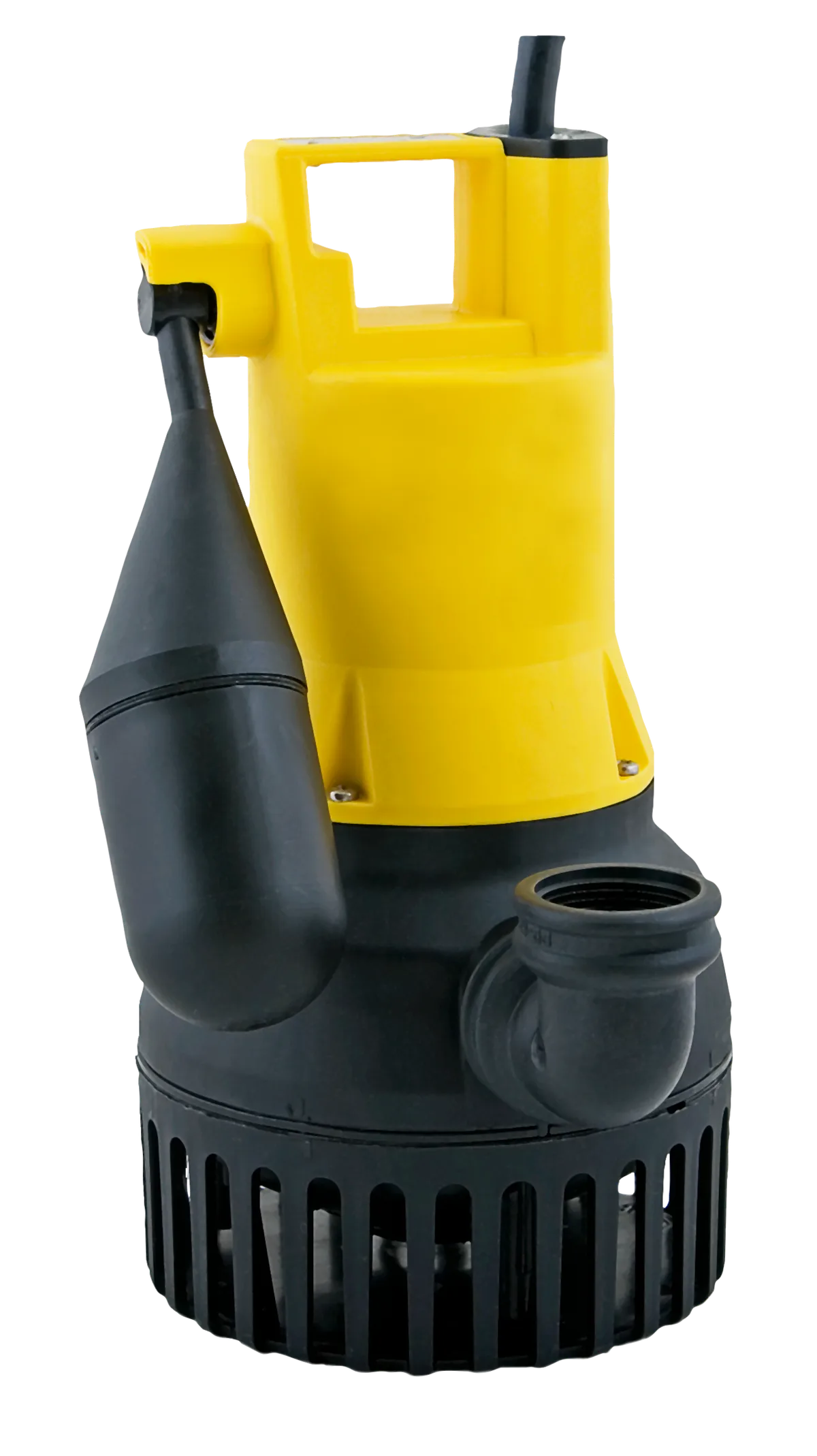
Image source: Wikimedia Commons / PumpExpert (CC BY-SA)
Common Mistakes That Will Burn Out Your Pump
Even properly installed pumps fail early when homeowners make these preventable errors. Here's what to avoid.
Placing the pump where debris collects
Sediment, hair, and small objects settle at the pit's lowest point. When your pump sits directly there, it sucks up everything that's sitting nearby. This clogs internal components and strains the motor.
Solution: Use a pump platform or gravel bed. Even a simple concrete paver keeps the intake clear of most debris.
Ignoring float switch problems
The float switch controls when your pump turns on and off. When it gets trapped under the pump or tangled in discharge tubing, your system either won't start or runs continuously. Continuous operation burns out motors quickly.
Solution: Give the float arm plenty of space. Make sure nothing can catch on it during operation.
Skipping the check valve
Without a check valve, water drains back into the pit after each cycle. This causes the pump to restart frequently, wearing it out fast. It also creates water hammer that can damage pipes.
Solution: Install a check valve on the discharge line. This simple $10 part can double your pump's lifespan.
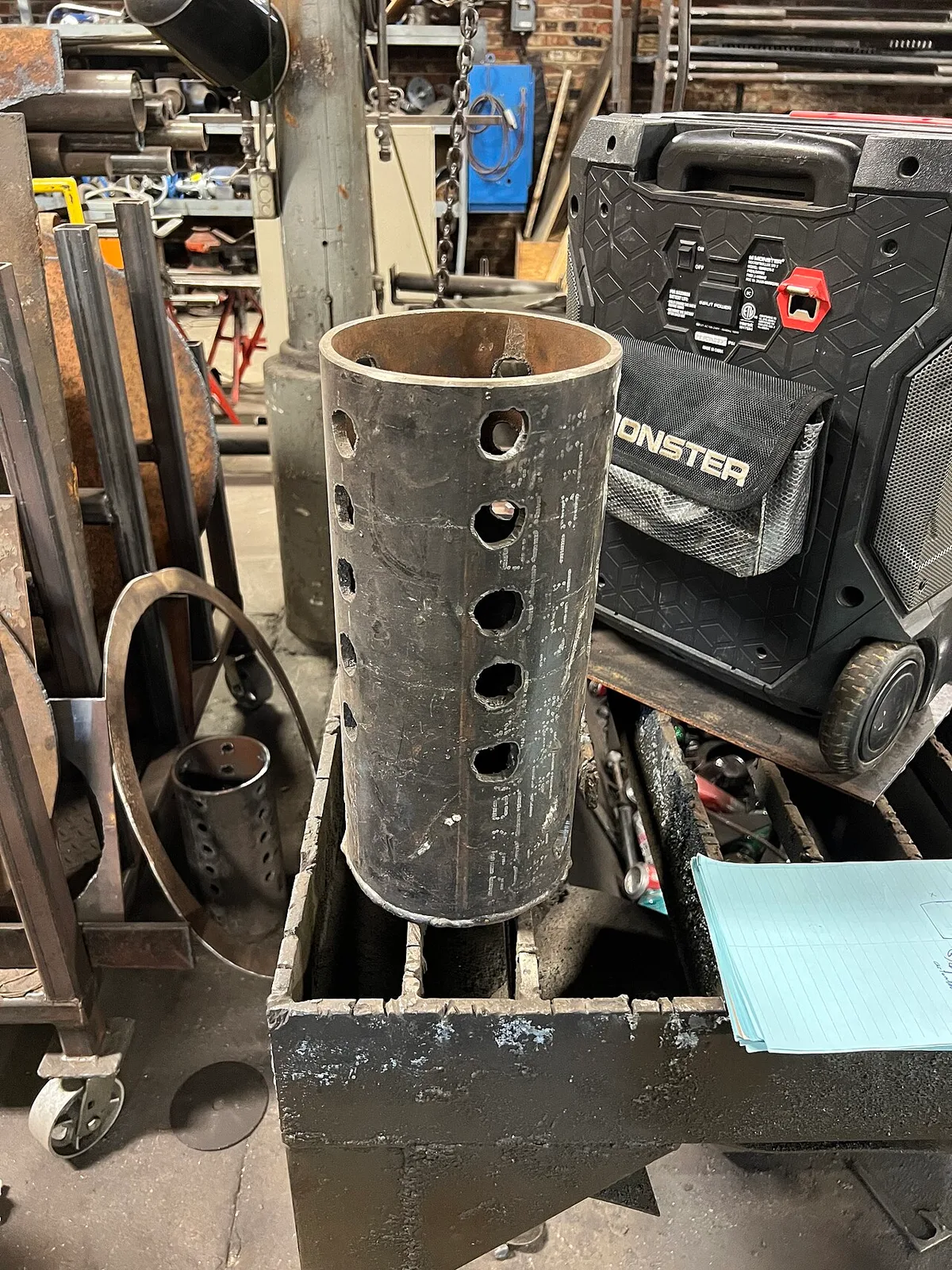
Image source: Wikimedia Commons / Ivangiesen
Overlooking regular maintenance
Pumps left untouched for months accumulate problems. Mineral deposits clog intake screens. Debris blocks discharge pipes.
Small issues become big failures when ignored.
Professional plumbers recommend testing your pump monthly during heavy-use seasons. Pour a bucket of water into the pit and verify it activates and shuts off properly.
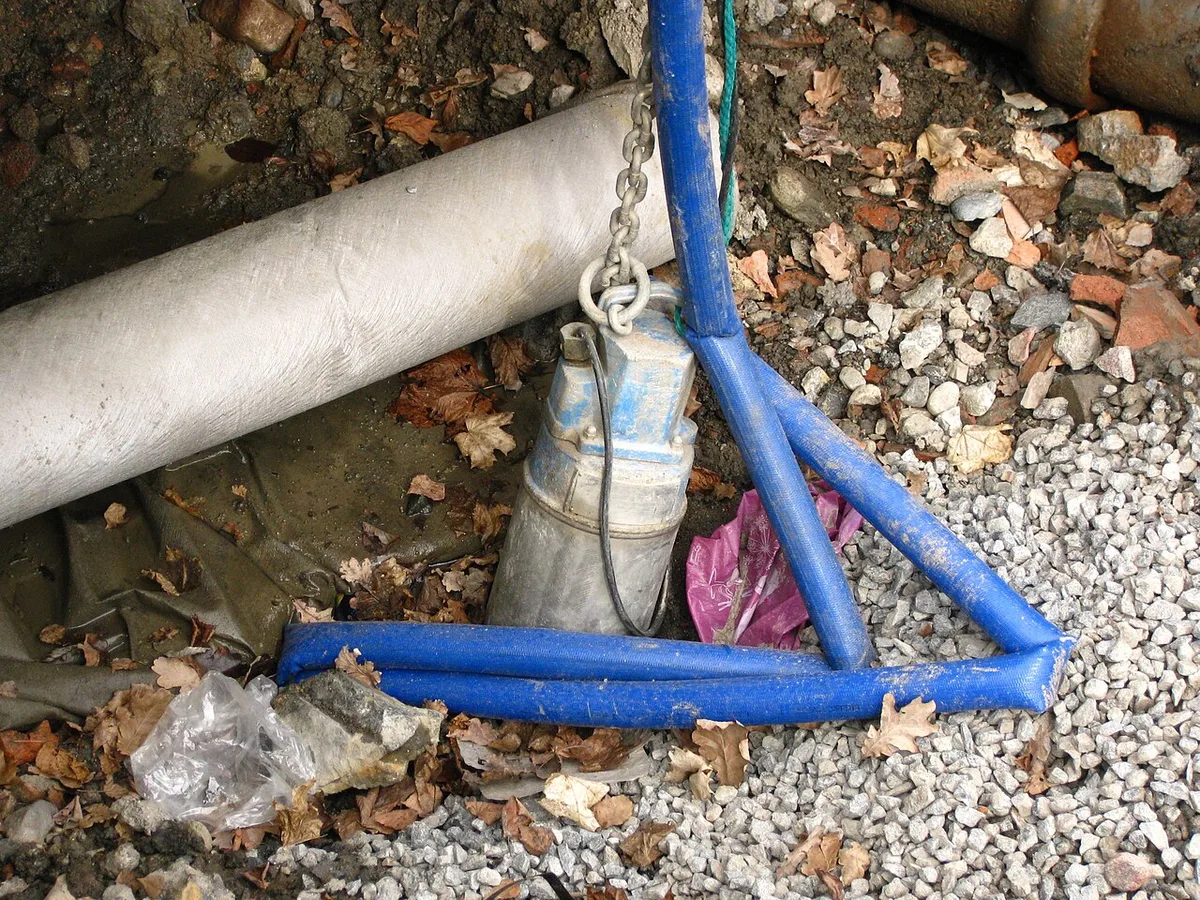
Image source: Wikimedia Commons / Kemikungen (CC BY)
Sump Pump Placement FAQs
Can I put my sump pump on bricks instead of gravel?
Yes, concrete pavers or bricks work fine for elevating the pump. Just make sure they're clean and stable. Avoid wooden blocks that can rot and shift over time.
What happens if my pump sits in standing water when it's off?
Most submersible pumps handle this fine, they're designed to be underwater. However, prolonged exposure to contaminated water can cause seal corrosion over years. Clean water isn't a concern.
How much clearance does my pump need from the pit walls?
Minimum 3 inches is standard, but 6 inches is better for water flow. Too little space restricts inflow and makes the pump work harder. Check your manufacturer's spec sheet for exact requirements.
Will a bottom-suction pump work in a dirty pit?
Only if you clean it regularly. Bottom-suction designs pull water from underneath, collecting any debris sitting nearby. Install a secondary filter screen or use a platform with built-in straining to extend service intervals.
Do I need special permits for sump pump installation?
Requirements vary by location. Many areas don't require permits for replacing existing pumps. New construction or major modifications typically need inspection.
Contact your local building department before starting work.