
Have you ever caught your furry friend staring intently at their reflection in the mirror? You might have wondered, “Can dogs recognize themselves in the mirror?”
It’s a question that intrigues many pet owners and animal lovers. Understanding how dogs perceive their own reflection can reveal fascinating insights about their intelligence and self-awareness. Imagine discovering the secrets of your dog’s mind and understanding their unique perspective.
By delving into this topic, you’ll gain a deeper appreciation for your canine companion. Get ready to explore the curious world of dogs and mirrors, and uncover whether your pet is simply fascinated by their reflection or truly recognizes the face staring back at them. Stay with us as we unravel this intriguing mystery and learn what it means for you and your beloved pet.
Credit: www.reddit.com
Mirror Test And Animal Cognition
Understanding animal cognition fascinates scientists and pet owners alike. The mirror test, created by psychologist Gordon Gallup Jr. in 1970, helps study self-awareness in animals. This test explores if animals can recognize themselves, hinting at cognitive capabilities. But what about dogs? Do they pass the mirror test? Let’s delve into the science and see how our furry friends measure up.
Mirror Test: A Measure Of Self-awareness
The mirror test involves marking an animal’s body with a visible spot. This spot is only seen using a mirror. The idea is simple. If an animal touches the mark on its body, it recognizes itself. Elephants, dolphins, and some primates have passed this test. They display self-awareness. But dogs often fail this test. Why is that?
Dogs And Their Unique Perception
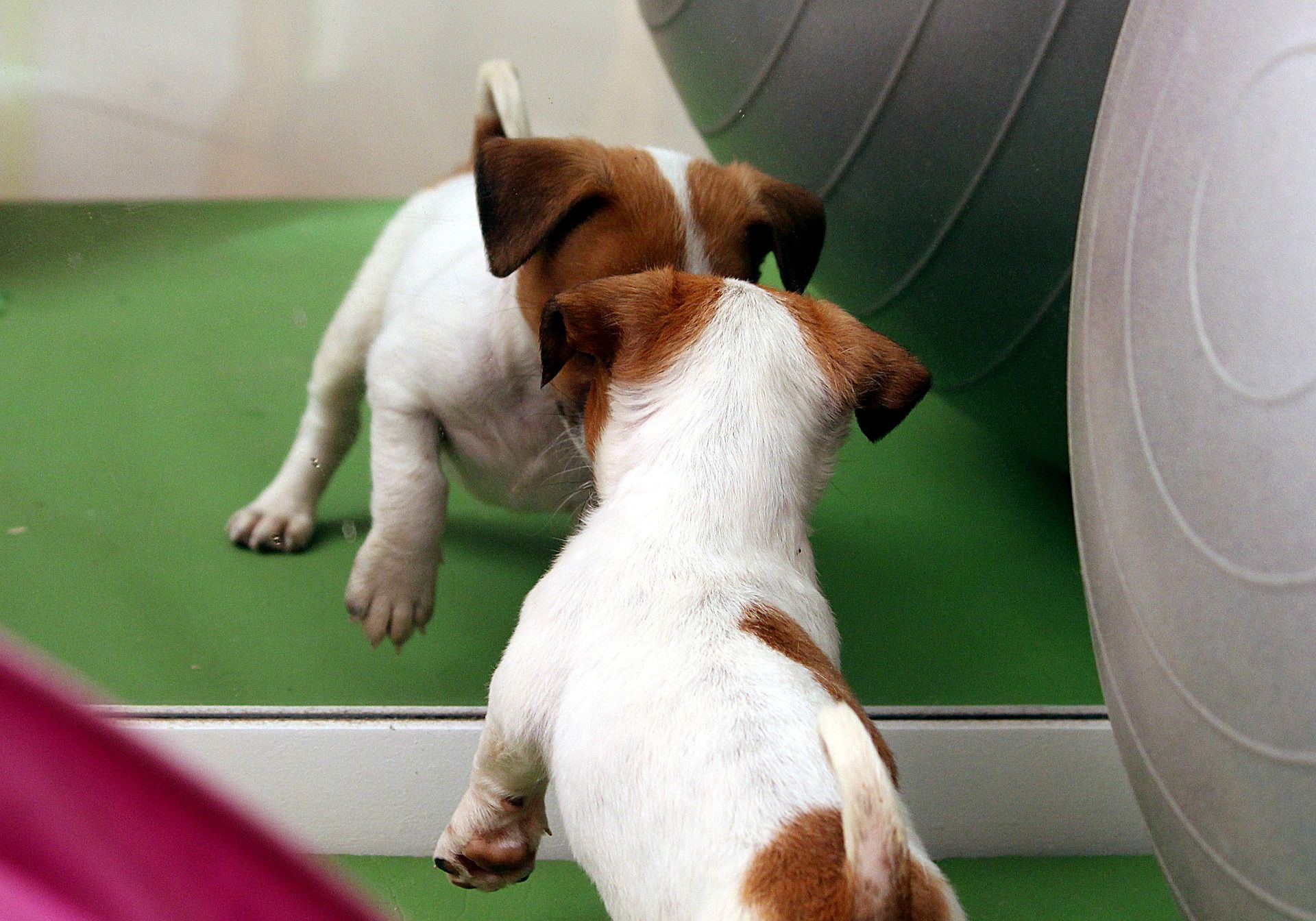
Dogs rely heavily on their sense of smell over sight. Mirrors don’t provide scent information. This may confuse them. Dogs may see their reflection but not recognize it. They might bark or play with the reflection, thinking it’s another dog. Their reaction differs from animals that pass the mirror test.
Cognition Beyond The Mirror
Dogs show intelligence in other ways. They understand commands, recognize human emotions, and solve problems. These abilities highlight their cognitive skills. The mirror test might not suit them. Dogs have different perception methods. It doesn’t mean they lack intelligence or awareness.
Other Tests For Dog Cognition
Researchers use different tests to gauge dog cognition. Problem-solving tasks and memory tests are common. These evaluate their understanding and learning abilities. Dogs excel in social cognition, especially with humans. Their ability to communicate and bond with humans is remarkable.
The Canine Perspective
Dogs live in a sensory world. Their primary sense is smell, not sight. This influences how they perceive their surroundings. Their intelligence is not bound by human tests. It’s important to understand and appreciate their unique abilities.
Credit: www.petcarerx.com
Canine Perception And Self-awareness
Canines have a unique way of perceiving the world. Their senses are acute, often relying on smell and sound. But how do they perceive themselves? Can dogs recognize themselves in the mirror? This question taps into the fascinating realm of canine perception and self-awareness.
Understanding Canine Vision
Dogs see the world differently from humans. Their color vision is limited compared to ours. They see better in low light and detect motion swiftly. This makes mirrors a puzzling encounter. Reflections may not hold the same significance for them.
The Mirror Test
The mirror test is a classic experiment in animal psychology. It assesses self-awareness. Animals are marked with a colored dot. If they notice the mark in a mirror, they might possess self-awareness. Dogs often fail this test. They may bark or paw at the reflection, not recognizing it as themselves.
Smell Over Sight
Dogs prioritize smell over sight. Their sense of smell is thousands of times stronger than ours. While mirrors reflect images, they lack scent. This could explain a dog’s disinterest or confusion with mirrors. Smell-based tests might better assess their self-awareness.
Social Creatures
Dogs are social animals. They form bonds and understand social cues. This social intelligence plays a role in their self-awareness. Recognizing themselves in social contexts may differ from recognizing a reflection.
Research And Observations
Research on canine self-awareness continues. Observations suggest dogs may recognize themselves through scent. Anecdotes of dogs recognizing their own scent-marked belongings exist. These insights contribute to understanding canine perception.
Implications For Dog Behavior
Dogs often fail to recognize their own reflection in mirrors. This behavior suggests limited self-awareness in these animals. Understanding this can help improve our interaction with pets.
Understanding whether dogs can recognize themselves in a mirror has significant implications for dog behavior. Many of us have seen our dogs bark at or ignore their reflections, leaving us to wonder about their cognitive abilities. By examining how dogs perceive mirrors, you can gain valuable insights into their self-awareness and social behavior, offering a deeper understanding of your furry friend.Can Dogs Perceive Their Reflection?
Dogs typically do not recognize themselves in mirrors as humans do. Instead, they may see another dog staring back at them. Have you noticed your dog barking or wagging their tail when they see their reflection? This reaction might indicate that they think it’s another animal rather than themselves.Does Self-recognition Matter?
Self-recognition in mirrors is often linked to higher cognitive skills. While dogs may not pass the mirror test, it doesn’t mean they lack intelligence. Dogs communicate and understand the world primarily through scent and sound, not visual cues.How Does This Affect Training?
Training your dog doesn’t rely on their ability to recognize themselves. Focus on using positive reinforcement techniques that appeal to their senses. Reward them with treats and praise to encourage desired behaviors.Social Dynamics And The Mirror
Mirrors can sometimes trigger a social response in dogs. Have you seen your dog growling at their reflection? They might be exhibiting territorial behavior. Understanding these social cues can help you manage your dog’s interactions with other animals.Are There Practical Uses Of Mirrors For Dogs?
Using mirrors in training might not be directly beneficial. However, they can be used as tools to understand your dog’s behavior. Observing how your dog reacts can provide clues to their social comfort levels and help you address behavioral issues.Engaging Your Dog’s Senses
To truly connect with your dog, engage their primary senses—smell, sound, and touch. Instead of relying on sight, use toys with different textures and scents. This approach will likely resonate more with your pet, enhancing your bond and understanding. Have you ever tried using a mirror to test your dog’s self-awareness? Observing and understanding their reactions can be a fun and enlightening experience.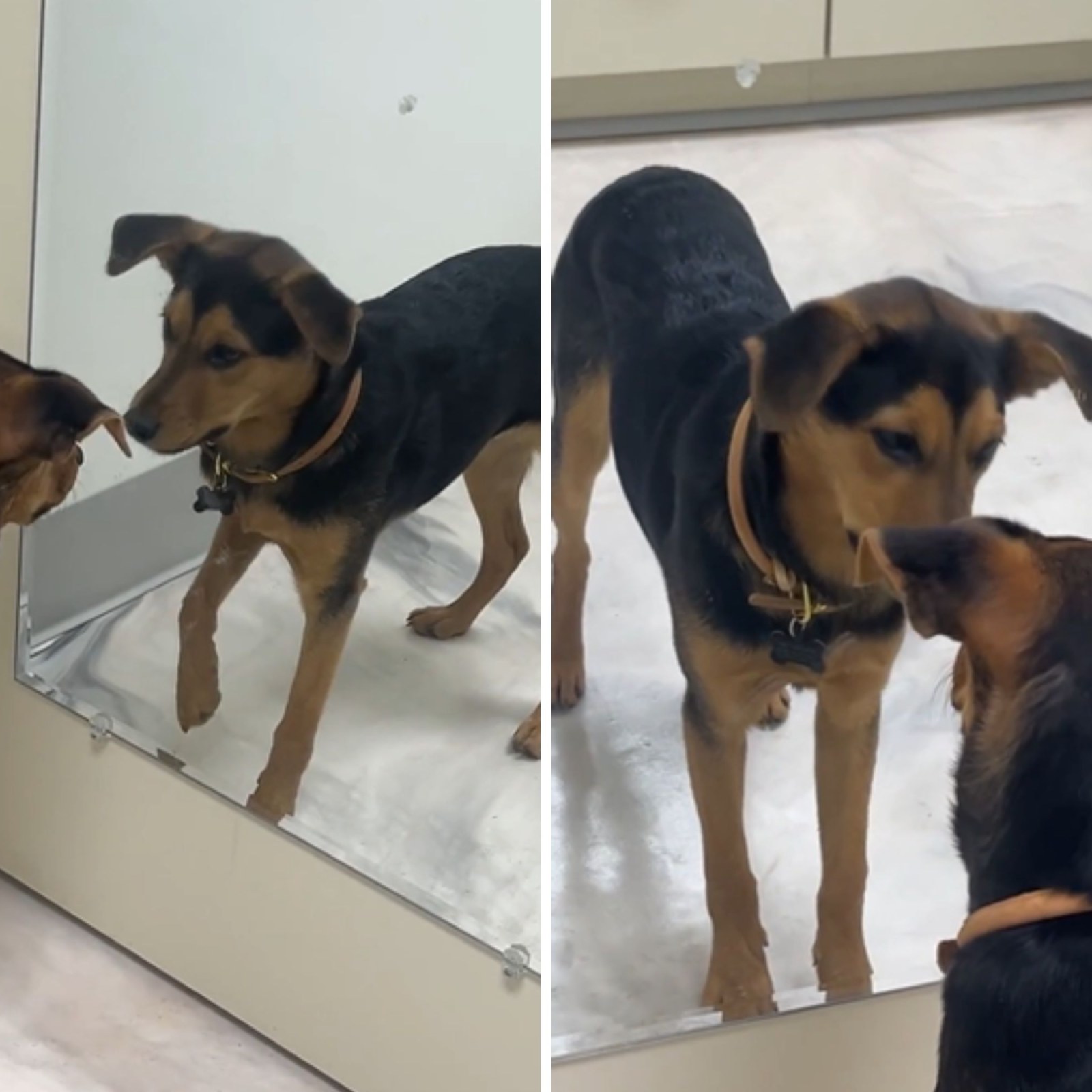
Credit: www.newsweek.com
Conclusion
Dogs and mirrors create curiosity. They don’t always see themselves. Instead, they might think it’s another dog. Some dogs may ignore mirrors. Others may bark or play. Why? Dogs rely more on smell and sound. Vision isn’t their main sense.
So, mirrors can confuse them. Understanding a dog’s behavior helps us connect better. Each dog is unique. Observing how they react can be insightful. Mirrors may not show self-awareness in dogs. But they do reveal their personalities. Keep exploring and learning with your furry friend.
Every moment is an opportunity to bond.