
Imagine walking into a room that feels like a breath of fresh air, thanks to your trusty humidifier. You love how it keeps your home comfortable, especially during dry seasons.
But as you glance around, a question pops into your mind: could this soothing device be secretly harming your beloved furniture? You’re not alone in pondering this. Many homeowners wonder if the misty benefits of humidifiers come with hidden costs.
Dive into this article to uncover the truth about how humidifiers interact with your furniture, and find out what you can do to protect your space while keeping the air just right. Your home’s comfort and style are at stake, and understanding this balance is crucial. Stay with us to discover how to make sure your furniture remains as pristine as the day you brought it home.

Credit: www.furnituremedic-mastercare.com
Impact Of Humidity On Wood
Wood furniture often suffers due to changes in humidity levels. Humidifiers, while beneficial for air quality, can cause harm if used excessively. Wood is a natural material that reacts to environmental moisture. Understanding these effects is crucial for preserving furniture.
How Moisture Affects Wood Structure
Wood absorbs moisture from the air. This can lead to expansion. When humidity decreases, wood contracts. Constant changes can weaken the structure. Cracks and splits might appear over time.
Surface Damage Concerns
Excessive humidity can warp surfaces. The smoothness of a wooden table may change. Warping affects appearance and functionality. Maintaining balanced humidity levels is important.
Preventing Furniture Damage
Monitor room humidity with a hygrometer. Keep levels between 30% and 50%. Use humidifiers sparingly. Ensure proper ventilation in rooms with wooden furniture. Regularly check for signs of damage.
Long-term Effects On Durability
Prolonged exposure to high humidity reduces wood lifespan. Furniture may lose strength and stability. Proper care extends durability and keeps furniture looking great.
Choosing The Right Humidifier
Selecting a humidifier involves considering its impact on furniture. Excessive moisture can lead to wood warping or mold growth. Proper settings and regular maintenance help prevent these issues, ensuring furniture stays safe and intact.
Choosing the right humidifier can make a big difference in maintaining your home’s comfort and protecting your furniture. Not all humidifiers are created equal, and selecting the wrong type can lead to moisture issues that may damage your beloved pieces. It’s crucial to understand the different options available and how they fit into your lifestyle and home environment.Understanding Humidity Levels
Knowing the ideal humidity level for your home is key. Generally, maintaining indoor humidity between 30-50% is considered safe for most furniture. Anything above this might cause wood to swell or warp. Use a hygrometer to monitor your room’s humidity levels. It’s a simple device that provides valuable insights into whether your humidifier is doing its job correctly.Types Of Humidifiers
There are several types of humidifiers available, each with its own pros and cons. Evaporative humidifiers are cost-effective and suitable for larger spaces, but they can be noisy. Ultrasonic humidifiers are quieter and energy-efficient, but they require regular cleaning to prevent mold. Warm mist humidifiers are great for relieving cold symptoms but may not be ideal for wood furniture due to the heat they produce.Size And Placement
The size of your humidifier matters. Small models are perfect for bedrooms, while larger units work well in living rooms. Placement is equally important. Avoid placing a humidifier directly next to wooden furniture. Instead, position it at a safe distance to distribute moisture evenly throughout the room. This prevents any concentrated moisture from potentially damaging your furniture.Maintenance And Care
Regular maintenance extends the life of your humidifier and protects your furniture. Clean the unit as per the manufacturer’s instructions to prevent mold and bacteria buildup. Change filters frequently if your model requires it. Neglecting these tasks can lead to furniture damage and health issues, so it’s worth staying on top of them.Personal Experience
I once placed a small humidifier too close to my antique wooden table, thinking it would help preserve its beauty. Instead, it caused the wood to warp slightly due to excess moisture. This taught me the importance of proper placement and monitoring humidity levels. It’s a lesson that made me more mindful about choosing and using humidifiers in a way that protects my furniture.Ask Yourself
Are you aware of your home’s current humidity levels? Is your humidifier the right type for your space? Taking a moment to answer these questions can help you make informed decisions that safeguard your furniture against unintended damage. Consider if your humidifier is enhancing your home’s comfort without compromising your valuable items.Preventive Measures For Furniture Care
Humidifiers can impact furniture, especially if moisture levels are too high. Wood may warp or crack over time. Keep humidity balanced to protect your furniture from damage. Regularly check and adjust your humidifier settings.
Humidity can be a boon for your health, especially in dry climates or during winter months. However, it can also pose a risk to your furniture if not managed properly. Excess moisture can lead to warping, discoloration, and even mold growth on your beloved pieces. The good news is that you can enjoy the benefits of a humidifier without sacrificing your furniture. Let’s dive into some practical preventive measures to keep your furniture in tip-top shape.Monitor Humidity Levels
It’s crucial to keep an eye on the humidity levels in your home. Ideally, you want to maintain a relative humidity between 30% and 50%. You can easily measure this with a hygrometer, a small device that gives you real-time data. If you notice the levels creeping up, adjust your humidifier settings accordingly.Position Your Humidifier Strategically
Where you place your humidifier matters. Keep it at a safe distance from wooden furniture, walls, and electronics. Consider placing it in the center of the room to distribute moisture evenly. This not only protects your furniture but also optimizes the humidifier’s efficiency.Use A Humidity Tray
Ever considered a humidity tray? It’s a simple and effective way to keep excess moisture in check. Place a tray filled with pebbles and water underneath your plants or near your humidifier. It will naturally regulate the humidity level without soaking your furniture.Regularly Clean And Maintain Your Humidifier
A clean humidifier is less likely to cause damage. Follow the manufacturer’s instructions for cleaning and maintenance. Neglecting this can lead to the growth of bacteria and mold, which can spill over into the air and onto your furniture. Regular upkeep ensures a healthier environment for you and your furnishings.Apply Furniture Protectants
Furniture polish or wax can provide a protective layer against moisture. Consider using a high-quality product designed for your type of furniture. This barrier helps in preventing moisture absorption, reducing the risk of warping and staining. Your furniture remains not just functional but also aesthetically pleasing.Rotate And Move Your Furniture
Have you thought about rearranging your furniture periodically? It’s a simple yet effective strategy. By rotating and moving pieces, you can prevent any one area from being constantly exposed to moisture. Plus, it’s a fun way to refresh your living space! Are you taking these preventive measures to protect your furniture? If not, now’s a great time to start. Your furniture deserves care and attention, just like any other cherished possession.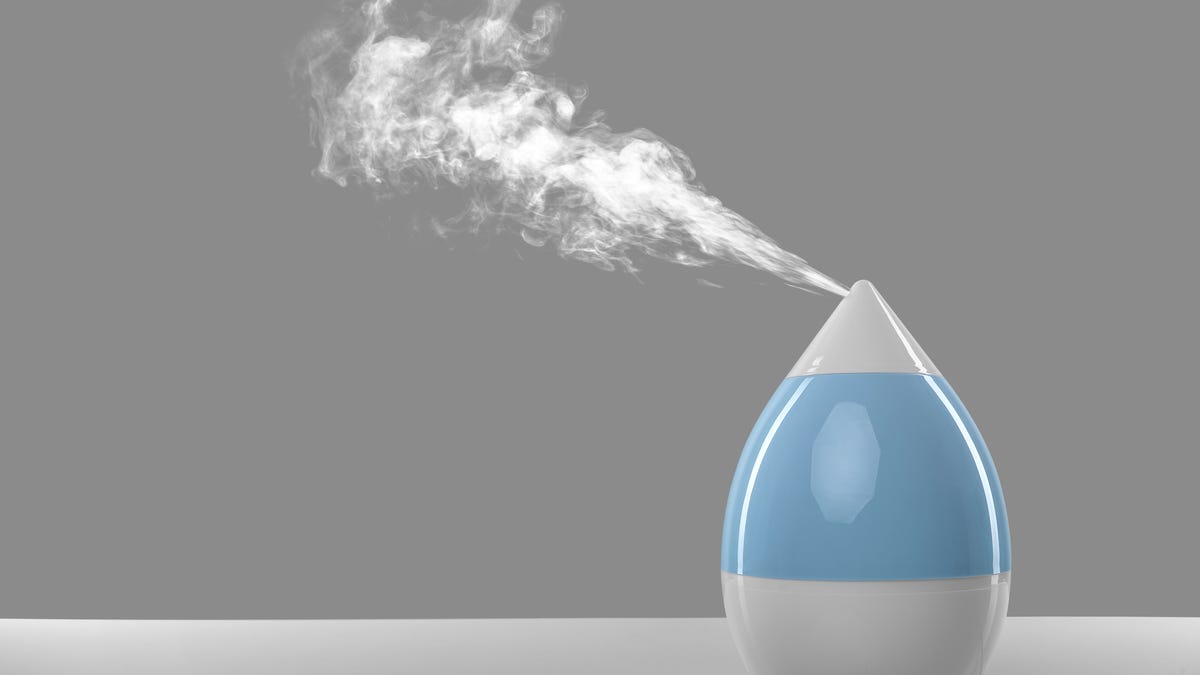
Credit: www.cnet.com

Credit: www.reddit.com
Conclusion
Balancing humidity levels is key to protecting furniture. Too much moisture can harm wood. Mold and warping are common issues. On the other hand, dry air can cause cracks. A hygrometer helps maintain ideal levels. Aim for 30-50% humidity indoors.
Regular checks ensure your furniture stays safe. Also, consider placing humidifiers away from wooden surfaces. This simple step can prevent damage. Choose a humidifier with adjustable settings. This helps manage moisture better. Protecting furniture doesn’t have to be hard. Just follow these simple tips for a balanced home environment.
Your furniture will thank you.