
Have you ever looked at a piece of furniture in your home and thought about giving it a fresh look? Maybe that old dresser is feeling a bit outdated, or your coffee table could use a splash of color.
You might wonder, “Can I paint furniture with interior paint? ” It’s a question many of us ponder when considering a quick and budget-friendly home makeover. You’re not alone in this thought. The good news is that with the right approach, you can transform your furniture using interior paint, adding new life to your space without the hefty price tag of buying new pieces.
Stick around, and you’ll discover how to do it effectively, ensuring that the results are not only beautiful but durable, too. Ready to learn the secrets of furniture transformation? Let’s dive in!

Credit: www.clare.com
Choosing The Right Interior Paint
Painting furniture with interior paint can be a practical choice. Interior paint works well on wood surfaces. Always prepare by sanding and priming for a smooth finish. Choose the right type for durability and ease of cleaning.
Choosing the right interior paint for your furniture can transform a piece from drab to fab. But with so many options available, how do you know which one to pick? It’s not just about color; the finish and durability matter too. Let’s explore how to make the best choice for your furniture makeover.Understanding Paint Types
When selecting paint, you’ll encounter terms like latex, acrylic, and oil-based. Latex paint is water-based, easy to clean, and dries quickly. Acrylic paint is similar but tends to be more durable. Oil-based paint, though less common, offers a tough finish but takes longer to dry. Consider the material of your furniture and how much wear and tear it will face. Would you prefer easy cleanup or maximum durability?Choosing The Right Finish
The finish of your paint can significantly affect the look and feel of your furniture. Matte finishes offer a smooth, non-reflective surface but can be harder to clean. Satin and semi-gloss finishes provide a bit of shine and are easier to wipe down. High-gloss finishes are the shiniest, making them ideal for modern pieces. Think about the style you want to achieve. Are you aiming for a classic look or something more contemporary?Color Selection Tips
The color you choose can set the tone for the entire room. Neutrals like whites and grays are timeless and versatile, while bold colors can make a statement. Consider the existing color scheme in your space. Will your new furniture color complement or contrast with other elements? Personal taste plays a huge role here. Do you want your furniture to blend in or stand out?Testing Before Committing
Before painting the entire piece, test your chosen paint on a small, inconspicuous area. This will help you see how the color and finish look on the actual material. Check the paint’s adhesion and how it looks under different lighting conditions. This little step can save you from potential disappointment. Have you ever painted something only to realize it wasn’t what you imagined?Considering Environmental Factors
Some paints emit VOCs (volatile organic compounds), which can affect indoor air quality. Low-VOC or no-VOC paints are better for the environment and your health. If you’re painting indoors, ventilation is crucial. Are you prepared to deal with the smell and potential health impacts, or would you prefer a more eco-friendly option? Choosing the right interior paint is a mix of understanding your needs, the furniture’s requirements, and your aesthetic goals. By considering these factors, you ensure a successful painting project that you’ll enjoy for years.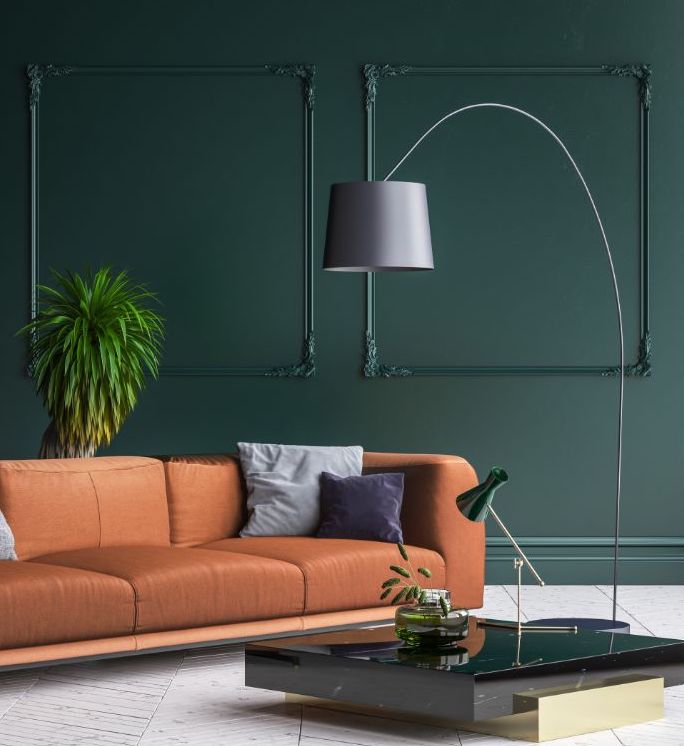
Credit: www.paintzen.com
Preparing Furniture For Painting
Painting furniture with interior paint is possible and often effective. Ensure proper preparation by cleaning surfaces and sanding them for better adhesion. Use primer to enhance durability and finish quality, allowing the paint to adhere smoothly.
Painting furniture is a fantastic way to breathe new life into your space, but before you dive in with a paintbrush, preparation is key. Without proper preparation, the paint might not adhere well, leading to a disappointing finish. Ensuring you spend time on prepping your furniture will save you time and effort later. Plus, it can be surprisingly satisfying!Understanding Your Furniture
Before you begin, you must know what type of furniture you’re working with. Is it wood, laminate, or metal? Each material requires different preparation methods. For example, wooden furniture might need sanding to smooth out imperfections, while metal pieces could benefit from a rust-preventive primer.Cleaning Is Crucial
Dust, dirt, and grease can ruin your paint job. Clean your furniture thoroughly with a mild detergent and warm water. Don’t just wipe the surface; get into nooks and crannies. How often have you started a project only to realize halfway through that you missed a spot?Sanding And Smoothing
Sanding is an essential step in furniture preparation. It helps the paint adhere better and smooths out any rough patches. Use medium-grit sandpaper for the initial sanding and finish with a finer grit. Trust me, your future self will thank you when the paint goes on flawlessly.Priming For Success
Primer acts as a foundation for your paint, ensuring better adhesion and a more vibrant finish. Choose a primer suitable for the material of your furniture. Remember when you tried painting that old chair without priming it first? The results were less than ideal.Taping And Protecting
Protect areas you don’t want to paint with painter’s tape. This includes edges, handles, and any decorative features you wish to keep pristine. It’s a simple step, yet skipping it can lead to unnecessary cleanup later.Testing Your Paint
Before committing to a full paint job, test your chosen paint on a small, inconspicuous area. This will give you a sense of how the color looks and behaves on the material. Did you ever paint a whole piece, only to find the shade wasn’t what you expected? Testing first can save you from that disappointment. Taking these preparation steps can make the difference between a furniture transformation that looks professional and one that screams DIY gone wrong. Are you ready to give your furniture the makeover it deserves?Tips For A Smooth Finish
Painting furniture with interior paint can achieve a smooth finish if done right. Sand the surface to create a good base. Apply thin layers for even coverage, allowing each to dry properly before adding the next.
Painting furniture with interior paint can be a rewarding project that transforms your living space. But achieving a smooth finish can be tricky. You’ve probably experienced the disappointment of visible brush strokes or uneven coverage. Here are some practical tips to help you get that flawless finish when using interior paint on furniture.Preparation Is Key
Start with a clean surface. Dust and dirt can ruin the paint’s finish. Use a mild soap and water to wash the furniture, then let it dry completely. Sanding is your next crucial step. It helps the paint adhere better and smoothens out imperfections. Use fine-grit sandpaper for a gentle touch.Choose The Right Tools
The tools you use make a big difference. Invest in high-quality brushes or rollers. A brush is great for detailed work, while rollers cover large surfaces quickly. Remember, cheap tools can lead to uneven application and frustration.Prime For Success
Priming is a game-changer. It creates a perfect base for the paint and enhances its durability. Choose a primer that suits your furniture material. Apply it evenly and allow it to dry thoroughly. Skipping this step can lead to peeling and poor finish.Mind The Environment
Paint in a controlled environment. Extreme temperatures or humidity can affect the paint’s drying process. A stable room temperature is ideal. Also, ensure good ventilation to help the paint dry smoothly and reduce fumes.Layering Technique
Apply paint in thin layers. Thick layers can lead to runs and uneven drying. Start with a thin coat and let it dry completely before adding another. This patience pays off with a smooth and professional look.Final Touches
Once the paint is dry, consider a protective top coat. It guards against scratches and adds a polished finish. Choose a clear varnish or sealant that complements your paint choice. This step is the cherry on top for durability and aesthetics. Engaging in furniture painting can be a fun way to express creativity. Have you ever thought about the impact of color on your mood? As you choose your paint, consider how the hue might change the feel of your space. Whether you’re going for bold or subtle, these tips will help you achieve a finish that you can be proud of.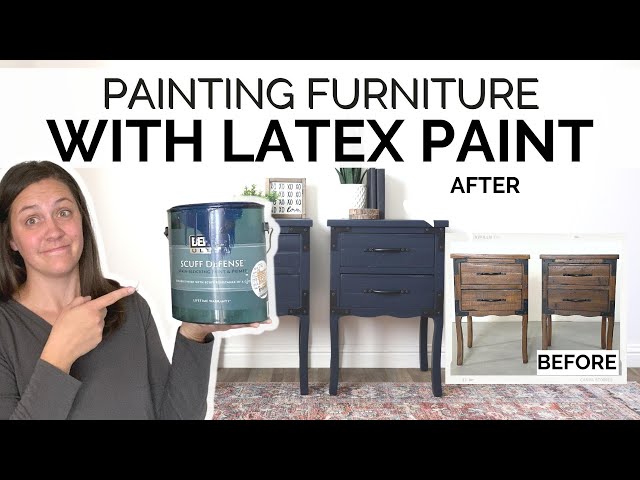
Credit: www.youtube.com
Conclusion
Painting furniture with interior paint is possible and practical. It offers an easy way to refresh your decor. Choose the right type of paint for best results. Consider the furniture material before painting. Proper preparation is key. Sand, clean, and prime the surface.
This ensures a smooth finish. Allow the paint to dry completely. It enhances durability and appearance. Experiment with colors and styles. Transform old pieces into something new. Enjoy the creative process. Your furniture will look fresh and stylish.