
Have you ever looked at a piece of wood furniture and thought about giving it a fresh new look? Maybe you’ve got some leftover wall paint, and you’re wondering if you can use it to transform that old chair or table.
It’s a tempting idea, isn’t it? After all, wall paint comes in a wide array of colors and finishes, and using what you already have could save you both time and money. But before you dip your brush into that can, it’s important to know how wall paint interacts with wood surfaces.
Using the right paint not only enhances the beauty of your furniture but also ensures it stands the test of time. So, can wall paint be your go-to solution? Or should you be looking at alternatives? We’ll dive into the pros and cons, provide expert tips, and guide you on how to achieve the best results. Keep reading to discover how you can make an informed choice and get the stunning furniture makeover you’re dreaming of!
Choosing The Right Paint
Choosing the right paint for wood furniture can be a challenge. Not all paints work well on wood surfaces. Using the wrong paint can lead to peeling and poor finish. Understanding the types of paint available is crucial. Let’s explore how to select the right paint for your wood furniture projects.
Types Of Paint Suitable For Wood
Latex paint is a popular choice for furniture. It dries quickly and is easy to clean. Latex provides a smooth finish and is available in many colors. Oil-based paints also work well on wood. They offer a durable, glossy finish. However, oil-based paints take longer to dry. Acrylic paint is another option. It is water-based and dries fast. It is great for artistic projects on furniture.
Consider The Finish
Think about the finish you want on your furniture. Do you prefer a glossy, matte, or satin look? Glossy finishes are shiny and reflect light. They are easy to clean but show imperfections. Matte finishes are flat and do not shine. They hide flaws but can be harder to clean. Satin finishes are in between glossy and matte. They offer a soft sheen.
Durability And Maintenance
Consider how often the furniture will be used. High-traffic pieces need durable paint. Oil-based paints are more resistant to wear. Latex paints can also be durable with the right finish. Think about maintenance too. Some paints require more care over time.
Environmental Impact
Many paints release volatile organic compounds (VOCs). These are harmful to the environment and health. Look for low-VOC or VOC-free options. They are safer and more eco-friendly. Consider the paint’s impact on indoor air quality. Choosing low-VOC paints can make your home healthier.
:max_bytes(150000):strip_icc()/what-is-chalk-paint-0109-2f32a09a5340483a933376305acac191.JPG)
Credit: www.marthastewart.com
Preparing The Furniture Surface
Before painting wood furniture with wall paint, ensure the surface is clean and smooth. Sand any rough areas and remove dust. This preparation helps the paint stick better and look even.
When it comes to transforming your wooden furniture with wall paint, the key to success lies in the preparation of the surface. Skipping this crucial step can lead to a blotchy finish or peeling paint. Think of it as setting the stage for a masterpiece. You might have a favorite wooden chair at home that needs a facelift; the right prep work ensures that your vision becomes reality.Cleaning The Surface
Start by giving your furniture a good cleaning. Dust, grime, and old polish can act as barriers between the paint and the wood. Use a damp cloth and mild soap to wipe everything down. Cleaning not only makes the surface ready for painting but also helps you identify any areas that need extra attention. Did you notice any sticky spots or stubborn stains while cleaning? Address them before moving forward.Sanding For Smoothness
Sanding is your next step, and it’s critical for a smooth finish. Grab sandpaper and start with a coarse grit to remove imperfections, then switch to a finer grit to smooth it out. Feel the surface with your hand; it should be as smooth as a baby’s skin. If you skip sanding, your paint may not adhere properly, causing an uneven look. Have you ever painted over an unsanded surface? It’s like trying to write on a crumpled piece of paper.Fixing Imperfections
Inspect your furniture for any dents or scratches. Wood filler can be your best friend here; it fills in gaps and provides a uniform surface. Once the filler dries, sand it down for an even finish. Fixing these imperfections ensures that your paint job will look professional. Imagine painting over a scratched surface—those flaws will only become more noticeable.Priming The Surface
Priming is the bridge between your wood and paint. Choose a primer designed for wood surfaces; it helps seal the wood and provides a solid base for your paint. Apply a thin layer and let it dry completely. Priming is like laying the foundation of a house; it strengthens the final result. Have you ever skipped priming and watched your paint bubble or peel? That’s a lesson learned the hard way.Final Touches Before Painting
Before you reach for the paintbrush, do a final check. Ensure the surface is clean, dry, and free from any dust. This last inspection can save you from future headaches. Are you ready to see your furniture transform with a fresh coat of paint? Remember, preparation is the secret ingredient to a flawless finish.Applying Paint Effectively
Applying paint effectively on wood furniture can transform any piece into a stunning focal point in your home. Whether you’ve discovered a hidden gem at a thrift store or want to refresh an old family heirloom, knowing the right techniques is essential. This section will guide you through achieving a professional-looking finish without the stress.
Preparing Your Workspace
First, create a space that is clean and free of dust. Dust can ruin your paint finish and drive you crazy trying to fix it later. A well-lit area helps you spot any imperfections as you go.
Lay down a drop cloth or old newspaper to protect your floor. You don’t want paint splatters ruining your carpet or hardwood.
Choosing The Right Tools
Invest in quality brushes and rollers. Cheap brushes can leave bristles in your paint, which is frustrating to remove.
A foam roller is ideal for smooth surfaces, providing a sleek finish on flat areas. Brushes are perfect for detailed corners and edges.
Priming The Surface
Don’t skip primer. It helps the paint adhere better and provides a uniform base color. This is especially important if the wood is dark and you’re painting it a lighter shade.
Apply a thin layer of primer and let it dry completely. A rushed job leads to peeling paint, ruining your hard work.
Applying The Paint
Start with thin coats. Thick layers can lead to drips and uneven texture. Multiple thin layers ensure a smooth and durable finish.
Use long, even strokes with your brush or roller. This technique reduces brush marks and unevenness.
Letting It Dry
Patience is key. Allow each coat to dry thoroughly before applying the next. This might take longer than expected, but it’s worth it.
If you’re in a hurry, consider using a fan to speed up drying. But make sure dust isn’t blowing around, as it can stick to the wet paint.
Adding Finishing Touches
Once dry, consider a topcoat for extra protection. A clear sealant can add durability, especially for furniture in high-traffic areas.
Think about how often you’ll use the furniture. Do you want a glossy finish or a matte look? The choice can impact the final appearance.
Have you tried painting wood furniture before? What challenges did you face? Share your experiences in the comments below. Your insights might help someone else achieve their perfect painted piece.

Credit: www.clare.com
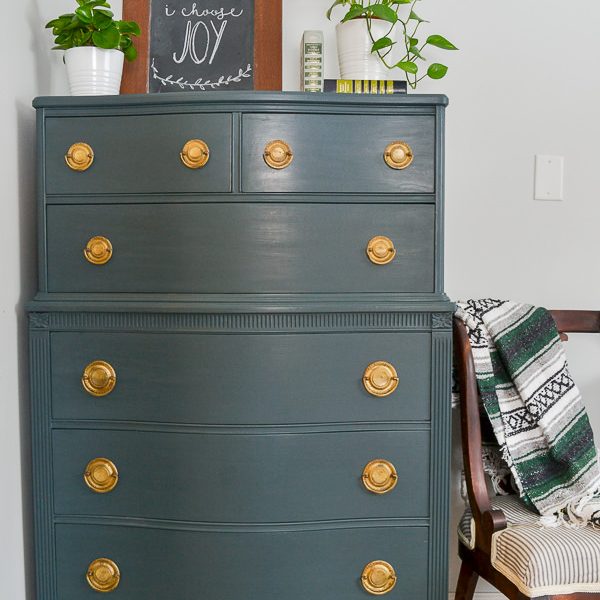
Credit: refreshliving.us
Conclusion
Painting wood furniture with wall paint is possible with care. Proper preparation is key. Sanding the surface helps the paint stick better. Using a primer can also enhance durability. Choose the right type of wall paint for best results. Test a small area first to see how it looks.
Consider using a sealant for added protection. This ensures your furniture lasts longer and looks great. Wall paint can refresh your wood pieces easily. With these steps, you can achieve a nice, new look for your furniture. Enjoy your updated home décor!