
Imagine sinking into your favorite leather chair, only to notice a scratch or tear marring its surface. You might wonder if your beloved piece of furniture is beyond saving or if there’s hope for restoration.
The good news? Leather furniture can often be repaired, bringing it back to life and extending its lifespan. In this guide, you’ll discover the secrets to reviving your leather items, from small touch-ups to more significant fixes. Whether you’re dealing with minor scuffs or major damage, understanding the repair possibilities can save you both money and the heartache of parting with a cherished piece.
Let’s explore how you can restore your leather furniture to its former glory, turning imperfections into stories of resilience and renewal. Keep reading to find out how you can be the hero of your own furniture restoration tale.
Credit: www.youtube.com
Common Types Of Leather Damage
Leather furniture often suffers from scratches, stains, and fading. These damages can usually be repaired with proper care. Restoring leather furniture maintains its beauty and prolongs its life.
Leather furniture brings an undeniable charm and elegance to any home. Yet, like any cherished possession, it’s prone to wear and tear. Understanding the common types of leather damage can help you maintain your furniture’s allure and extend its life. Whether it’s a minor scratch or a major tear, knowing what you’re dealing with can make all the difference.Scratches And Scuffs
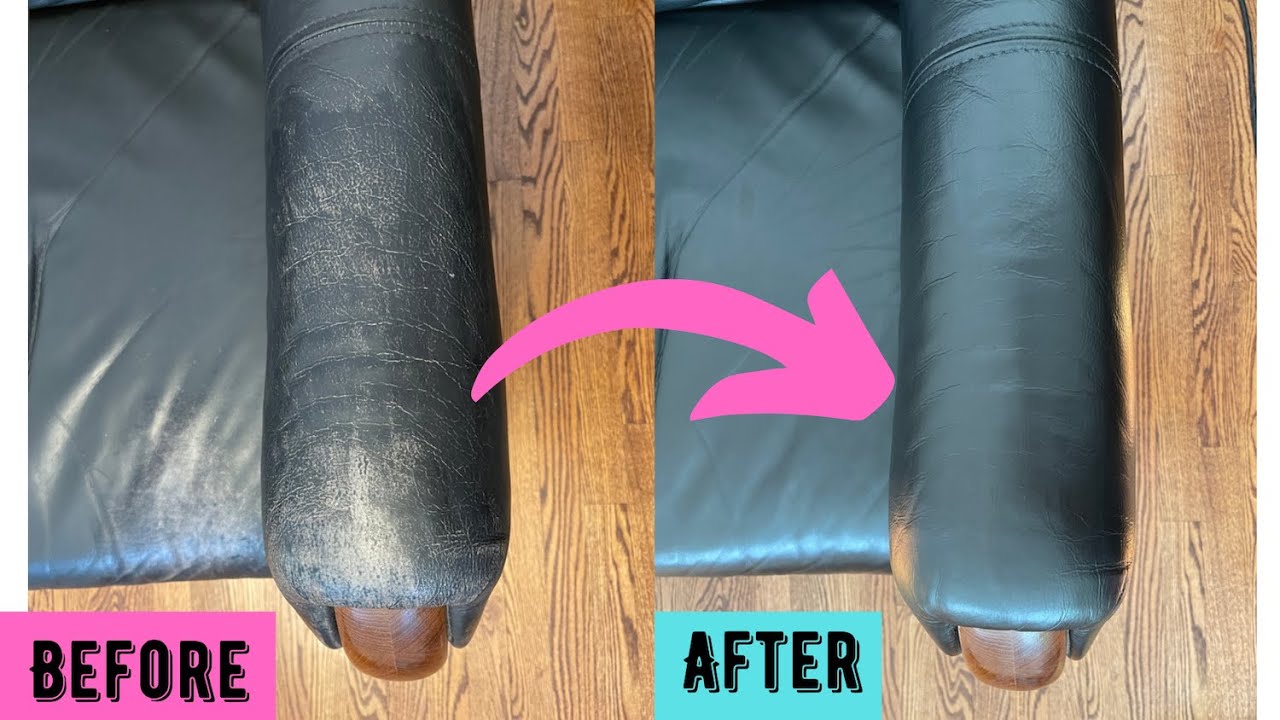
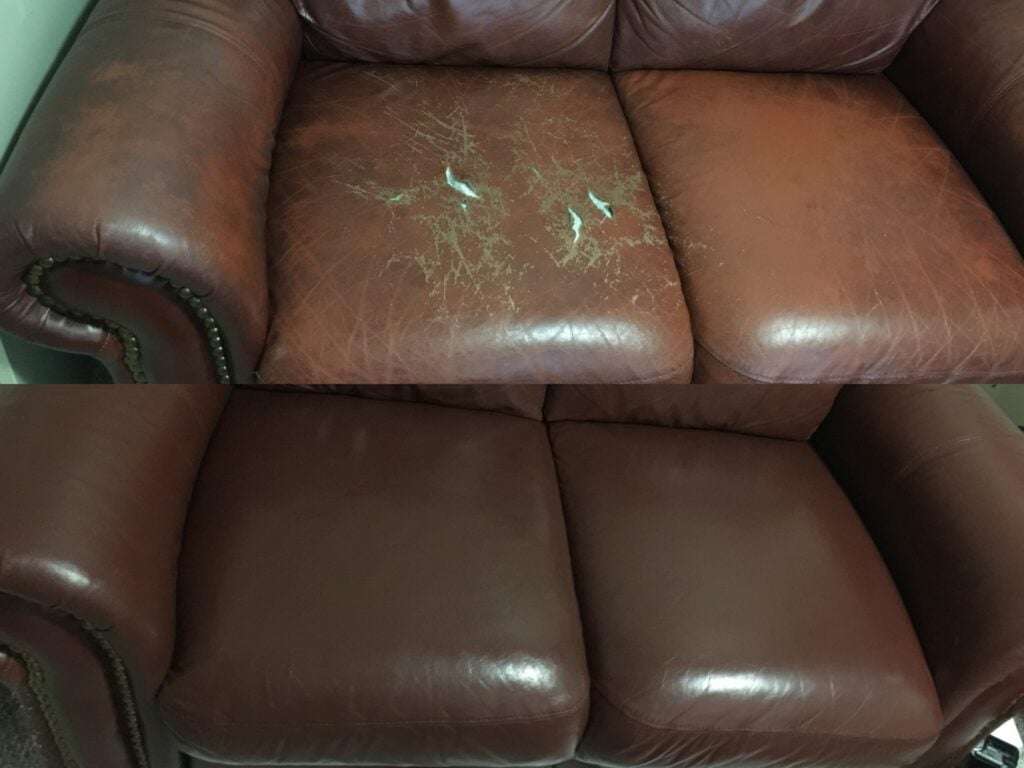
Leather is a durable material, but it’s not indestructible. Pets, keys, and even your clothing can cause scratches and scuffs. You might have noticed faint lines or marks on your sofa, which can be bothersome. These usually affect the surface layer and can often be corrected with a leather conditioner or polish. Have you tried using a shoe polish that matches the color of your leather? It can work wonders in concealing small scuffs.Cracks And Fading
Over time, leather can lose its natural oils, leading to cracks and fading. This is especially common in areas exposed to sunlight or heat. You might find that your once vibrant couch now looks dull and lifeless. Regular conditioning can help replenish the oils and preserve the leather’s rich color. Are you positioning your furniture away from direct sunlight? It’s a simple step that can prevent further damage.Stains And Spills
Life happens, and so do spills and stains. Whether it’s a glass of wine or your morning coffee, liquids can leave unsightly marks on leather. Have you ever panicked over a spill, unsure of how to clean it without causing more damage? Quickly blotting the spill with a clean cloth can prevent it from seeping into the leather. Avoid rubbing, as this can spread the stain. Did you know using a dedicated leather cleaner can effectively address stubborn stains?Tears And Holes
Tears and holes are more severe forms of damage and can be disheartening. These often occur in high-use areas or from accidents. Have you felt that sinking feeling when you notice a tear on your favorite chair? Don’t despair. Small tears can be repaired with leather adhesive or patch kits available online. For larger damage, consulting a professional might be the best course of action. Leather furniture is an investment worth protecting. By understanding and addressing common types of damage, you can ensure your leather pieces remain as beautiful as the day you bought them. What steps are you taking to care for your leather furniture? Your efforts will not only preserve its appearance but also enhance your living space.Repair Techniques And Materials
Leather furniture adds elegance to any space. Over time, it may wear out or get damaged. Repairing leather is a practical way to extend its lifespan. Knowing the right techniques and materials is crucial. This guide will explore effective methods and tools for fixing leather furniture.
Understanding Leather Types
Different leather types need specific repair methods. Genuine leather is durable but can crack. Bonded leather may peel. Recognizing the type helps in choosing the right repair approach. Check the label or consult a professional.
Common Repair Techniques
Leather repairs can vary. Patching is one popular method. It involves attaching a piece of leather to cover holes. Seam stitching is used for split seams. Cleaning and conditioning restore leather’s shine. Each technique requires precision.
Essential Materials For Repair
Several materials are vital for leather repair. Leather patches, adhesives, and fillers are commonly used. A leather repair kit often includes these essentials. Quality materials ensure a smooth finish. Proper tools help achieve professional results.
Some repairs can be done at home. Small scratches or minor scuffs are manageable. For extensive damage, professional help is advisable. Experts ensure high-quality restoration. They have access to advanced tools and techniques.
Preservation Tips
Regular maintenance prevents severe damage. Use conditioners to keep leather soft. Avoid direct sunlight to prevent fading. Clean spills immediately. These practices prolong the life of leather furniture.
Professional Vs Diy Repair
Leather furniture can suffer wear and tear over time. Scratches, fading, or tears can occur. Deciding between professional and DIY repair methods can be challenging. Understanding the pros and cons of each approach helps make informed choices.
Professional Repair Services
Professional repair offers expertise. Technicians have specialized tools. They use high-quality materials for repairs. Professionals can match colors perfectly. They ensure the repair blends seamlessly. Complex damage often requires a professional touch. Their experience guarantees long-lasting results.
Diy Repair Techniques
DIY repair is cost-effective. It allows personal involvement in the process. Kits are available for small scratches and minor tears. Online tutorials guide through simple repairs. DIY is suitable for minor damage. It can be satisfying to fix furniture yourself.
Cost Comparison
Professional repair can be expensive. It might be worth the investment for significant damage. DIY methods are budget-friendly. They save money on small fixes. Weighing costs helps decide the best approach.
Time Considerations
Professional repairs can take time. Scheduling and waiting for service can delay results. DIY repairs offer immediate solutions. Quick fixes are possible with the right tools. Consider your time availability before choosing.
Skill Levels Required
Professional repairs require no skills from you. Experts handle everything. DIY repairs need basic skills. Understanding tools and materials is necessary. Assess your comfort level with repair tasks.

Credit: crystalfurnitech.com
Credit: rubnrestore.com
Conclusion
Leather furniture can often be repaired effectively. Small scratches or tears may need simple fixes. Larger damages might require professional help. Repairing leather can extend its life. It also saves money over buying new. Consider the type of damage first.
Then decide the best repair method. DIY kits are available for minor issues. Professionals handle more complex repairs. Maintain your leather to prevent future problems. Regular cleaning and conditioning helps. With care, leather furniture stays beautiful and functional. Investing time in repairs pays off.
Enjoy your elegant leather pieces for years to come.