
Imagine sitting in your favorite armchair, perhaps one passed down through generations, only to discover a musty smell or unsightly patches marring its surface. Mold on furniture is not just an aesthetic issue; it can also pose health risks and damage your cherished pieces.
But don’t worry, you’re not alone in this battle. You might be wondering if it’s possible to remove mold from your furniture and restore it to its former glory. The answer is a resounding yes, and we’re here to guide you through the process.
By understanding the steps and methods available, you can reclaim your living space and preserve the furniture you love. Keep reading to learn how you can effectively tackle this common household problem and ensure a healthier home environment for you and your family.
Identifying Mold On Furniture
Mold can be a sneaky invader in our homes. It often hides in places we don’t immediately notice. Furniture is a common target. Recognizing mold early can save your beloved pieces. It also keeps your home healthy. But, how do you spot mold on furniture?
How Mold Appears On Different Materials
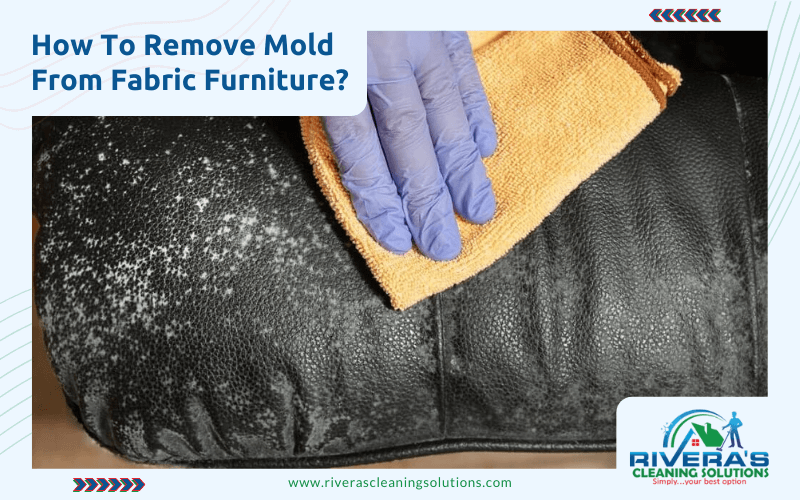
Mold doesn’t look the same on all surfaces. On wood, it often appears as black spots. On fabric, it might show as fuzzy patches. Leather may have green or white growths. Each material reacts differently to mold.
Signs Of Mold Presence
Smell is a big clue. Mold has a musty, earthy scent. Check for discoloration on surfaces. Feel the texture. Mold leaves a soft or slimy feel. Don’t ignore these signs.
Common Furniture Prone To Mold
Wooden furniture is a frequent victim. So are upholstered pieces like sofas. Leather items can also harbor mold. Any piece in damp conditions is at risk. Knowing this helps in prevention.
Environmental Factors Encouraging Mold Growth
Humidity creates a perfect environment for mold. Poor ventilation adds to the risk. Damp rooms, like basements, attract mold. So, checking furniture in these spots is crucial.
Tools For Detecting Mold
A flashlight helps see hidden spots. A moisture meter checks humidity. Keep a clean cloth for wiping surfaces. These tools aid in mold detection. They are simple but effective.
Credit: riverascleaningsolutions.com
Effective Mold Removal Techniques
Mold can often find its way onto furniture, causing damage and health issues. Removing mold involves cleaning with a mixture of water and vinegar. Ensure proper ventilation to prevent mold from returning.
Removing mold from furniture is not just about improving aesthetics; it’s crucial for maintaining a healthy living environment. Mold can cause allergic reactions and respiratory issues, making it imperative to address it promptly. Effective mold removal techniques can save your beloved furniture pieces and protect your home from unwanted health hazards.Identify The Type Of Mold
Before starting the removal process, identify the type of mold you’re dealing with. Different molds require different approaches. Use a flashlight to examine the furniture closely. Is it fuzzy, or does it appear slimy? Knowing this helps you choose the right cleaning method.Use Natural Cleaning Solutions
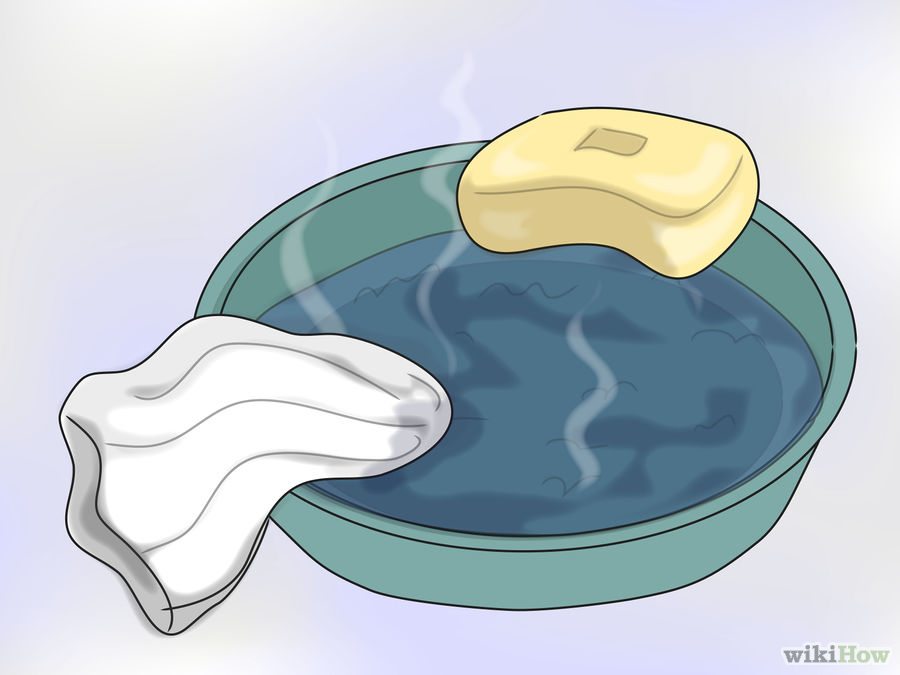
Natural solutions can be effective and eco-friendly. Mix vinegar and water in equal parts and spray it on the affected area. Let it sit for a few minutes and then wipe it off with a clean cloth. Vinegar is known for its antibacterial properties and can kill many types of mold.Apply Commercial Mold Removers
Sometimes, natural solutions might not be enough. In such cases, opt for commercial mold removers. These products are specifically designed to tackle stubborn molds. Follow the instructions on the label carefully to ensure safety and effectiveness.Ensure Proper Ventilation
After cleaning, make sure the furniture is placed in a well-ventilated area. Mold thrives in damp environments, so airing out your space can prevent mold from returning. Open windows or use fans to circulate air.Consider Professional Help
If mold persists despite your efforts, it might be time to call in professionals. They have the tools and expertise to handle severe cases. Don’t wait until mold becomes a serious problem; consult experts to ensure your furniture and home remain safe. Are you making these common mistakes while dealing with mold on furniture? Ignoring the problem won’t make it disappear. Address it now to keep your space clean and healthy.Preventing Future Mold Growth
Mold can be removed from furniture using gentle cleaning solutions and proper ventilation. Regularly checking for moisture and keeping humidity levels low helps prevent future growth. Choose furniture materials resistant to mold for lasting protection.
Preventing mold from returning to your furniture is crucial after you’ve successfully removed it. Mold spores are sneaky and can thrive in damp, humid environments. But with a few proactive steps, you can safeguard your beloved pieces from future infestations. Let’s dive into some practical tips to keep mold at bay.Improve Air Circulation
Ensure your rooms are well-ventilated. Open windows regularly to let fresh air in. If possible, use fans or air conditioners to keep the air moving. A room with good airflow is less likely to harbor mold. Think about installing ceiling fans for consistent circulation.Control Humidity Levels
Keep an eye on humidity levels. Mold loves moisture, so aim for levels below 60%. You might need a dehumidifier, especially if you live in a damp area. These devices are lifesavers when it comes to keeping the air dry. Have you checked your home’s humidity lately?Regular Cleaning And Maintenance
Dust and clean your furniture frequently. Use a vacuum cleaner with a HEPA filter to trap mold spores. Wipe down surfaces with a mixture of water and vinegar. This routine helps prevent mold from settling in unnoticed. Have you noticed how clean surfaces seem to repel unwanted guests?Choose Mold-resistant Products
Consider using mold-resistant paints or finishes on your furniture. These products create a protective barrier. They can be an investment but might save you time and stress in the long run. Have you explored these options for your furniture?Check For Leaks
Inspect your home for leaks. Water from leaky pipes or roofs can invite mold. Fix any issues promptly to prevent moisture buildup. It’s surprising how many mold problems start with small leaks. Have you checked your plumbing lately?Keep Furniture Dry
If your furniture gets wet, dry it immediately. Use towels or a hairdryer to remove moisture. Even a small spill can lead to mold if left unattended. Have you ever thought about how quick action can prevent mold? By taking these steps, you can keep mold from making a comeback. Your furniture will stay fresh and clean, letting you enjoy your space without worry.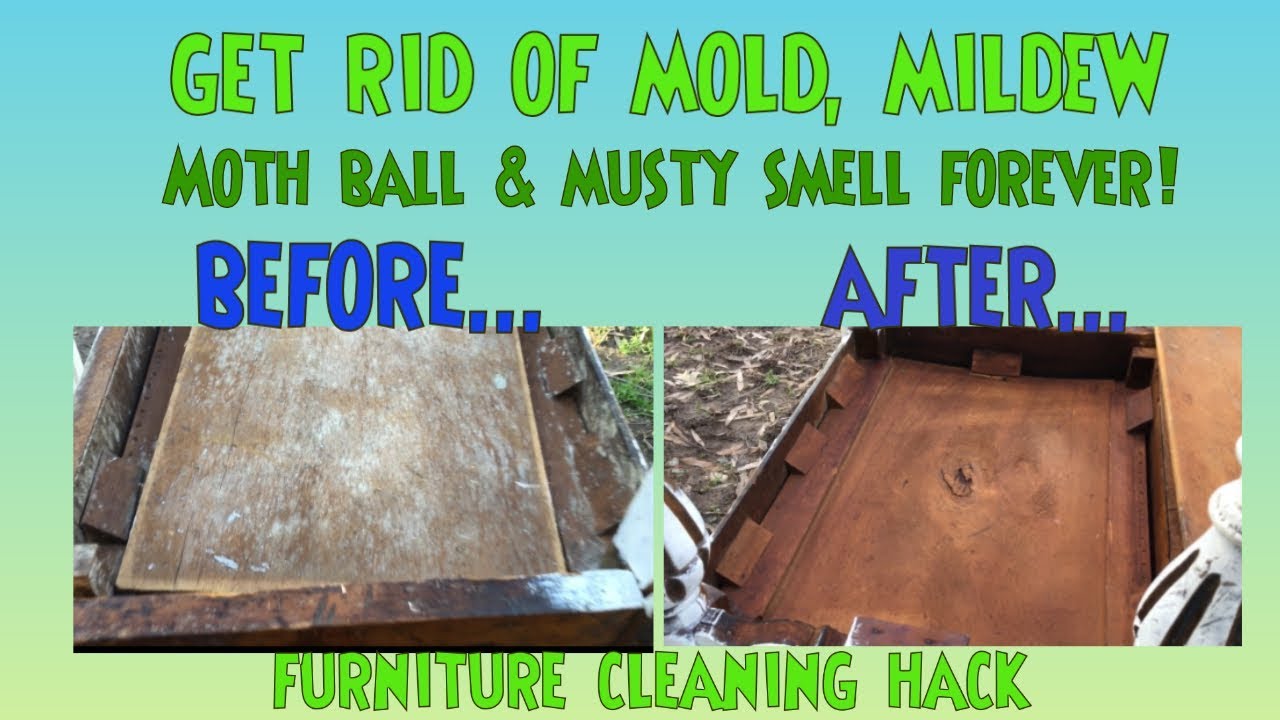
Credit: www.youtube.com
Credit: embassycleaners.com
Conclusion
Removing mold from furniture is possible with care and patience. Start by assessing the damage. Use natural solutions like vinegar or baking soda. Ensure proper ventilation in the area. Dry thoroughly to prevent mold from returning. Regular cleaning helps maintain furniture health.
If the mold persists, consider professional help. Keep furniture in dry, well-ventilated spaces. Mold removal restores beauty and safety to your home. Protect your investment and health by taking prompt action. Your furniture can look fresh and clean again. Stay vigilant to avoid future mold issues.
Enjoy a mold-free environment today.