
Moving a refrigerator is one of the most anxiety-inducing tasks in a household relocation. These appliances are heavy, bulky, and filled with delicate mechanical systems that seem fragile at the mention of tilting. Yet, the question persists: can refrigerators be laid down during a move, or is it a recipe for disaster?
The short answer is: it depends. While manufacturers strongly prefer upright transport, laying a refrigerator down is sometimes unavoidable. The key is knowing how, why, and what to do afterward. For more on this, see our guide on can you get a professional hair dryer under.
This comprehensive guide debunks common myths, explains the science behind refrigeration mechanics, and provides actionable tips to keep your fridge running smoothly—even if you had to lay it down.
 Always secure the doors and protect the finish when transporting a fridge on its side.
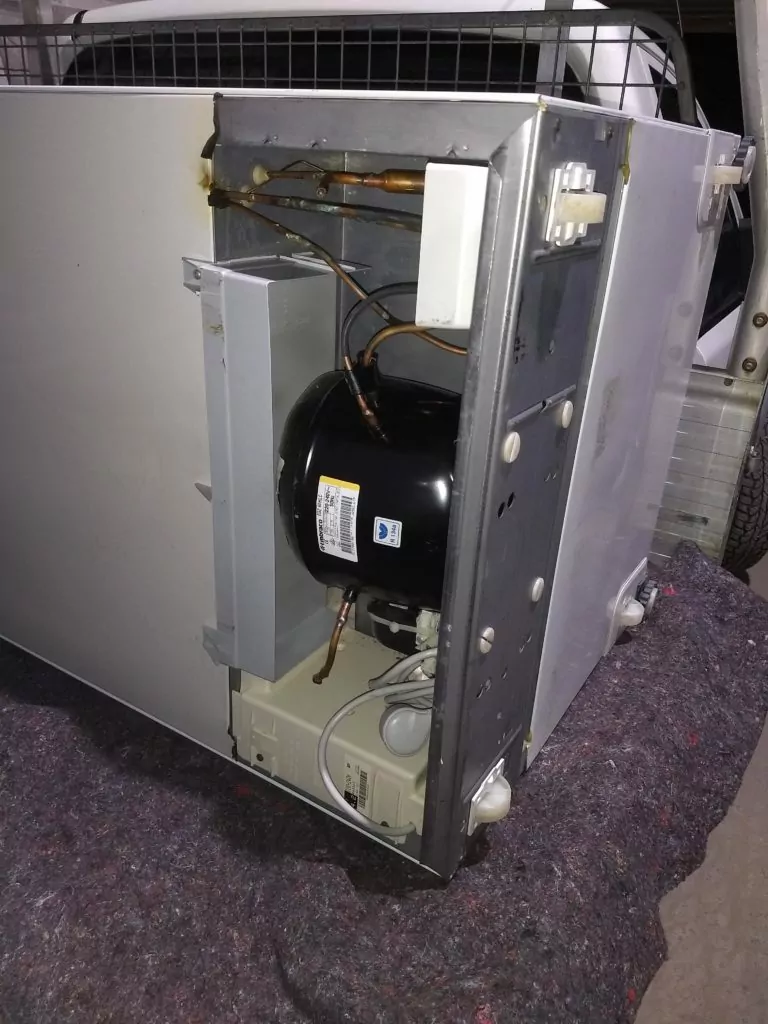 Knowing where the compressor sits helps determine the safest side to lay the unit on.
Understanding How Refrigerators Work
To understand why orientation matters, you first need to grasp the basics of how a refrigerator operates.
A typical household refrigerator uses a vapor-compression cycle involving four major components:
- Compressor: Compresses refrigerant gas, raising its pressure and temperature.
- Condenser Coils: Release heat from the compressed gas, turning it into liquid.
- Expansion Valve (Capillary Tube): Drops the pressure of the liquid refrigerant, causing it to cool.
- Evaporator Coils: Absorb heat from inside the fridge as the cold refrigerant evaporates back into gas.
Crucially, the compressor also contains lubricating oil—usually polyolester (POE) or mineral oil—that circulates with the refrigerant to protect moving parts. In an upright position, this oil stays mostly within the compressor crankcase. But when tilted, the oil can migrate into other parts of the sealed system, leading to performance issues or failure. For more on this, see our guide on can a hair dryer under 50 damage your.
Common Myths About Laying Refrigerators Down
Before diving into best practices, let’s address some widely held misconceptions.
| Myth | Reality |
|---|---|
| You should never lay a refrigerator down. | You can, but only under specific conditions and with precautions. |
| Any side is fine as long as it's secure. | The orientation affects oil distribution. Some sides are safer than others. |
| It’s okay to plug it in immediately after standing it up. | No — waiting allows oil and refrigerant to return to normal positions. |
| All refrigerators behave the same way when tilted. | Different designs (top-freezer vs. bottom-freezer, for instance) may respond differently. |
Understanding these myths helps you make informed decisions instead of relying on hearsay.
Why Laying a Refrigerator Down Can Be Risky
While not inherently catastrophic, laying a refrigerator introduces several risks that could lead to malfunction or permanent damage.
1. Oil Migration and Compressor Damage
As mentioned earlier, the compressor relies on oil sump pooling when upright. When laid down, especially on certain sides, that oil can flow into the suction line or valves. Upon startup without proper settling time, the compressor may run dry briefly, leading to overheating or premature wear. For more on this, see our guide on best down alternative mattress topper.
This diagram illustrates how tilting alters oil behavior inside the sealed system.
A common mistake homeowners make is plugging the fridge back in too soon after laying it flat. Even if it looks fine externally, internal oil redistribution takes time.
2. Refrigerant Imbalance
Though modern refrigerants like R134a and R600a are more forgiving than older CFCs, improper positioning can still cause liquid refrigerant slugging—where liquid enters the compressor instead of vapor. This can hydrolock components and reduce efficiency.
For example, if you store a fridge horizontally for days during storage or transit, the refrigerant may settle unevenly, requiring extended settling times post-move.
3. Door Seal and Hinge Stress
Doors aren’t designed to remain closed under horizontal stress. Laying a fridge down puts uneven pressure on hinges and door gaskets, potentially warping frames or breaking seals. Over time, this leads to energy loss and inconsistent temperatures.
4. Frost Buildup in Freezers
In frost-free models, the defrost heater and drain tube rely on gravity-assisted drainage. Horizontal storage disrupts this flow, increasing chances of clogged drains and excessive frost buildup later.
When You Actually Need to Lay a Refrigerator Down
Despite all warnings, there are legitimate scenarios where laying a fridge becomes necessary:
- Narrow Doorways: Standard doors often won't accommodate upright clearance.
- Moving Truck Constraints: Low roofs or tight spaces limit vertical loading options.
- Stairs and Elevators: Stairwells or freight elevators sometimes require horizontal transport.
- Long-Distance Storage: Temporarily storing units sideways saves space.
However, each scenario demands careful planning.
Best Practices for Safely Laying a Refrigerator Down
If you absolutely must lay your refrigerator down, follow these critical steps to minimize risk:
✅ Determine the Safest Orientation
Most manufacturers specify which side should face up during transport. Generally speaking:
| Fridge Type | Recommended Side Up |
|---|---|
| Top-Freezer | Either door side |
| Bottom-Freezer | Usually hinge side |
| Side-by-Side | Always hinge side |
| Compact/Bar Fridges | Any except top |
Check your owner’s manual or manufacturer website for exact guidance. LG’s official support portal offers detailed specs per model.
✅ Secure the Doors Properly
Loose doors swing wildly during movement, risking damage to shelves, drawers, and door bins.
Use:
- Heavy-duty ratchet straps or rope tied behind the fridge
- Foam padding between doors and frame
- Tape over loose items like ice makers or water filters
⚠️ Never use rope alone—it may not hold firm.
✅ Protect Exterior Surfaces
Wrap corners and edges with moving blankets or corrugated cardboard. Use stretch wrap sparingly to avoid trapping moisture.
Avoid placing sharp objects near painted surfaces—they scratch easily.
✅ Minimize Time Spent in Horizontal Position
Don’t leave a laid-down fridge for days unless absolutely required. Every hour counts toward potential oil migration.
Keep transit duration under 24–48 hours whenever possible.
What to Do After Standing the Fridge Back Up
Once the fridge is returned to its upright stance, resist the urge to turn it on right away. Here's what to do next:
Step-by-Step Post-Lay Down Checklist
Allow Settling Time (Minimum 24 Hours)
- Let the unit stand upright so oil returns naturally to the compressor.
- For longer transport durations (>48 hrs), allow up to 48–72 hours.
Inspect for Visible Damage
- Look closely at door seals, hinges, and exterior finish.
- Check for dents, loose panels, or disconnected wires.
Clean Interior Thoroughly
- Remove leftover food debris and wipe down walls.
- Dry completely to prevent mildew growth.
Plug In Slowly and Monitor Performance
- Plug in and wait another 2–4 hours before setting temperature controls.
- Listen for unusual noises or observe cooling inconsistencies.
If anything seems off—loud grinding sounds, inconsistent cooling, or strange odors—shut it off and call a certified technician.
How Long Should You Wait Before Plugging It In?
This question comes up frequently in DIY forums. While some recommend just a few minutes, experienced technicians insist on patience.
| Situation | Recommended Waiting Time |
|---|---|
| Brief tilt (<1 hour) | At least 4–6 hours |
| Extended lay-down (>24 hrs) | Minimum 24–48 hours |
| Transported via truck | 24+ hours |
| Stored horizontally | 48–72 hours |
Patience pays off—skipping wait times is one of the fastest ways to void warranties or cause irreversible damage.
Can You Transport a Fridge Laying Flat?
Some moving companies offer services where the fridge remains flat throughout transport. This method requires special equipment such as cradles and padding, but eliminates human error.
However, doing this yourself increases risks significantly. Unless you're using professional-grade rigging tools, upright transport with brief horizontal maneuvering is generally safer.
Tip: Many appliance retailers provide free delivery with upright positioning included. Consider taking advantage of these offerings rather than DIY-ing large moves.
Choosing Between DIY and Hiring Professionals
Deciding whether to move your fridge yourself depends on multiple factors including size, distance, and personal comfort level.
When DIY Makes Sense
- Small bar fridges or dorm-style units
- Short distances within the home
- Access to sturdy helpers and lifting gear
- Familiarity with basic appliance handling techniques
When to Call Professionals
- Large side-by-side or French door models
- Multi-story buildings or narrow staircases
- Cross-country relocations
- Uncertainty around technical aspects like oil settling
Professional movers bring experience, insurance coverage, and specialized dollies that reduce liability.
Pro tip: Enlist services from reputable local providers who offer appliance-specific expertise. Ask ahead about their policies regarding fridge orientation.
Frequently Asked Questions (FAQs)
Can I Plug In My Fridge Immediately After Laying It Down?
No. Allow at least 24 hours for oil and refrigerant to settle before powering on. Failure to observe this rule risks damaging the compressor.
Which Side Should I Lay My Refrigerator On?
Always refer to your manual, but commonly recommended orientations include:
- Hinge-side down for side-by-side units
- Door-side up for top-freezer models
Avoid laying it directly on the top or bottom whenever possible.
What Should I Do If My Fridge Doesn’t Cool After Moving?
Wait longer than 24 hours, check for visible damage, clean condenser coils, and ensure thermostat settings are correct. Persistent cooling issues warrant inspection by a licensed HVAC technician.
How Can I Protect My Refrigerator During the Move?
Secure doors with straps, pad exterior surfaces, limit horizontal positioning duration, and maintain upright stance whenever feasible.
Final Thoughts: Yes, But With Caution
So, can refrigerators be laid down? Technically yes—but doing so responsibly involves understanding the mechanics, respecting limitations, and following proven protocols.
By avoiding shortcuts, using appropriate protective measures, allowing sufficient settling time, and knowing when to seek expert help, you can safely navigate even tricky moves without compromising your appliance's integrity.
Whether you're upgrading kitchen appliances or relocating across town, remembering these principles ensures peace of mind—and a fully functional fridge at your destination.
Need assistance troubleshooting other appliance concerns? Explore our extensive database of LG dryer diagnostic codes or learn how to reset error lights effectively for comprehensive maintenance tips.