
Yes, you can add a dehumidifier to your HVAC system. This improves indoor air quality and comfort levels.
Adding a dehumidifier to your HVAC system is a smart move for maintaining optimal indoor air quality. Humidity control is crucial for preventing mold growth, reducing allergens, and enhancing overall comfort. An integrated dehumidifier works seamlessly with your existing HVAC setup, ensuring your home remains at the perfect humidity level year-round.
This addition can also improve your system’s efficiency, potentially lowering energy costs. Investing in a dehumidifier not only enhances your living environment but also protects your home and health. Consider consulting a professional to determine the best dehumidifier solution for your specific needs.
Introduction To Hvac And Humidity Control
HVAC systems keep our homes comfortable. They control temperature and air quality. Adding a dehumidifier can enhance this system. It manages the humidity levels in your home. Let’s explore how humidity control works with HVAC systems.
The Role Of Humidity In Indoor Comfort
Humidity affects how comfortable we feel. High humidity makes it feel warmer. Low humidity can make the air feel colder. Both extremes can cause problems. High humidity can lead to mold growth. Low humidity can dry out skin and respiratory systems. Balancing humidity is key for comfort and health.
Basics Of Hvac Systems
HVAC stands for Heating, Ventilation, and Air Conditioning. These systems control indoor climate. They include components like furnaces, air conditioners, and ductwork. HVAC systems work to provide clean and comfortable air. Adding a dehumidifier helps fine-tune this process.
| Component | Function |
|---|---|
| Furnace | Heats the air |
| Air Conditioner | Cools the air |
| Ventilation | Circulates and filters air |
| Dehumidifier | Removes excess moisture |
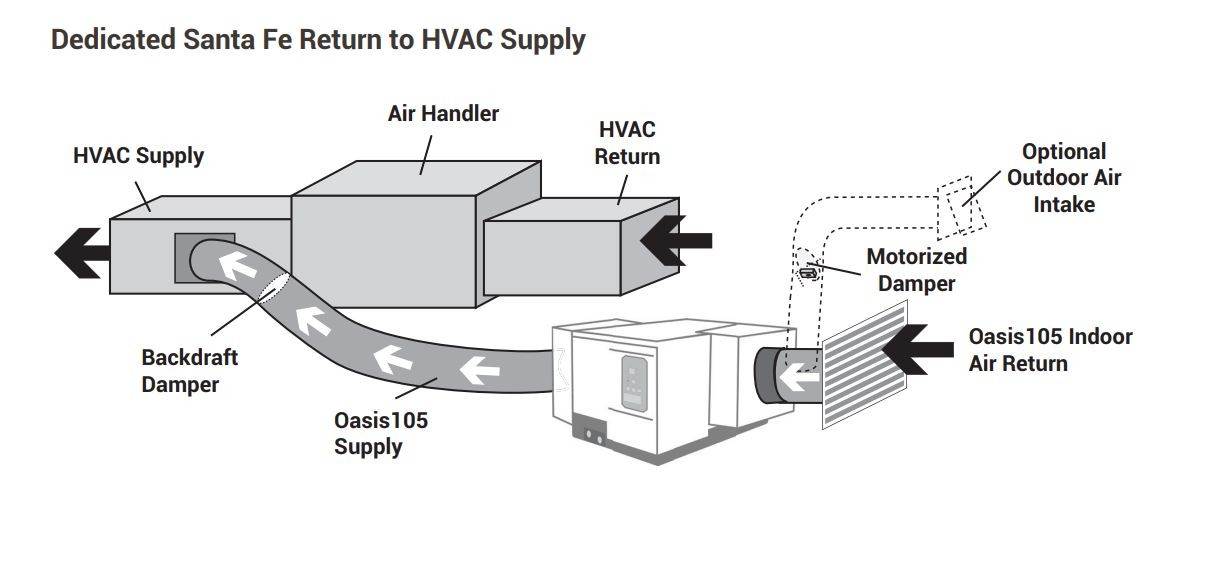
Adding a dehumidifier to your HVAC system can be easy. It involves placing it in the ductwork. The dehumidifier then works with the HVAC system. It helps maintain the perfect humidity level.
What Is A Dehumidifier?
A dehumidifier is a device that removes moisture from the air. It helps maintain optimal humidity levels in your home. This device is crucial for comfort and health. High humidity can lead to mold, dust mites, and other allergens.
Types Of Dehumidifiers
There are several types of dehumidifiers available. Each type has its unique features and benefits. Below is a table outlining the main types:
| Type | Description |
|---|---|
| Refrigerant Dehumidifiers | These use a cooling coil to remove moisture. They are effective in warm, humid conditions. |
| Desiccant Dehumidifiers | These use a moisture-absorbing material. They work well in cool and damp conditions. |
| Whole-House Dehumidifiers | These integrate with your HVAC system. They control humidity throughout your home. |
How Dehumidifiers Work
Dehumidifiers work by drawing moist air over a cold coil. This process cools the air and removes moisture. The moisture then drips into a collection tank or is drained away.
Here’s a step-by-step breakdown:
- Air is drawn into the dehumidifier by a fan.
- The air passes over cold coils, causing condensation.
- Water drips into a collection tank or drains away.
- The dry air is reheated and released back into the room.
This cycle continues until the desired humidity level is achieved.
Benefits Of Integrating A Dehumidifier With Hvac
Integrating a dehumidifier with your HVAC system can offer many advantages. From improving air quality to saving on energy bills, the benefits are substantial. Below, we explore these benefits in detail.
Improved Air Quality
A dehumidifier helps reduce moisture levels in the air. This can prevent mold and mildew growth, contributing to a healthier living environment. Dust mites and allergens thrive in humid conditions. Lowering humidity levels can reduce their presence, improving overall air quality.
| Benefit | Impact |
|---|---|
| Reduced Mold Growth | Prevents health issues |
| Less Dust Mites | Improves air quality |
| Fewer Allergens | Enhances breathing comfort |
Energy Efficiency And Cost Savings
Integrating a dehumidifier can make your HVAC system more efficient. Lower humidity means your air conditioner doesn’t have to work as hard. This can lead to significant energy savings over time.
- Reduced energy consumption
- Lower monthly utility bills
- Extended lifespan of HVAC system
With less strain on your HVAC system, you may also experience fewer repairs. This translates to more savings and less hassle. The initial cost of adding a dehumidifier can be offset by long-term savings.
Credit: www.linkedin.com
Assessing Your Hvac System’s Compatibility
Adding a dehumidifier to your HVAC system can improve indoor air quality. It helps to control humidity levels and keeps your home comfortable. Before installing, it’s important to assess your HVAC system’s compatibility.
Evaluating Existing Hvac Systems
Start by inspecting your current HVAC system. Check the model and age of your system. Older models might not support additional components. Newer systems often have better compatibility with dehumidifiers.
Next, look at the system’s capacity. Ensure it can handle the extra load. A system that’s too small may struggle with the added dehumidifier. This can lead to inefficiency and higher energy bills.
Consult your HVAC manual or contact the manufacturer. They can provide specific compatibility information. This step helps avoid potential damage to your system.
Considerations For Adding A Dehumidifier
Adding a dehumidifier requires certain considerations. First, determine the type of dehumidifier you need. Whole-house dehumidifiers are ideal for central HVAC systems. Portable units work best in smaller spaces or single rooms.
Next, evaluate the installation space. Ensure there’s enough room for the dehumidifier. Proper ventilation is crucial for optimal performance.
Check the power requirements of the dehumidifier. Your HVAC system must support these requirements. Otherwise, you may need electrical upgrades.
Finally, consider the cost. Adding a dehumidifier can be an investment. Weigh the benefits against the costs to make an informed decision.
| Consideration | Details |
|---|---|
| Type of Dehumidifier | Whole-house or Portable |
| Installation Space | Adequate room and ventilation |
| Power Requirements | Check compatibility with HVAC system |
| Cost | Investment vs. Benefits |
Installation Process
Adding a dehumidifier to your HVAC system can improve indoor air quality. It helps in reducing humidity levels and prevents mold growth. The installation process can be done by a professional or as a DIY project. Below, we explore both options and provide a step-by-step guide.
Professional Vs. Diy Installation
Professional Installation: Hiring a professional ensures the job is done correctly. It minimizes the risk of errors. Professionals have the right tools and expertise. They can integrate the dehumidifier seamlessly into your HVAC system.
DIY Installation: DIY installation can save you money. It requires basic technical skills and some tools. Make sure to follow the manufacturer’s instructions carefully. Missteps can lead to system inefficiency or damage.
Steps For Integrating A Dehumidifier
- Turn Off Power: Ensure the HVAC system is off. This is crucial for safety.
- Choose a Location: Find a suitable place near the HVAC system. Make sure it is accessible for maintenance.
- Attach the Dehumidifier: Secure the dehumidifier to the ductwork. Use screws and brackets provided in the kit.
- Connect Drainage: Attach the drainage hose to the dehumidifier. Direct the hose to a suitable drain.
- Wire the Dehumidifier: Connect the electrical wires. Follow the wiring diagram in the manual.
- Check Connections: Ensure all connections are tight and secure. This includes electrical and drainage connections.
- Test the System: Turn on the power. Set the desired humidity level and test the system.
Following these steps ensures a smooth installation process. It helps maintain indoor air quality and comfort.

Credit: www.pvhvac.com
Maintenance And Upkeep
Adding a dehumidifier to your HVAC system can improve air quality. It also helps in reducing humidity levels. To ensure it works well, regular maintenance is crucial. This section provides essential tasks and tips for upkeep.
Regular Maintenance Tasks
Regular maintenance keeps your dehumidifier running efficiently. Follow these tasks:
- Clean the air filter every month to remove dust.
- Check the water reservoir weekly for mold or mildew.
- Inspect the coils for ice buildup once a month.
- Ensure proper drainage by checking the hose monthly.
These tasks help your dehumidifier work efficiently and last longer.
Troubleshooting Common Issues
Sometimes, issues can arise with your dehumidifier. Here are common problems and solutions:
| Issue | Solution |
|---|---|
| Dehumidifier not turning on | Check the power supply and reset the unit. |
| Water not draining | Ensure the drain hose is not clogged. |
| Unit making loud noise | Inspect for loose parts and tighten if needed. |
| Ice on coils | Turn off the unit to let it defrost. |
Regular checks can help resolve these issues quickly.
Case Studies: Successful Integrations
Adding a dehumidifier to an HVAC system can greatly improve indoor air quality. Here, we showcase successful integrations in both residential and commercial settings. These case studies reveal the benefits and best practices for combining HVAC systems with dehumidifiers.
Residential Hvac And Dehumidifier Combos
In many homes, high humidity levels cause discomfort and health issues. The Smith family faced this problem in their Florida home. They decided to integrate a dehumidifier with their existing HVAC system.
- Challenge: Excess humidity causing mold growth.
- Solution: Installed a whole-house dehumidifier.
- Result: Improved air quality and reduced mold issues.
The installation was seamless. The HVAC system worked efficiently with the dehumidifier. They noticed immediate improvements in comfort and air quality.
Another successful case involved the Johnsons in Texas. Their HVAC system struggled to maintain a comfortable humidity level during summer.
- Challenge: High humidity causing discomfort.
- Solution: Installed a basement dehumidifier connected to HVAC.
- Result: Consistent humidity levels and increased comfort.
The Johnsons reported lower energy bills and better sleep quality. The dehumidifier integration made their home more pleasant year-round.
Commercial Applications And Results
In commercial spaces, humidity control is crucial for both comfort and equipment maintenance. A case study from a large office building in Chicago demonstrated this.
- Challenge: High humidity affecting employee productivity.
- Solution: Integrated a central dehumidifier with the HVAC system.
- Result: Enhanced comfort and productivity.
The office building saw a notable decrease in humidity-related complaints. Employees felt more comfortable, and productivity levels increased.
Another example comes from a manufacturing plant in Ohio. Machinery required stable humidity levels to function correctly.
- Challenge: Fluctuating humidity affecting machinery.
- Solution: Installed industrial-grade dehumidifiers with HVAC.
- Result: Improved machinery performance and reduced downtime.
The plant experienced fewer equipment failures and production delays. The dehumidifier and HVAC combo proved invaluable for operational efficiency.
| Case Study | Challenge | Solution | Result |
|---|---|---|---|
| Smith Family | Excess humidity causing mold | Whole-house dehumidifier | Improved air quality |
| Johnsons | High humidity causing discomfort | Basement dehumidifier | Increased comfort |
| Office Building | High humidity affecting productivity | Central dehumidifier | Enhanced comfort |
| Manufacturing Plant | Fluctuating humidity affecting machinery | Industrial-grade dehumidifiers | Improved machinery performance |
Choosing The Right Dehumidifier For Your Hvac
Adding a dehumidifier to your HVAC system can vastly improve indoor air quality. It ensures your home stays comfortable, especially during humid months. But how do you choose the right dehumidifier? This guide will help you make an informed decision.
Factors To Consider
When selecting a dehumidifier, consider the following factors:
- Capacity: Ensure the dehumidifier can handle the square footage of your home.
- Energy Efficiency: Look for Energy Star-rated models to save on energy costs.
- Noise Level: Opt for a quiet model to avoid disturbance.
- Drainage Options: Choose between a bucket or direct drain system.
- Maintenance: Select a model with easy-to-clean filters.
Recommended Brands And Models
Here are some top-rated dehumidifiers that work well with HVAC systems:
| Brand | Model | Features |
|---|---|---|
| Aprilaire | 1830 Pro | Capacity: 70 pints/day, Energy Star-rated, Quiet operation |
| Honeywell | TP70WK | Capacity: 70 pints/day, Digital controls, Auto-restart |
| Frigidaire | FFAD7033R1 | Capacity: 70 pints/day, Continuous drain option, Easy-to-clean filters |
Conclusion: Enhancing Comfort And Health
Integrating a dehumidifier into your HVAC system can significantly improve indoor air quality. It helps in maintaining optimal humidity levels, which are crucial for comfort and health. The right humidity levels can prevent mold growth and reduce allergens. This can lead to fewer respiratory issues and a more comfortable living space.
Final Thoughts On Hvac And Dehumidifier Integration
Adding a dehumidifier to your HVAC system ensures a healthier home environment. It can reduce the strain on your air conditioning unit, leading to energy savings. This integration is a smart investment for long-term comfort and efficiency. Many homeowners find that their overall air quality improves after installation.
Here are some key benefits of integrating a dehumidifier into your HVAC system:
- Improved Air Quality: Removes excess moisture, reducing mold and mildew.
- Energy Efficiency: Reduces the workload on your air conditioning unit.
- Enhanced Comfort: Maintains a consistent and comfortable humidity level.
- Health Benefits: Decreases allergens and respiratory issues.
Future Trends In Home Climate Control
The future of home climate control looks promising with advanced technologies. Smart home systems are becoming more popular, allowing for better integration and control. Homeowners can now monitor and adjust humidity levels remotely using smart devices. This offers convenience and improved energy management.
Upcoming trends in home climate control include:
- Smart Thermostats: These devices learn your preferences and adjust settings automatically.
- Advanced Air Purification: New systems are being developed to purify air more effectively.
- Energy-Efficient HVAC Systems: Modern units are designed to use less energy while providing better performance.
- Integration with Renewable Energy: Solar-powered HVAC systems are becoming more accessible.
Staying updated with these trends can help you maintain a healthier and more efficient home. Investing in these technologies can lead to long-term benefits for both comfort and health.
Credit: www.reddit.com
Conclusion
Adding a dehumidifier to your HVAC system boosts comfort and air quality. It helps reduce mold and mildew growth. This integration can also lower energy costs by making your system more efficient. Consider consulting a professional to ensure proper installation.
Enjoy a healthier, more comfortable living environment with this upgrade.