
Have you ever rearranged your furniture and wondered if placing a couch or a bookshelf over a heat vent is a good idea? It might seem like a harmless way to maximize your space, but the impact on your comfort and energy bills can be significant.
Blocking a heat vent with furniture not only affects the airflow in your home but can also lead to uneven heating and higher costs. Imagine sitting in your living room, feeling that one side is warm and cozy while the other remains chilly.
Frustrating, isn’t it? This blog will dive into the effects of obstructing heat vents and offer practical tips to keep your home warm and efficient. Stay with us to discover how a simple furniture move can make all the difference in your living space!
Impact On Airflow
Blocking a heat vent with furniture disrupts airflow, causing uneven room temperatures. This can lead to increased energy consumption and potential overheating of the heating system. Proper vent clearance ensures efficient heat distribution and maintains a comfortable indoor environment.
Blocking a heat vent with furniture can significantly impact the airflow in your home. This seemingly small action can lead to uneven heating, increased energy bills, and potentially damage your HVAC system. Understanding the impact on airflow helps you make informed decisions about furniture placement and home comfort.What Happens To Airflow When You Block A Vent?
When you place furniture over a heat vent, you disrupt the natural flow of warm air. This obstruction forces the air to find alternative paths, which may not efficiently heat the room. The result? Some areas become too warm, while others remain chilly.Increased Energy Costs
Blocking vents can cause your heating system to work harder to maintain the desired temperature. This increased strain can lead to higher energy bills. Imagine trying to fill a bucket with water while someone keeps blocking the flow; you end up wasting more water (or energy) in the process.Potential Hvac System Damage
Continuous blocking of vents can lead to overheating of the HVAC system. Over time, this can cause wear and tear, reducing the system’s lifespan. Do you really want to spend more on repairs or replacements just because of a misplaced couch?Effects On Room Comfort
An obstructed vent can lead to uncomfortable temperature variations within a room. You might find yourself moving from one spot to another, trying to escape a draft or find warmth. Is that cozy armchair still worth it if you’re constantly shifting for comfort?Practical Solutions
Consider rearranging your furniture to allow for unobstructed airflow. If space is tight, use vent extenders or deflectors to redirect the air. Keeping vents clear ensures your home stays comfortable and your heating system runs efficiently. Reflect on your current furniture arrangement. Could a small change make a big difference in your home’s comfort and energy efficiency? Taking action now could save you time and money in the long run.
Credit: bngheat.com
Potential Safety Hazards
Blocking a heat vent with furniture can cause uneven heating and increase fire risks. Furniture near vents may overheat, posing a safety hazard. Ensure vents remain clear to maintain proper airflow and prevent potential dangers.
Blocking a heat vent with furniture might seem like a harmless choice, especially when you’re trying to fit that perfect couch into your living room. However, this decision can lead to unexpected safety hazards that are worth considering. Your home is a sanctuary, and ensuring its safety means understanding the implications of every design choice you make.Fire Risk
Blocking a heat vent can increase the risk of fire. When furniture covers a vent, heat is trapped and can build up, potentially igniting nearby materials. You may have a cozy blanket draped over the couch that can become a safety concern if exposed to prolonged heat. Think about the safety of your family and pets. Would you feel comfortable knowing a fire hazard is lurking beneath your living room setup?Air Quality Issues
When heat vents are blocked, airflow is restricted. This can lead to poor air circulation and increased dust buildup, affecting the air quality in your home. You might notice rooms feeling stuffy or experience more sneezing and coughing. Have you ever wondered why that one room always feels less fresh? It could be due to blocked vents reducing the efficiency of your HVAC system.Increased Energy Bills
Blocking a vent forces your heating system to work harder to maintain the desired temperature. This can lead to higher energy bills as the system uses more power to compensate for the obstruction. Consider how much you could save by ensuring your vents are clear and unobstructed. It’s a simple adjustment that can have a significant impact on your wallet.Damage To Furniture
Heat can warp or damage furniture placed over vents. That beautiful wooden dresser might suffer discoloration or warping. The fabric on your couch could fade or weaken over time. Is it worth compromising the integrity of your furniture for the sake of aesthetics? Keeping vents clear can help preserve your beloved pieces.Reduced Heating Efficiency
A blocked vent means your heating system can’t distribute warmth evenly throughout your home. This can leave some rooms colder than others, making your living space uncomfortable. Think about those chilly winter nights. Wouldn’t it be better to have a home that’s warm and inviting throughout? By considering these potential safety hazards, you can make informed choices about your home’s layout. Keep your living space safe, comfortable, and efficient by ensuring your heat vents are free from obstruction.Tips For Optimal Vent Placement
Ensuring optimal vent placement in your home can significantly improve your comfort and energy efficiency. When furniture blocks a heat vent, it not only disrupts the airflow but can also lead to uneven heating, increased energy bills, and potential damage to your HVAC system. So, how can you make sure your vents are placed correctly and effectively?
Understand Your Room Layout
Take a moment to assess your room’s layout before arranging furniture. Consider where the vents are located and the direction the airflow needs to travel. Are your couches or cabinets blocking the heat? Adjusting furniture slightly can make a big difference. Place larger items away from vents to let heat circulate freely.
Use Floor Plans
If you have access to your home’s floor plans, use them to plan your furniture arrangement. Floor plans can reveal hidden vents and ducts you might not have noticed. This insight can help you avoid blocking crucial air pathways, ensuring optimal heat distribution.
Experiment With Furniture Placement
Don’t hesitate to try different furniture setups. Sometimes, moving a piece just a few inches can open up pathways for the heat to flow. Test various configurations and see which one feels the most comfortable. You’ll be surprised how a simple shuffle can enhance warmth.
Consider Vent Extenders
If rearranging isn’t an option, vent extenders can be a useful solution. These devices direct heat around furniture, ensuring it reaches your desired area. They are easy to install and can be found at most home improvement stores. It’s a small investment for a big comfort gain.
Reflect On Your Experiences
Think back to times when you felt colder in certain rooms. Was there a large piece of furniture blocking a vent? Learning from past experiences can guide your choices today. Share these insights with family members to create a more comfortable living space together.
Are you ready to transform your room into a cozy haven? Consider these tips and see how a few changes can lead to big improvements in your home’s warmth and efficiency.
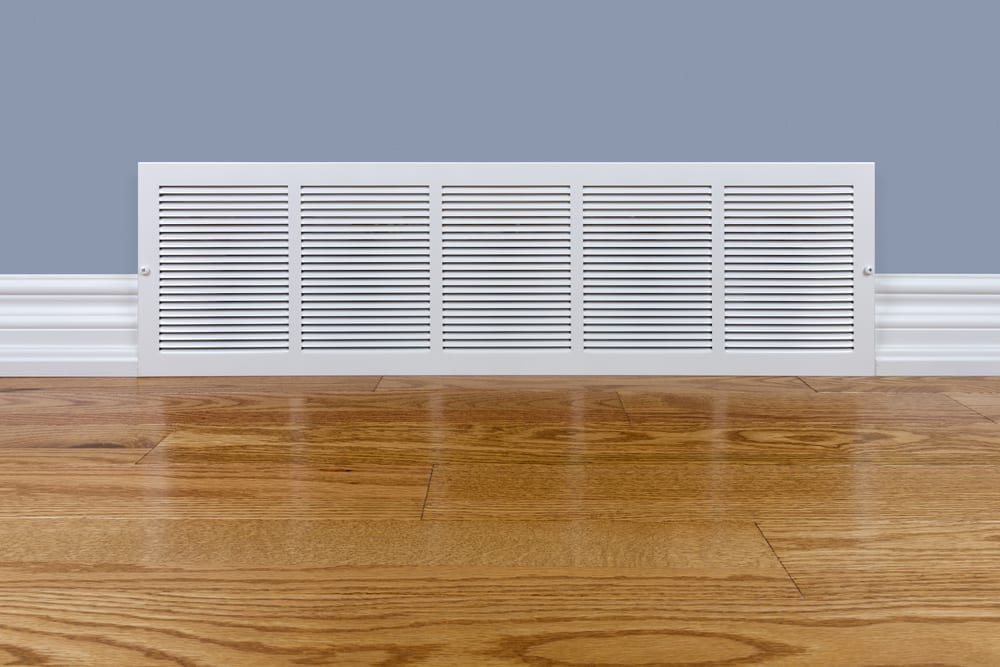
Credit: www.homecomfortexpertsinc.com

Credit: www.reddit.com
Conclusion
Blocking a heat vent with furniture can cause problems. Airflow gets restricted. Rooms may not heat evenly. This could increase energy bills. Furniture can get damaged too. Avoid placing items directly over vents. Keep vents clear and open. Proper heating is essential for comfort.
Consider rearranging furniture to improve air circulation. Use vent deflectors if needed. They help direct air around obstacles. Your home stays warm and efficient. Be mindful of vent placement when designing room layouts. This small change can make a big difference.
Keep your space cozy and well-heated all winter long.