

Credit: m.youtube.com
Yes — it's possible to move washer and dryer hookups within your home, but doing it safely means understanding the differences between the two appliances and the utilities each one depends on. A washer requires both plumbing (hot and cold water supply lines plus a drain) and electrical power, while a dryer needs either a dedicated high-amperage circuit (electric) or a gas line (gas). Because of those distinct requirements, relocating hookups isn't a single skill but two overlapping trades: plumbing and electrical (or gas). For most homeowners, the smart move is hiring licensed professionals for the utility work and handling the appliance placement yourself.
Why Move Washer And Dryer Hookups?
Relocating your laundry connections usually comes down to one of four practical goals:
- Remodeling a laundry room to add storage, countertops, or a utility sink.
- Creating a more convenient layout, such as moving machines closer to bedrooms or the kitchen.
- Accommodating new or larger appliances where existing hookups are poorly positioned.
- Improving efficiency, like stacking units in a smaller closet or rearranging for better workflow.
Whatever the reason, the scope of the project depends entirely on what utilities need to move and how far they must travel. A few feet can mean the difference between a weekend DIY job and a multi-day project requiring wall demolition, permits, and drywall repair.
Credit: realitydaydream.com
What Tools And Skills Do You Actually Need?
This isn’t a one-size-fits-all list because the requirements vary wildly based on your setup. But broadly, the job breaks into three skill areas:
1. Plumbing Know-How
You’ll need to reroute hot and cold water supply lines, which typically run through walls or floors. Most homes use flexible braided hoses at the appliance connection, but older homes may have rigid copper or galvanized pipes that require soldering or special fittings. The drain line for the washer also has requirements: it needs to maintain a minimum ¼-inch slope per foot to prevent standing water and clogs, and it must tie into a drain system capable of handling sudden large volumes of water. If you're not comfortable working with pipe threading, soldering, or pressure testing, this part should be left to a licensed plumber.
2. Electrical Expertise (Or Gas Line Work)
Electric dryers run on 240-volt circuits and require a dedicated double-pole breaker (usually 30 amps) with appropriately sized wire — typically 10 AWG copper for runs under 50 feet. Installing or moving that kind of electrical work without proper training and inspection is dangerous and likely violates local codes. If your dryer uses natural gas, the line must be inspected for leaks and pressure-tested after relocation. Both tasks require permits in most jurisdictions and should be performed by certified professionals.
3. Basic Construction Skills
Even if you outsource the utility work, you’ll still need to handle removing baseboards, cutting access panels in walls or flooring, drilling holes for pipes or conduits, and patching drywall afterward. A cordless drill, reciprocating saw, level, and basic hand tools are standard here.
Step By Step: How To Move Washer And Dryer Hookups
Below is the general process for relocating your washer and dryer connections. Remember: turn off all utilities first, including water and electricity. If anything feels beyond your comfort zone, stop and call a pro — especially if you're dealing with gas lines or major structural changes.
Step 1: Plan Your Layout Carefully
Before touching anything, sketch a layout of your new laundry zone. Mark where the washer and dryer will sit, and note where water and electrical (or gas) entries will come through walls or floors. Make sure:
- There’s enough clearance for doors to open fully.
- The washer isn’t too close to the dryer vent outlet (more on that later).
- Your chosen route avoids structural members like floor joists or load-bearing studs.
Use a stud finder and outlet tester to map existing infrastructure. You might also want to check if any local building codes restrict modifications — especially in apartments or condos.
Step 2: Shut Off All Utilities
Turn off the water supply valves behind the appliances. For electric dryers, switch off the breaker at the panel. For gas dryers, shut off the valve near the unit. Always double-check with a multimeter before touching wires, and never assume a valve is truly closed unless you’ve tested it manually.
Step 3: Disconnect Existing Connections
Carefully disconnect the water hoses, electrical cord, and dryer ducting. Take photos as you go so reassembly is straightforward. Label each component clearly — especially wire colors and hose positions — because forgetting which hot wire goes where can result in costly mistakes.
⚠️ Important Note: Never disconnect gas lines unless trained. Even a small leak poses serious health risks. Leave this to certified technicians.
Step 4: Relocate The Plumbing Lines
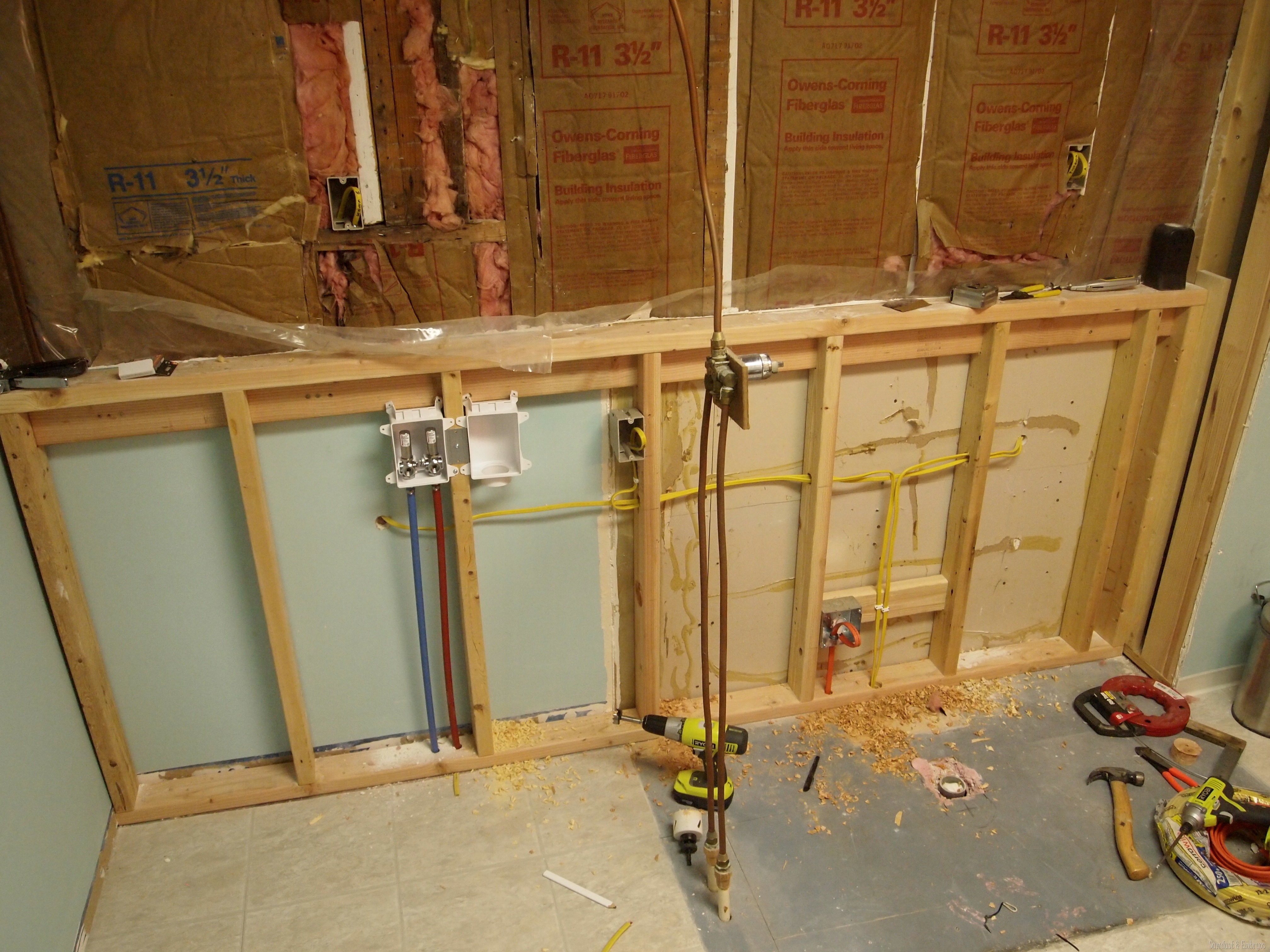
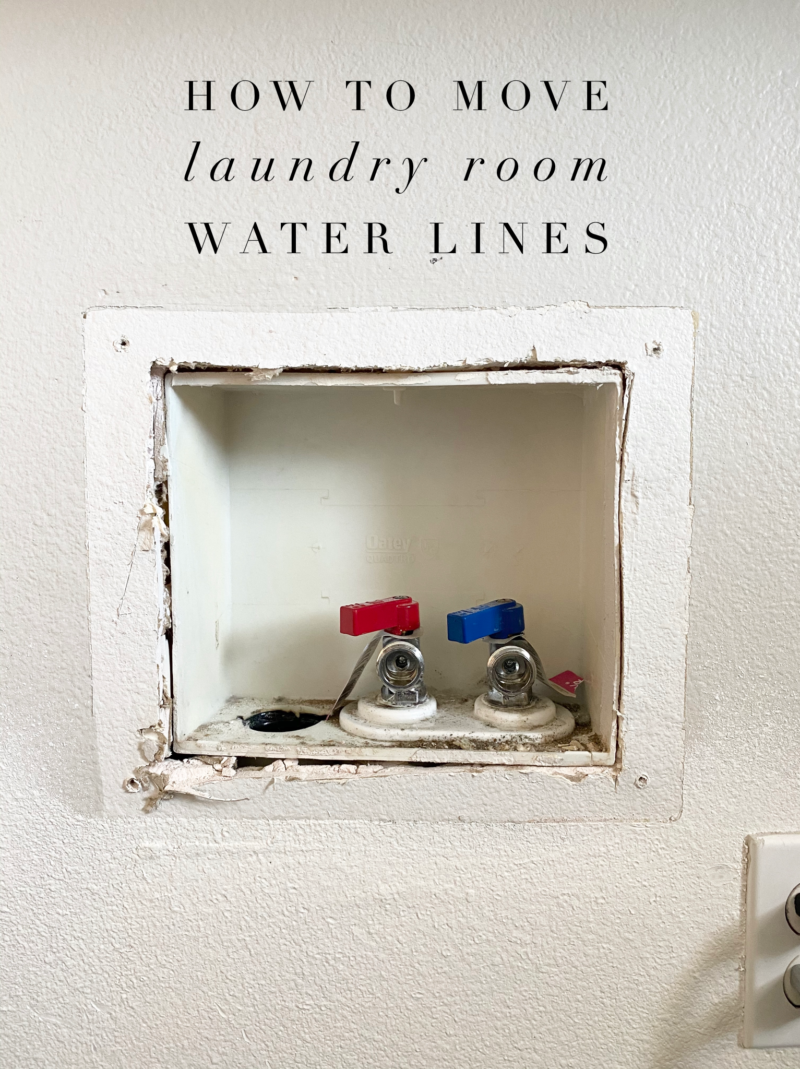
Rerouting water lines involves removing old fittings, installing new shut-off valves, and connecting fresh braided hoses or copper tubing. The drain line must slope downward toward the main stack or P-trap. Use Teflon tape or pipe dope on threaded connections to prevent leaks. If routing through walls or floors, consider using flexible corrugated connectors rated for potable water to simplify installation.
Step 5: Handle Electrical Or Gas Relocation
For electric dryers: Run NM-B 10/3 or 8/3 cable (depending on distance) from the nearest junction box to the new location. Install a NEMA 10-30R or 14-30R outlet according to manufacturer specs. All connections must meet National Electrical Code (NEC) standards and pass inspection.
For gas dryers: Hire a licensed technician to disconnect, extend, or relocate the gas line using black iron pipe or CSST (corrugated stainless steel tubing). After installation, perform a leak test with soapy water or a gas detector.
Step 6: Reinstall Appliances And Test Everything
Once everything is in place:
- Reconnect water hoses (left = cold, right = hot).
- Hook up the dryer duct (rigid metal preferred over flexible plastic).
- Plug in appliances or restore power/gas.
- Turn on water slowly and watch for leaks.
- Run a short wash cycle and check for drips under the machine.
- Test the dryer thoroughly — verify airflow outside, listen for unusual noises, and confirm heating elements glow normally.
Cost Breakdown: Budgeting For Your Project
The total cost depends heavily on complexity, labor rates in your area, and whether you're doing parts yourself. Here's a realistic breakdown:
| Task | Average DIY Cost | Professional Cost |
|---|---|---|
| Moving washer water lines (minor) | $50 – $150 | $200 – $600 |
| Major plumbing reroute | $300 – $800 | $800 – $2,000+ |
| Adding/replacing electric dryer circuit | $100 – $300 | $500 – $1,500 |
| Gas line relocation | Not recommended | $400 – $1,200 |
| Drywall patching & painting | $100 – $300 | $300 – $600 |
Keep in mind that permits typically range from $100 to $400 and are required for electrical and gas work in most areas. Always factor those into your budget.
Frequently Asked Questions
Is It Hard To Move Washer And Dryer Hookups?
It’s manageable if you're handy and only shifting slightly, but full relocation — especially involving plumbing or electrical — is complex enough that many homeowners prefer hiring pros.
How Much Does It Cost To Move A Washer And Dryer Hookup?
Expect to pay between $150 and $1,500 depending on the scope. Minor tweaks cost less; full rerouting of utilities can exceed $1,000.
Can You Move Washing Machine Plumbing?
Absolutely. But because water pressure and drainage matter greatly, any major shift should involve a licensed plumber familiar with local codes.
How Much Does It Cost To Hook Up A Washer And Dryer?
Basic hookup costs range from $50 to $200, though extensive work (like adding new circuits or moving drain lines) can push expenses higher.
Can You Move Washer And Dryer Hookups In An Apartment?
Possibly — but landlords often require approval or insist on professional installers due to liability concerns.
What About Ventilation Requirements For The Dryer?
Yes, your electric or gas dryer must vent to the exterior via rigid or semi-rigid aluminum ducting. Flexible plastic vents are unsafe and violate fire codes in most regions.
Final Thoughts: Know When To Call A Pro
While motivated DIYers can handle some aspects of moving washer and dryer hookups — particularly cosmetic rearrangement or replacing short sections of plumbing — the bulk of real utility relocation falls squarely in professional territory. Plumbing mistakes can flood your home, electrical errors risk electrocution, and gas leaks are deadly. Even if you save money upfront, cutting corners here rarely pays off in the long run.
If you decide to proceed solo, start by researching your local building codes (International Residential Code) and investing in quality materials designed for long-term reliability. And don’t forget to schedule inspections when required — they protect your investment and ensure compliance with safety regulations.
With thoughtful planning, patience, and the right expertise, relocating your washer and dryer hookups can transform your laundry room into a more functional and enjoyable space.
Credit: athoughtfulplaceblog.com
If you’re tackling related dryer diagnostic issues, our team has covered topics like LG dryer CL codes and D80 error explanations in detail. For washer-specific advice, check our guide on resetting stackable units or learn what CD code means for LG models. Explore more tips in our main blog index.