
Have you ever found yourself staring at a mountain of laundry, wondering if you can wash your bed sheets and towels together? You’re not alone.
It’s a question that crosses everyone’s mind at some point. After all, combining loads seems like a time-saving trick, but is it really a good idea? The thought of simplifying your laundry routine is tempting, yet you might hesitate, worried about potential mishaps.
Will colors bleed? Will your sheets feel like sandpaper? These are common concerns, and you deserve clear answers. Keep reading to discover the truth about washing bed sheets and towels together, and learn how you can streamline your laundry process without sacrificing cleanliness or fabric quality.
/can-you-wash-sheets-and-towels-together-6834348-hero-option-f1701aa98c31440db39be545d4ea3f89.jpg)
Credit: www.thespruce.com
Laundry Basics
Laundry can be a chore, yet it’s one of those tasks we can’t avoid. Understanding the basics makes this task easier and more efficient. If you’re wondering whether you can wash bed sheets and towels together, you’re not alone. It’s a common question with practical implications for your laundry routine.
Can You Combine Sheets And Towels?
Yes, you can wash bed sheets and towels together, but there are some things to consider. Both items are generally made from cotton, which can handle similar wash cycles. However, towels can produce a lot of lint, which might stick to your sheets.
Consider the color and fabric type. Mixing whites and colors can lead to color bleeding. Always check the care labels on your linens to avoid any mishaps.
Benefits Of Washing Them Together
Combining sheets and towels can save you time and energy. You get to do fewer loads, which is a win if you have a busy schedule. It’s also more energy-efficient, which is good for both your wallet and the environment.
Have you ever found yourself running out of towels or sheets? Washing them together ensures you always have a fresh supply of both.
Tips For A Successful Wash
Use a gentle detergent to protect your linens. Setting your machine to a warm or hot wash can kill germs and bacteria effectively. Remember to balance the load to prevent your washer from becoming overloaded.
To reduce lint transfer, consider using a lint catcher or washing your towels in a separate load occasionally. Drying them separately can also help avoid towel lint sticking to your sheets.
What About Fabric Softeners?
Fabric softeners can be a double-edged sword. While they make your linens soft, they can also reduce absorbency, especially in towels. If you prefer soft towels, use vinegar as an alternative. It softens fabric without affecting absorbency.
Do you notice any residue on your sheets? Using less detergent and avoiding fabric softeners can prevent build-up.
Is It Time To Rethink Your Laundry Routine?
Are you stuck in a laundry routine that just isn’t working? Take a moment to assess your current habits. Small changes, like washing sheets and towels together, can make a big difference.
Could these tweaks save you time and energy? Give it a try and see how it changes your laundry day. You might just find a new routine that fits your lifestyle better.
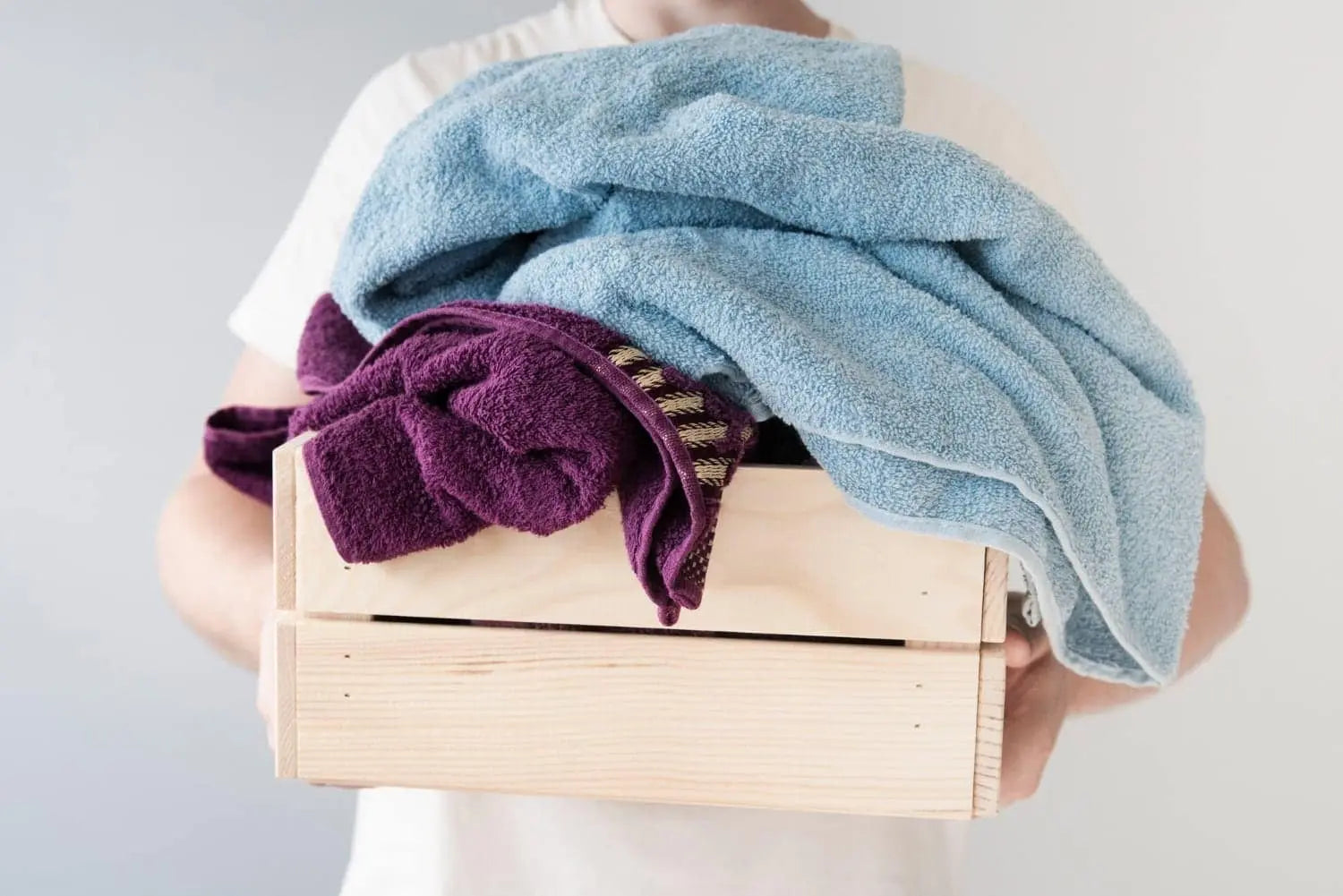
Credit: www.copperclothing.com
Fabric Compatibility
Fabric compatibility is a crucial factor when considering whether to wash bed sheets and towels together. You might wonder if combining these items is a smart choice. By understanding the fabric types and their needs, you can make your laundry process more efficient and worry-free.
Understanding Fabric Needs
Different fabrics have unique requirements. Bed sheets are often made from materials like cotton or linen, which require gentle washing to maintain their softness. Towels, on the other hand, are typically made from terry cloth, designed to be absorbent and durable. Mixing these can lead to wear and tear if not managed properly.
Impact On Durability
Consider how your washing habits affect the durability of your bed sheets and towels. Towels can be rough and heavy, potentially causing friction and damage to the more delicate fibers of your sheets. Ask yourself if you’re willing to risk shortening the lifespan of your bedding for the sake of convenience.
Color And Fabric Bleeding
Color bleeding is another concern. Towels, especially new ones, can release dyes during washing, potentially staining lighter-colored sheets. Have you ever pulled out a load of laundry only to find your white sheets tinged with the color of your towels? Separating them can prevent this mishap.
Efficient Laundry Practices
Think about how you can streamline your laundry routine without sacrificing fabric quality. Using cold water and gentle cycles can minimize the risk when washing different fabrics together. Are there specific laundry products you use to protect your sheets and towels? Share your tips with fellow readers!
Personal Experiences And Lessons
I once washed my favorite linen sheets with a batch of thick beach towels. The sheets emerged with a rough texture and faded appearance. It was a lesson learned about fabric compatibility. How have your laundry experiments turned out? What changes did you make afterward?
By understanding fabric compatibility, you can make informed decisions about your laundry practices. Keep your bed sheets and towels fresh and vibrant by considering their unique needs. Remember, a little attention to detail can save you from future laundry mishaps!
Color Considerations
When considering washing bed sheets and towels together, color plays a crucial role. Mixing colors without care can lead to unwanted results. Ensuring the colors of your linens remain vibrant is essential. Let’s explore important color considerations for washing.
1. Understanding Color Bleeding
Color bleeding happens when dyes run during washing. Dark or bright fabrics often bleed more. This can stain lighter sheets or towels. To prevent this, separate dark and light colors.
2. Sorting By Color
Always sort laundry by color. Whites should be washed separately from colored items. Pastels and light colors can mix, but avoid mixing them with dark items. This keeps colors true and prevents unwanted dye transfer.
3. Test For Colorfastness
Before washing, test if colors bleed. Dampen a small fabric part and press with a white cloth. If color transfers, wash it separately. This ensures no color transfer to other items.
4. Use Cold Water For Colors
Cold water helps preserve color vibrancy. It reduces the chance of dye bleeding. This is especially important for bright or dark colors. Cold washes are gentler on fabrics too.
5. Choose The Right Detergent
Some detergents are made for colors. They help maintain brightness and prevent fading. Look for color-safe options when washing mixed-color loads. This keeps your linens looking fresh and vivid.
6. Avoid Overloading The Machine
Overloading can lead to uneven washing. Colors may not rinse properly. This can cause patchy dye transfer. Give your sheets and towels space to move freely.
7. Inspect After Washing
Check items for color transfer after washing. If any bleeding occurs, rewash the affected items alone. Quick action can prevent permanent stains.
Washing Machine Capacity
Washing machine capacity plays a crucial role in laundry tasks. It determines how much laundry you can wash at once. Understanding your machine’s capacity helps you optimize your washing routine. This is vital for efficiently cleaning bed sheets and towels together.
Understanding Washing Machine Capacity
Every washing machine has a different capacity. Some can handle more clothes than others. Knowing your machine’s limits helps prevent overloading. Overloading can lead to poor washing results. It may even damage your machine.
Benefits Of Large Capacity Machines
Large capacity machines are ideal for washing bed sheets and towels together. They allow you to wash more items at once. This saves time and energy. You can complete laundry tasks faster. It also reduces the number of loads you need to wash.
Potential Issues With Small Capacity Machines
Small capacity machines may struggle with large loads. Washing bed sheets and towels together can be challenging. You may need to separate them into different loads. This takes more time and energy. It can also increase water usage.
Optimizing Your Laundry Routine
Check your machine’s capacity before washing. Make sure you don’t exceed it. This ensures effective cleaning. It also protects your machine from damage. Choose the right machine size for your household needs.
Optimal Detergent Use
Washing bed sheets and towels together can save time and water. Use the right amount of detergent to avoid residue. This ensures both items come out clean and fresh.
Washing your bed sheets and towels together might seem convenient, but achieving optimal detergent use is key to success. Many people question whether combining these two items in one load might affect cleanliness or fabric longevity. Getting the detergent balance right ensures both items come out fresh and hygienically clean, without compromising their quality.Understanding Detergent Needs
Every fabric has different needs. Towels, being thicker and often dirtier, might require more detergent. Bed sheets, on the other hand, are generally lighter and require less. How do you find the right balance when washing them together?Choosing The Right Detergent
Not all detergents are created equal. Liquid detergents can penetrate fabric better, making them ideal for mixed loads like towels and sheets. Consider opting for a mild, high-efficiency detergent that cleans thoroughly without being harsh. Have you ever tried using a detergent that left your sheets smelling fresh and towels feeling soft? Share your experiences.Measuring Detergent Accurately
It’s easy to overestimate how much detergent you need. Too much can leave residue; too little might not clean effectively. Use the detergent cap to measure precisely. A good rule of thumb is to use less than you think you need—start with half the recommended amount and adjust if necessary. What’s your strategy for getting the measurement just right?Adjusting For Water Hardness
Water hardness can affect how well your detergent works. If you have hard water, you might need to use a bit more detergent to get the same cleaning power. On the flip side, soft water requires less detergent. Consider testing your water if you notice your laundry isn’t coming out as clean as you’d like.Eco-friendly Detergent Options
Looking to be more environmentally conscious? Eco-friendly detergents are a great choice for washing bed sheets and towels together. They are designed to be effective at lower temperatures and use natural ingredients that are gentle on the planet. Have you tried any eco-friendly options that perform well? By focusing on optimal detergent use, you can ensure your bed sheets and towels emerge from the wash cycle perfectly clean and fresh, without any unnecessary wear or residue.
Credit: bedthreads.com
Drying Techniques
Drying bed sheets and towels together can save time and energy. Proper techniques ensure they dry evenly and maintain quality. Consider different methods to achieve the best results.
Air Drying
Air drying is eco-friendly and gentle on fabrics. Hang sheets and towels separately to allow airflow. Use a clothesline or drying rack for best results. Rotate items periodically to ensure even drying.
Tumble Drying
Using a dryer is quick and efficient. Separate sheets from towels to avoid tangling. Adjust settings according to fabric type. Low heat is suitable for delicate items. High heat speeds up drying for thicker towels.
Using Dryer Balls
Dryer balls can improve drying efficiency. They help separate items and increase airflow. This reduces drying time and prevents wrinkles. Choose wool or rubber balls for best results.
Combining Methods
Combining air and tumble drying maximizes efficiency. Start with tumble drying to remove excess moisture. Finish with air drying to prevent shrinkage. This method saves energy and preserves fabric quality.
Monitor Drying Time
Keep an eye on drying time for optimal results. Check items periodically for dryness. Over-drying can damage fabrics and reduce softness. Adjust settings to match fabric needs.
Conclusion
Washing bed sheets and towels together is possible with care. Use warm water and gentle cycles to avoid damage. Always sort by color and fabric type. This prevents bleeding and wear. Avoid overloading your machine. It ensures proper cleaning. Consider separate washes for best results.
Fresh and clean linens make a big difference. Regular washing keeps your home healthy and inviting. Remember, a little planning goes a long way. Happy laundering!