
Yes, you can wash HVAC filters, but only if they are reusable. Disposable filters should be replaced instead.
Maintaining clean HVAC filters is crucial for efficient system performance. Dirty filters restrict airflow, causing the system to work harder and consume more energy. Over time, this can lead to increased utility bills and potential system failures. Reusable filters can be washed and reused, making them a cost-effective option.
Regular cleaning of reusable filters ensures better air quality and prolongs the life of your HVAC system. Always check the manufacturer’s guidelines to determine if your filter is washable. If it’s not, replacing it regularly is key to maintaining a healthy and efficient HVAC system. Prioritizing clean filters can lead to significant savings and better indoor air quality.
Importance Of Clean Hvac Filters
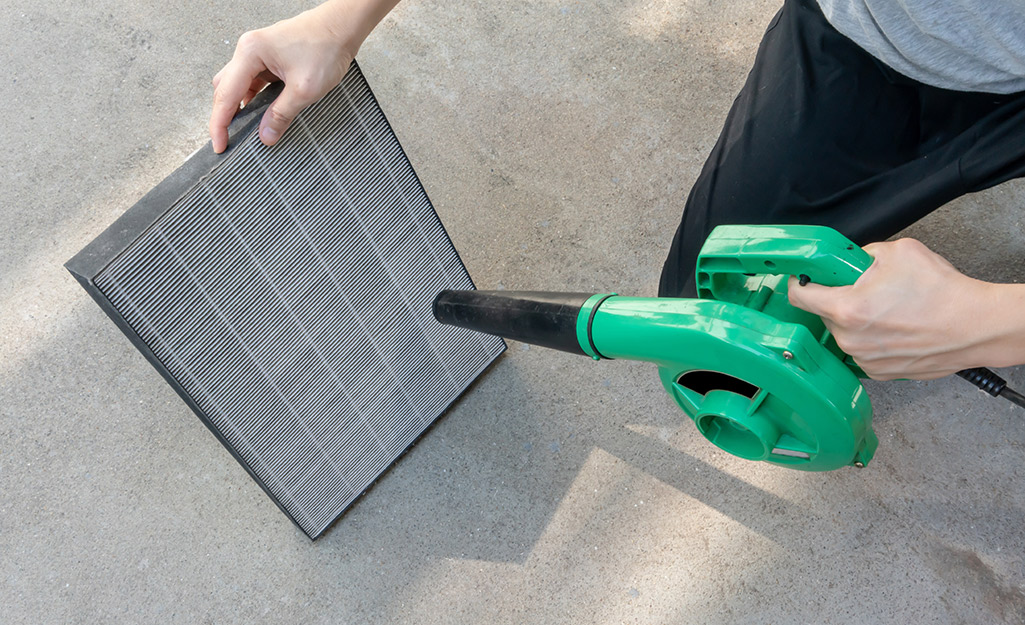
The importance of clean HVAC filters cannot be overstated. Clean filters keep your HVAC system running smoothly. They ensure the air you breathe is fresh and healthy. Regularly washing your HVAC filters has many benefits.
Health Benefits
Clean HVAC filters improve air quality. They remove dust, pollen, and other allergens. This is important for people with allergies or asthma. Cleaner air can lead to fewer respiratory issues. It can also reduce the spread of germs and bacteria.
Energy Efficiency
Clean filters help your HVAC system run more efficiently. Dirty filters restrict airflow. This makes the system work harder. As a result, it uses more energy. Clean filters can save you money on energy bills.
| Benefit | Description |
|---|---|
| Health Benefits | Cleaner air, fewer allergens, and reduced respiratory issues. |
| Energy Efficiency | Lower energy bills and better system performance. |
- Remove dust and pollen from the air
- Improve system performance
- Reduce energy consumption
- Save money on energy bills
Credit: www.homedepot.com
Types Of Hvac Filters
Understanding the different types of HVAC filters can help you choose the right one for your home. Each type has its own benefits and maintenance requirements. Here, we will explore disposable filters and reusable filters. Knowing their differences can make maintaining your HVAC system easier.
Disposable Filters
Disposable filters are designed for one-time use. They are usually made of paper or fiberglass. These filters are affordable and easy to replace. To replace them, simply remove the old filter and insert a new one. Disposable filters are available in various sizes and efficiency levels. Always check the MERV rating to ensure you get the right filter for your needs. A higher MERV rating means better filtration. Make sure to change these filters every one to three months. This keeps your HVAC system running smoothly.
Reusable Filters
Reusable filters are designed for multiple uses. These filters are usually made of a durable material like metal or plastic. You can wash and reuse them, making them an eco-friendly option. To clean a reusable filter, follow these steps:
- Turn off your HVAC system.
- Remove the filter from the unit.
- Rinse the filter with water to remove dust and debris.
- Allow the filter to dry completely.
- Reinstall the filter in the HVAC unit.
Reusable filters can last several years with proper maintenance. They also come in various sizes and efficiency levels. Always check the manufacturer’s instructions for the best cleaning practices. Keep in mind, reusable filters may have a higher initial cost. But they save money over time by reducing the need for frequent replacements.
| Filter Type | Material | Maintenance | Cost |
|---|---|---|---|
| Disposable | Paper or Fiberglass | Replace Every 1-3 Months | Low |
| Reusable | Metal or Plastic | Wash and Reuse | Higher Initial, Lower Over Time |
Both disposable and reusable filters have their own advantages. Choose the one that best fits your needs and budget. Regular maintenance of your HVAC filters improves air quality and system efficiency.
Signs Your Filter Needs Cleaning
Knowing the signs that your HVAC filter needs cleaning is essential. A dirty filter can cause various problems in your home. It can reduce airflow and increase dust. Here’s how to identify these signs.
Reduced Airflow
A major sign of a dirty filter is reduced airflow. If you notice weak airflow from your vents, your filter may be clogged. This happens because dirt and debris block the air. As a result, your HVAC system works harder. This can cause higher energy bills and strain on your system.
- Weak airflow from vents
- HVAC system working harder
- Higher energy bills
Increased Dust
Another sign is increased dust in your home. If you see more dust on surfaces, your filter might be dirty. A clean filter traps dust and keeps your home cleaner. When the filter is dirty, dust circulates more easily. You may need to dust your home more often.
- More dust on surfaces
- Frequent dusting needed
- Allergy symptoms may worsen
Credit: www.homedepot.com
How To Wash Reusable Filters
Washing reusable HVAC filters is essential for maintaining air quality. Dirty filters can reduce airflow and efficiency. In this section, learn how to wash reusable filters effectively.
Tools Needed
- Vacuum Cleaner: Use a vacuum with a brush attachment.
- Garden Hose: A hose with a spray nozzle works best.
- Bucket: Fill it with soapy water.
- Soft Brush: A non-abrasive brush is ideal.
- Towel: Use it to dry the filter.
Step-by-step Guide
- Turn off the HVAC System: Safety first! Make sure the system is off.
- Remove the Filter: Carefully take out the reusable filter.
- Vacuum the Filter: Use the brush attachment to remove loose debris.
- Soak in Soapy Water: Place the filter in a bucket with soapy water. Let it soak for 10-15 minutes.
- Scrub Gently: Use a soft brush to scrub the filter lightly. Focus on dirty areas.
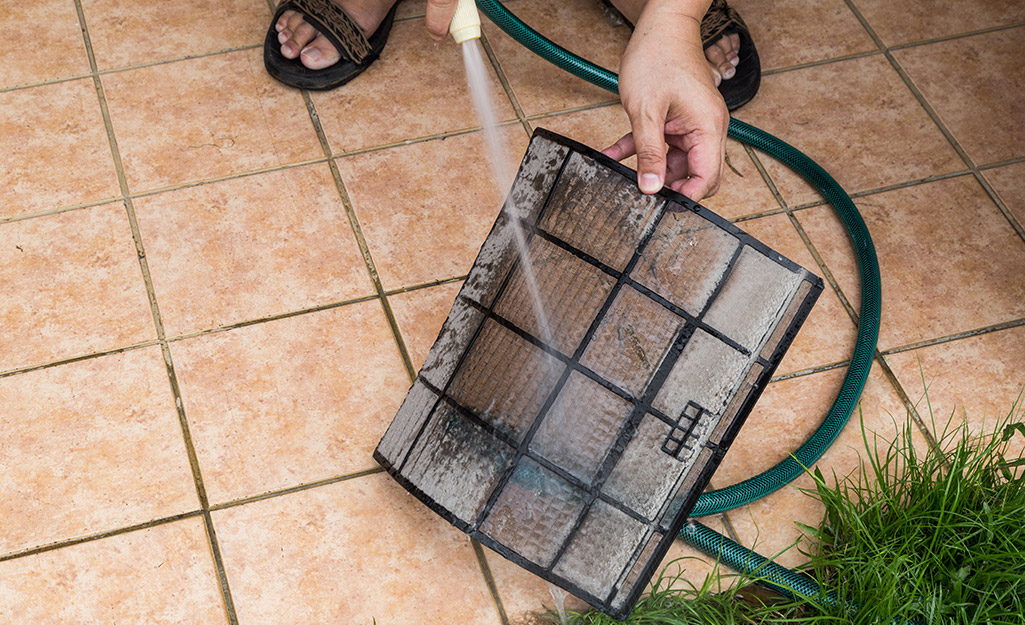
- Rinse with Garden Hose: Rinse the filter thoroughly with a garden hose. Make sure all soap is removed.
- Dry the Filter: Shake off excess water and lay the filter on a towel. Let it air dry completely before reinstalling.
- Reinstall the Filter: Once dry, place the filter back into the HVAC system.
Drying The Filter Properly
After washing your HVAC filter, drying it properly is crucial. A wet filter can attract mold and bacteria. This can lead to poor air quality in your home. Let’s explore some effective methods and common mistakes to avoid.
Air Drying Methods
Air drying is a simple and effective way to dry your HVAC filter. Here are some common air drying methods:
- Natural Sunlight: Place the filter in direct sunlight. This helps kill bacteria and mold spores.
- Indoor Air Drying: Lay the filter on a clean, dry towel. Ensure good air circulation around it.
- Fan-Assisted Drying: Use a fan to speed up the drying process. Place the fan close to the filter.
Make sure the filter is completely dry before reinstalling it. A damp filter can cause issues in the HVAC system.
Common Mistakes
Drying HVAC filters may seem simple, but there are common mistakes to avoid:
- Using Heat Sources: Avoid using hair dryers or heaters. High heat can damage the filter material.
- Skipping Air Drying: Do not skip the air drying process. Reinstalling a wet filter can lead to mold growth.
- Improper Placement: Ensure the filter is laid flat. Hanging it may cause bending or warping.
By following these tips, you can ensure your HVAC filter dries properly. This will help maintain good air quality and extend the life of your HVAC system.
When To Replace Filters
Knowing when to replace HVAC filters is essential for home maintenance. Clean filters ensure better air quality and system efficiency. Let’s explore the lifespan and indicators for replacement.
Lifespan Of Different Filters
Different HVAC filters have varying lifespans. Here’s a quick guide:
| Filter Type | Lifespan |
|---|---|
| Fiberglass Filters | 1 month |
| Pleated Filters | 3 months |
| Electrostatic Filters | 6 months |
| HEPA Filters | 12 months |
Fiberglass filters need replacement every month. They are cheap but less effective. Pleated filters last up to three months. They capture more particles. Electrostatic filters can last up to six months. They use static electricity to attract particles. HEPA filters last the longest, up to a year.
Indicators For Replacement
Look for these signs to know when to replace your HVAC filters:
- Visible dirt and dust: If the filter looks dirty, replace it.
- Increased allergies: More sneezing and coughing can mean it’s time for a new filter.
- Higher energy bills: Dirty filters make your system work harder, using more energy.
- Reduced airflow: If airflow is weak, check the filter.
- Unpleasant odors: Bad smells can come from dirty filters.
Regular checks help maintain a healthy home environment. Replace filters timely to ensure your HVAC system runs smoothly.
Benefits Of Regular Maintenance
Regular maintenance of your HVAC filters is essential. It ensures your system runs efficiently. It also improves air quality and extends the system’s life.
Extended System Life
Cleaning your HVAC filters regularly can extend the life of your system. Dirty filters can make your HVAC system work harder. This extra strain can wear out parts faster. Clean filters allow air to flow easily. This reduces the workload on your system, helping it last longer.
Improved Air Quality
Regular maintenance of HVAC filters improves air quality. Clean filters trap dust, pollen, and other particles. This keeps the air in your home cleaner and healthier. Dirty filters can release these particles back into the air. This can cause allergies and other health issues.
| Maintenance Task | Benefits |
|---|---|
| Cleaning Filters | Improves air flow and reduces strain on the system |
| Replacing Filters | Ensures better air quality and system efficiency |
Credit: cookshc.com
Professional Cleaning Services
HVAC filters need regular cleaning for efficiency. Sometimes, it’s best to hire professionals. They ensure thorough cleaning and maintenance. This section explores when to call a professional and the cost comparison with DIY cleaning.
When To Call A Professional
- Visible Damage: If the filter is torn or damaged.
- Persistent Odors: If there’s a constant bad smell.
- Allergy Issues: If household allergies worsen.
- Frequent Clogging: If filters clog more often.
- Complex Systems: If you have a high-tech HVAC system.
Cost Vs. Diy
Hiring a professional might seem costly. But it offers many benefits:
| Aspect | Professional Cleaning | DIY Cleaning |
|---|---|---|
| Cost | $50 – $150 | $10 – $30 |
| Time | 1-2 hours | 2-4 hours |
| Expertise | High | Low to Medium |
| Tools | Professional-grade | Basic household tools |
- Professionals use specialized tools.
- They ensure deeper cleaning.
- They check for potential issues.
DIY cleaning is cheaper. Yet, it may lack thoroughness. Balancing cost and quality is crucial. Choose wisely based on your needs.
Conclusion
Cleaning HVAC filters is essential for optimal performance. Regular maintenance ensures better air quality and energy efficiency. Always follow the manufacturer’s instructions for best results. Clean or replace filters every one to three months. This simple task can extend the life of your HVAC system and save you money.