
A portable sump pump removes water using an electric motor and spinning impeller. The motor sits above the water line in a basement or sump basin. Water flows in, gets pushed by the impeller through a discharge pipe.
An automatic float switch turns the pump on and off based on water level. This cycle repeats whenever water accumulates.
What Happens When Water Hits: The Trigger Sequence
Water flows into the sump basin from basement drains or groundwater seepage. When the water level rises about 4 to 6 inches, it lifts the float switch. Most pumps use a vertical float switch made of hollow plastic that rises with the water.
Once the float tilts to about a 30-degree angle, it closes an internal electrical contact.
Then the motor starts. The spinning impeller creates centrifugal force, pushing water up and out through the discharge pipe. Check valves ensure water flows only one direction.
When the water level drops back down, the float switch tilts the other way and breaks the circuit.
The pump shuts off. The whole cycle typically takes between 15 to 30 seconds per activation.
Inside the Pump: Components and Automatic Operation
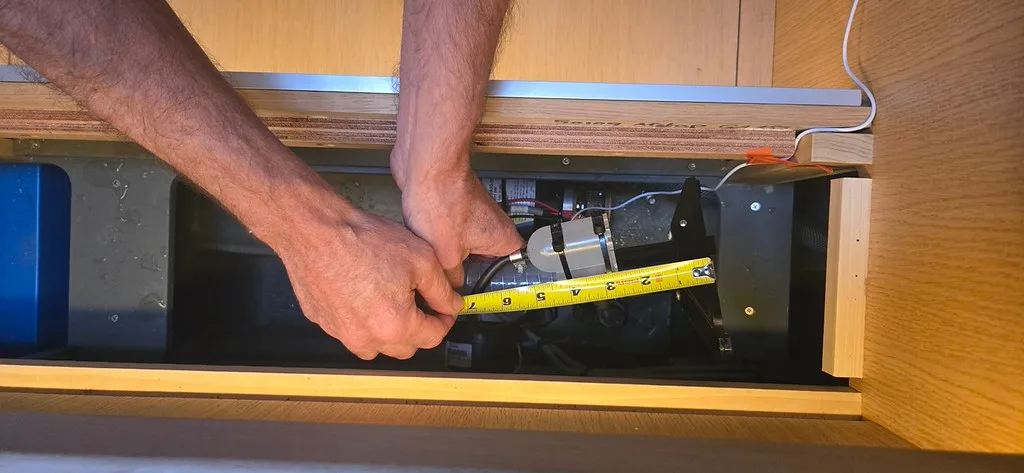
Every portable sump pump shares four core components that work together automatically: the submersible motor, the impeller, the float switch, and the check valve. The motor gets sealed inside a cast-aluminum or plastic housing to prevent water damage. When powered on, it spins a shaft connected to a circular impeller with curved blades.
Water enters around the edges of this spinning impeller, gets flung outward by centrifugal force, then exits through a discharge port on top or the side of the unit.
The float switch controls the whole operation without any manual input. Vertical float switches hang from a short cord attached to the pump. Tethered float switches dangle freely in the water.
Both designs lift upward when water rises, eventually tilting enough to close an internal electrical contact that starts the motor. When water drops, the float sinks back down, opening the circuit and stopping the pump automatically. A check valve installed on the discharge pipe prevents water from flowing back into the basin after each cycle, which keeps the pump from short-cycling and wearing out prematurely.
Real-World Setup: From Placement to Discharge
Setting up a portable sump pump seems straightforward, but a few critical details determine whether it actually protects your space. Start by clearing the sump basin of debris so the pump sits level on stable ground or a piece of plywood. Connect the discharge hose to the outlet and run it away from your foundation at least 10 to 20 feet.
If your setup includes a check valve, install it about 6 to 12 inches above the pump inlet to prevent backflow that causes short-cycling.
Plug the pump into a GFCI-protected outdoor-rated outlet to meet electrical safety standards. Test the system by pouring water into the basin. The float should rise, start the pump, and shut off as water drains.
Verify your discharge point isn't creating a stream that erodes soil or flows toward your house. For basements with multiple potential water sources, consider linking your portable pump to a secondary basin via a short hose. Always keep a bucket and wet/dry vacuum nearby for initial cleanup when water first enters.
When Things Go Wrong: Troubleshooting and Maintenance
Even with proper setup, portable sump pumps develop issues, usually because of three common problems. The most frequent failure is a clogged impeller, which happens when lint, hair, or small debris gets caught in the spinning blades. If your pump hums but won't move water, unplug it immediately, remove the intake screen or guard, and clear the obstruction with needle-nose pliers or a wire coat hanger.
Always disconnect power before handling internal components.
A stuck float switch causes either constant running or no operation at all. Debris wedged between the float and the pump housing stops the float from rising properly. Lift the float manually during testing to see if the pump activates.
If it doesn't, the switch may need replacement. For long-term reliability, clean the pump and basin at least once per season. Check the impeller for corrosion, inspect the discharge hose for kinks or cracks, and verify the GFCI outlet still trips correctly by pressing the test button monthly.
Replace any worn seals or cracked hoses before the next wet season begins.
Portable Sump Pump FAQs
Does a portable sump pump need a dedicated circuit?
Most portable sump pumps drawing 4 to 6 amps can share a standard 15-amp GFCI outlet with other basement utilities. However, hardwired or higher-horsepower models often require a dedicated 15-amp or 20-amp circuit to avoid tripping breakers during startup.
Can I leave a portable sump pump running continuously?
Running a sump pump continuously leads to rapid wear and eventual motor failure. Most units have thermal overload protection that shuts them off when overheating occurs. Continuous duty typically voids warranties.
What size discharge hose do I need?
Standard portable sump pumps use 1¼-inch or 1½-inch NPT discharge ports. Match your discharge hose to the pump outlet size exactly, using a reducer only temporarily. Oversizing creates backpressure and can strain the motor.
How often should I test my sump pump battery backup?
Test your battery backup system monthly during wet seasons by unplugging the main pump. The backup unit should activate automatically within 10 to 15 seconds of water detection. Replace sealed-lead-acid backup batteries every 2 to 3 years.