
Figuring out how often should you replace a sump pump prevents costly basement flooding and structural damage. Most submersible units need replacement every seven to ten years based on mechanical wear limits.
Manufacturer specifications indicate pedestal models may last fifteen years due to sealed motors staying dry. We will cover the specific warning signs that matter more than calendar age alone.
The Real Replacement Timeline: Why 7-10 Years Is Just a Starting Point
You should typically replace a submersible sump pump every seven to ten years. Pedestal pumps often last ten to fifteen years because their motors stay above water. These timelines assume normal residential usage with regular maintenance cycles.
Actual lifespan depends heavily on runtime hours rather than installed years. A pump running daily in high water table areas wears out faster than one activating monthly. Aggregate reviews report premature failure within five years for homes with heavy sediment or frequent power outages causing hard starts.
Switch mechanisms usually fail before the motor itself burns out. Vertical float switches are rated for approximately one million cycles in lab testing. If your pump cycles fifty times daily, that switch reaches its limit in roughly five years regardless of motor condition.
Always test mechanical components annually to catch wear early.
5 Warning Signs Your Sump Pump Is Failing Before It Floods
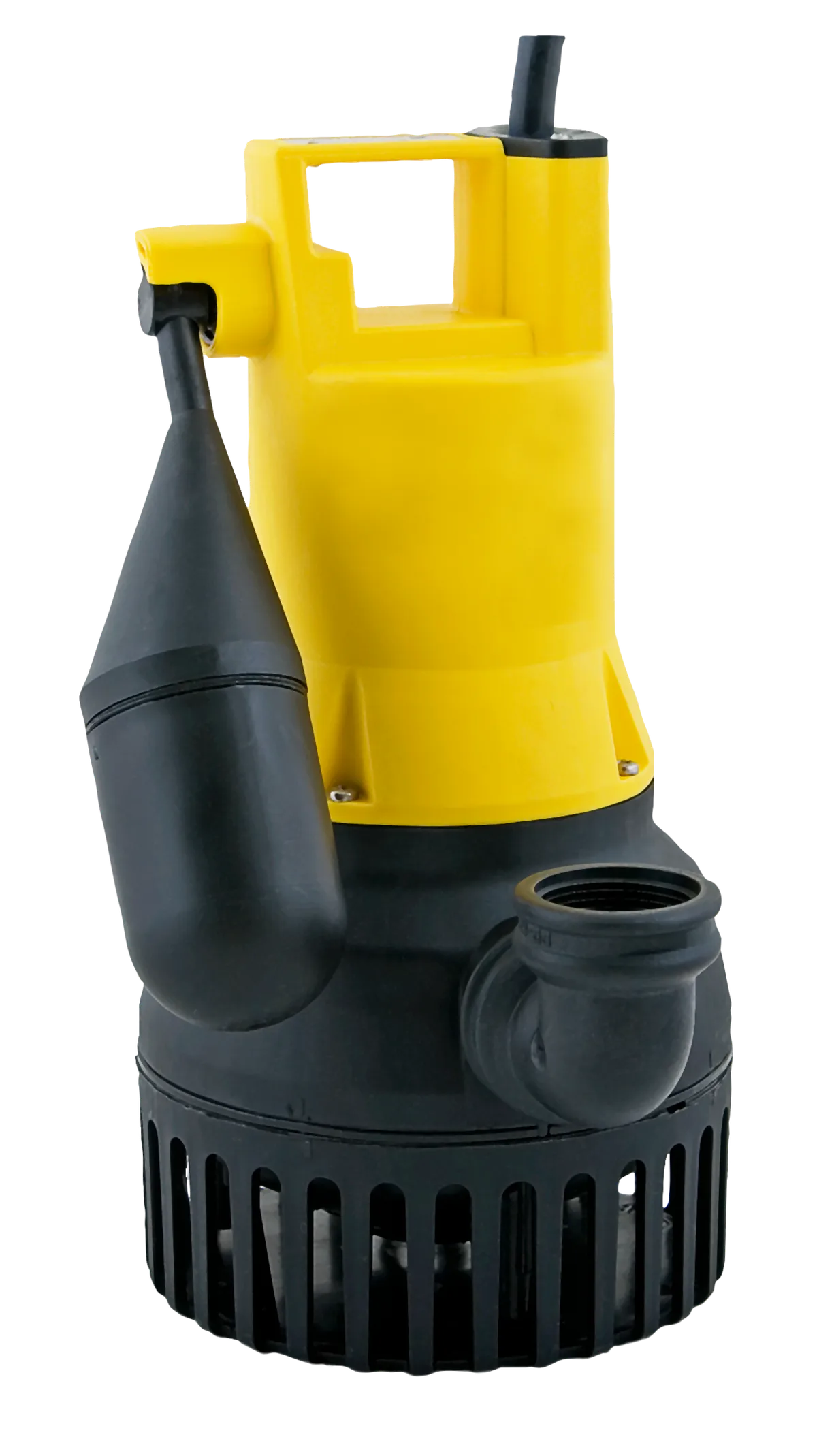
Image source: Wikimedia Commons / PumpExpert (CC BY-SA)
Unusual noises like grinding or loud humming indicate bearing failure or impeller obstruction. Healthy pumps produce a consistent low hum during operation. Any new metallic scraping sound means internal metal parts are contacting each other directly.
Frequent cycling or continuous running suggests a stuck switch or undersized unit. The pump should activate only when water reaches the trigger point. Short cycling every few minutes destroys the motor capacitor and overheats windings rapidly.
Visible rust or corrosion on cast iron housings signals seal degradation. Water intrusion into the motor housing causes electrical shorts over time. Thermoplastic bodies resist corrosion but can crack from freezing discharge lines or physical impact.
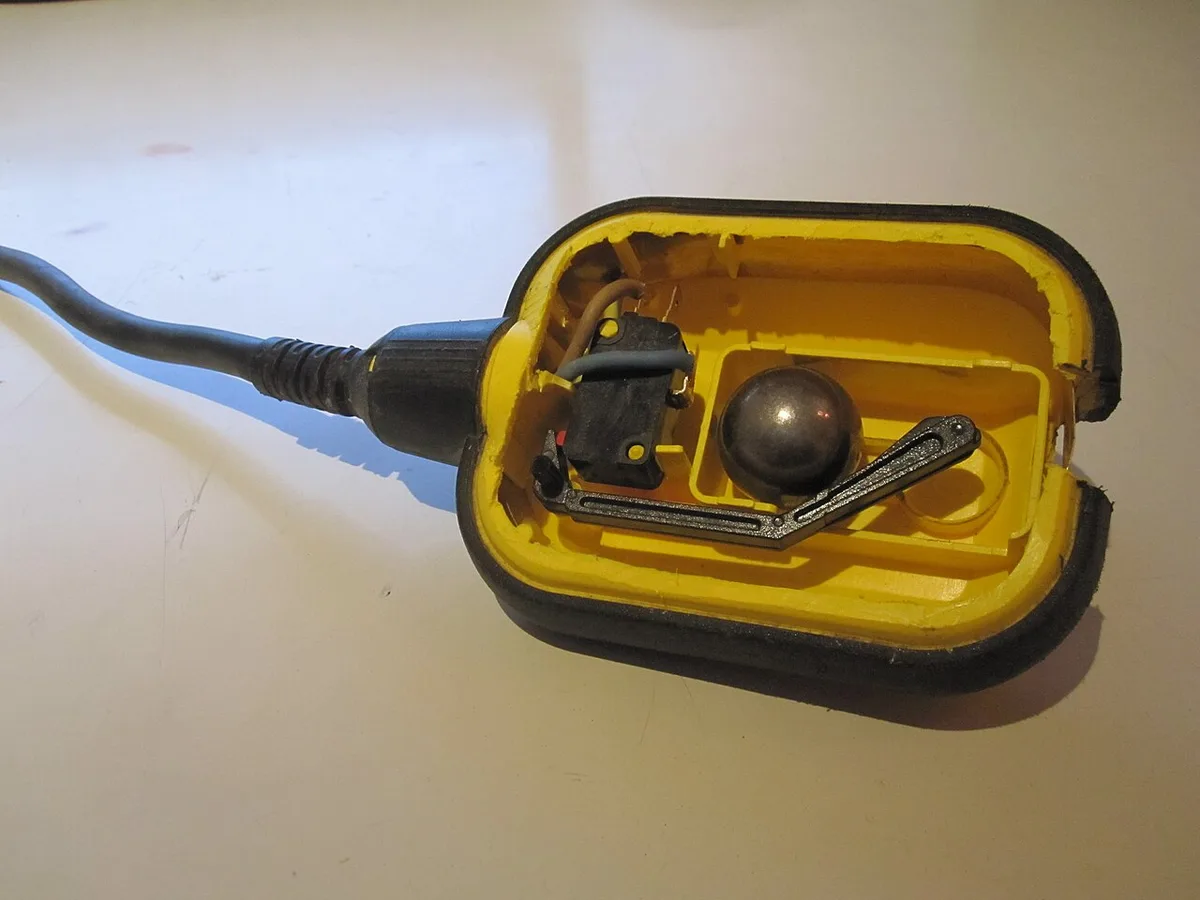
Image source: Wikimedia Commons / Martin Meise (CC BY)
Failure to activate during manual testing confirms switch or electrical failure. Pour five gallons of water into the basin to verify automatic engagement. If nothing happens, check the GFCI outlet first before condemning the pump assembly.
Persistent dampness or musty odors mean the pump isn't keeping up with inflow. This could be an undersized unit or partial blockage in the discharge pipe. Addressing this early prevents mold growth and protects finished basement materials just as proper appliance maintenance prevents larger household issues.
Critical Maintenance Steps That Actually Extend Pump Life
Clean the sump basin and intake screen every three to four months. Sediment buildup reduces effective basin volume and clogs the impeller. Remove debris by hand after disconnecting power at the breaker panel.
Test the float switch mechanism manually during each cleaning session. Lift the float arm slowly to confirm smooth activation without sticking. Replace the switch immediately if it feels gritty or fails to trigger consistently.
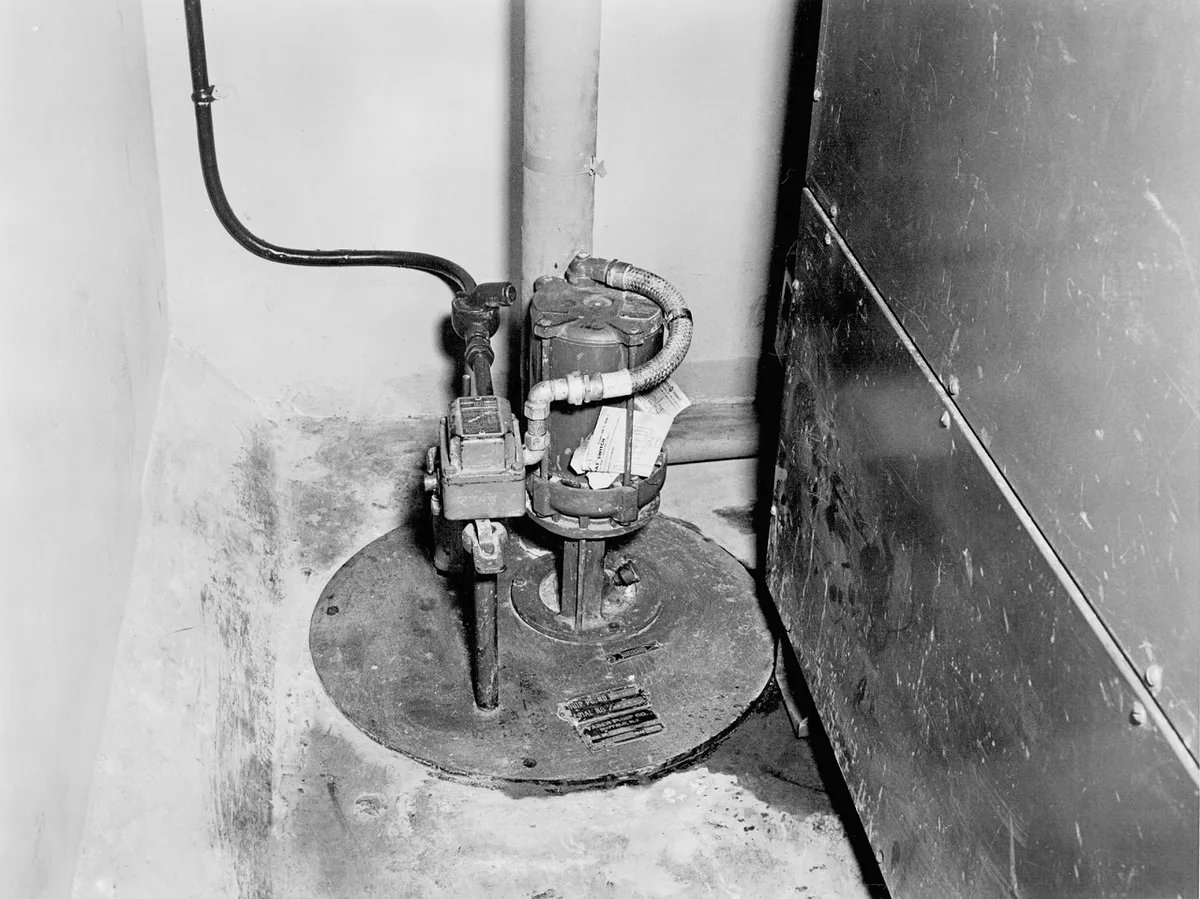
Image source: Wikimedia Commons / United States Department of Agriculture
Inspect the check valve annually for proper sealing and quiet operation. A failing valve allows water backflow that forces unnecessary restart cycles. This silent wear doubles your pump's annual cycle count and halves its expected lifespan.
Verify GFCI protection and dedicated circuit status per National Electrical Code requirements. Moisture exposure makes ground fault protection mandatory for basement outlets. Test the reset button monthly to ensure it trips correctly under fault conditions.
Clear exterior discharge terminations before winter freeze periods arrive. Ice blockages create backpressure that burns out motors trying to push against solid ice. Installing a freeze guard or heated cable prevents this common seasonal failure mode.
Sump Pump Replacement Costs and When to Call a Pro
Professional installation typically costs between $400 and $1,200 as of 2026. This includes labor, standard equipment, and disposal of the old unit. Complex installations involving new discharge lines or electrical upgrades push costs toward the higher end.
DIY replacement saves labor fees but requires electrical comfort and plumbing knowledge. You must handle PVC cement joints, proper slope calculations, and safe wiring connections. Mistakes here risk voiding home insurance coverage for subsequent water damage claims.
| Factor | DIY Approach | Professional Service |
|---|---|---|
| Total Cost | $150 to $400 | $400 to $1,200 |
| Time Required | 3 to 6 hours | 1 to 2 hours |
| Warranty Coverage | Parts only | Parts and labor |
| Code Compliance Risk | High | Low |
Call a licensed plumber if your discharge line needs rerouting or upsizing. Improper pipe diameter creates chronic performance issues no new pump can fix. Professionals also handle permits when local codes require inspection for below-grade plumbing work.
Consider professional help if diagnosing electrical faults feels unsafe or unfamiliar. Working in wet basement environments increases shock risk significantly. A qualified technician brings proper testing equipment and liability insurance that protects your property.
Budget extra for battery backup systems in storm-prone regions. Primary pumps cannot function during extended power outages when flooding risk peaks. Backup units add $300 to $800 but prevent catastrophic losses worth tens of thousands.
Frequently Asked Questions About Sump Pump Lifespan
Can I replace just the float switch instead of the whole pump?
Yes, replacing a failed float switch costs $20 to $50 versus hundreds for a full unit. Ensure the replacement matches your pump model exactly for proper fitment. However, if the pump is over seven years old, replacing everything together often proves more economical long-term.
Does homeowner insurance cover sump pump failure damage?
Standard policies typically exclude sump pump failure unless you purchased specific water backup endorsement coverage. Review your declarations page carefully before assuming protection exists. Adding this rider usually costs $50 to $150 annually but covers cleanup and restoration expenses.
How do I know if my pump is properly sized for my basement?
Proper sizing depends on basin inflow rate during peak storms, not just square footage. Measure how quickly water rises during heavy rain to calculate required gallons per hour capacity. Undersized pumps run continuously and fail prematurely while oversized units short-cycle destructively.
Should I install a water-powered backup instead of battery backup?
Water-powered backups offer unlimited runtime without battery maintenance concerns. They require adequate municipal water pressure and generate significant wastewater during operation. Battery backups work independently of water supply but need periodic battery replacement every three to five years.
What causes a brand-new sump pump to fail within months?
Premature failure usually stems from dry running, incorrect voltage, or manufacturing defects. Running without water even briefly damages mechanical seals permanently. Verify correct voltage matching and ensure the basin maintains minimum water level to protect warranty coverage.