
Learning how to add a high water alarm to an existing sump pump is one of those skills that feels overwhelming until you break it down into concrete steps. You don't need to be an electrician or plumbing expert to get this done.
Most homeowners in flood-prone areas install these alarms because a sump pump failure can cause thousands of dollars in water damage. The average residential sump basin has 18 inches of space between the water inlet pipe and the lid, which gives you plenty of room to mount both the pump and the alarm components properly. That's about all you need to know before diving into the wiring process.
How High Water Alarms Work and What to Look for in a Model
A high water alarm is basically a safety net for your sump pump system. It detects when water levels rise too high and sounds an alert before flooding occurs.
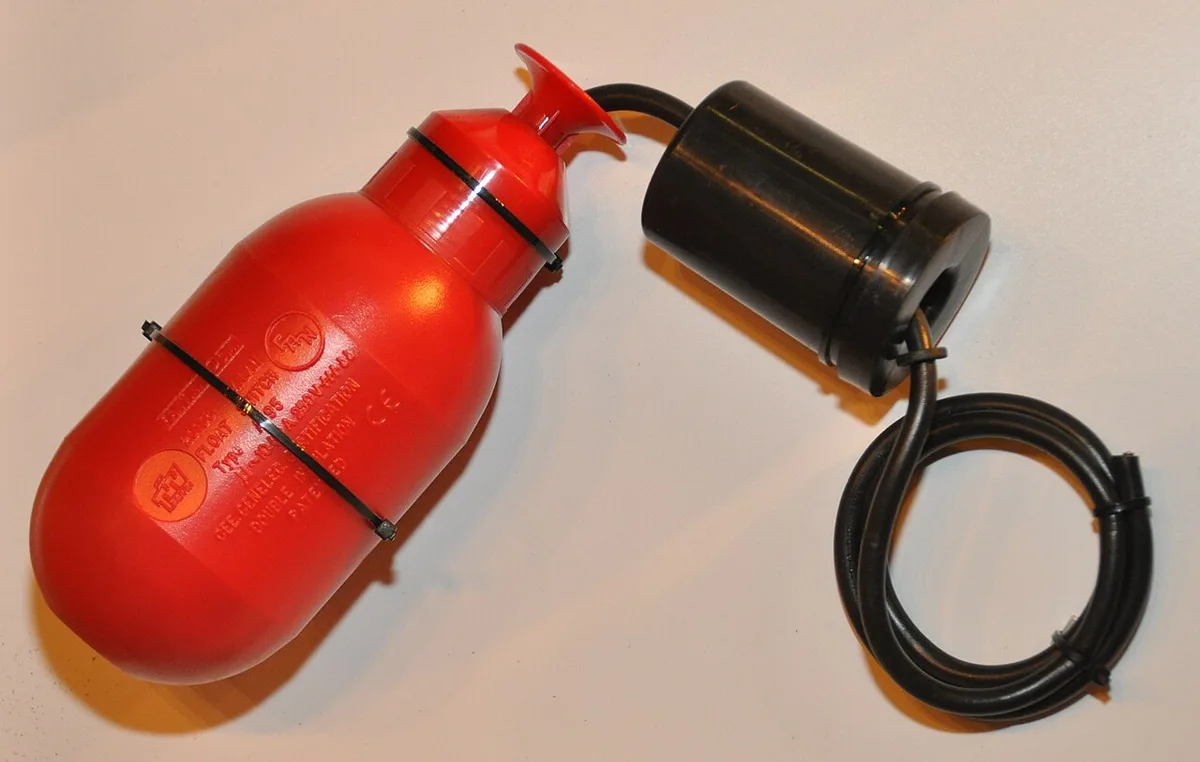
The basic components include a float switch that rides on the water surface and an alarm unit mounted above the sump pit. When water rises, the float tilts and triggers the alarm circuit. Here's what the major types offer:
| Type | Power Source | Range | Best For |
|---|---|---|---|
| Wired alarm | Hardwired 12V DC | Unlimited | Permanent installation |
| Battery alarm | 9V or AA batteries | 6-12 months | Quick setup, rentals |
| Smart alarm | WiFi + battery | Real-time alerts | Remote monitoring |
| Pump-integrated | Built into pump | Automatic | New installations |
Wired systems give you the most reliable connection, but battery-powered alarms are easier to install if you're uncomfortable running electrical conduit through your basement walls.
Step-by-Step: Wiring a High Water Alarm to Your Existing Sump Pump
You'll need to work with live electrical components here, so turn off the circuit breaker for your sump pump before touching any wiring.
First, mount the alarm unit just above where your sump pump sits. You want it high enough that normal water fluctuations won't trigger false alarms but low enough to give you time to respond before flooding starts. Most alarms mount about 1 to 3 inches above the pit's normal operating water line.
Next, route your float switch cable through the same hole your pump power cord uses, or drill a separate pilot hole if needed. Secure the float switch so it sits freely in the water without tangling in your pump discharge pipe.
Connect the alarm's wires according to manufacturer specifications. Typically, you're connecting the float switch leads to the alarm's sensor terminals, then connecting the alarm's power leads to either a nearby outlet or directly to your pump's control wiring. If connecting to household power, use a GFCI outlet and keep all connections dry and properly sealed.
Test everything before finishing. Lift the float switch manually to confirm the alarm activates, then reset it to verify proper operation.
Common Installation Mistakes and How to Avoid Them
Even experienced DIYers mess up these basic steps when installing a high water alarm.
False alarms top the list of problems we see. Mounting the float switch too close to your pump discharge pipe or leaving it loose in the basin causes constant triggering. Always position the switch away from any moving parts and make sure it can move freely with rising water levels.
Water damage from poor sealing ranks second. When running cables through your foundation wall, use a proper waterproof conduit and seal around the opening with hydraulic cement or marine-grade caulk. Leaving gaps lets groundwater sneak in alongside your wiring.
Electrical safety violations are more serious than annoying. Never connect a low-voltage alarm directly to household 120-volt circuits without proper transformer stepping. If your alarm requires AC power, install a dedicated GFCI circuit rather than daisy-chaining into existing outlets.
High Water Alarm Installation FAQ
Do I need to turn off electricity to install a high water alarm?
Yes, always shut off power at the circuit breaker box. Working with electrical components near water creates serious shock hazards.
How high should I mount my high water alarm above the sump pit?
Position it about 1 to 3 inches above your pump's normal operating water level. This gives you early warning while avoiding false triggers from minor fluctuations.
Will a high water alarm work if the power goes out?
Battery-powered alarms continue working during power outages, which is often when you need them most. Hardwired units lose power unless backed up by battery.
What causes a high water alarm to keep beeping randomly?
Debris blocking the float switch, condensation buildup, or loose wiring usually causes intermittent triggering. Check these connections first before assuming the alarm itself is faulty.
Can I connect a high water alarm to my home's existing security system?
Yes, many modern alarms support integration with smart home systems through additional modules. However, this typically requires professional installation and compatible equipment. As of 2026, most smart alarms support standard Z-Wave or WiFi protocols.