
A sump pump that won't start, runs constantly, or makes strange noises can leave your basement flooding within minutes. Knowing how to diagnose a sump pump problem yourself can save you hundreds in emergency repairs and protect your home from water damage. This guide walks through the most common failure modes and what each one tells you about the underlying issue.
Most standard sump pumps activate when the float switch rises with water level, typically between 3 to 6 feet of lift depending on horsepower. A properly functioning 1/3-hp unit moves 30 gallons per minute against a 10-foot head. Here's how to troubleshoot step by step.
Sump Pump Won't Start or Turn On
If your sump pump isn't responding to rising water levels, start with the basics. Check if the power cord is fully plugged into a GFCI outlet (which should be tested monthly per the National Electrical Code). Reset the outlet and circuit breaker if either has tripped.
Many newer homes require GFCI protection for basement outlets, and moisture exposure often causes nuisance tripping. Next inspect the float switch: if it's stuck against the basin wall or tangled in debris, the pump won't engage.
| Cause | Diagnostic Step | Fix |
|---|---|---|
| No power at outlet | Plug in a lamp to test voltage | Replace GFCI or check breaker |
| Tripped breaker | Look for switched-off position | Flip breaker back on |
| Stuck float switch | Lift float manually — listen for click | Untangle or replace switch |
| Blown internal overload | Motor feels hot to touch | Let cool 15 min, test again |
If the motor shows no response after these checks, test electrical continuity with a multimeter. A burned-out winding reads infinite resistance. This usually means motor replacement, though you might consider a professional diagnosis for units still under manufacturer warranty (average lifespan: 6 to 8 years for submerged models).
Sump Pump Runs Continuously or Won't Shut Off
A pump that cycles indefinitely usually indicates a mechanical issue rather than electrical failure. The most common cause is a check valve malfunction, that one-way gate that prevents backflow. If it's stuck open, water drains back into the basin, triggering repeated cycles.
Listen for a water hammer (loud banging) when the pump stops, which confirms this scenario. Also check the discharge pipe for blockages or ice formation during winter.
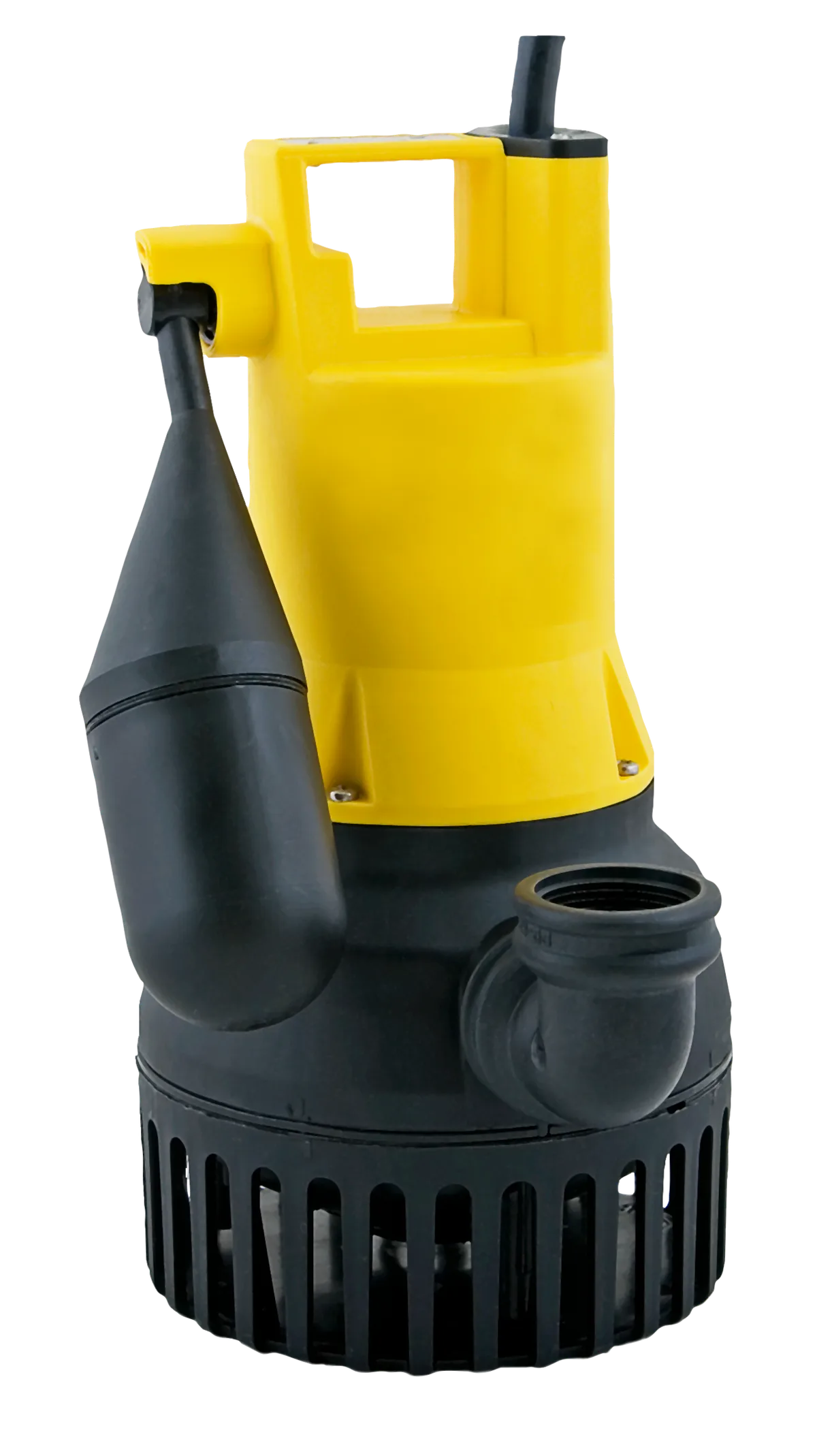
Another culprit is a faulty float switch that remains stuck in the "on" position. Over time mineral buildup or debris can cause the switch to malfunction, sending constant power to the motor. Unplug the unit and manually move the float to test its range of motion.
If it doesn't return to rest position freely, replacement is needed. A continuous-running pump will burn out faster than normal, so address this promptly.
Sump Pump Hums But Doesn't Pump Water
When you hear that low electrical buzz, the problem is almost always mechanical, not electrical. The impeller (rotating cutting blade) has likely jammed with debris like lint, small toys, or sediment buildup. This is especially common in older basements where the sump basin collects more grit over time.
The motor is receiving power but can't turn because something's blocking rotation.
First, shut off power completely and unplug the unit. Remove the pump from the basin if possible, then check the impeller by hand through the discharge opening. If it won't spin freely, use a coat hanger or pliers to dislodge the obstruction.
Never force it; you could damage internal seals. After clearing the blockage, reinstall and test. If you still hear humming after clearing debris, the impeller may be seized internally, requiring professional service or replacement.
Sump Pump is Noisy, Slow, or Weak
Unusual vibrations, grinding sounds, or reduced flow rate point to mounting or alignment issues. A properly installed pump should sit level at the bottom of the basin with minimal movement. If it's banging against the walls or vibrating loose, the noise travels through your floors and walls.
Install rubber vibration pads or foam insulation between the pump and basin floor. Check if the discharge pipe is properly secured, unsecured pipes rattle and create loud water hammer effects when the pump shuts off.
Reduced performance often stems from a clogged inlet screen or partially blocked discharge line. Mineral deposits from hard water can accumulate inside the pump housing over months of use. Soak the unit in white vinegar for 30 minutes to dissolve calcium buildup, then rinse thoroughly before reinstalling.
A weak-flowing pump that still runs may be undersized for your basement's water volume, but that's less common than simple maintenance issues.
When to Call a Pro vs DIY Repairs
Simple diagnostics, checking power, clearing debris, testing float switches, are perfectly safe for homeowners to handle. However, any work involving electrical panels, hardwired connections, or motor rewinding should be left to licensed electricians. According to OSHA standards, working inside flooded electrical panels or installing new GFCI circuits without proper permits violates basic home electrical codes.
If you're uncomfortable with any electrical aspect, hire a professional. Motor replacement and internal bearing work also require specialized tools and knowledge about seal integrity.
Cost is another deciding factor. A basic repair call typically costs between $150 and $300 (as of 2026), while motor or pump replacement ranges from $400 to $1,200 depending on size and features. If your unit is older than eight years and the repair approaches 50% of replacement cost, upgrading makes financial sense.
Consider upgrading to a higher GPH-rated model or adding a battery backup system for critical protection. For more advanced troubleshooting, check our guide on diagnostic error codes for related home systems.
Frequently Asked Questions
Why does my sump pump keep cycling on and off?
Short cycling usually means either the check valve is allowing water backflow into the basin or the float switch is positioned incorrectly. Adjust the float to activate at the proper water level (typically 4 to 6 inches below the basin top).
How often should I test my sump pump?
Test monthly by pouring water into the basin until the float rises. The pump should start within seconds and shut off once water drains below the switch point. Perform this check quarterly at minimum.
What causes the pump to smell burned?
Burning odors indicate overheating motor windings or electrical components. Immediately switch off the circuit breaker and let the unit cool. If the smell persists after cooling, the motor likely needs replacement.
Can I run my sump pump with the lid off?
No. An uncovered basin allows debris entry and creates a safety hazard. Always maintain a proper cover with sealed penetrations for pipes and cables.
How do I know if my check valve is failing?
Listen for repeated cycling shortly after shutdown or notice if the pump restarts within 2 to 3 minutes of the previous cycle. A functioning check valve prevents immediate re-triggering by maintaining water column pressure.
Sump Pump Problems: What's Causing That Noise or Odor?
Unusual sounds often point to specific mechanical failures inside the pump housing. Grinding or scraping typically means bearings are wearing out, especially in older pedestal models where the motor runs continuously. Gurgling sounds usually indicate air trapped in the discharge line, which can happen if the pipe isn't fully submerged or if there's a partial blockage downstream.
| Noise Type | Likely Cause | Action Needed |
|---|---|---|
| High-pitched whining | Worn impeller or bearing | Motor replacement |
| Metallic grinding | Debris in impeller housing | Clean or replace impeller |
| Low gurgling | Airlock in discharge pipe | Reposition discharge piping |
| Sharp knocking | Loose mounting bolts | Tighten pump to basin |
Chemical or sewage-like odors coming from your sump basin require immediate attention. These smells suggest either contaminated groundwater infiltration or a failing sealed motor housing allowing wastewater contact with electrical components. In either case, professional inspection prevents both health hazards and expensive component replacement.