
Knowing how to maintain a sump pump in a crawl space protects your home from structural rot and toxic mold growth. This confined environment demands specific safety protocols that differ significantly from standard basement maintenance routines.
The National Electrical Code requires GFCI protection for all crawl space receptacles to prevent fatal shock hazards in damp conditions. We will cover the critical safety steps you must complete before touching any equipment down there.
how to maintain a sump pump in a crawl space
Test the float switch monthly by lifting it manually. Clean intake screens quarterly to prevent sediment clogging. Inspect check valves annually for proper sealing function.
Verify backup battery charge every six months. Replace pumps showing corrosion or thermal damage immediately.
Crawl Space Safety and Electrical Hazards Before You Start
Confined Space Risks: Mold, Radon, and Poor Ventilation
Crawl spaces often contain hazardous biological and chemical contaminants that require proper respiratory protection. OSHA classifies many crawl spaces as permit-required confined spaces due to poor ventilation and atmospheric hazards. Always test air quality before entry if the space has been sealed for extended periods.
Mold spores and mycotoxins accumulate rapidly in these damp environments without adequate airflow. Wear an N95 respirator minimum when disturbing sediment or cleaning components near standing water. If you suspect significant mold contamination, hire certified remediation professionals instead of attempting DIY maintenance.
GFCI Requirements and Shock Prevention in Damp Environments
Ground fault circuit interrupters are mandatory for all crawl space electrical outlets per current building codes. These devices trip at 5 milliamps to prevent electrocution in wet conditions where standard breakers fail. Never bypass or disable GFCI protection even if nuisance tripping occurs frequently during pump operation.
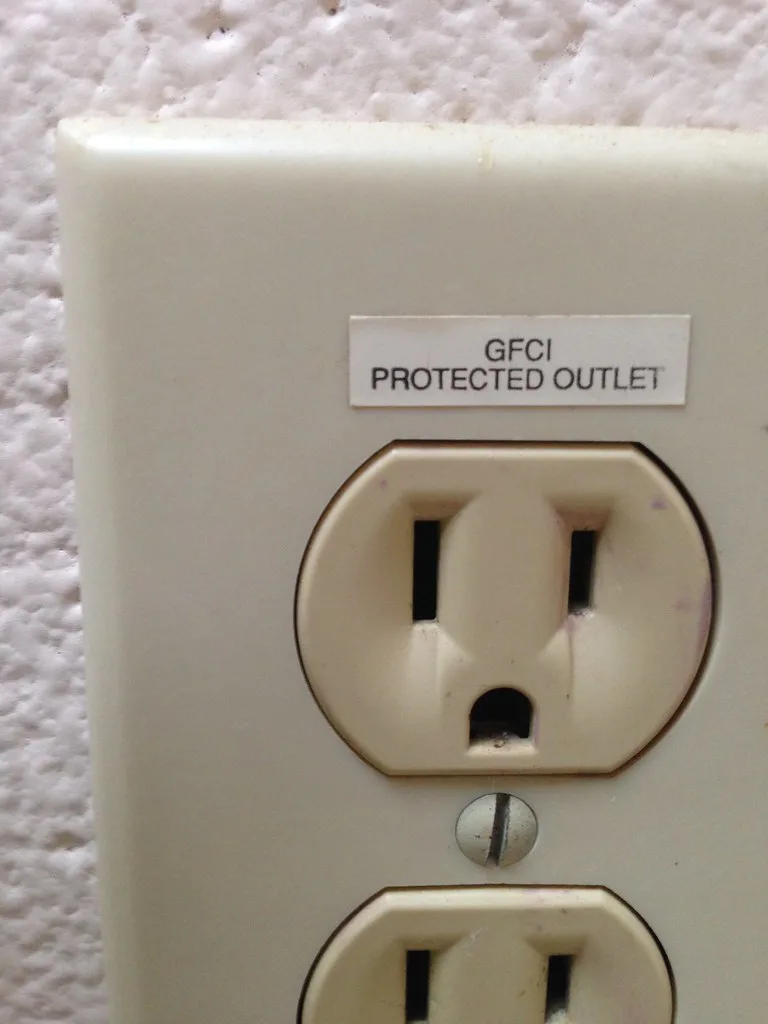
Image source: Openverse / dankeck
Test the GFCI reset button before each maintenance visit to confirm proper function. Moisture intrusion can corrode internal contacts over time and compromise safety mechanisms. If the outlet trips repeatedly during normal pump cycles, investigate ground faults rather than replacing the protective device.
Essential PPE and When to Call a Professional Instead
Minimum personal protective equipment includes gloves, eye protection, knee pads, and respiratory filtration. Headlamps with hands-free operation improve visibility while keeping both hands available for tasks. Thick clothing prevents abrasions from rough joists and exposed fasteners overhead.
Stop work immediately if you encounter asbestos insulation, extensive mold colonies, or structural instability. Homes built before 1980 frequently contain asbestos materials that release fibers when disturbed. Professional waterproofing contractors have specialized equipment and training for hazardous crawl space conditions that exceed homeowner capabilities.
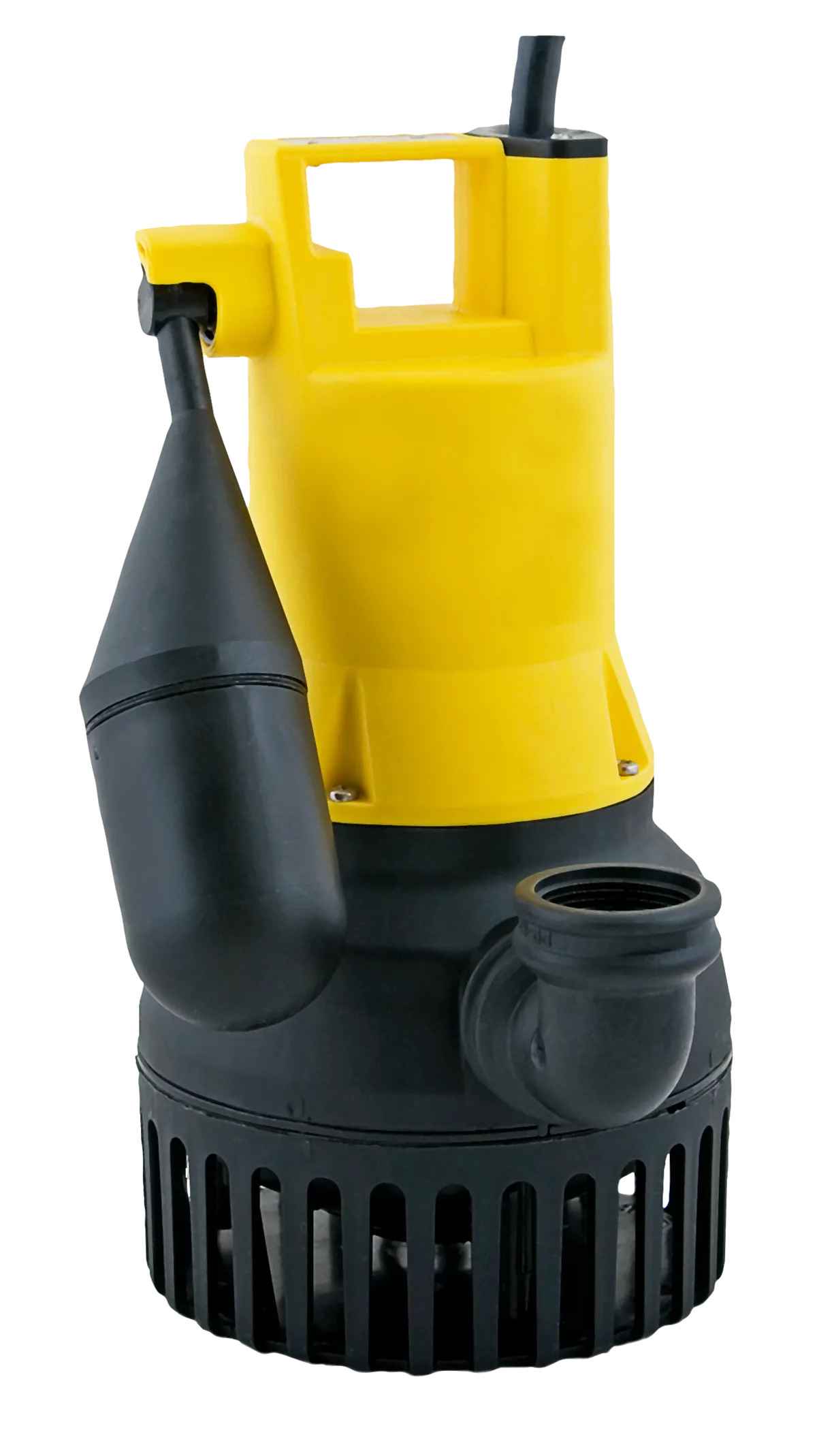
Image source: Wikimedia Commons / PumpExpert (CC BY-SA)
The 5-Point Maintenance Checklist for Crawl Space Sump Pumps
Testing the Float Switch and Manual Activation
Lift the float switch slowly by hand to verify smooth travel through its full range. Listen for immediate motor engagement when the switch reaches activation height. Sticky or binding floats indicate sediment buildup or mechanical wear requiring cleaning or replacement.
Pour water into the basin to test automatic cycling under realistic conditions. Watch for proper shutoff once water levels drop below the deactivation point. Intermittent operation suggests electrical problems or switch misalignment that needs professional diagnosis.
Inspecting the Check Valve, Discharge Line, and Weep Hole
Check valves prevent discharged water from flowing back into the basin after each cycle. A failing valve causes rapid cycling that burns out motors prematurely and wastes energy. Listen for loud hammer sounds or observe water level rising immediately after pump shutoff.
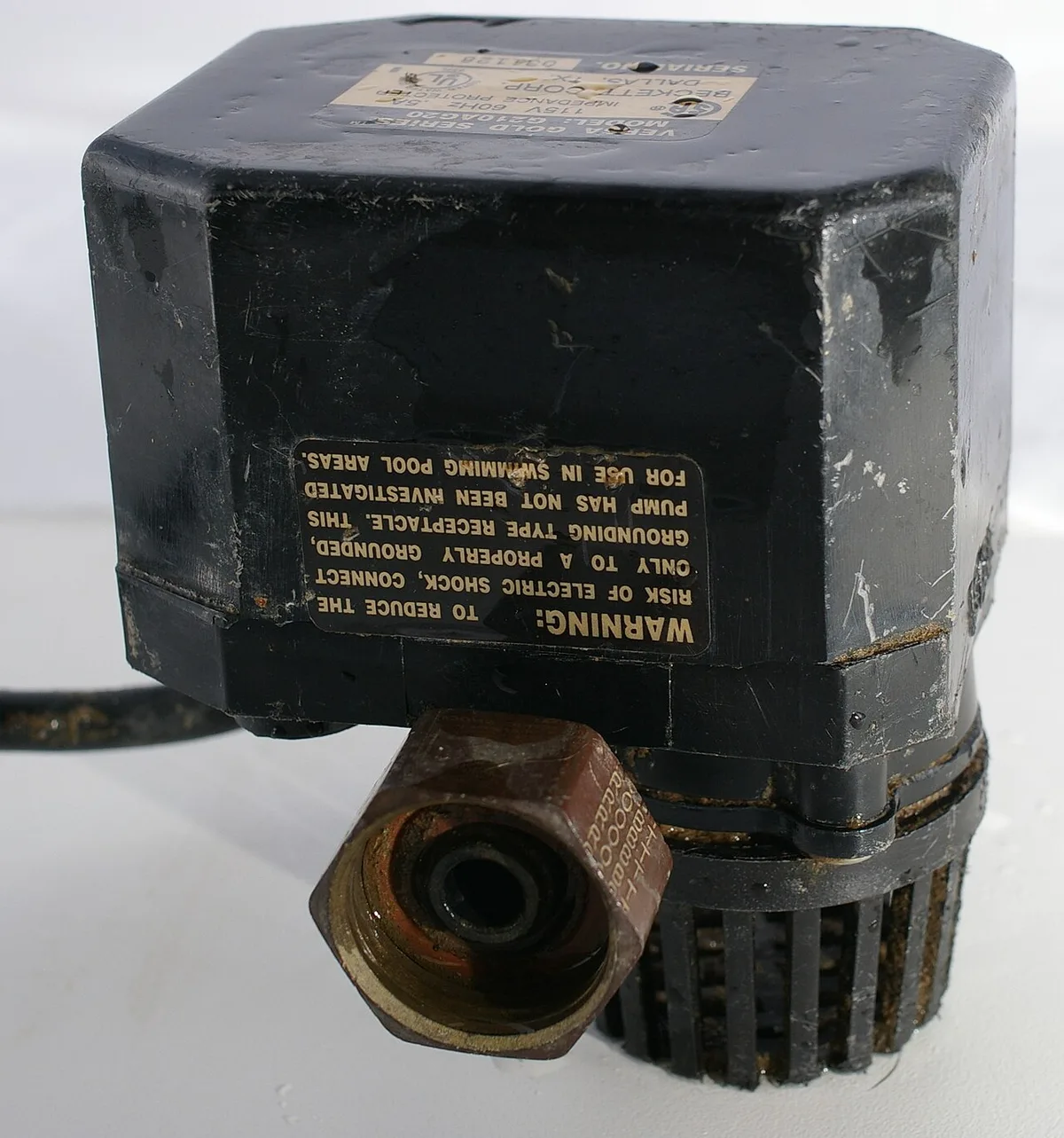
Image source: Wikimedia Commons / Hustvedt (CC BY-SA)
Verify the weep hole remains clear to allow trapped air escape between cycles. Blocked weep holes create air locks that reduce pumping capacity and strain motors. Clear debris gently with a small wire or compressed air without damaging the valve body.
Inspect discharge piping for cracks, loose joints, or freeze damage in unconditioned spaces. Flexible corrugated tubing resists freezing better than rigid PVC in vented crawl spaces. Ensure pipe slope maintains minimum one-eighth inch per foot toward exterior termination.
Cleaning Intake Screens and Removing Basin Sediment
Sediment accumulation reduces flow capacity and accelerates impeller wear over time. Remove the pump carefully and rinse screens with clean water outside the crawl space. Use a wet vacuum to extract settled debris from the basin bottom without stirring up contaminants.
Biofilm and algae growth can clog intake openings even without visible sediment. Scrub screens with diluted vinegar solution to dissolve organic buildup safely. Avoid harsh chemicals that could damage plastic components or contaminate groundwater discharge.
Verifying Backup Batteries and High-Water Alarms
Battery backup systems provide critical protection during power outages common in storm seasons. Test batteries under load annually using manufacturer-specified procedures rather than simple voltage checks. Most backup batteries require replacement every two to three years regardless of usage frequency.
High-water alarms alert you to pump failures before flooding causes expensive structural damage. Test alarm sensors by submerging probes in water during routine maintenance visits. Replace batteries in wireless alarm transmitters annually to ensure reliable notification during emergencies.
Common Failure Points Specific to Crawl Spaces
Condensation vs. Groundwater: Diagnosing the Real Water Source
Not all crawl space moisture indicates sump pump failure or drainage problems. Warm humid air contacting cool surfaces creates condensation that mimics groundwater intrusion patterns. Proper diagnosis prevents unnecessary pump repairs when dehumidification or vapor barrier improvements solve the actual problem.
Groundwater typically enters through perimeter drain tiles or floor cracks with visible flow patterns. Condensation forms uniformly on pipes, ductwork, and foundation walls without directional movement. Building Science Corporation research confirms encapsulation reduces condensation-related moisture issues more effectively than additional pumping capacity.
Frozen Discharge Lines in Unconditioned Vented Spaces
Vented crawl spaces in cold climates expose discharge pipes to freezing temperatures during winter. Ice blockages cause backup flooding and potential motor burnout from dry running. Heat tape installation or pipe insulation prevents freezing but adds maintenance complexity and fire risk considerations.
Routing discharge lines through conditioned spaces eliminates freeze risk entirely when feasible. Burying exterior discharge points below frost line prevents terminal blockages during extreme cold. Monitor pipe condition throughout winter months if heat tape is your only protection strategy.
Switch Binding from Debris and Biofilm Buildup
Organic matter accumulates on float mechanisms faster in crawl spaces than finished basements. Tethered floats catch on debris more frequently than vertical rod switches in tight basins. Electronic sensors eliminate mechanical binding but require periodic calibration to maintain accuracy.
Clean switch components during every maintenance visit regardless of apparent function. Mineral deposits from hard water create sticky residues that resist simple rinsing. Soak affected parts in descaling solution following manufacturer recommendations for safe material compatibility.
Dry Running Damage and Thermal Overload Resets
Low water conditions occur when inflow rates drop below pump minimum operating thresholds. Thermal overload protectors shut down motors automatically but repeated cycling shortens lifespan significantly. Installing low-water cutoff switches prevents dry running damage in variable-flow applications.
Check for inlet blockages or depleted well sources before assuming pump failure. Reset thermal protectors only after identifying and correcting the underlying cause. Continuous operation without adequate cooling indicates undersized equipment or excessive head pressure requirements.
Frequently Asked Questions
How often should crawl space sump pumps be tested?
Monthly testing catches failures before seasonal storms cause flooding damage. Pour water into the basin to verify complete activation and shutoff cycles. Document test dates and results to track performance trends over time.
Annual professional inspection supplements homeowner testing for comprehensive coverage.
Can I use a pedestal pump in a crawl space?
Pedestal pumps rarely fit in crawl spaces due to limited vertical clearance between floor and joists. Submersible models designed for low-profile installations provide better access for maintenance tasks. Measure available height carefully before purchasing replacement equipment to avoid installation problems.
Why does my crawl space pump run constantly?
Continuous operation usually indicates stuck float switches or failed check valves allowing backflow. Verify water table levels haven't risen above design capacity during wet seasons. Undersized pumps struggle against excessive head pressure from long horizontal discharge runs or vertical lift requirements.
Should crawl space sump pumps have battery backup?
Battery backup provides essential flood protection during power outages accompanying severe storms. Areas with frequent grid disruptions benefit most from hybrid electric and battery systems. Size backup capacity based on expected outage duration and pump power consumption rates.