
Figuring out how to power a sump pump during a power outage starts with matching your backup method to local storm patterns. Most homeowners choose between battery systems for short blips or generators for extended grid failures.
A typical one-third horsepower pump needs 1,300 starting watts and 800 running watts per manufacturer specifications. Getting this wrong means flooded basements, so let us walk through the decision points that actually matter as of 2026.
how to power a sump pump during a power outage
You power a sump pump using battery backups or generators. Battery systems handle outages under four hours automatically. Portable generators support multi-day storms with manual setup.
Standby generators provide seamless whole-home coverage. Always verify starting wattage before selecting equipment.
Quick Decision Guide: Matching Backup Power to Your Outage Risk
Your ideal solution depends entirely on three variables. These are outage duration, basement finish level, and installation permanence. We have mapped these conditions to specific recommendations below.
Short Outages vs. Multi-Day Storms
Battery backup sump pump systems work best for outages lasting under four hours. They activate instantly without human intervention. Aggregate reviews report most municipal grid interruptions resolve within this window.
Portable inverter generators become necessary when storms knock out power for days. You must manually start them and connect via transfer switch. Fuel consumption averages 0.75 gallons per hour per kilowatt load.
Standby generators offer hands-off protection for week-long events. They run on natural gas or propane permanently. This option costs significantly more but eliminates manual operation entirely.
Finished Basements vs. Unfinished Utility Spaces
Finished living spaces demand zero-tolerance flood protection. Dedicated battery backups paired with primary pumps provide redundant safety layers. Water damage here carries massive repair bills and mold risks.
Unfinished utility areas allow more flexibility in backup selection. A portable generator may suffice if you can tolerate brief water exposure. Just ensure routine upkeep prevents mechanical failures during critical moments.
Renters and Non-Permanent Solutions
Renters cannot install hardwired transfer switches or standby units. Pure sine wave inverters paired with deep cycle batteries offer portable protection. These plug directly into standard outlets without electrical modifications.
Water-powered backup pumps work where municipal pressure remains reliable. They require no electricity at all. Check local codes first since some municipalities prohibit cross-connections.
Sizing Your System: Watts, Batteries, and Runtime Math
Undersized equipment fails exactly when you need it most. Proper sizing requires understanding surge demands and battery chemistry tradeoffs. Manufacturer specs confirm most failures stem from ignoring startup loads.
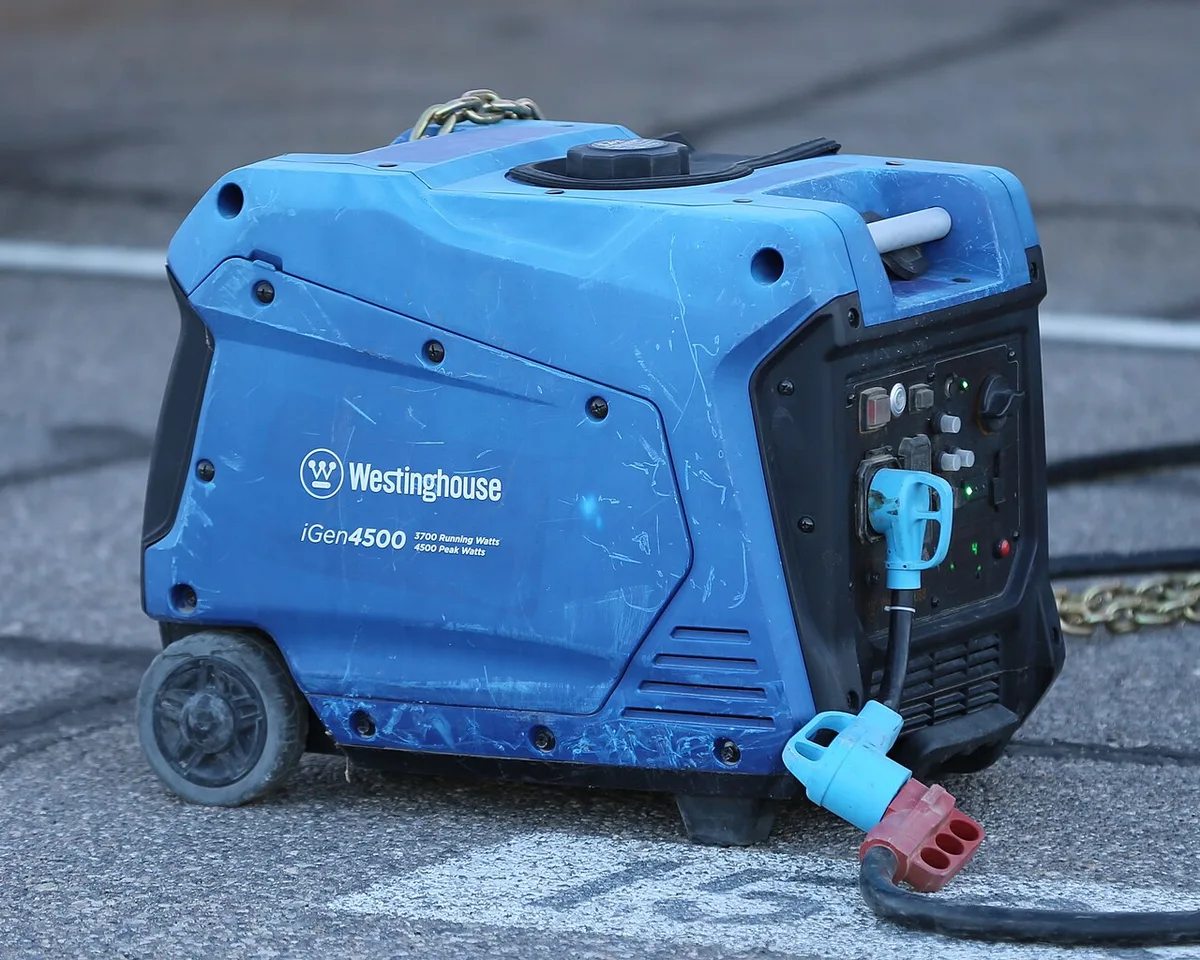
Image source: Wikimedia Commons / TaurusEmerald (CC BY-SA)
Calculating Starting Surge vs. Running Watts
Sump pump motors draw two to three times their running wattage at startup. A half-horsepower pump might need 4,000 starting watts despite only using 1,050 continuously. Inverters and generators must handle this surge without tripping.
Check your pump nameplate for locked rotor amps or LRA ratings. Multiply LRA by voltage to get true starting wattage. Never size equipment based solely on running watts alone.
| Pump Size | Running Watts | Starting Watts | Min Inverter Size |
|---|---|---|---|
| 1/3 HP | 800W | 1,300-2,900W | 2,000W Cont / 4,000W Surge |
| 1/2 HP | 1,050W | 2,100-4,000W | 3,000W Cont / 6,000W Surge |
| 3/4 HP | 1,500W | 3,000-5,000W | 4,000W Cont / 8,000W Surge |
Battery Chemistry Tradeoffs: AGM vs. LiFePO4
Absorbed glass mat batteries cost less upfront but last only 300 to 500 cycles. They also lose capacity faster in cold weather. This makes them suitable for occasional emergency use only.
Lithium iron phosphate batteries deliver 2,000 to 5,000 cycles with stable output. They weigh less and charge faster than AGM alternatives. Higher initial cost pays off for frequent outage areas or daily cycling applications.
Generator Sizing and Transfer Switch Basics
Generators must exceed your pump's starting surge plus other essential loads. Add refrigerator, furnace fan, and lighting to your total calculation. Oversizing by twenty percent prevents voltage sag during motor startup.
Manual transfer switches prevent dangerous backfeeding into utility lines. The National Fire Protection Association mandates proper isolation for all residential generator installations. Never use suicide cords that plug into wall outlets.
Critical Safety Protocols and Installation Mistakes to Avoid
Electrical mistakes here cause fires, electrocution, or carbon monoxide poisoning. These risks outweigh any convenience shortcuts. Treat every connection as life-critical infrastructure.
Why Standard Computer UPS Units Fail Sump Pumps
Computer uninterruptible power supplies lack the surge capacity for motor startups. They typically max out at 600 to 1,500 VA with modified sine wave output. Sump pumps will trip internal breakers instantly or suffer motor damage.
Only use UPS units specifically rated for motor loads with pure sine wave output. Verify both continuous and surge ratings exceed your pump requirements. Generic office equipment protection does not translate to basement flood prevention.
Preventing Backfeed Hazards and Carbon Monoxide Risks
Backfeeding occurs when generator power flows backward through house wiring. This energizes utility lines and kills lineworkers repairing downed cables. Proper transfer switches physically isolate home circuits from the grid.
Carbon monoxide kills silently even with open garage doors. Place generators minimum twenty feet from structures per CPSC guidelines. Install battery-operated CO detectors on every floor as redundant protection.
Testing Under Load Before the Next Storm
Equipment that sits untested fails catastrophically during actual emergencies. Run monthly functional tests simulating real outage conditions. Document runtime, voltage stability, and automatic switchover performance.
Battery sulfation destroys unused lead-acid cells within months. Use smart trickle chargers designed for engine servicing maintenance modes. Replace batteries showing voltage drop below manufacturer thresholds immediately.
Frequently Asked Questions About Sump Pump Backup Power
Can I use a car battery for sump pump backup?
Car batteries fail quickly because they are designed for cranking, not sustained discharge. Deep cycle marine or RV batteries handle repeated drain-recharge cycles properly. Using automotive batteries risks premature failure during extended outages when you need reliability most.
How long will a battery backup run my sump pump?
Runtime depends on battery amp-hours and pump cycling frequency. A 100Ah AGM battery typically provides six to eight hours of intermittent pumping. Lithium batteries extend this to twelve or more hours due to higher usable capacity and better efficiency.
Do I need a permit for generator transfer switch installation?
Most jurisdictions require permits and inspections for permanent transfer switch installations. Licensed electricians must pull permits and certify code compliance. Skipping this step voids insurance coverage and creates liability during property transactions or claims.
What size generator do I need for a half horsepower sump pump?
Half-horsepower pumps need minimum 3,000 continuous watts and 6,000 surge watts. Account for additional essential loads like refrigerators or furnaces. Our research shows most homeowners need 5,000 to 7,500 watt units for complete basement protection during storms.