
Sump pump basin replacement isn't just about swapping out a pump. The basin itself can crack, shift, or become clogged with sediment over time, which puts your whole basement at risk. If you're searching "how to replace a sump pump basin," you're likely dealing with a failing pit that no new pump can fix alone.
This job is more involved than a typical DIY weekend project. According to the International Residential Code (IRC) Section R405, proper sump basin installation requires specific materials and sealing methods to maintain structural integrity. That's why replacing the basin properly matters for long-term waterproofing.
What a Sump Pump Basin Actually Does and Why It Matters
A sump pump basin, also called a sump pit or catch basin, is the collection container that sits below your basement floor. Its job is simple: gather incoming groundwater so your pump can move it out safely. Most basins range from 18 to 30 inches in diameter and 24 to 36 inches deep, depending on your home’s water load.
The basin connects to your home’s perimeter drain tile, usually a 4-inch perforated pipe that runs around your foundation footings. When water enters through the drains, it collects in the basin, triggering the pump’s float switch to activate and discharge the water away from your house. Without a sound basin, even the best pump will struggle with debris, sediment buildup, or structural instability.
When You Should Replace Your Sump Basin (Not Just the Pump)
Replacing your sump pump basin is rarely a casual upgrade. Here are the clear signs it's time for a full replacement rather than a simple pump swap. You’ll know you need a new basin if it’s badly cracked, shifted out of level, or filled with so much sediment that your pump can’t function efficiently anymore.
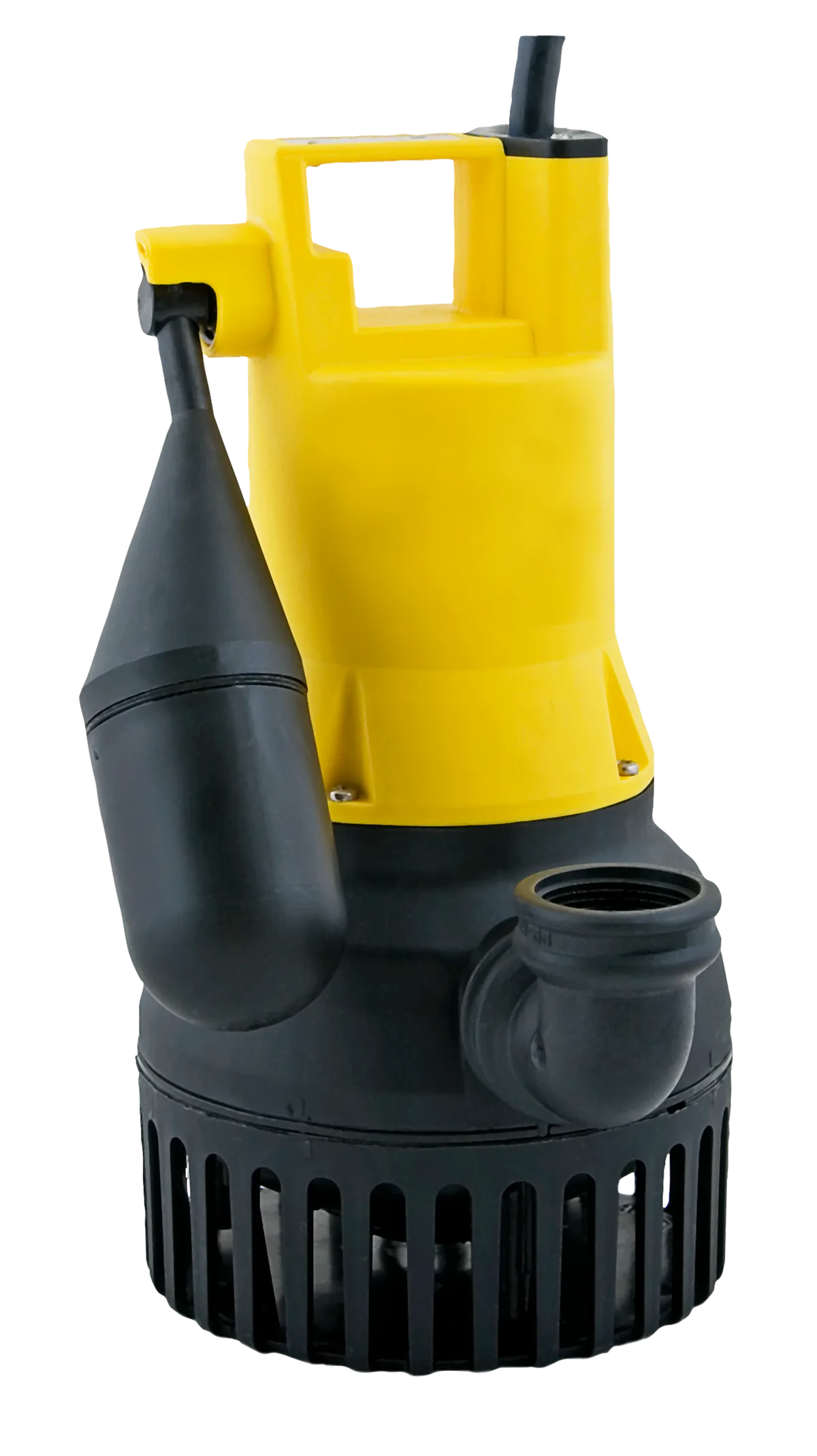
If the existing basin is too small for your home’s water inflow, upgrading to a larger model might solve chronic backup issues. Similarly, older systems often lack proper vapor barriers or sealed lids, which can affect indoor air quality. Replacing the basin now prevents recurring pump failures and costly basement damage down the road.
How to Replace a Sump Pump Basin: Step-by-Step
Start by shutting off power to the pump at the breaker and disconnecting the discharge pipe. Use a utility knife to cut away any sealant around the old basin edges, then carefully pry it out using a flat bar. Some concrete may need to be chiseled to free a stubborn basin, go slow here to avoid damaging nearby pipes.
Next, install your new basin with a level base, ensuring it sits flush with the surrounding floor. Reconnect the discharge piping with a secure check valve installed vertically, about 6 inches above the basin inlet. Backfill around the basin with compacted gravel for drainage, then pour concrete or use expanding foam to seal gaps.
Restore power and test that the pump cycles properly once water enters the basin.
Common Mistakes That Void Warranties and Flood Basins
One of the biggest errors people make is skipping the check valve installation or installing it incorrectly. Without a proper check valve, water drains back into the basin after each cycle, causing your pump to work overtime and fail prematurely. Another common mistake is neglecting to seal the basin lid, especially in older homes where radon gas infiltration is a concern.
Always use a gasketed or sealed cover designed for your specific model.
Improper pipe slopes are also problematic. Your discharge line should carry water away from your foundation at a minimum 1/4-inch drop per foot. Also, never position the basin too close to load-bearing walls or floor joists, as vibrations can cause structural issues over time.
Per NSF/ANSI Standard 34, all sump components must meet specific durability and performance criteria, using subpar fittings can compromise the entire system.
nsf standards offer additional guidance on proper testing and installation.
Sump Basin Replacement FAQ
Do I need a permit to replace a sump basin?
Many jurisdictions require permits for plumbing alterations like sump basin replacements. Check with your local building department before starting, you may need inspections for both electrical and plumbing work, especially if you're modifying drain lines or upgrading electrical connections.
How much does it cost to replace a sump pump basin?
Replacement costs typically range from $500 to $1,500 depending on complexity, materials, and labor rates. DIY projects usually stay under $200 for parts, but hiring professionals for excavation and concrete repairs adds significant expense.
What size basin do I need for my basement?
Standard residential basins measure 18 to 30 inches in diameter and hold roughly 2 to 5 gallons of capacity. Larger homes or those in high-water-table areas benefit from bigger basins, up to 36 inches, to reduce pump cycling frequency and handle heavier inflow volumes.
Can I replace the basin without breaking up my basement floor?
Generally no. Proper basin installation requires cutting into the existing concrete slab to ensure a flush fit and maintain structural integrity. Partial replacements risk improper sealing and future leak points.
Some newer systems use adjustable risers, but these aren't suitable for full basin replacements.