
Knowing how to reset a sump pump correctly starts with identifying why it stopped working in the first place. Most units do not have a dedicated reset button and instead rely on internal thermal overload protectors or external GFCI outlets to manage power faults safely.
Manufacturer specifications indicate that thermal overloads typically require a 5 to 15 minute cooldown period before automatic re-engagement is possible. Understanding this safety mechanism prevents unnecessary part replacement and keeps your basement dry during emergencies. Before attempting any fix, you must address electrical hazards properly.
Safety First: Power Down Before You Touch Anything
Never touch a sump pump while standing in water or without disconnecting power completely. Water and electricity create an immediate electrocution risk that can be fatal even at standard residential voltages. The U.S.
Consumer Product Safety Commission mandates strict ground fault protection for all basement receptacles to prevent these accidents.
Always unplug the pump directly from the outlet before inspecting the basin or float switch. If the unit is hardwired, turn off the dedicated circuit breaker at the main panel and verify zero voltage with a multimeter. Rubber gloves and eye protection provide essential barriers against accidental shock or debris injury during inspection.
Treat every component as live until you have physically confirmed isolation. This verification step takes seconds but eliminates the most dangerous variable in basement plumbing work. Skipping it is never worth the risk.
how to reset a sump pump
How to reset a sump pump depends on your specific model type. Unplug the unit and wait fifteen minutes for thermal cooldown. Check the GFCI outlet and press the reset button if tripped.
Inspect the float switch for debris blocking movement. Plug the pump back in and test operation by pouring water into the pit.
The Reset Decision Tree: Diagnosing Why Your Pump Stopped
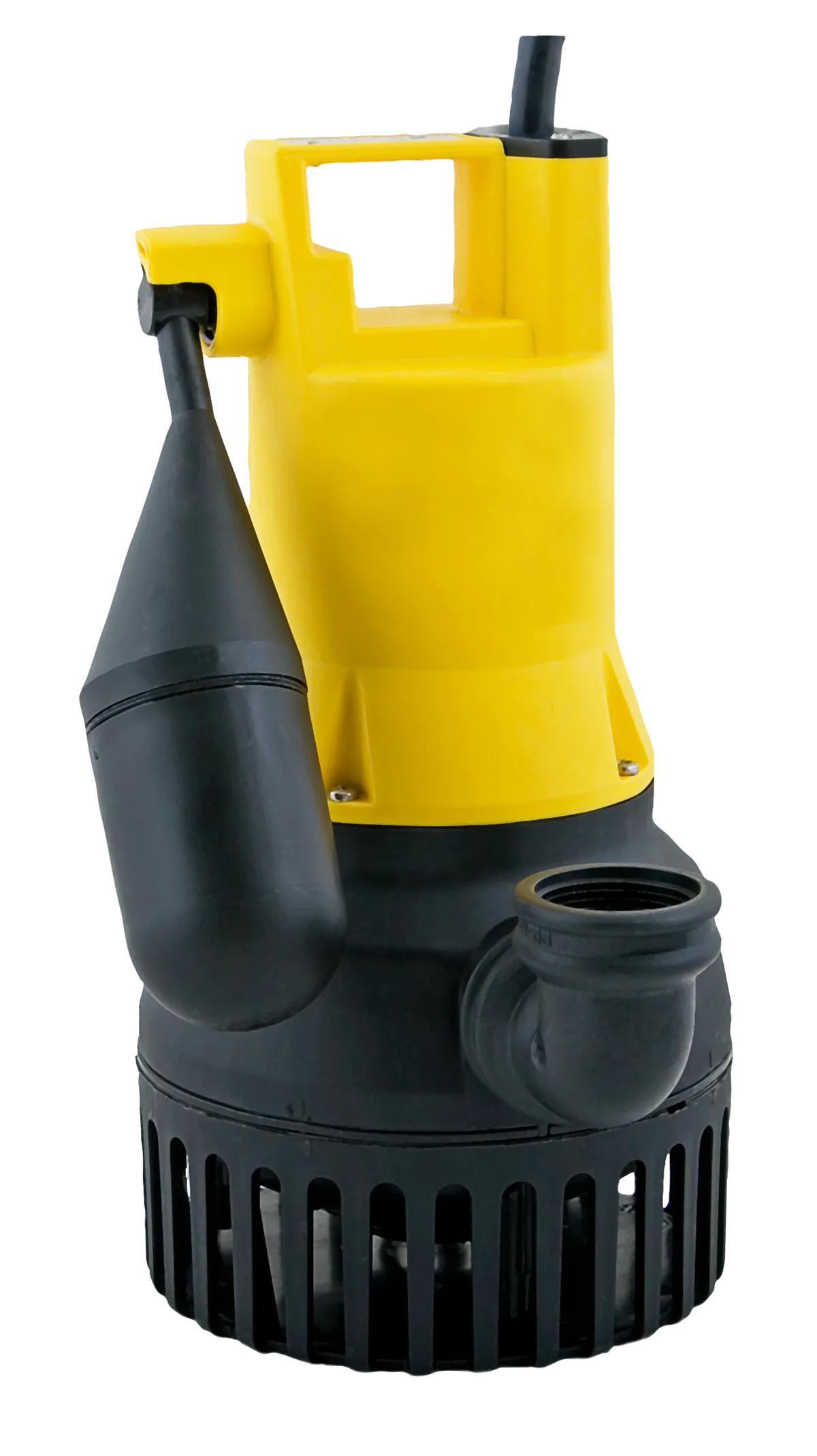
Image source: Wikimedia Commons / PumpExpert (CC BY-SA)
The correct reset method changes based on what symptom your pump displays right now. Use this diagnostic logic to avoid wasting time on irrelevant fixes or missing the actual failure point. Each condition points to a different underlying cause requiring a specific response.
If the motor hums but does not spin, the impeller is likely jammed or the capacitor has failed. Unplug immediately to prevent motor burnout and clear debris from the intake screen. A stuck impeller will trip the thermal overload repeatedly until the obstruction is removed.
When the pump is completely silent and unresponsive, check the GFCI outlet and circuit breaker first. Electrical interruptions are far more common than internal motor failures in modern systems. Only proceed to mechanical diagnosis after confirming stable power delivery to the unit.
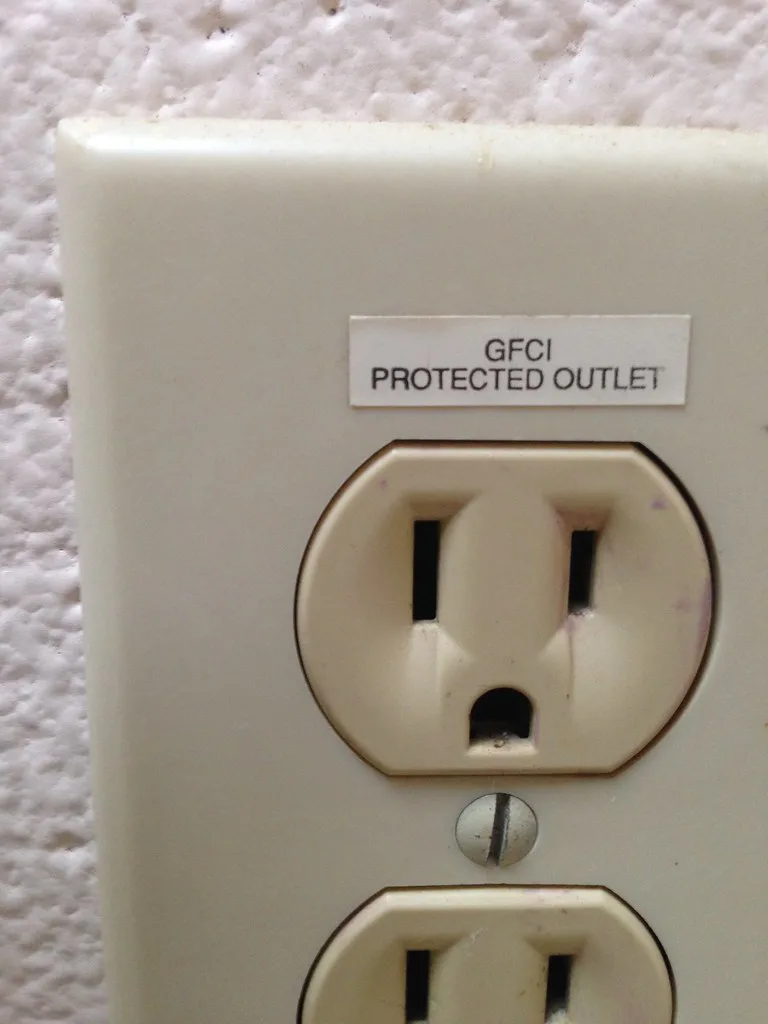
Image source: Openverse / dankeck
Repeated tripping after a successful reset signals an active fault rather than a temporary overload. This pattern often indicates a failing motor winding, damaged cord insulation, or persistent discharge line blockage. Continuing to reset under these conditions risks fire or permanent equipment damage.
Consult our guide on appliance error codes for similar diagnostic principles that apply across household electromechanical systems. Systematic elimination of variables always beats random part swapping when troubleshooting intermittent failures.
Step-by-Step Reset Workflow for Thermal Overloads and Electrical Trips
Follow this sequence precisely when addressing thermal or electrical shutdowns. Deviating from the order can mask the real problem or create new safety hazards during the repair process. Consistency here builds reliable diagnostic habits for future maintenance.
- Disconnect power at the outlet or breaker panel
- Wait a full fifteen minutes for thermal protector cooldown
- Visually inspect the pit for debris around the float switch
- Manually lift the float to confirm free movement
- Press the GFCI reset button until it clicks audibly
- Restore power and observe one complete pump cycle
- Verify discharge line flow outside the foundation
Thermal overloads are self-resetting safety devices built into the motor housing. They activate when internal temperatures exceed safe operating limits due to excessive cycling or blocked airflow. The mandatory cooldown period allows windings to return to normal temperature before power restoration.
GFCI outlets protect against ground faults caused by moisture intrusion or cord damage. These devices trip instantly when current leakage exceeds 5 milliamps per NEC standards. Testing them monthly ensures they function correctly when needed most during wet conditions.
Understanding diagnostic code patterns helps recognize similar protective behaviors in other home appliances. Many systems use comparable thermal and electrical safeguards that follow identical reset protocols.
When to Stop Troubleshooting and Call a Professional
Some failures exceed safe DIY repair scope and require licensed intervention. Recognizing these boundaries protects both your property and personal safety from escalating damage. Professional service becomes necessary when basic resets fail to restore reliable operation.
Call an electrician if the breaker trips immediately upon plugging in the pump. This indicates a dead short in the wiring or motor windings that poses serious fire risk. Do not attempt to bypass breakers or upgrade amperage to force operation.
Contact a plumber if the discharge line remains blocked after clearing accessible sections. Frozen pipes or collapsed underground lines need specialized equipment to diagnose and repair safely. Forcing water through obstructions can burst pipes inside walls or under slabs.
Replace the entire unit if it is over ten years old and showing repeated thermal trips. Aggregate reviews report that pumps beyond this lifespan rarely recover reliably even after component repairs. Investing in replacement avoids emergency failures during heavy rain events.
Review our troubleshooting reference for additional guidance on distinguishing user-serviceable faults from professional-only repairs. Knowing when to stop saves money and prevents voided warranties on newer equipment.
Frequently Asked Questions
How long should I wait before resetting my sump pump?
Wait at least fifteen minutes after a thermal overload trip before restoring power. This cooldown period allows internal motor windings to return to safe operating temperatures. Attempting an earlier reset can damage the thermal protector permanently or cause immediate re-tripping.
Always address the underlying cause before testing again.
Why does my sump pump keep tripping the GFCI outlet?
Persistent GFCI tripping usually indicates moisture entering the motor housing or damaged power cord insulation. Ground fault protection activates when current leakage exceeds five milliamps. Inspect all electrical connections for water exposure and replace compromised cords immediately.
Continued operation with active ground faults creates serious electrocution hazards.
Can I manually reset a sump pump without a reset button?
Most residential sump pumps lack physical reset buttons entirely. Instead they use automatic thermal overloads that reset after cooling down. Simply unplugging the unit for fifteen minutes accomplishes the same safety function.
Pressing nonexistent buttons wastes time when electrical disconnection is the correct procedure.
What causes a sump pump to hum but not pump water?
Humming without water movement typically means a jammed impeller or failed start capacitor. Debris lodged in the intake screen prevents rotation while energized windings draw locked rotor current. Unplug immediately and clear obstructions before thermal damage occurs.
Capacitor replacement requires electrical testing skills and proper safety equipment.