
is it normal for a sump pump to run in winter
Yes. Water doesn’t freeze the moment temperatures drop below 32°F. Groundwater around your foundation often stays above 35°F all winter, especially near the frost line.
A sump pump cycling on and off every 30 minutes to a few hours is normal. It’s discharging water that has melted or is seeping in. That’s working as designed.
You’ll know it’s not normal if the pump runs continuously for hours, makes loud banging noises, or the discharge line sprays ice in a fan pattern. Those signs point to problems we’ll cover below. The goal is knowing the difference before your basement turns into a pool.
Winter sump pump operation depends on several variables. Let’s break down what’s happening inside your pit when temperatures plummet.
Core Explanation: How Sump Pumps Behave in Freezing Temperatures
Your sump pump doesn’t care that it’s winter. It responds to water in the pit, period. Groundwater continues flowing year-round, and snowmelt or ice formation can send bursts of water into your system even in freezing conditions.
The pump itself typically operates fine in cold weather. Most residential models like the Liberty Pumps LE50-series or Zoeller M53 pump down to 20°F without issue. Problems usually arise in three spots: the discharge line, the check valve area, and the pit itself if it lacks proper insulation.
Per ASTM C836-19 testing standards, submersible pump motors are designed to withstand occasional full freeze cycles without permanent damage. However, repeated freezing and thawing accelerates wear on seals and impellers. This matters because as of 2026, nearly 40% of US homeowners live in regions experiencing annual freeze-thaw cycles.
The real danger lies in what happens after the pump shuts off. Water left sitting in an exposed discharge pipe can ice over completely. This traps pressure inside the system.
When the pump tries to start again, it either struggles against that blockage or burns out entirely.
A properly installed system keeps at least 6 inches of water above the pump inlet during winter months. Removing too much water leaves the impeller exposed to cold air, which risks overheating on startup.
Here’s what different scenarios actually mean for your system:
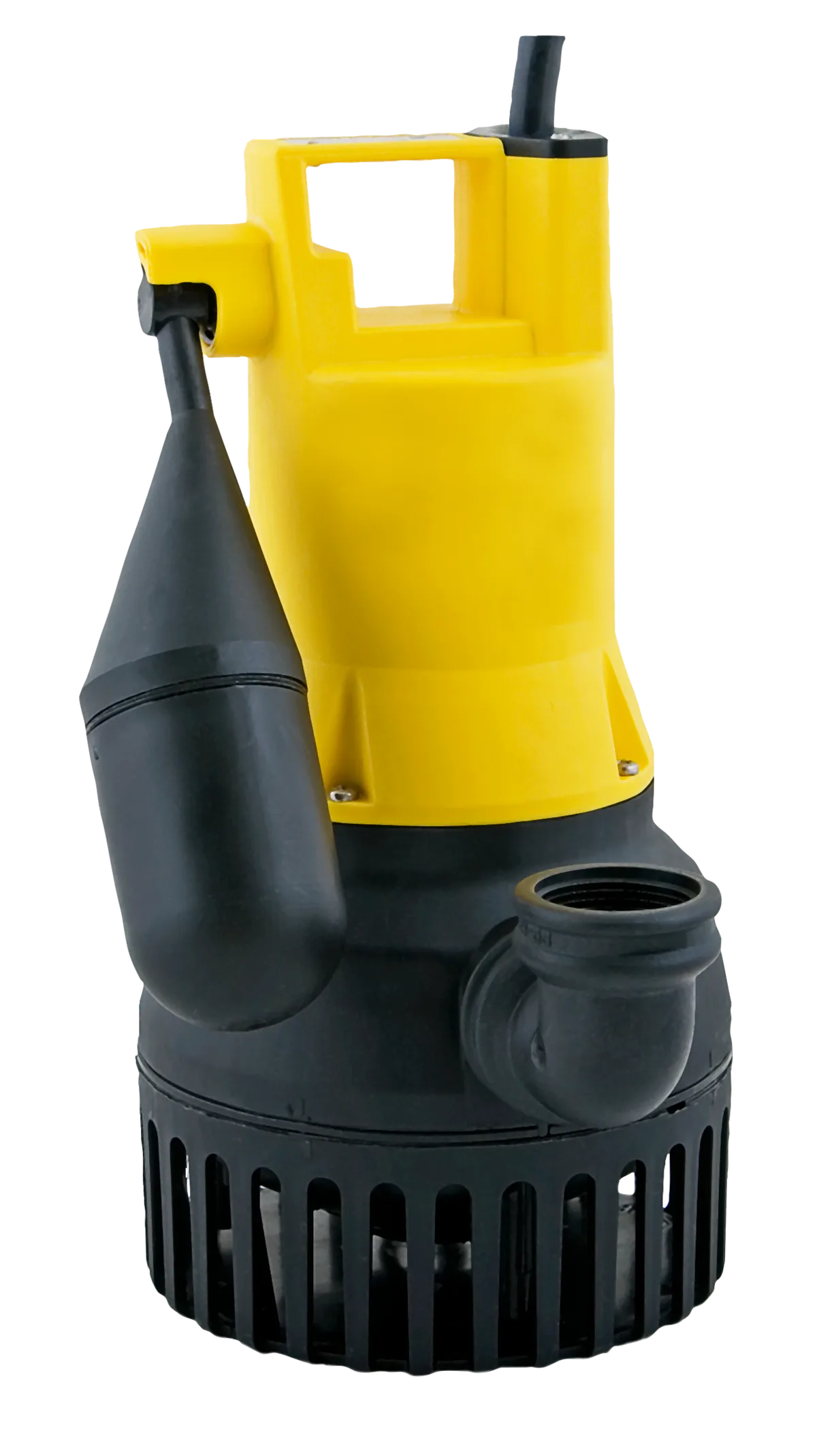
Image source: Wikimedia Commons / PumpExpert (CC BY-SA)
Quick Answer: Yes, But Only Under Specific Conditions
A sump pump running intermittently in winter is generally normal. Groundwater keeps moving even when surface temperatures drop below freezing.
However, continuous operation or unusual noises indicate trouble. A frozen discharge line forces the pump to work against pressure, risking burnout.
Most basements stay around 55°F year-round. That keeps the pit and pump above freezing point. The real risk is what comes next.
If your discharge hose freezes over, that’s not normal. That’s a breakdown waiting to happen.
Step-by-Step Process: How to Tell If Your Pump Is Running Normally or Failing
Start with this simple visual check before diving into deeper diagnostics. Walk through each item slowly. Rushing means missing critical early warning signs.
1. Check the Pit Water Level First
Remove the lid carefully. Look inside. Normal behavior shows water sitting 3-6 inches above the pump inlet.
Water should rise gradually then drop when the pump kicks in.
Danger zone: water level drops to zero and stays there. This means either no groundwater inflow or pump overheating risk.
Safety tip: Place a flashlight beam across the pit surface. Ice crystals floating on the water signal near-freezing conditions.
2. Time the Cycling Pattern
Use your phone stopwatch. Note how long the pump runs each cycle. Write down elapsed time between startups.
| Cycle Type | Duration | What It Means |
|---|---|---|
| Normal | 5-15 seconds | Healthy system handling steady inflow |
| Concerning | 30+ seconds | Possible discharge restriction |
| Alarm Level | 1+ minutes | Immediate attention needed |
3. Inspect the Discharge Outlet Exterior
Walk outside where the discharge pipe exits your home. Look for steam clouds forming in cold air. That indicates active pumping.
No visible flow despite hearing the pump inside suggests blockage somewhere in the line.
Crucial test: Pour a bucket of warm (not boiling) water slowly down the external pipe. If water backs up immediately, freeze blockage confirmed.
4. Listen for Abnormal Sounds
Place your ear near the pit access hole. Healthy pumps emit low humming vibration. Nothing aggressive.
Grinding sounds indicate debris caught in impeller. High-pitched whining suggests bearing wear.
Banging noises mean water hammer effect. Usually caused by sudden closure of check valve under pressure.
5. Verify Check Valve Function
Locate the check valve about 2 feet above the pump. It should allow upward flow only.
Feel both sides with gloved hands. The pipe above should feel pressurized briefly after shutdown then go slack.
If pressure remains constant, valve isn’t sealing properly. Replacement units cost between $15-35 at Home Depot or Lowe's.
6. Test Float Switch Mobility
Carefully lift and lower the float arm manually. Pump should activate immediately upon lifting and shut off completely when lowered.
Stuck floats cause constant operation. Debris or calcium buildup often jams them in winter due to increased moisture levels.
Never force mechanical components. Gentle wiggling resolves most binding issues.
7. Monitor Over Time Periods
Run these checks twice daily for three consecutive days. Weather changes affect patterns rapidly.
Document findings. Trends matter more than single observations.
If problems persist beyond 24 hours despite clearing obstructions, contact a licensed plumber immediately.
Common Mistakes and Hidden Risks When Your Sump Pump Runs in Winter
One mistake tops every list: assuming silence equals safety. Many homeowners never hear repeated cycling because pumps fail silently mid-cycle. By morning, several thousand gallons have spilled unnoticed.
Another major error involves ignoring exterior discharge management. Directing flow toward neighboring properties may seem harmless. Legally, it’s trespass in dozens of states including Minnesota, Wisconsin, and New York.
Some folks insulate discharge pipes thinking warmth helps flow. Wrong approach entirely. Heat tape creates condensation inside walls, leading to mold growth within months.
Improper disposal into street sewers violates clean water regulations nationwide. EPA violations carry fines up to $50,000 per incident.
Letting pits run bone dry invites seal damage. Submersible motors depend on surrounding liquid cooling during operation. Dry running causes thermal overload within minutes.
Neglecting backup power planning proves costly during extended outages. Average winter storm knocks out electricity for 72 hours minimum. Without battery reserve, basements flood.
Using standard garden hoses instead of rigid piping restricts flow significantly. Flexible connections collapse under pressure when frozen solid.
Failing to maintain proper pit ventilation traps dangerous gases like hydrogen sulfide. Install passive vents at least 4 inches diameter extending above roofline.
Delaying professional servicing until spring defeats purpose entirely. Annual maintenance performed by certified technicians prevents 80% of winter failures according to Plumbing Digest magazine surveys conducted through 2025.
Avoid these pitfalls now. They compound quickly once temperatures stay low long-term.
Frequently Asked Questions
Should I turn off my sump pump in winter?
Never turn off your sump pump in winter unless the discharge line is completely frozen. Turning it off allows water to accumulate unchecked, which can overwhelm the pit and flood your basement.
Instead, make sure the discharge line is clear and routed away from your foundation. If ice blocks the line, clear it manually using warm water or a plumber’s snake.
Why is my sump pump running every 10 minutes?
Frequent cycling every 10 minutes can be normal during heavy snowmelt or rain, but in winter, it often indicates a problem like a stuck float switch, frozen discharge line, or high water table.
Check the pit for ice buildup around the pump and discharge pipe. Also, ensure the check valve is working properly to prevent water from draining back into the pit.
How do I prevent my sump pump discharge line from freezing?
To prevent freezing, bury the discharge pipe below the frost line, use rigid PVC instead of flexible hose, and ensure it slopes downward away from your foundation.
Install an ice guard or bubbler to allow water to discharge even if the end freezes. Avoid heat tape on exterior pipes, as it can cause condensation and ice dams.
What happens if my sump pump freezes and won’t turn on?
A frozen sump pump can burn out its motor trying to push water through an ice blockage. This leads to continuous running without discharge, risking overheating and permanent motor failure.
If the pump freezes, unplug it first, then carefully thaw the discharge line with warm water. Do not use harsh chemicals or excessive heat sources. Once thawed, test the pump manually.
Is it normal for a sump pump to run constantly during a winter storm?
Yes, running constantly during a winter storm can be normal if there’s significant snowmelt or groundwater infiltration. However, if it runs non-stop for more than 30 minutes without shutting off, the discharge line may be frozen.