
No—it is never normal to smell gas from a dryer. Any whiff of natural gas (or the artificial “rotten egg” odorant added to it) means immediate action is required.
A gas dryer should operate silently and without scent. If you detect gas, treat it as an emergency:
⚠️ First: Evacuate everyone immediately.
Then: Call your gas company (e.g., 811 in the U.S.) or 911 from a safe location outside.
Never flip switches, use phones, or operate anything electrical near the suspected leak. Even static electricity can ignite gas. For more on this, see our guide on top 7 hair dryer under 50.
What Causes the Smell?
Natural gas itself is odorless and colorless. Suppliers add mercaptan—a sulfur-based compound—to create the distinctive smell so leaks are detectable.
If your dryer emits gas odor, here are common causes:
| Cause | Description |
|---|---|
| Leaking gas valve | Internal failure allows gas to escape continuously. |
| Faulty igniter or flame sensor | Prevents ignition; unburned gas escapes. |
| Cracked gas line/connector | Wear, vibration, or age causes small breaches. |
| Improper venting or exhaust blockage | Backdraft forces fumes indoors. |
Some odors may resemble gas but aren't dangerous—like mildew or fabric softener residue burning on internal components. Always confirm with a pro if unsure. For further reading, see cdc.gov.
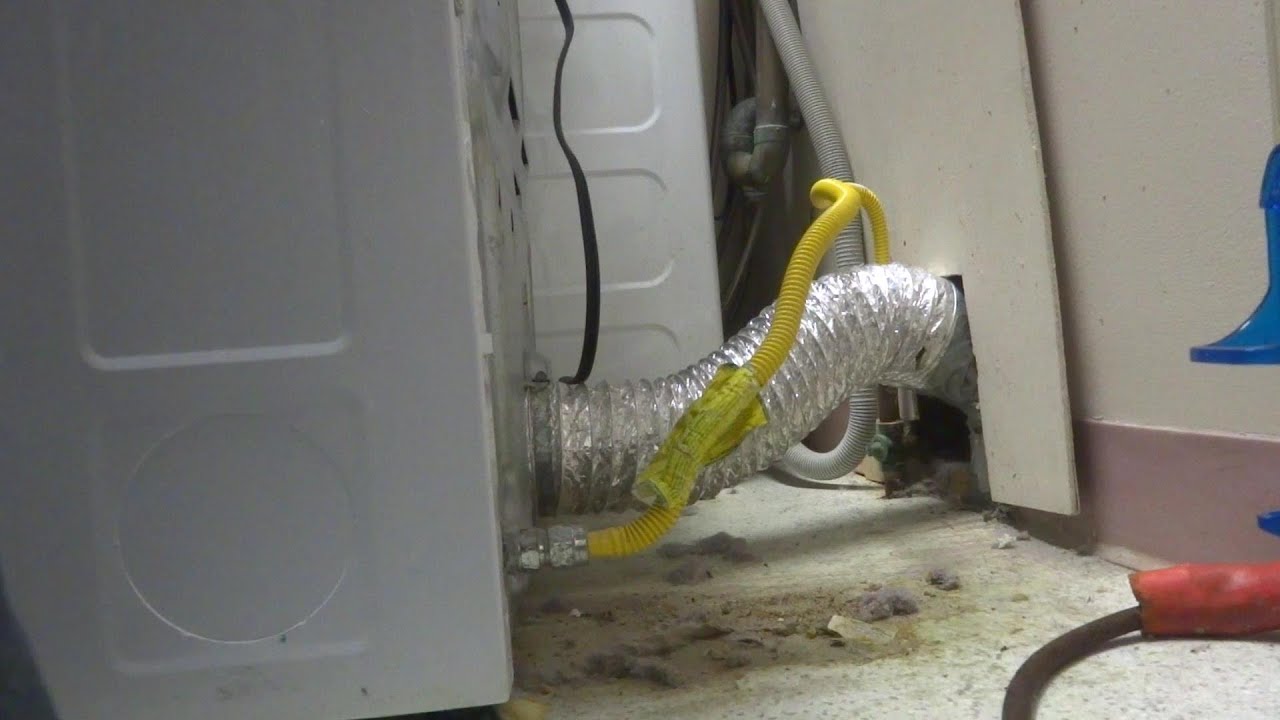 Inspect your gas lines regularly for signs of wear or damage.
Credit: m.youtube.com
Safety Risks of Ignoring the Odor
Ignoring a gas smell is extremely risky.
Fire & Explosion Hazard
Gas concentrations between 5%–15% in air are explosive. Sparks from the dryer motor or nearby outlets can trigger detonations.
Carbon Monoxide Poisoning
Incomplete combustion produces carbon monoxide (CO)—invisible, tasteless, and deadly. Symptoms include dizziness, nausea, confusion, and death at high levels.
Install UL-listed CO detectors near bedrooms and laundry areas. Test monthly.
Immediate Actions If You Smell Gas
Follow these steps every time you detect gas odor:
- Evacuate immediately
- Leave the house fast—no running.
- Do NOT touch switches, lights, or phones
- Static electricity can spark ignition.
- Shut off gas at the source (only if safe)
- Locate the manual shutoff valve near the dryer.
- Call your gas provider or emergency services
- From a neighbor’s phone or outside.
- Wait for clearance before re-entering
- Let trained pros inspect first.
Avoid attempting repairs yourself unless certified.
How to Check for Leaks Safely
You can perform basic checks—but stop if unsure.
Soap Test Method
Mix dish soap with water and apply to connections:
- Turn on dryer briefly (without heat).
- Bubbles forming = leak detected.
⚠️ Only do this after ensuring no open flames exist, and never while powered appliances run.
Still call a technician to verify.
Signs Beyond Odor
Watch for:
- Hissing sound near the unit.
- Yellow or orange flames instead of blue.
- Dryer takes longer than usual to dry clothes.
These indicate incomplete combustion or leaks.
 Regular visual inspections catch leaks early.
Credit: m.youtube.com
Routine Maintenance Tips
Prevention beats reaction every time.
- Schedule annual professional servicing.
- Clean lint filter after each load.
- Inspect gas hoses every six months.
- Replace flexible gas lines every 8–10 years.
- Ensure proper airflow through vents.
Also refer to our guides on managing error codes like the LG D90 airflow sense issue or resetting specific fault signals such as clearing D80 codes.
Diagnosing Common Dryer Error Codes
Modern dryers display error messages when sensors detect anomalies. Some relate directly to gas flow or overheating.
For example:
- Code D80/D90 often points to restricted airflow—which increases heat retention risks.
- CL codes mean door latch problems affecting thermostat response.
Check out our full guide on interpreting LG washer/dryer combo diagnostics for more.
When Should You Call a Pro?
Always contact a licensed HVAC technician or gas specialist if:
- You smell gas even once.
- Visual inspections reveal corrosion or cracks.
- Your home lacks functioning CO alarms.
- The dryer performs inconsistently despite cleaning.
They’ll test pressure, check valves, and ensure compliance with local codes.
Need help identifying what that weird code means? Browse our full index under LG dryer troubleshooting tips.
Final Thoughts
Smelling gas from a dryer is never normal and always demands urgent attention. Don’t gamble with safety—evacuate, call experts, and resolve the root cause professionally.
With regular upkeep and awareness, gas dryers offer reliable performance—but only when operated correctly and safely.
Stay vigilant. Keep families safe.