
Is sump pump installation a diy project you can handle safely? The answer depends entirely on your existing electrical setup and local building codes. Many homeowners successfully replace units but hit hard stops during new installations requiring permits.
You need to assess four specific conditions before picking up any tools.
The National Electrical Code requires GFCI protection and a dedicated circuit for all basement pumps as of 2026. Skipping this step risks failed inspections or dangerous electrical faults in wet environments. Let’s walk through the exact decision points that determine if you should proceed or call a pro.
Is Sump Pump Installation a DIY Project
Sump pump installation is a diy project only for simple replacements with existing compliant wiring. New pits or electrical work usually require licensed professionals to meet code. Most jurisdictions mandate permits for any new basement plumbing or electrical modifications.
Assess your current setup honestly before starting any work.
The 4-Question DIY Sump Pump Decision Checklist
You can likely handle the job yourself if you answer yes to every question below. A single no means you should consult a licensed plumber or electrician first. This quick filter saves time and prevents costly rework later.
- Does a code-compliant dedicated outlet already exist? The receptacle must be GFCI protected and on its own 15A or 20A circuit. Sharing circuits with lights or other appliances violates NEC Article 680 and creates fire hazards.
- Is this a direct replacement of an existing unit? Swapping a failed pump in an established pit is straightforward. Digging a new basin or trenching discharge lines introduces structural and waterproofing complexities best left to experts.
- Can you legally pull required permits? Many municipalities require permits for any sump pump work involving electrical or drainage changes. Unpermitted work can void insurance coverage and complicate future home sales.
- Do you have proper discharge routing planned? Water must exit at least 10 feet from the foundation with positive slope. Dumping water near footings or into sanitary sewers causes flooding and code violations.
If your situation involves troubleshooting appliance error codes rather than basement water, our guide on appliance diagnostic signals covers similar safety-first assessment logic. Always verify system readiness before attempting repairs.
Critical Code and Safety Barriers That Stop Most DIYers
Electrical safety is where most DIY sump projects fail inspection or create danger. Water and electricity are a lethal combination in basement environments. Understanding these non-negotiable requirements protects both your home and your family.
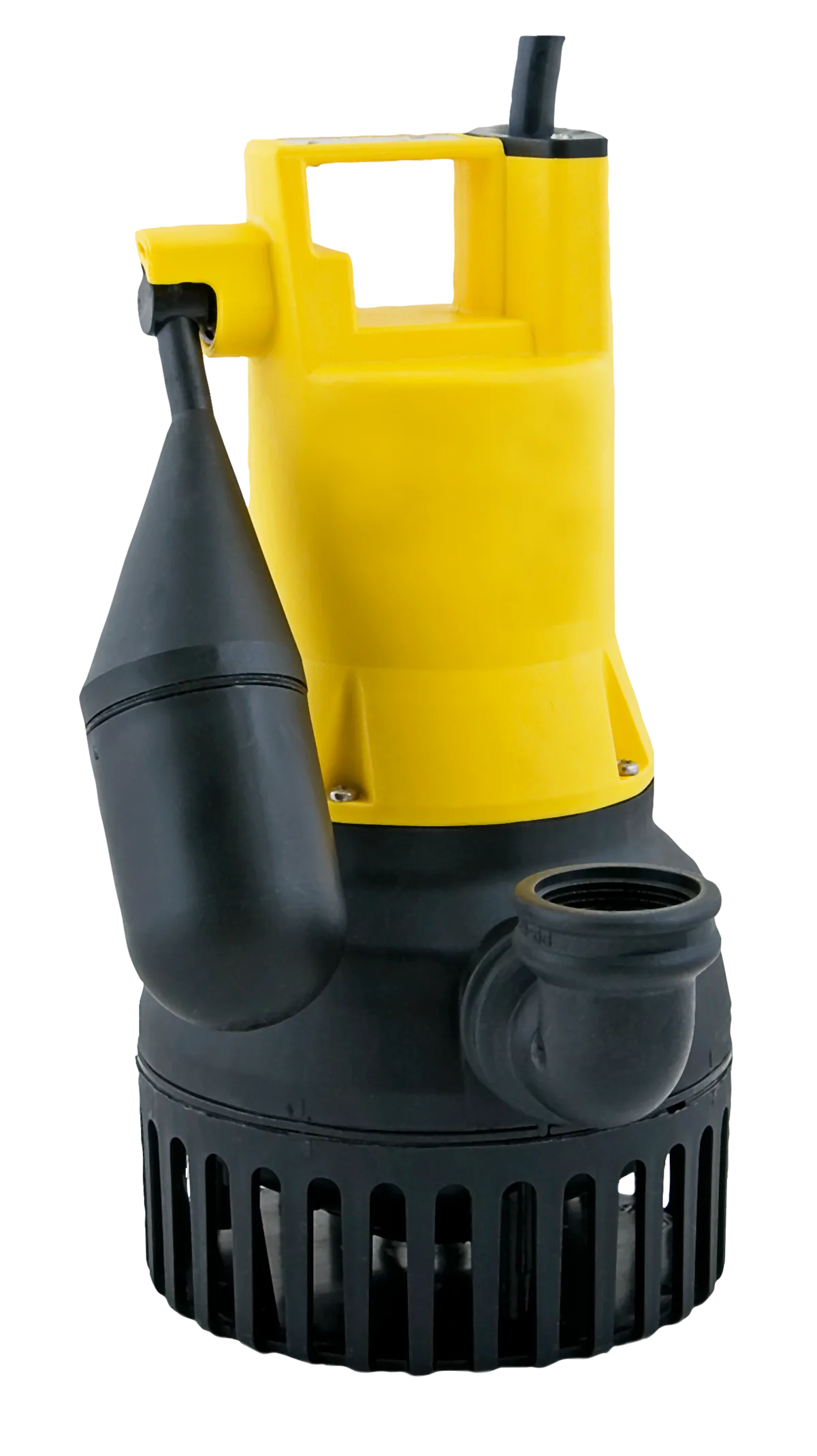
Image source: Wikimedia Commons / PumpExpert (CC BY-SA)
GFCI and Dedicated Circuit Requirements
Every sump pump needs Ground Fault Circuit Interrupter protection per NFPA 70 standards. Standard outlets without GFCI pose serious electrocution risks in damp basements. The circuit must serve only the pump to prevent nuisance tripping during heavy rain events.
Discharge Line and Backflow Prevention
Proper check valve installation prevents discharged water from flowing back into the pit. Without it, the pump cycles excessively and burns out prematurely. Discharge pipes must also include a weep hole between the pump and check valve to prevent airlock.
Permit and Inspection Realities
Local building departments typically require inspections for new sump installations. Inspectors verify electrical compliance, proper discharge termination, and backwater prevention. Failing an inspection after completing work means tearing out and redoing everything correctly.
For context on how mechanical systems signal failures, understanding common fault indicators applies similar diagnostic principles across home systems.
Real Costs: Professional Installation vs. DIY Savings
Understanding true costs helps you decide whether DIY savings justify the risk and effort. Prices vary significantly based on scope and regional labor rates as of 2026. Here is what aggregate contractor data and supply pricing show.
| Cost Factor | DIY Replacement | Professional Install |
|---|---|---|
| Pump Unit (1/2 HP) | $150–$300 | $150–$300 |
| Labor | $0 | $400–$900 |
| Electrical Upgrade | $200–$600 (materials) | $500–$1,200 |
| Permit Fees | $50–$150 | Included |
| Total Range | $200–$1,050 | $1,200–$2,500 |
DIY replacement saves $400 to $900 when electrical infrastructure exists. New installations with electrical upgrades narrow the gap considerably. Factor in tool purchases if you lack PVC cement, pipe cutters, or voltage testers.
Hidden costs often surprise first-time installers. Incorrectly sized check valves or missing weep holes lead to premature failure. Professional warranties typically cover both parts and labor for one year.
If you’re managing household maintenance budgets, routine upkeep like keeping appliances running smoothly prevents larger emergency expenses down the road.
Common Installation Mistakes and Frequently Asked Questions
Even experienced DIYers make avoidable errors during sump pump installation. These mistakes cause premature failure or code violations. Reviewing them beforehand prevents expensive callbacks and water damage.
Missing or Misplaced Weep Holes
Air trapped between the pump and check valve causes airlock. The motor runs but moves no water, leading to burnout. Drill a 3/16-inch weep hole in the discharge pipe just above the pump outlet.
Angle it downward toward the pit to prevent spraying.
Wrong Check Valve Type or Orientation
Swing check valves installed horizontally fail to seal properly. Spring-loaded silent valves work in any orientation and reduce water hammer noise. Always follow manufacturer arrows showing correct flow direction.
Using undersized valves restricts flow and strains the motor.
Improper Float Switch Adjustment
Float switches set too high allow the pit to overflow before activation. Setting them too low causes short cycling that destroys motors. Test switch travel manually before final assembly.
Ensure nothing obstructs float movement inside the basin.
FAQs About DIY Sump Pump Installation
How long does a typical DIY replacement take?
Most direct replacements take two to four hours for prepared homeowners. This includes removing the old unit, cleaning the pit, and testing the new pump. Add extra time if you encounter corroded fittings or need to adjust piping.
Rushing leads to leaks or electrical mistakes.
Can I install a sump pump without a permit?
Some jurisdictions allow like-for-like replacements without permits. New pits, electrical circuits, or discharge modifications almost always require approval. Check with your local building department before starting work.
Unpermitted installations risk fines and insurance claim denials.
What size pump do most homes need?
Most residential basements require 1/3 HP or 1/2 HP pumps. Higher horsepower isn’t better and causes short cycling in standard pits. Match pump capacity to your basin size and expected water volume.
Manufacturer sizing charts provide specific guidance based on head height.
Should I add a battery backup system?
Battery backups protect against power outages during storms when flooding risk peaks. They add $300 to $600 to material costs but prevent catastrophic damage. Consider one if your area experiences frequent outages or you have a finished basement.
Test batteries quarterly to ensure reliability.
When should I definitely hire a professional?
Hire a pro for new pit excavation, electrical panel upgrades, or complex discharge routing. Also call one if you’re uncomfortable working with electricity or PVC cement. Licensed installers carry insurance that covers accidental damage.
Their expertise ensures code compliance and long-term reliability.