

Credit: goldengatechimney.com
A new dryer that smells like burning plastic is a serious warning sign that demands attention — even if the appliance is brand new. While a faint plastic odor during the very first cycle is normal and typically caused by leftover manufacturing residues, a strong or persistent burning smell indicates something is overheating or melting inside the machine.
Ignoring the odor can lead to safety hazards such as electrical fires or permanent damage to internal components. Before calling a technician or voiding your warranty with DIY repairs, it’s important to understand what’s really going on. For more on this, see our guide on top 7 hair dryer under 50.
This comprehensive guide covers the most common causes of a burning plastic smell in new dryers, immediate safety steps you should take, how to troubleshoot the issue safely at home, and when professional help is required. We’ll also explain how to prevent this problem from recurring and share expert tips for safe operation.
Immediate Safety Steps to Take
If you detect a burning plastic smell coming from your new dryer, act immediately to reduce the risk of fire or electrical shock. The situation can escalate quickly, and early intervention makes all the difference. For more on this, see our guide on lg dryer d80 code but no blockage.
Turn Off the Dryer Right Away
The first thing you should do is turn off the dryer and disconnect it from its power source. For electric dryers, switch off the circuit breaker dedicated to the appliance and unplug it from the wall. For gas dryers, turn off the gas valve and shut off the electrical connection as well.
Do not attempt to inspect the dryer while it is still plugged in or powered on. Even internal components like heating elements can retain heat long after the appliance is turned off, so give it time to cool down completely. For more on this, see our guide on lg dryer d90 code but no blockage.
Ensure Good Ventilation
Open windows, doors, and activate fans to promote air circulation in the room. Burning plastic fumes contain chemicals that can irritate the eyes, nose, and lungs, particularly with prolonged exposure.
Avoid staying in the room while the odor lingers, especially if anyone in the household has respiratory sensitivities or asthma. Inhaling plastic smoke should be avoided unless absolutely necessary. For further reading, see energy.gov.
Never Leave the Dryer Unattended When in Use
While running the dryer to test for odors, never walk away or leave it unattended. Stay nearby and listen for unusual sounds such as crackling, buzzing, or grinding — these often precede visible damage or fire.
Use a timer or smartphone alarm to remind yourself to check the dryer every few minutes during testing cycles.
Common Causes of a Burning Plastic Smell
Understanding why your new dryer smells like burning plastic requires looking at both expected break-in behaviors and potentially dangerous malfunctions. For further reading, see usa.gov.
Manufacturing Residue and Initial Break-In Smells
It is completely normal for a brand-new dryer to emit a mild plastic or metallic odor during the first few cycles. This smell is primarily caused by:
- Leftover oils and lubricants used during production
- Adhesive backing from labels or packaging materials
- Protective coatings on metal parts
Manufacturers apply these substances to protect components during shipping, and they naturally degrade when exposed to heat. According to industry standards, this odor typically disappears within three to five cycles.
Tip: Run the dryer empty on medium or low heat for one cycle before using it for laundry. This accelerates the off-gassing process and reduces lingering odors.
If the smell remains strong beyond five cycles, it likely points to a manufacturing defect or internal component failure.
Overheating Due to Lint Buildup
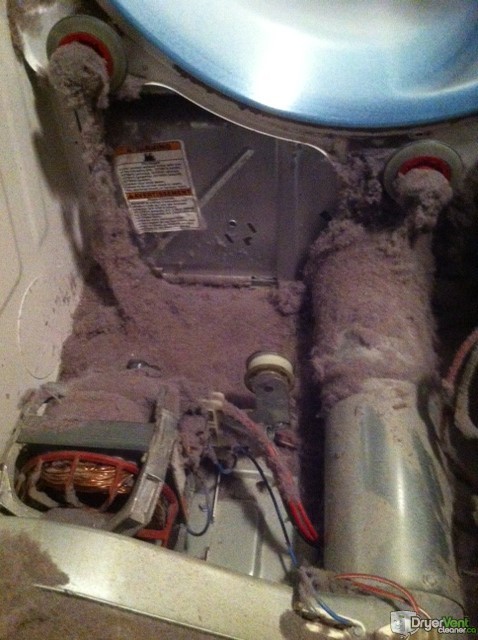
Lint accumulation in the drum, around the motor, or within the vent system can trap heat and cause nearby plastic components to warp or melt over time. Even new dryers may carry lint from factory testing or shipping debris.
Key areas prone to lint buildup include:
- The lint screen housing
- Beneath the drum
- Inside the exhaust duct
A clogged lint filter is among the leading causes of restricted airflow and rising internal temperatures.
Faulty Heating Element or Thermal Fuse
Electric dryers rely on heating elements to generate warmth. If the element becomes misaligned or damaged, it may come into contact with plastic housing or wiring insulation, causing scorching and melting odors.
Similarly, a failed thermal cut-off fuse or malfunctioning thermostat can allow the dryer to overheat unchecked, triggering the release of toxic fumes from nearby plastics.
These failures are more serious and require professional assessment — attempting to repair electrical systems yourself increases the risk of injury or further damage.
Foreign Objects Inside the Dryer
Small items such as coins, pen caps, rubber bands, or bits of clothing fiber can accidentally fall into the dryer drum cavity or get trapped behind panels. When heated, these items begin to decompose and emit pungent fumes.
Always inspect your load carefully before washing and avoid tossing small objects into pockets without checking them thoroughly.
Damaged Vent Hose or Exhaust Ductwork
A cracked or improperly connected vent hose forces hot air and moisture back into the dryer instead of directing them outside. This leads to condensation buildup, mold growth, and elevated internal temperatures — conditions favorable to melting plastic parts.
Check the integrity of the aluminum or flexible vinyl ductwork connected to the rear of the dryer and ensure the exterior vent cap opens freely.
How to Diagnose the Problem Yourself
Before reaching out to customer support or scheduling service appointments, perform a few basic checks to narrow down the root cause.
Step 1: Visual Inspection
Carefully examine accessible parts of the dryer, including:
- Drum interior
- Lint filter housing
- Back panel grille
- Vent hose connection
Look for signs of charring, discoloration, or melted material. Take photos for documentation purposes, especially if pursuing warranty claims later.
Step 2: Clean the Lint Filter and Housing
Remove the lint filter and wash it under running water to remove trapped fibers. Use a vacuum cleaner to clear out the slot where the filter sits to eliminate deep-seated debris.
Wipe down the interior walls of the dryer with a damp cloth, avoiding contact with electrical components.
Step 3: Examine the Vent System
Detach the vent hose from the back of the dryer and inspect it visually for kinks, holes, or mineral deposits. Replace vinyl hoses older than four years with rigid or semi-rigid metal alternatives.
Use a vent cleaning brush or hire a professional dryer vent cleaner annually to maintain optimal airflow.
Step 4: Run an Empty Test Cycle
Set the dryer to the highest heat setting and tumble dry an empty load for 10–15 minutes. Monitor closely for recurring smells or smoke.
If the burning plastic smell persists, stop immediately and consult the manufacturer’s troubleshooting guide or contact certified appliance service providers.
When to Call a Professional
Certain issues cannot be safely resolved at home, particularly those involving electrical wiring, gas connections, or major component replacement.
Electrical Malfunctions
Only qualified electricians or factory-trained technicians should troubleshoot problems related to:
- Heating elements
- Control boards
- Thermostats and fuses
- Motor assemblies
DIY repairs involving live circuits pose severe risks of electrocution and void existing warranties.
Gas Leaks or Irregular Ignition
For gas dryers experiencing strange odors alongside ignition problems, shut off the gas supply immediately and notify your utility company. Gas leaks require urgent attention from licensed plumbers or HVAC specialists.
Warranty Claims
Keep all receipts, packaging, and original manuals until the warranty period expires. Document every attempt made to resolve the issue, including dates, actions taken, and results observed.
Reach out to the manufacturer’s technical support team using the phone number listed in your user manual or on their official website.
Preventative Measures to Avoid Recurrence
Even after resolving the current issue, proactive maintenance prevents future occurrences.
Schedule Annual Dryer Maintenance
Have a certified technician inspect the dryer annually for:
- Frayed wiring
- Loose connections
- Clogged vents
- Worn belts or pulleys
Regular tune-ups extend the lifespan of your appliance and catch hidden dangers early.
Clean Lint Components Weekly
After each use, remove lint from the filter housing and wipe away residue buildup. Monthly deep cleans using mild detergent help keep surfaces free from flammable dust particles.
Upgrade Old Vent Pipes
Replace outdated vinyl or foil dryer exhaust tubes with UL-certified rigid-metal ducting for improved efficiency and fire resistance.
Avoid Overloading
Stuffing too many garments into the dryer restricts airflow and forces the machine to work harder, increasing temperature levels and accelerating wear on internal parts.
Stick to recommended load sizes and leave adequate space between items to allow even tumbling motion.
LG Dryer-Specific Considerations
Owners of LG dryers should be aware that certain error codes indicate internal component stress that could contribute to burning smells.
For example, codes indicating airflow restrictions (D80) or sensor anomalies (Te1) often correlate with overheating events that may damage nearby plastic structures.
Consult our full listing of LG dryer diagnostic resources to identify specific error patterns and recommended corrective steps.
Frequently Asked Questions
Can a New Dryer Smell Like Burning Plastic?
Yes — but only during initial use. A faint plastic odor due to manufacturing coatings and oils is normal for the first few cycles and usually fades quickly. However, a strong or persistent burning smell suggests overheating, faulty wiring, or debris inside the unit that requires immediate attention.
Why Does My Dryer Still Smell After Several Uses?
Persistent odors beyond five cycles point to unresolved issues such as lint blockages, failing heating elements, or foreign materials lodged inside the drum or ventilation path. Thorough cleaning and professional evaluation are advised.
Is It Safe to Keep Using My Dryer With a Burning Smell?
No — continuing to operate a dryer emitting a burning plastic odor poses significant fire and health risks. Disconnect power immediately and seek diagnosis from an authorized repair service.
Should I Contact the Manufacturer or a Repair Technician?
Start with the manufacturer if the dryer is under warranty, as they may offer free diagnostics or replacements. If out of warranty, contact a reputable local appliance technician with experience working on your brand.
How Long Should a New Dryer Smell Last?
Most break-in odors disappear after three to five normal-use cycles. If the smell lingers longer than a week, investigate further to rule out hidden defects or installation errors.
What Kind of Smells Are Normal Versus Dangerous?
Mild plastic or chemical smells during early use are acceptable. Burning rubber, acrid smoke, or electrical burning odors demand shutdown and inspection. Trust your senses — if something feels wrong, it probably is.
Final Thoughts
Discovering that your new dryer smells like burning plastic can be alarming, but knowing how to respond properly keeps you and your home safe. Begin with simple steps like turning off the appliance, improving ventilation, and performing basic cleaning tasks.
However, don't ignore persistent odors — they often signal deeper problems that worsen over time. Whether dealing with routine maintenance or unexpected malfunctions, staying vigilant and informed protects your investment and peace of mind.
By combining self-checks with periodic professional servicing, you'll enjoy reliable laundry performance without compromising safety standards.
Credit: www.dryerventcleaner.ca
Credit: www.samsung.com
Final Thoughts
Discovering that your new dryer smells like burning plastic can be alarming, but knowing how to respond properly keeps you and your home safe. Begin with simple steps like turning off the appliance, improving ventilation, and performing basic cleaning tasks.
However, don't ignore persistent odors — they often signal deeper problems that worsen over time. Whether dealing with routine maintenance or unexpected malfunctions, staying vigilant and informed protects your investment and peace of mind.
By combining self-checks with periodic professional servicing, you'll enjoy reliable laundry performance without compromising safety standards.