
what are the main parts of a sump pump
A sump pump moves groundwater away from your foundation before it floods your basement. The key parts include the pump itself, a float switch, a check valve, and the discharge pipe. Most systems also have a sump basin or pit to collect water.
How Each Part Works Together (With a Labeled Reference)
Think of a sump pump system as a small team where each member has a clear job. The pump sits at the bottom of a basin or pit, usually 24 inches wide and 30 inches deep, collecting water that flows in through foundation drains. When water rises, it lifts a float switch.
That switch triggers the motor inside the pump. The motor spins an impeller, which pushes water up and out through the discharge pipe.
[Image block placeholder]
The check valve is installed on the discharge pipe, normally within two feet of the pump. It lets water flow out but prevents it from flowing back in. This backflow is what causes water hammer and makes the pump cycle repeatedly, wearing it down faster.
Together, these parts create a simple but effective drainage system.
| Part | Function | Location |
|---|---|---|
| Pump/Motor | Moves water out | Bottom of basin |
| Float Switch | Activates pump | Floating arm or ball |
| Check Valve | Prevents backflow | On discharge pipe |
| Discharge Pipe | Carries water away | Vertical, then horizontal exit |
| Sump Basin | Collects incoming water | Recessed in floor |
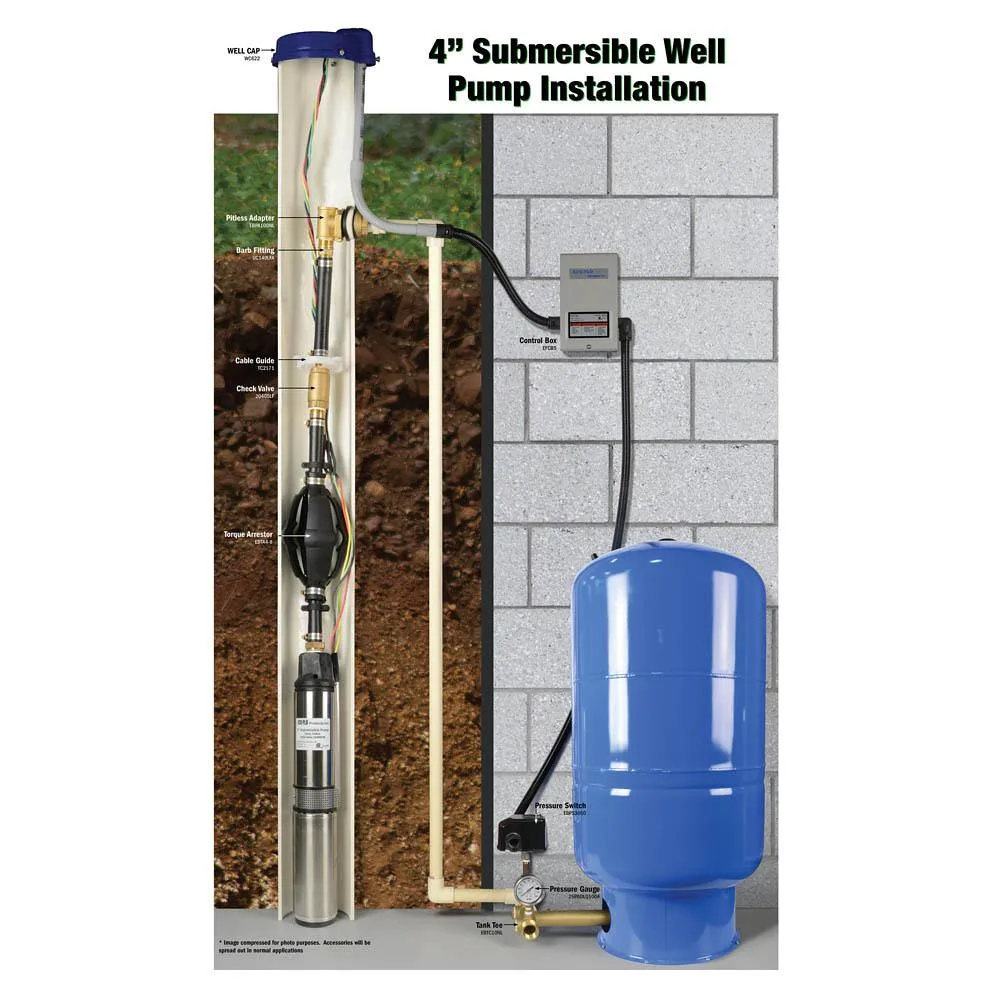
Image source: Openverse / JSBlaine (PDM 1.0)
Common Mistakes and What Breaks First
Image source: Openverse / MUSTAD MARINE (PDM 1.0)
Most sump pump failures happen because of three parts wearing out or getting blocked. The float switch is the most common casualty. Debris, algae, or mineral buildup can jam it in the "on" position, causing the pump to run dry and burn out the motor.
[Image block placeholder]
The check valve fails next. Over time, the rubber seal inside dries out or gets clogged with grit. A failed check valve means water flows back into the pit after each cycle.
That makes the pump turn on and off constantly, a condition called short-cycling.
Here's what breaks first, based on typical repair calls:
- Float switch jams or shorts, usually within 3 to 5 years.
- Check valve seal degrades, often fails around the same time.
- Impeller clogs with lint or debris, common in older homes.
- Motor overheats from continuous running, happens when the discharge line freezes.
Freezing is a big one in northern climates. If the discharge pipe exits above ground and isn't insulated, ice can block it completely. The pump keeps trying to push water, overheats, and shuts down.
The basement floods because the system can't drain.
FAQs
What size sump pump do I need for my basement?
Match the pump's flow rate to your expected water volume. A 1/3 horsepower submersible pump handles up to 40 feet of head pressure and flows around 40 gallons per minute. Larger basements or high-water-table areas often need a 1/2 HP model.
Check the manufacturer's performance curve, which shows how flow drops as lift height increases. For backup protection, pair it with a battery-powered secondary pump.
How often should I test my sump pump?
Test monthly by pouring water into the basin until the float switch activates. The pump should start within a few seconds and shut off when the water level drops. Do this year-round, especially before spring snowmelt and hurricane season.
Replace the backup battery every 3 to 5 years, even if it still holds a charge.
Can I install a sump pump myself?
Yes, if you have basic plumbing and electrical skills. You'll need a sump basin, pump with tethered or vertical float switch, check valve, and discharge piping. Connect the discharge line to an existing floor drain or run it outside at least 10 feet from the foundation.
Always use a GFCI-protected outlet, and never plug into an extension cord. Local codes may require a permit for new electrical work.
What's the difference between a submersible and pedestal pump?
Submersible pumps sit underwater at the basin's bottom and are quieter, since the surrounding water muffles the motor. Pedestal pumps have a long neck that stays above water, making them easier to service but louder. Both move water using the same impeller mechanism, but submersible units typically last longer because they stay cool in the basin water.