
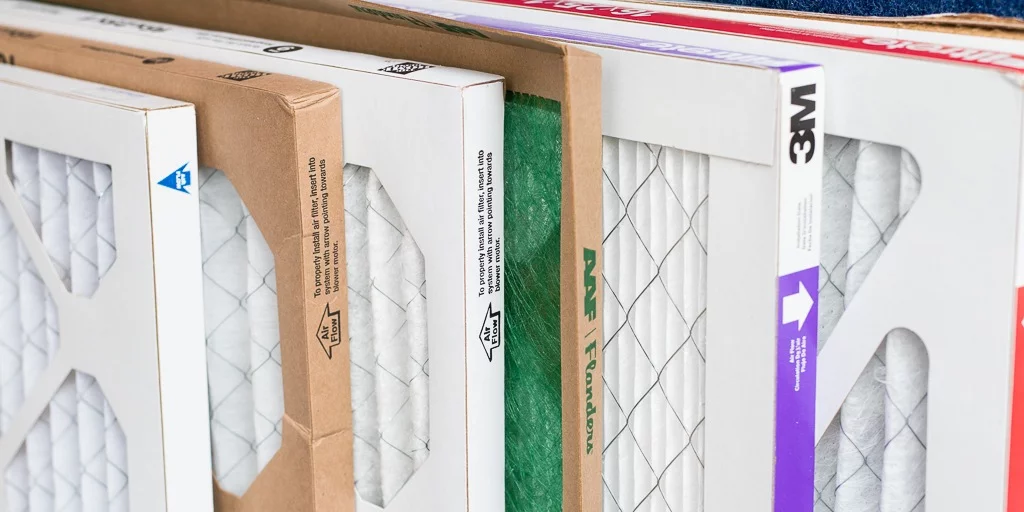
There are several types of filters in HVAC systems, including fiberglass, pleated, HEPA, and electrostatic filters. Each type offers unique benefits for air quality and system efficiency.
Understanding the various types of HVAC filters is essential for maintaining indoor air quality and system performance. Fiberglass filters are the most basic and cost-effective, capturing large particles but offering minimal filtration. Pleated filters provide better filtration by capturing smaller particles, making them a popular choice for many homeowners.
HEPA filters deliver the highest level of filtration, removing up to 99. 97% of airborne particles, ideal for those with allergies or respiratory issues. Electrostatic filters use static electricity to attract and capture particles, offering a balance between efficiency and cost. Each filter type has its own advantages, suited for different needs and budgets.
Introduction To Hvac Filters
HVAC systems are essential for indoor air quality. Filters play a key role in these systems. They trap dust, pollen, and other particles. This keeps the air clean and breathable.
Importance Of Air Quality
Clean air is vital for health. Poor air quality can cause allergies. It can also lead to respiratory issues. HVAC filters help improve indoor air quality. They remove harmful particles from the air.
Role Of Filters In Hvac Systems
Filters are crucial in HVAC systems. They protect the system from dust and debris. This helps the system run efficiently. It also extends the lifespan of the HVAC unit.
| Type of Filter | Efficiency | Common Use |
|---|---|---|
| Fiberglass Filters | Low | Residential |
| Pleated Filters | Medium | Commercial |
| HEPA Filters | High | Medical |
Different filters serve different needs. Fiberglass filters are cheap and basic. Pleated filters offer better filtration. HEPA filters provide the highest level of air purification.
- Fiberglass Filters: Low cost, basic filtration
- Pleated Filters: Better efficiency, medium cost
- HEPA Filters: High efficiency, higher cost
Choosing the right filter depends on your needs. Consider your air quality and budget. Always check the filter’s MERV rating. Higher MERV ratings mean better filtration.
Basic Filter Mechanics
Understanding the basic filter mechanics is essential for maintaining your HVAC system. Filters play a crucial role in purifying the air you breathe. They capture dust, pollen, and other unwanted particles. This section explores how filters work and their material and design variations.
How Filters Work
Filters trap particles as air flows through them. They use a mesh or fibrous material to catch dust and other contaminants. The size of particles they can trap depends on the filter’s porosity.
Most filters use a combination of mechanical filtration and electrostatic attraction. Mechanical filtration captures larger particles. Electrostatic attraction catches smaller ones.
Filters need regular replacement to maintain efficiency. A clogged filter can decrease airflow and strain your HVAC system.
Material And Design Variations
Filters come in various materials and designs. Some common filter materials include:
- Fiberglass: Low-cost, disposable, captures large particles.
- Pleated: Made from polyester, captures smaller particles.
- HEPA: High-Efficiency Particulate Air, captures 99.97% of particles.
- Washable: Reusable, eco-friendly, requires regular cleaning.
Filter designs also vary. Here are some common types:
- Flat-panel: Basic design, often used in residential systems.
- Extended surface: Pleated or bag filters, higher efficiency.
- Electronic: Uses static electricity to capture particles.
Choosing the right filter depends on your needs and HVAC system. Always check your system’s requirements before purchasing a filter.
Fiberglass Air Filters
Fiberglass air filters are among the most common types of filters in HVAC systems. They offer a simple and cost-effective solution for basic air filtration. These filters are often used in residential and commercial settings due to their affordability and availability. Let’s dive into the specifics of these filters.
Characteristics Of Fiberglass Filters
Fiberglass filters are made from spun glass fibers arranged in a flat panel. They typically have a low MERV (Minimum Efficiency Reporting Value) rating, ranging from 1 to 4. This means they are effective at capturing larger particles like dust and lint, but not fine particles like pollen or smoke.
- Material: Spun glass fibers
- MERV Rating: 1 to 4
- Particle Capture: Dust, lint, and large debris
- Cost: Low
Pros And Cons
| Pros | Cons |
|---|---|
| Low cost | Low efficiency |
| Easy to replace | Not suitable for fine particles |
| Widely available | Short lifespan |
Fiberglass air filters are cost-effective and widely available. They are easy to replace, making them a convenient choice for many. However, they have low efficiency and are not suitable for capturing fine particles. Their short lifespan also means more frequent replacements.

Credit: totalairservice.com
Pleated Air Filters
Pleated air filters are a popular choice in HVAC systems. They use a folded or pleated design to increase the filter’s surface area. This design helps capture more particles from the air. Pleated filters improve air quality in homes and businesses.
Benefits Of High Surface Area
The high surface area of pleated air filters offers many advantages. More surface area means more particles are trapped. This results in cleaner air. These filters also last longer. They don’t get clogged as quickly as flat filters.
Pleated filters are effective in removing dust, pollen, and pet dander. They improve indoor air quality, benefiting people with allergies. The filters also protect the HVAC system. They prevent dust buildup on the system’s parts.
| Benefit | Description |
|---|---|
| Improved Air Quality | Traps more particles, making air cleaner. |
| Longer Lifespan | Lasts longer due to larger surface area. |
| Protects HVAC System | Prevents dust buildup on HVAC parts. |
Selecting The Right Pleated Filter
Choosing the right pleated filter is important. Consider the MERV rating. Higher MERV ratings capture smaller particles. But, they may restrict airflow more. Check your HVAC system’s specifications. Make sure the filter is compatible.
Measure your filter size correctly. A wrong size won’t fit or work well. Look for filters with antimicrobial treatments. These help reduce bacteria and mold. Consider your specific needs. For allergies, choose a higher MERV rating.
- Check MERV rating
- Measure filter size
- Look for antimicrobial treatments
- Match your needs
Regular maintenance is key. Replace filters as recommended. Clean filters ensure your HVAC system runs efficiently.
Hepa Filters
HEPA filters stand for High-Efficiency Particulate Air filters. They are the gold standard in air filtration. These filters are known for their ability to trap tiny particles. HEPA filters are effective at removing allergens, dust, and other pollutants. They are widely used in both residential and commercial settings.
Understanding Hepa Standards
HEPA filters must meet strict standards to be certified. They must remove at least 99.97% of particles that are 0.3 microns in diameter. This makes them highly effective at improving air quality. The standards ensure that HEPA filters provide reliable performance. Here are some key points about HEPA standards:
- Must capture particles as small as 0.3 microns
- Remove at least 99.97% of these particles
- Certified through rigorous testing
Not all filters labeled “HEPA” meet these standards. Always check for proper certification. Certified HEPA filters ensure that you get the best air filtration possible.
Applications In Commercial And Residential
HEPA filters have a wide range of applications. In commercial settings, they are used in:
- Hospitals to reduce airborne infections
- Laboratories to maintain clean environments
- Office buildings to improve indoor air quality
In residential settings, HEPA filters are used in:
- Vacuum cleaners to trap dust and allergens
- Air purifiers to clean indoor air
- HVAC systems to ensure a healthier home environment
Using HEPA filters can significantly improve air quality. They are particularly beneficial for people with allergies or respiratory issues. Incorporating HEPA filters into your HVAC system can provide cleaner, healthier air.
Washable Air Filters
Washable Air Filters are a cost-effective and eco-friendly option for HVAC systems. These filters can be cleaned and reused, reducing waste and long-term expenses. Let’s explore the different types of reusable filters and how to maintain them.
Reusable Filter Options
Washable air filters come in various materials and designs. Here are some popular options:
- Electrostatic Filters: These filters use static electricity to capture particles.
- Foam Filters: Made from polyurethane foam, they trap dust and debris.
- Metal Mesh Filters: Constructed from layers of metal mesh, they are durable and washable.
Maintenance And Care
Proper care ensures the longevity and efficiency of washable air filters. Follow these steps:
- Remove the filter from the HVAC unit.
- Rinse it with water to remove dust and dirt.
- Use mild soap for stubborn grime.
- Allow the filter to dry completely before reinstalling.
Regular maintenance keeps the filter efficient and extends its lifespan. Clean your filter every month for optimal performance.
Electrostatic Filters
Electrostatic filters are a popular choice in HVAC systems. They use static electricity to capture particles. This makes them effective in improving air quality. They can trap dust, pollen, and other airborne particles.
Electrostatic Principles In Filtration
Electrostatic filters work on the principle of static electricity. Air passes through layers of electrostatically charged plates. These plates attract and capture particles. This process is similar to how a balloon attracts hair.
Here is how it works:
- Air enters the filter.
- Particles receive an electric charge.
- Charged particles stick to oppositely charged plates.
- Clean air exits the filter.
This method ensures efficient particle removal. It can capture smaller particles than standard filters.
Lifetime And Effectiveness
Electrostatic filters are reusable. This makes them cost-effective in the long run. Regular cleaning is required to maintain their effectiveness.
Here are some key points:
- Reusable: They can be washed and reused.
- Cost-effective: No need for frequent replacements.
- Efficiency: They maintain high air quality.
- Maintenance: Regular cleaning is essential.
Proper maintenance can extend the filter’s lifetime. Always follow the manufacturer’s cleaning instructions.
In summary, electrostatic filters are a smart choice. They offer efficient filtration and cost savings.
Credit: galgonhvac.com
Uv Air Purifiers
UV Air Purifiers are a specialized type of filter used in HVAC systems. They use ultraviolet light to kill germs, bacteria, and viruses. This makes the air cleaner and safer to breathe.
Integration With Hvac Systems
UV air purifiers can be easily integrated into existing HVAC systems. They are usually installed near the air handler or in the ductwork. This placement ensures that all air passing through the system gets exposed to UV light.
| Feature | Description |
|---|---|
| Installation | Near air handler or ductwork |
| Compatibility | Works with most HVAC systems |
| Maintenance | Requires regular bulb replacement |
Benefits And Limitations
Benefits of UV air purifiers include improved air quality and reduced illness. They can kill up to 99.9% of airborne pathogens. This helps in creating a healthier living environment.
- Kills bacteria and viruses
- Reduces allergies
- Improves overall air quality
There are also some limitations to consider. UV air purifiers do not remove dust or allergens. They are also ineffective against larger particles like pet dander.
- Does not filter dust or allergens
- Requires regular maintenance
- Initial cost can be high
In summary, UV air purifiers are effective for killing germs. They are a valuable addition to HVAC systems for cleaner air.
Choosing The Right Filter For Your Hvac System
Choosing the right filter for your HVAC system is vital. It affects the system’s efficiency and the air quality in your home. Different filters come with unique benefits and drawbacks. Understanding these will help you make the best choice.
Factors To Consider
Several factors play a role in selecting the right HVAC filter:
- Filter Type: Different types include fiberglass, pleated, and HEPA filters.
- Filter Size: Ensure the filter fits your HVAC system properly.
- Filter Rating: Look at the MERV rating to measure efficiency.
- Maintenance: Consider how often you need to replace or clean the filter.
- Cost: Balance between initial cost and long-term savings.
Impact On Efficiency And Air Quality
The type of filter you choose directly impacts your HVAC system’s efficiency and the air quality in your home:
| Filter Type | Efficiency | Air Quality Impact |
|---|---|---|
| Fiberglass | Low | Minimal impact on air quality |
| Pleated | Moderate | Better at trapping dust and particles |
| HEPA | High | Excellent at improving air quality |
Fiberglass filters are the cheapest option but offer low efficiency. They are best for homes without significant air quality issues.
Pleated filters offer a middle-ground solution. They are more efficient and effective at trapping dust and allergens.
HEPA filters are the best for those needing high efficiency. They are perfect for homes with allergy sufferers or air quality concerns.
Choosing the right filter ensures your HVAC system runs efficiently and your home maintains good air quality. Make an informed choice for a comfortable and healthy living environment.

Credit: www.ecomech.net
Maintenance And Replacement Schedules
Maintaining and replacing filters in your HVAC system is crucial. It ensures clean air and efficient performance. Different filters require different maintenance schedules. Understanding these schedules helps in keeping your HVAC system running smoothly.
Recommended Practices
Follow these practices for optimal HVAC filter maintenance:
- Check your filter every month.
- Replace standard filters every 1-3 months.
- Replace pleated filters every 3-6 months.
- Replace HEPA filters every 12-18 months.
- Keep your system clean to extend filter life.
| Filter Type | Replacement Frequency |
|---|---|
| Standard | 1-3 Months |
| Pleated | 3-6 Months |
| HEPA | 12-18 Months |
Signs Your Filter Needs Changing
Look out for these signs to know when to change your filter:
- Increased dust in your home.
- Higher energy bills.
- Reduced airflow.
- Visible dirt on the filter.
- Allergy symptoms or respiratory issues.
Regular maintenance and timely replacement of filters are key. This ensures clean air and efficient HVAC performance. Follow the recommended practices and watch for signs to keep your system in top shape.
Environmental And Health Considerations
When choosing HVAC filters, think about environmental and health impacts. The right filter can improve air quality and protect the planet. This section covers key points to consider.
Allergies And Respiratory Health
Many people suffer from allergies and respiratory issues. HVAC filters can help reduce symptoms. High-efficiency filters capture tiny particles like pollen, dust, and pet dander. This keeps the air cleaner and safer to breathe.
Consider filters with a high MERV rating. MERV stands for Minimum Efficiency Reporting Value. A higher MERV rating means better filtration. For allergy sufferers, a MERV rating of 8-13 is ideal.
- HEPA filters are highly effective. They capture 99.97% of particles.
- Electrostatic filters use static electricity. They attract and trap particles.
- UV filters use ultraviolet light. They kill bacteria and mold spores.
Eco-friendly Filter Options
Eco-conscious choices help the environment. Look for eco-friendly HVAC filters. These options reduce waste and energy use. They are made from recyclable or biodegradable materials.
Consider these eco-friendly filter types:
- Reusable Filters: Wash and reuse these filters. They reduce waste and save money over time.
- Biodegradable Filters: These filters break down naturally. They lessen environmental impact.
- Energy-efficient Filters: Use less energy and improve system efficiency. They lower your carbon footprint.
Here is a quick comparison of eco-friendly filters:
| Filter Type | Benefits | Considerations |
|---|---|---|
| Reusable Filters | Cost-effective, reduce waste | Require regular cleaning |
| Biodegradable Filters | Eco-friendly, natural materials | May need frequent replacement |
| Energy-efficient Filters | Lower energy use, save money | Initial cost may be higher |
Choosing the right HVAC filter can boost health and help the environment. Make informed decisions for a cleaner, greener home.
Conclusion: Enhancing Hvac Performance
Choosing the right filter is crucial for HVAC systems. It impacts air quality and efficiency. Understanding different filters helps in making better choices. Let’s summarize the types and give final recommendations.
Summary Of Filter Types
The following table summarizes the various types of HVAC filters:
| Filter Type | Description | Advantages | Disadvantages |
|---|---|---|---|
| Fiberglass Filters | Basic, affordable filters | Low cost, disposable | Low efficiency, short lifespan |
| Pleated Filters | Made of polyester or cotton | Higher efficiency, longer life | More expensive, restricted airflow |
| Electrostatic Filters | Uses static electricity | Reusable, washable | Requires maintenance, higher initial cost |
| HEPA Filters | High-efficiency particulate air | Removes 99.97% of particles | Expensive, may need modifications |
| UV Filters | Uses ultraviolet light | Kills bacteria, viruses | High cost, needs electricity |
Final Recommendations
Choosing the right filter enhances HVAC performance. Consider the following recommendations:
- For basic needs: Use fiberglass filters. They are cheap and disposable.
- For better efficiency: Opt for pleated filters. They have a longer lifespan.
- For reusable options: Choose electrostatic filters. They are washable and eco-friendly.
- For maximum air purity: Select HEPA filters. They remove most particles.
- For sanitization: Use UV filters. They kill harmful microorganisms.
Remember to check and replace filters regularly. This ensures your HVAC system runs efficiently.
Conclusion
Understanding the types of filters in an HVAC system is crucial for maintaining air quality. Choosing the right filter ensures efficient operation and a healthier environment. Regular maintenance and timely replacements can significantly extend the lifespan of your HVAC system.
Prioritize the right filters to enjoy cleaner, fresher air at home or work.