
A sump pump battery backup is an emergency system that keeps your basement dry when grid power fails. It uses a dedicated DC pump and deep-cycle battery to remove water automatically during outages. This setup operates completely independently from your primary AC sump pump.
Understanding what is a sump pump battery backup prevents costly flooding mistakes.
Manufacturer specifications indicate most residential systems provide six to twelve hours of intermittent pumping at ten feet of head pressure. Per NFPA 70 electrical standards, these units require GFCI protection and proper wet-location ratings for safe operation. Let’s break down exactly how these critical safety components function inside your sump pit.
What Is a Sump Pump Battery Backup
A sump pump battery backup is a secondary waterproofing system powered by stored DC electricity. It activates automatically when main power drops or the primary pump fails. The unit includes its own float switch separate from the main pump.
This independence ensures protection even if your primary equipment malfunctions.
The Core Components: DC Pump, Smart Charger, and Deep-Cycle Battery
Three distinct parts make up every reliable backup system. A submersible DC pump handles the actual water removal without needing AC current. A smart charger maintains the battery at full capacity while monitoring for faults continuously.
The deep-cycle marine battery stores enough energy for extended emergency operation.
You cannot substitute standard car batteries for this application safely. Deep-cycle AGM or gel cells handle repeated discharge cycles without damage. Flooded lead-acid options work but require monthly electrolyte checks and ventilation.
Lithium iron phosphate batteries now offer longer lifespans with zero maintenance as of 2026.
Runtime Reality: Why Amp-Hours Don't Tell the Whole Story
Battery capacity alone does not determine how long your system lasts. Actual runtime depends heavily on water inflow rate and vertical lift distance. A 100Ah battery might last twelve hours with light seepage but only two hours during heavy storms.
Manufacturer GPH charts show flow rates drop significantly as head pressure increases.
Always size your battery based on worst-case inflow scenarios. Aggregate reviews report many homeowners underestimate their water table during extreme weather events. Check valve installation prevents backflow that wastes precious battery charge on re-pumping.
Proper sizing ensures you have adequate protection when conditions are most severe.
Critical Safety Distinctions Between Backup Systems and Standard Batteries
Never connect a regular UPS or car battery directly to a sump pump. These lack the surge capacity and charging profiles needed for motor loads. Improper setups can cause fires, acid leaks, or complete failure during emergencies.
Only use UL-listed controllers designed specifically for sump applications per safety standards.
Ventilation requirements vary significantly by battery chemistry type. Sealed AGM units can operate in enclosed pits safely. Flooded batteries produce hydrogen gas and need airflow to prevent explosion risks.
Always follow manufacturer installation guidelines to maintain warranty coverage and ensure safe operation.
When You Need One vs. When a Generator or Water-Powered Pump Is Better
Choosing the right backup depends entirely on your specific risk profile. Battery systems excel at bridging short outages under twenty-four hours. Standby generators handle multi-day events but cost significantly more upfront.
Water-powered pumps work indefinitely but require strong municipal pressure and waste potable water.
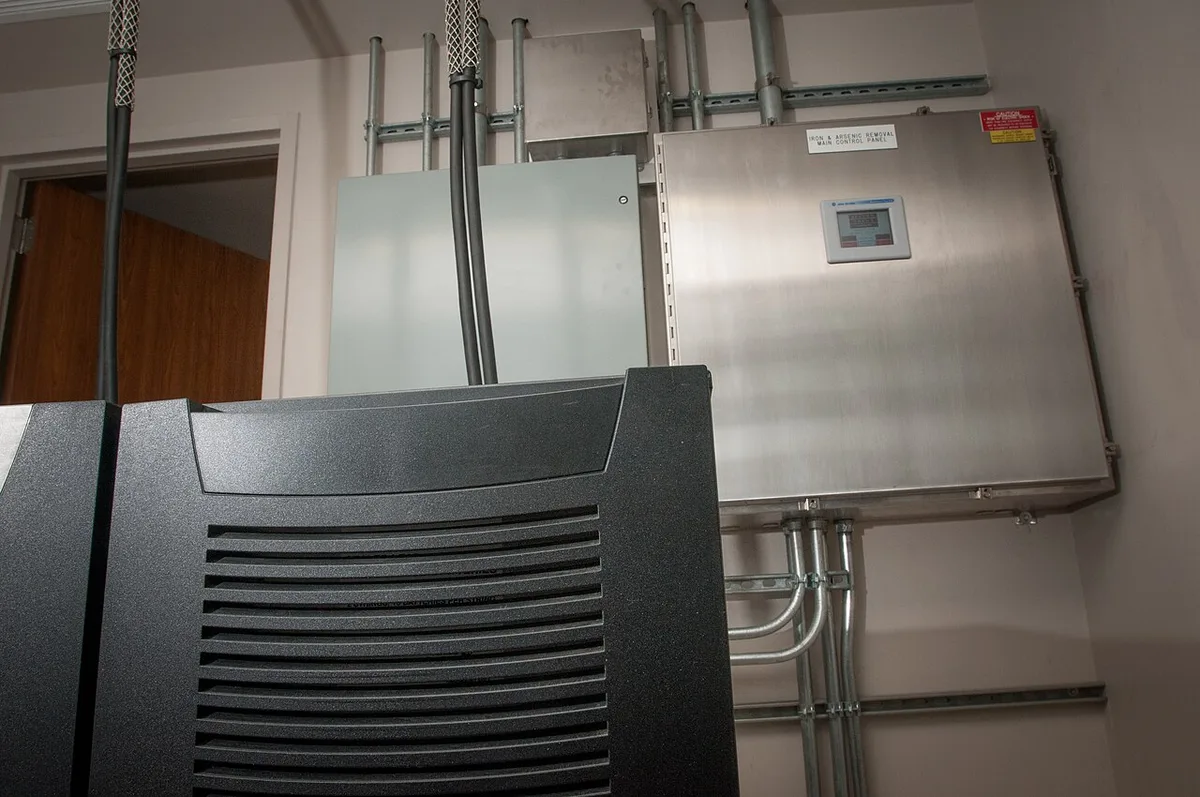
Image source: Wikimedia Commons / USDAgov
Matching Backup Type to Your Outage Frequency and Water Table
Homes with frequent brief outages benefit most from battery backups. Areas prone to week-long storm damage need generator support instead. High water tables demand larger battery capacity or dual-system redundancy.
Rural properties with overhead lines face different risks than urban areas with buried infrastructure.
Finished basements justify higher investment in robust protection systems. Unfinished utility spaces may tolerate simpler solutions with acceptable risk levels. Insurance requirements sometimes dictate minimum protection standards for coverage eligibility.
Evaluate your tolerance for potential water damage against system costs carefully.
Cost Breakdown: System Price, Battery Replacement, and True Value
Complete battery backup systems typically range from four hundred to twelve hundred dollars installed. Battery replacements cost one hundred fifty to four hundred dollars every three to five years. Water-powered alternatives run three hundred to eight hundred dollars with no recurring battery expenses.
Generators start around three thousand dollars plus professional installation fees.
Consider lifetime costs rather than just initial purchase price. AGM batteries need replacement sooner than lithium options despite lower upfront cost. Factor in potential water damage repair expenses when evaluating value.
Our research shows prevention costs far less than remediation after catastrophic flooding events.
Common Installation and Maintenance Mistakes That Cause Silent Failures
Skipping monthly operational tests is the most frequent error we see. Batteries degrade silently without regular load testing to verify capacity. Corroded terminals increase resistance and reduce effective runtime dramatically.
Dielectric grease on connections prevents moisture-related failures in damp pit environments.
Neglecting charger verification leaves you vulnerable without warning signs. Smart chargers can fail while appearing functional on surface inspection. Annual professional testing confirms both charger output and battery health accurately.
Document maintenance dates to support insurance claims if failures occur despite proper care.
Frequently Asked Questions
How long does a sump pump battery backup last during an outage?
Most systems provide six to twelve hours of intermittent pumping under moderate conditions. Heavy water inflow or high vertical lift reduces runtime significantly. Battery age and maintenance history also affect performance during emergencies.
Always test under load annually to verify actual capacity remains adequate.
Can I use a regular car battery for my sump pump backup?
No, automotive batteries cannot handle deep discharge cycles required for sump applications. They will fail quickly and may create hazardous conditions in enclosed pits. Only use deep-cycle marine batteries rated for backup power duty.
AGM, gel, or LiFePO4 chemistries are appropriate choices for this purpose.
Does a battery backup replace my primary sump pump?
Battery backups serve only as emergency secondary systems during power loss. They cannot match the flow rate or durability of primary AC pumps. Always maintain a functioning primary pump alongside your backup system.
The battery unit bridges gaps until grid power returns or repairs complete.
How often should I replace my sump pump backup battery?
AGM batteries typically last three to five years with proper maintenance. Lithium iron phosphate options can exceed seven years under similar conditions. Annual load testing reveals degradation before complete failure occurs.
Replace immediately if testing shows capacity below eighty percent of original rating.