
During HVAC maintenance, technicians inspect, clean, and service the heating, ventilation, and air conditioning system. This ensures optimal performance and efficiency.
Regular HVAC maintenance is essential for ensuring your system runs smoothly and efficiently. Technicians perform various tasks to keep the system in top condition. They check the thermostat, replace filters, and clean coils. They also inspect electrical connections and lubricate moving parts.
These actions help prevent unexpected breakdowns and extend the system’s lifespan. Regular maintenance can improve indoor air quality, leading to a healthier living environment. It also enhances energy efficiency, reducing utility bills. Scheduling routine HVAC maintenance can save money and ensure comfort throughout the year. Prioritize these check-ups to maintain a reliable and effective HVAC system.
Introduction To Hvac Maintenance
HVAC maintenance is crucial for a comfortable and healthy home. Regular upkeep ensures your HVAC system works efficiently. It also extends the lifespan of your equipment.
HVAC stands for Heating, Ventilation, and Air Conditioning. This system regulates indoor temperature and air quality. Routine maintenance checks are essential for optimal performance.
Why It’s Essential
Regular HVAC maintenance prevents costly repairs and system failures. It also improves energy efficiency, saving you money on utility bills.
Maintenance helps in identifying potential issues before they become major problems. Clean systems operate more effectively, providing better air quality.
| Benefit | Description |
|---|---|
| Cost Savings | Reduces the need for expensive repairs |
| Efficiency | Improves system performance |
| Longevity | Extends the life of your HVAC system |
| Air Quality | Ensures cleaner, healthier air |
Common Misconceptions
Many believe that HVAC maintenance is not necessary. This is a common misconception. Regular maintenance is vital for the system’s health and your comfort.
Some think that changing filters is enough. While important, it’s only one part of maintenance. Professional technicians perform thorough inspections and cleanings.
- Myth: Maintenance is not needed if the system works fine.
- Fact: Regular checks prevent unexpected breakdowns.
- Myth: Changing filters is all that’s needed.
- Fact: Maintenance involves more than just filter changes.
Another myth is that maintenance is too expensive. In reality, it saves money in the long run by avoiding costly repairs.
Inspecting And Replacing Filters
Maintaining your HVAC system is crucial for its efficiency. A key part of this is inspecting and replacing filters. Clean filters improve air quality and prolong your system’s life.
Frequency Of Replacement
The frequency of filter replacement varies. It depends on the type of filter and your home environment.
- Standard Filters: Replace every 1-3 months.
- High-Efficiency Filters: Replace every 6-12 months.
- HEPA Filters: Replace every 12-18 months.
Homes with pets or allergies may need more frequent changes.
Types Of Filters
Different filters serve different needs. Here are common types:
| Filter Type | Description | Replacement Frequency |
|---|---|---|
| Fiberglass Filters | Basic, inexpensive, traps large particles. | 1-3 months |
| Pleated Filters | More surface area, captures small particles. | 3-6 months |
| HEPA Filters | High-efficiency, removes 99.97% of particles. | 12-18 months |
| Washable Filters | Reusable, eco-friendly, requires regular cleaning. | Every month |
Choosing the right filter can improve your home’s air quality.
Cleaning Coils And Fans
During HVAC maintenance, cleaning the coils and fans is critical. These components help maintain your system’s efficiency and ensure clean air circulation. Regular cleaning prevents dust and debris buildup, which can hinder performance.
Steps For Cleaning
- Turn off the Power: Ensure the HVAC system is turned off for safety.
- Remove Debris: Clear any visible debris from the coils and fans.
- Use a Soft Brush: Gently brush away dirt and dust from the coils.
- Apply Coil Cleaner: Spray a specialized coil cleaner to break down grime.
- Rinse with Water: Use water to rinse the cleaner and loosened dirt.
- Dry the Coils: Allow the coils to dry completely before turning the system on.
- Clean the Fans: Wipe down the fan blades with a damp cloth.
- Reassemble Components: Put everything back together and restore power.
Impact On Efficiency
Cleaning coils and fans significantly impacts HVAC efficiency. Dust and debris can cause the system to work harder, leading to higher energy consumption.
Regular cleaning ensures optimal airflow, reducing strain on the system. This helps maintain consistent temperatures and improves indoor air quality. A clean system is less likely to overheat, reducing the risk of costly repairs.
Keeping your coils and fans clean can extend the lifespan of your HVAC system. It helps save on energy bills and ensures a comfortable living environment.
Checking And Sealing Ductwork
Checking and sealing ductwork is essential for efficient HVAC maintenance. Ducts distribute air throughout your home. Leaky ducts waste energy and money. Here’s how professionals check and seal ductwork.
Identifying Leaks
Identifying leaks is the first step. Technicians use special tools. They inspect the duct system carefully. A blower door test helps find leaks. This test creates a pressure difference. It makes leaks easier to spot.
Another method is using smoke pencils. These tools release smoke near ducts. If the smoke wavers, there’s a leak. Professionals also use thermal imaging cameras. These cameras detect temperature differences. They show where air escapes.
Methods Of Sealing
Sealing leaks involves several methods. The choice depends on the size and location of the leak. Here are some common methods:
- Metal Tape: Ideal for small leaks. It’s durable and long-lasting.
- Mastic Sealant: A thick paste applied to larger gaps. It dries to a solid seal.
- Aerosol Sealant: Sprayed inside ducts. It seals leaks from the inside.
Professionals often use a combination of methods. The goal is to ensure no air escapes. Proper sealing improves HVAC efficiency. It also reduces energy bills and enhances comfort.
Let’s compare these methods:
| Method | Best For | Durability |
|---|---|---|
| Metal Tape | Small leaks | High |
| Mastic Sealant | Larger gaps | High |
| Aerosol Sealant | Inside ducts | Moderate |
Sealing ductwork is a crucial part of HVAC maintenance. It ensures your system runs efficiently. Proper maintenance saves energy and money.
Inspecting And Testing Thermostats
Thermostats play a crucial role in your HVAC system. They control the temperature of your home. During HVAC maintenance, inspecting and testing thermostats ensures accuracy and efficiency. This step is vital for maintaining a comfortable indoor environment. Let’s explore the key aspects involved in this process.
Calibration Techniques
Calibration ensures your thermostat reads the correct temperature. Technicians use various calibration techniques for accuracy. These techniques may involve:
- Checking the thermostat’s placement
- Using a thermometer for comparison
- Adjusting the settings for precision
Proper calibration helps in maintaining the desired temperature. It also improves energy efficiency, saving you money on utility bills.
When To Upgrade
Sometimes, an old thermostat may need an upgrade. Here are signs you should consider:
- The thermostat is over 10 years old
- Frequent temperature inconsistencies
- Higher energy bills without reason
- Unresponsive or faulty display
Modern thermostats offer better features. These include programmable settings and smart controls. Upgrading can enhance your HVAC system’s performance. It also ensures a more comfortable living environment.
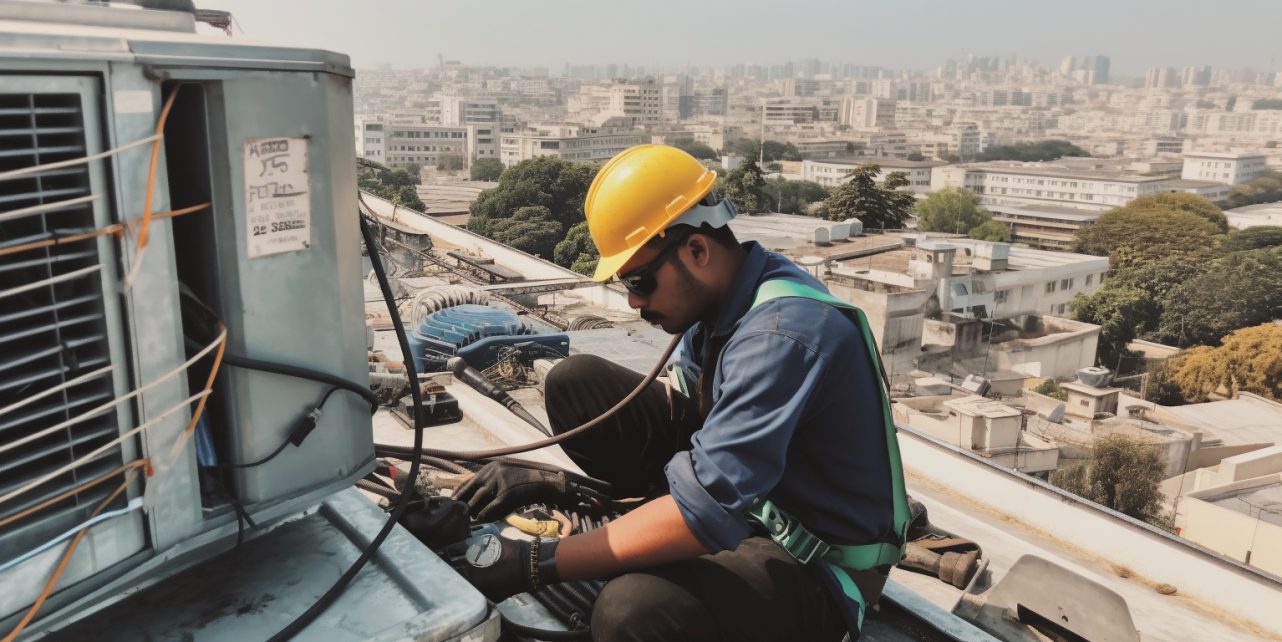
Credit: buildops.com
Refrigerant Levels And Leaks
Maintaining proper refrigerant levels and identifying refrigerant leaks is crucial for the efficiency of your HVAC system. Refrigerant is vital for cooling your home. Low levels or leaks can reduce performance and increase energy costs.
How To Check Levels
Checking refrigerant levels involves precise steps. Follow these to ensure accuracy:
- Turn off the HVAC system before starting.
- Locate the refrigerant lines and access ports.
- Attach the manifold gauges to the access ports.
- Read the pressure levels on the gauges.
- Compare the readings to the manufacturer’s specifications.
Handling Leaks Safely
Handling refrigerant leaks requires caution. Follow these steps to ensure safety:
- Identify the leak source: Use a leak detector to pinpoint the exact location.
- Turn off the system: Ensure the HVAC system is off before proceeding.
- Wear protective gear: Use gloves and goggles to protect yourself.
- Seal the leak: Use an appropriate sealant to fix minor leaks. For major leaks, contact a professional.
- Recharge the system: After sealing, recharge the system with the correct refrigerant type.
Regular HVAC maintenance ensures optimal performance and longevity. Always prioritize safety and follow guidelines.
Electrical Connections And Components
Regular HVAC maintenance keeps your system running smoothly. One key area is electrical connections and components. Properly maintained electrical systems ensure safety and efficiency.
Safety First
Safety is crucial when handling electrical components. Always turn off the power before starting. Use insulated tools to avoid electric shocks. Wear protective gear, including gloves and goggles.
Check for damaged wires and replace them immediately. Inspect connections for tightness and secure loose ones. Loose connections can cause overheating and fires.
Troubleshooting Tips
Effective troubleshooting can prevent costly repairs. Use a multimeter to check voltage and continuity. This helps identify faulty components.
Listen for unusual sounds from electrical parts. Buzzing or humming indicates problems. Smell for burning odors, which signal overheating components.
Here are some common issues and solutions:
| Issue | Solution |
|---|---|
| Tripped circuit breaker | Reset the breaker and check for overloads. |
| Blown fuse | Replace the fuse with the correct rating. |
| Corroded connections | Clean the connections with a wire brush. |
Regular checks and maintenance ensure your HVAC system runs safely and efficiently. This simple guide helps you maintain electrical connections and components.
Scheduling Professional Maintenance
Regular HVAC maintenance is essential for system efficiency. Scheduling professional maintenance ensures your system runs smoothly. Trained technicians perform detailed inspections and services.
Best Practices
- Schedule maintenance twice a year: once before summer, once before winter.
- Choose a qualified HVAC technician with good reviews.
- Keep a maintenance log to track services and repairs.
- Replace filters regularly to maintain air quality.
What To Expect
During a professional HVAC maintenance visit, you can expect:
- Inspection of system components like coils, motors, and fans.
- Cleaning of dirty parts to improve efficiency.
- Checking refrigerant levels and adding more if needed.
- Testing thermostat to ensure accurate temperature control.
- Tightening electrical connections for safety.
| Service | Description |
|---|---|
| Inspection | Checking all parts of the HVAC system. |
| Cleaning | Removing dirt and debris from components. |
| Refrigerant Check | Ensuring proper levels for cooling efficiency. |
| Thermostat Testing | Verifying the thermostat works correctly. |
| Electrical Connection | Tightening wires to prevent hazards. |
Diy Maintenance Tips
Taking care of your HVAC system can save you money and extend its life. Many tasks are simple and can be done by you. Below, we provide some easy-to-follow tips and advice on when to call a professional.
Simple Tasks You Can Do
Here are some simple tasks you can perform to maintain your HVAC system:
- Check and Replace Filters: Dirty filters block airflow. Replace them every 1-3 months.
- Clean the Vents: Dust and debris reduce efficiency. Use a vacuum to clean them.
- Inspect the Thermostat: Make sure it’s working. Change the batteries if needed.
- Clear the Area Around the Unit: Remove leaves and debris. Keep a 2-foot clear area around the outdoor unit.
- Check for Leaks: Look for water leaks around the unit. Leaks can cause damage.
When To Call A Professional
Some tasks require a professional. Call an expert in these situations:
- Strange Noises: Buzzing or rattling sounds need professional attention.
- Inconsistent Temperatures: Uneven heating or cooling may indicate a problem.
- High Energy Bills: A sudden increase in your bills means your system is inefficient.
- Frequent Cycling: If the system turns on and off frequently, it needs a check-up.
- Annual Maintenance: Schedule a professional tune-up once a year.
| Task | Frequency |
|---|---|
| Replace Filters | 1-3 months |
| Clean Vents | Monthly |
| Inspect Thermostat | Yearly |
| Clear Outdoor Unit | Monthly |
| Check for Leaks | Monthly |

Credit: www.timberlinemechanical.com
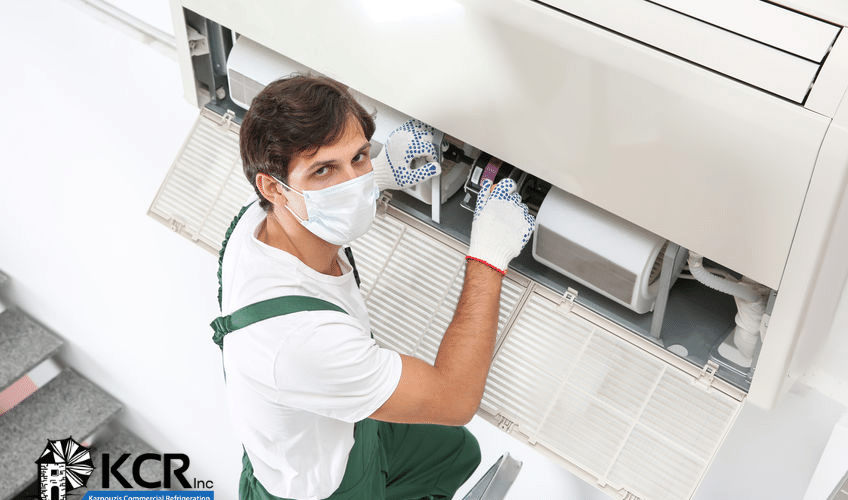
Credit: www.callkcr.com
Conclusion
Regular HVAC maintenance ensures efficient performance and extends the system’s lifespan. It also helps reduce energy costs. Scheduling routine check-ups can prevent unexpected breakdowns and costly repairs. Keep your HVAC system in top condition by following a consistent maintenance schedule.
Your comfort and savings depend on it.