
HVAC filter material traps dust, pollen, and other particles to improve air quality. Common materials include fiberglass, pleated paper, and synthetic fibers.
HVAC filters play a crucial role in maintaining indoor air quality. They capture contaminants that could otherwise circulate through your home or office. Different materials offer varying levels of filtration efficiency. Fiberglass filters are affordable but less effective for finer particles.
Pleated paper and synthetic fibers provide better filtration, capturing smaller particles and offering enhanced air quality. Choosing the right filter material ensures optimal performance of your HVAC system and promotes a healthier environment. Regular replacement and proper maintenance of these filters are essential for efficient operation and longevity of your HVAC system.
Introduction To Hvac Filter Material
HVAC filters are very important. They keep the air clean. These filters trap dust, pollen, and other particles. Different materials make up these filters. Each material has its own benefits.
The Role Of Filters In Hvac Systems
Filters in HVAC systems have a big job. They stop dust and dirt from entering the system. This keeps the system working well. Clean filters mean the system uses less energy. This saves money on energy bills. Filters also keep air clean for people to breathe.
Importance Of Air Quality
Clean air is very important for health. Good air quality reduces allergies and asthma. It helps people breathe easier. Filters trap harmful particles from the air. This makes the air safer to breathe. Good air quality improves overall well-being.
| Filter Material | Benefits |
|---|---|
| Fiberglass | Cheap, disposable, catches large particles |
| Pleated | More surface area, traps small particles |
| Electrostatic | Reusable, high efficiency |
| HEPA | Highest efficiency, traps tiny particles |
Types Of Hvac Filters
Understanding the different types of HVAC filters is essential. Each type has its own advantages and features. Choosing the right filter can improve air quality and system efficiency.
Fiberglass Filters
Fiberglass filters are the most common type. They are made from spun glass. These filters are inexpensive and disposable. They capture large particles like dust and lint.
- Cost-effective: Low price makes them budget-friendly.
- Disposable: Replace easily without cleaning.
- Low efficiency: Not effective for small particles or allergens.
Pleated Media Filters
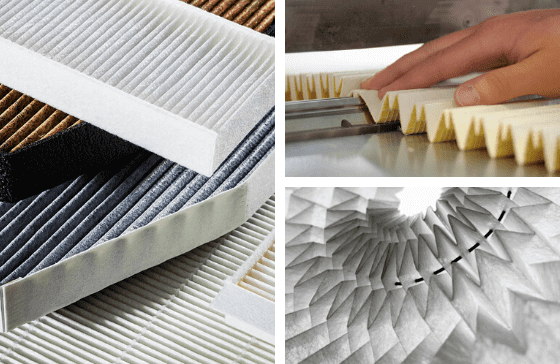
Pleated media filters have more surface area. They are made of polyester or cotton. The pleats trap more particles and last longer.
- High efficiency: Better at capturing small particles.
- Durable: Last longer than fiberglass filters.
- Cost: More expensive but worth the investment.
Electrostatic Filters
Electrostatic filters use static electricity. They attract and trap particles. These filters can be reusable or disposable.
- Reusable options: Wash and reuse, saving money.
- Efficient: Captures small particles and allergens.
- Initial cost: Higher upfront cost but long-term savings.
Below is a comparison table for quick reference:
| Filter Type | Efficiency | Cost | Maintenance |
|---|---|---|---|
| Fiberglass Filters | Low | Low | Replace regularly |
| Pleated Media Filters | High | Medium | Replace less often |
| Electrostatic Filters | High | High | Washable or replace |
Understanding Merv Ratings
The Minimum Efficiency Reporting Value (MERV) rating is crucial in HVAC filters. This rating measures a filter’s ability to capture particles of different sizes. Understanding this can help you choose the right filter for your needs.
Rating Scale Explained
MERV ratings range from 1 to 20. The higher the rating, the more particles the filter can capture. Here’s a breakdown of the MERV scale:
| MERV Rating | Particle Size (microns) | Common Uses |
|---|---|---|
| 1-4 | >10 | Residential, Window AC units |
| 5-8 | 3-10 | Standard Residential, Commercial |
| 9-12 | 1-3 | Superior Residential, Better Commercial |
| 13-16 | 0.3-1 | Hospitals, General Surgery |
| 17-20 | <0.3 | Cleanrooms, Pharmaceutical Manufacturing |
Choosing The Right Merv Rating
Selecting the right MERV rating depends on your needs. Here are some tips:
- MERV 1-4: Basic filtration, suitable for window AC units.
- MERV 5-8: Good for standard residential and commercial use.
- MERV 9-12: Ideal for those with allergies or respiratory issues.
- MERV 13-16: Used in hospitals and environments needing higher cleanliness.
- MERV 17-20: Best for cleanrooms and highly sensitive manufacturing processes.
Higher MERV ratings offer better filtration but may restrict airflow. Ensure your HVAC system can handle the selected rating.
Hepa Filters For Superior Filtration
HEPA filters, or High-Efficiency Particulate Air filters, are top-notch solutions for air filtration. They trap small particles, providing cleaner and healthier air. These filters are essential in HVAC systems for homes and businesses, ensuring superior air quality.
How Hepa Filters Work
HEPA filters use a dense mat of fibers to trap particles. They capture particles as small as 0.3 microns. The fibers create a maze that particles cannot escape. Air passes through, but dust, pollen, and other particles get stuck. This process ensures only clean air flows through the system.
Benefits And Limitations
Benefits:
- Effective Filtration: Captures 99.97% of particles.
- Allergy Relief: Reduces allergens like pollen and dust mites.
- Improved Air Quality: Removes harmful pollutants.
Limitations:
- Higher Cost: More expensive than standard filters.
- Frequent Replacement: Needs to be replaced regularly.
- Airflow Resistance: Can reduce HVAC system efficiency.
HEPA filters are a powerful choice for clean air. They ensure a healthier environment for everyone.
Activated Carbon Filters
Activated carbon filters are essential in HVAC systems. They are known for their ability to absorb odors and gases. These filters use activated carbon, which has a large surface area and numerous pores. This makes them highly effective in trapping pollutants.
Odor And Gas Absorption
Activated carbon filters excel at removing odors and gases from the air. They can absorb volatile organic compounds (VOCs), smoke, and fumes. This makes indoor air cleaner and more pleasant.
These filters work through a process called adsorption. In adsorption, pollutants stick to the surface of the activated carbon. This is different from absorption, where pollutants would be soaked up into the material. Adsorption is highly effective for gases and odors.
Combination With Other Filters
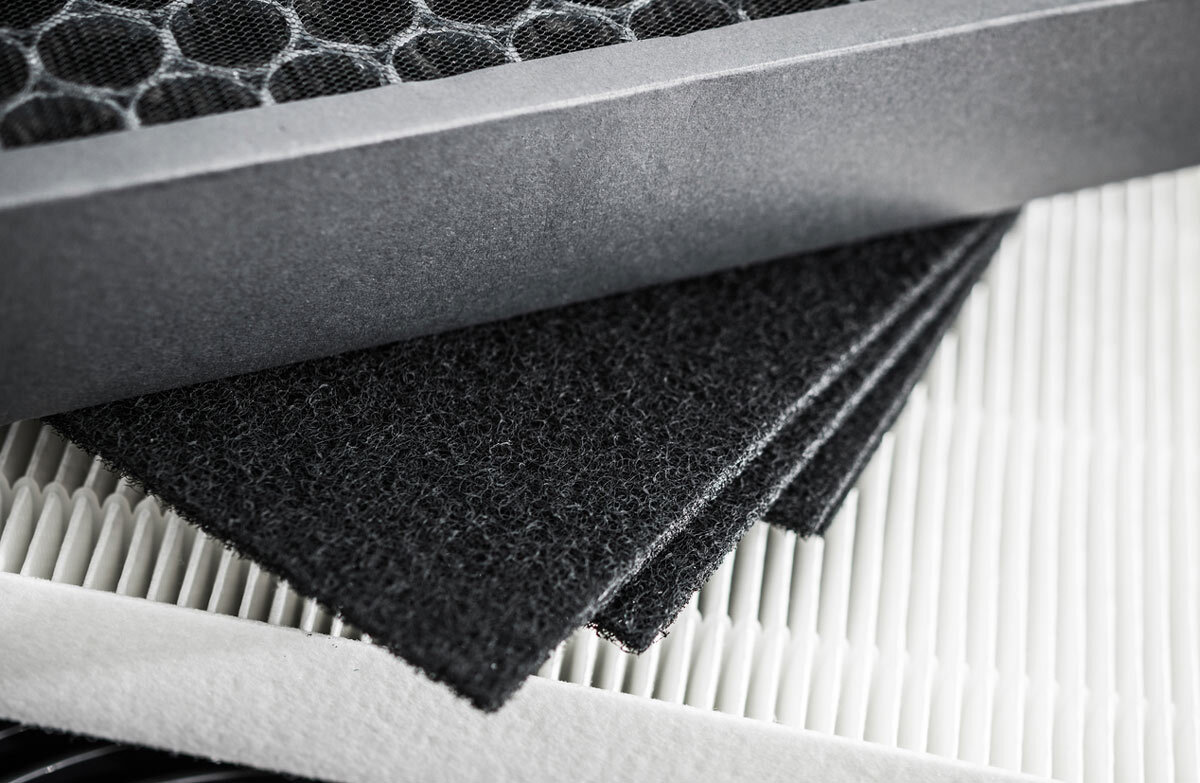
Activated carbon filters are often used with other types of filters. Combining them with HEPA filters can enhance air purification. HEPA filters can trap particles like dust, pollen, and mold. Activated carbon filters handle odors and gases. Together, they provide comprehensive air cleaning.
Using multiple filters in an HVAC system can improve indoor air quality. It also ensures that different types of pollutants are targeted. This makes the air healthier and more comfortable.
Here’s a simple table that shows the benefits of combining filters:
| Filter Type | Targeted Pollutants |
|---|---|
| HEPA Filter | Dust, Pollen, Mold |
| Activated Carbon Filter | Odors, Gases, VOCs |
| Combination | Both Particles and Gases |
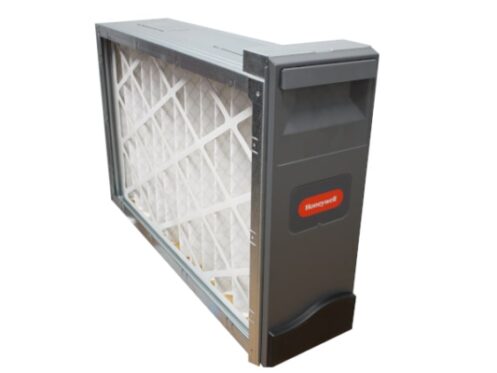
Using a combination of filters improves indoor air quality significantly. It ensures a healthier environment for everyone.
Credit: www.pvhvac.com
Washable Vs. Disposable Filters
Choosing the right HVAC filter material is crucial for air quality. Two popular options are washable and disposable filters. Each type offers unique benefits and drawbacks. Understanding these can help you make an informed decision.
Pros And Cons
| Washable Filters | Disposable Filters | |
|---|---|---|
| Pros |
|
|
| Cons |
|
|
Maintenance Tips
Proper maintenance is key to filter performance. Here are some tips:
For Washable Filters:
- Check the filter every month.
- Rinse with water until clean.
- Let the filter dry completely before reinstalling.
For Disposable Filters:
- Check the filter every month.
- Replace it if it looks dirty.
- Follow the manufacturer’s guidelines for replacement frequency.
Impact On Energy Efficiency
Understanding the impact of HVAC filter material on energy efficiency is crucial. The right filter material can significantly reduce energy consumption. This not only saves money but also benefits the environment. Let’s dive into how different materials affect airflow and long-term costs.
Filter Material And Airflow
HVAC filters come in various materials. Each material impacts airflow differently. For example, fiberglass filters are common and inexpensive. They allow air to pass through easily but may not trap smaller particles.
Pleated filters use polyester or cotton. They are denser and capture more particles. This can slow airflow, making the system work harder. High-efficiency particulate air (HEPA) filters are the gold standard. They capture 99.97% of particles but can severely restrict airflow.
| Filter Material | Airflow Impact |
|---|---|
| Fiberglass | High Airflow |
| Pleated | Moderate Airflow |
| HEPA | Low Airflow |
Long-term Cost Savings
Choosing the right HVAC filter material can lead to long-term cost savings. While fiberglass filters are cheap, they need frequent replacements. This increases maintenance costs over time.
Pleated filters last longer and capture more particles. This means fewer replacements and better indoor air quality. HEPA filters, though expensive, can save money by reducing health-related costs. Cleaner air means fewer allergies and respiratory issues.
Balancing initial costs with long-term savings is key. Investing in a better filter can lower energy bills and improve health. Here’s a quick comparison:
- Fiberglass: Low cost, high maintenance
- Pleated: Moderate cost, moderate maintenance
- HEPA: High cost, low maintenance
Credit: www.airassurance.com
Choosing The Right Filter For Your Needs
Selecting the right HVAC filter material is crucial. It ensures clean air and system efficiency. There are many options available. Each type of filter has different features. You must match the filter to your specific needs.
Assessing Your Environment
First, understand your environment. Is it dusty or clean? Are there pets in the house? These factors affect your filter choice. Use the table below to help decide:
| Environment Type | Recommended Filter |
|---|---|
| Dusty | HEPA Filter |
| Pet Owners | Activated Carbon Filter |
| Allergy-Prone Areas | Electrostatic Filter |
Health Considerations
Your health needs are important. Some people suffer from allergies. Others have asthma. Choose a filter that improves air quality.
- Allergies: HEPA filters trap pollen and dust.
- Asthma: Electrostatic filters reduce airborne particles.
- General Health: UV filters kill bacteria and viruses.
Always check the MERV rating of the filter. Higher MERV ratings mean better filtration. But, they may reduce airflow. Balance filtration needs with system efficiency.
Regular maintenance is key. Replace filters every 3 months. This ensures optimal performance and clean air.
Proper Maintenance And Replacement
Proper maintenance and replacement of your HVAC filter material are crucial. They ensure your system runs efficiently and keeps indoor air clean. Regularly changing filters can extend the life of your HVAC system.
Changing Your Filters
Changing your filters is a simple but essential task. Follow these steps to change your filters effectively:
- Turn off your HVAC system.
- Locate the filter compartment.
- Remove the old filter carefully.
- Check the filter size and type.
- Insert the new filter in the correct direction.
- Close the filter compartment.
- Turn on your HVAC system.
Changing filters every 1-3 months is recommended for optimal performance. It depends on your usage and indoor air quality.
Signs Of A Clogged Filter
Knowing the signs of a clogged filter can prevent major issues. Here are some signs to watch for:
- Reduced airflow: Less air coming through your vents.
- Increased energy bills: Higher costs due to system strain.
- Unpleasant odors: Musty or dirty smells in your home.
- Frequent allergies: More dust and allergens in the air.
- Visible dirt: Dust or debris on the filter surface.
Regularly check your filters for these signs to maintain a healthy HVAC system.
Credit: www.colbacksolutions.com
Future Innovations In Hvac Filters
HVAC filters are crucial for clean air. They keep our indoor air fresh. The future of these filters looks exciting. New technologies and materials are coming. These will change how we think about air quality.
Technological Advancements
Technological advancements in HVAC filters are impressive. Smart filters are one innovation. These filters can monitor air quality. They adjust themselves for optimal performance. This ensures your air is always clean.
Another advancement is nanotechnology. Nanotech filters can trap tiny particles. This includes bacteria and viruses. These filters provide better air quality. They are more efficient than traditional filters.
AI and machine learning are also being used. These technologies predict when a filter needs changing. This helps in maintaining air quality. It also extends the life of the HVAC system.
Sustainable Materials
The HVAC industry is moving towards sustainable materials. These materials are better for the environment. They reduce waste and energy use.
One example is biodegradable filters. These filters decompose naturally. They do not harm the environment. They are made from natural fibers. This makes them an eco-friendly choice.
Recyclable materials are also being used. These materials can be reused. This reduces the need for new resources. It also cuts down on landfill waste.
Another trend is low-energy filters. These filters use less energy. They are designed to be efficient. This helps in saving energy costs. It also reduces the carbon footprint of HVAC systems.
| Technological Advancements | Sustainable Materials |
|---|---|
| Smart Filters | Biodegradable Filters |
| Nanotechnology | Recyclable Materials |
| AI and Machine Learning | Low-Energy Filters |
Conclusion
Choosing the right HVAC filter material is crucial for indoor air quality. It impacts efficiency and health. Understand the types, benefits, and maintenance to make an informed decision. Investing in a quality filter can save money and ensure cleaner air.
Keep your HVAC system running smoothly with the right filter material.