
Have you ever wondered why your lawn mower blades seem to lose their sharp edge so quickly? You’re not alone.
Many homeowners find themselves frustrated with dull blades that don’t cut as cleanly as they used to. This common issue can turn the simple task of mowing your lawn into a time-consuming chore. But why does it happen? Understanding the reasons behind dull lawn mower blades can save you time, effort, and even money in the long run.
Imagine effortlessly gliding your mower through the grass, leaving a perfectly manicured lawn in your wake. Intrigued? Keep reading to discover the secrets behind maintaining sharp blades and enhancing your mowing experience.
Credit: www.outdoorconcepts.com
Blade Material And Design
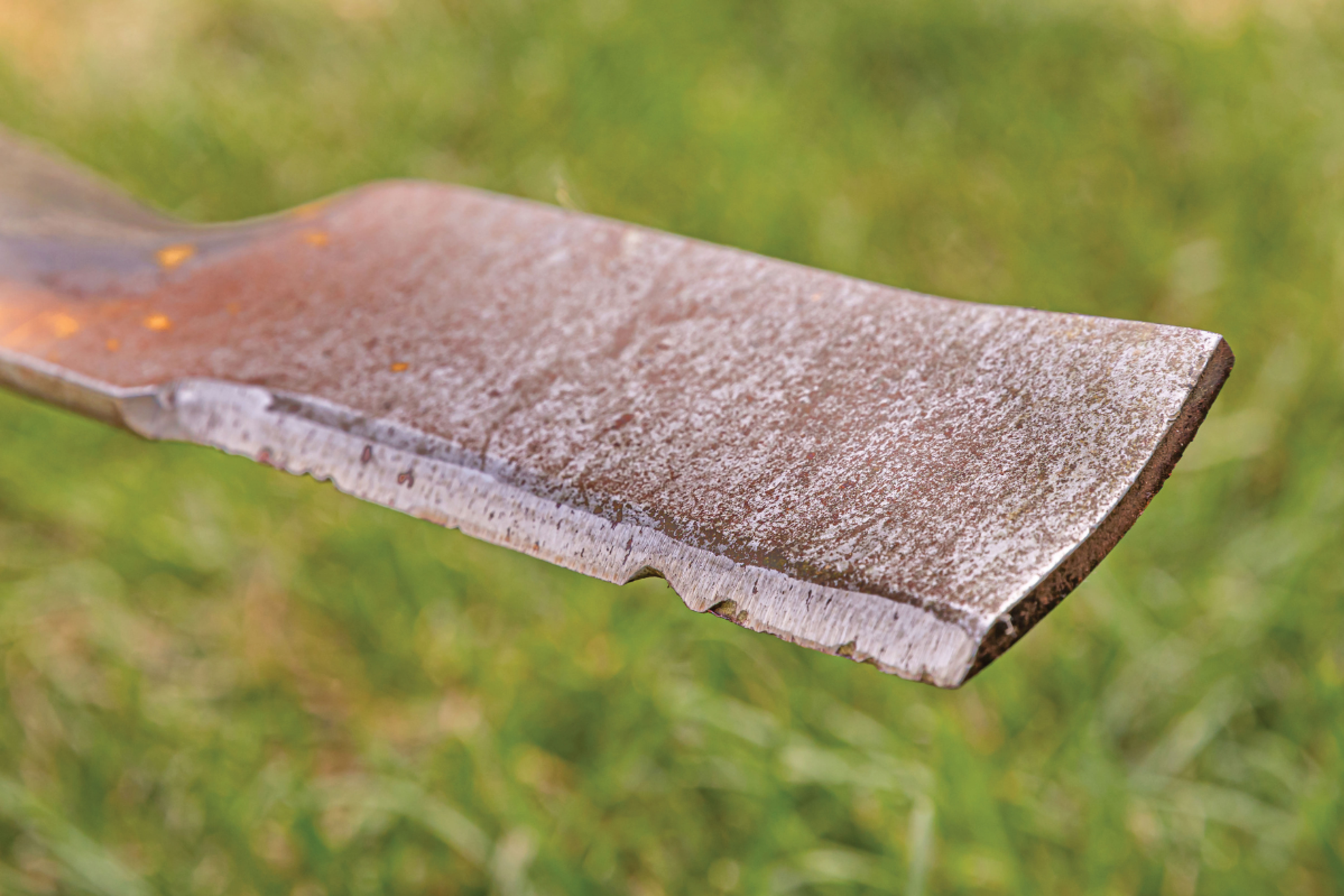
Lawn mower blades often become dull due to frequent contact with dirt, rocks, and thick grass. These materials wear down the sharp edges over time, reducing cutting efficiency. Regular maintenance and sharpening are essential to keep blades in good condition for optimal lawn care.
Understanding why lawn mower blades become dull can help you maintain a healthy, vibrant lawn. A critical aspect often overlooked is the blade’s material and design. These factors directly impact how quickly a blade loses its edge and effectiveness. Let’s dive into some specifics to see how they influence the longevity and performance of your lawn mower blades.Blade Material
Blades are typically made from steel due to its durability and cost-effectiveness. However, not all steel is created equal. High-carbon steel offers better hardness, making it more resistant to dulling. But, it’s also more brittle and can chip if it hits a hard object like a rock. Have you ever wondered why some blades seem to dull faster even when used on similar types of grass? It might be the quality of the steel. If you notice your blades losing their sharpness quickly, it could be time to invest in a higher-grade steel blade. Consider this an investment in your lawn’s future.Blade Design
The design of a blade can also affect its sharpness. Mulching blades, for example, have a more complex design with additional cutting surfaces. This allows them to chop grass into finer pieces but also means more surfaces that can dull over time. Standard blades, with their simpler design, may not cut as finely but are often more robust. They tend to stay sharp longer under the same conditions. If you frequently mow over sticks and debris, a standard blade might be the better option for you.Impact Of Usage
How often you use your mower also affects blade dullness. Frequent mowing means more wear and tear on the blade. If you mow weekly, your blade will dull faster than someone who mows bi-weekly. Do you notice a decline in cut quality? It might be time to inspect the blades. Regular maintenance and sharpening can extend the life of your blade, no matter its material or design.Environmental Factors
Environmental elements like soil type and the presence of debris also play a role in blade dullness. Sandy soil is abrasive and can wear down blades quickly. Similarly, mowing over twigs or stones can nick and dull the blade edge. Think about your mowing environment. Adjust your blade choice and maintenance routine accordingly. A little attention to these details can go a long way in keeping your lawn lush and green. Understanding the nuances of blade material and design can save you time and money. It helps in choosing the right blade and maintaining it effectively. This knowledge ensures your lawn mower performs optimally, providing a clean and precise cut every time.
Credit: extension.umd.edu
Impact Of Debris And Obstacles
Lawn mower blades often lose their sharpness due to debris. Small rocks, branches, and other objects can damage blades. This leads to dull edges. The impact is significant. It affects the cutting ability of the mower.
Obstacles in the yard worsen the situation. They cause blades to bend and wear out. This makes mowing more difficult. Dull blades tear grass instead of cutting it cleanly.
Debris From Leaves And Twigs
Fallen leaves and twigs are common in yards. They can dull mower blades quickly. Blades hit these objects with force. The repeated impact causes wear and tear. Regular maintenance helps reduce this damage.
Small Stones And Gravel
Stones and gravel pose a threat to blades. They chip away at the sharp edges. This reduces the efficiency of the mower. Avoiding these obstacles can extend blade life. Regular inspection is necessary to keep blades sharp.
Uneven Terrain
Uneven ground can be tough on mower blades. It causes the blades to hit hard surfaces. This leads to bending and dullness. Leveling the yard can help prevent this issue. It keeps the blades in better condition.
Root Interference
Exposed roots are common in yards with trees. They can interfere with mower blades. Roots create resistance, causing blades to dull faster. Removing exposed roots can minimize damage. This helps maintain blade sharpness.
Maintenance And Sharpening Practices
Lawn mower blades often become dull due to frequent use and contact with debris. Grass, dirt, and small rocks can quickly wear down their edges. Regular maintenance and sharpening ensure efficient cutting and prolong the blade’s lifespan.
Maintaining sharp lawn mower blades is crucial for a well-manicured lawn. Dull blades can tear grass, leaving it vulnerable to disease and pests. But why do these blades become dull over time? Let’s dive into effective maintenance and sharpening practices to keep your mower working efficiently. ###Regular Cleaning
A quick rinse after mowing can prevent grass and dirt buildup. This simple habit can save you time in the long run. Have you noticed that a clean blade cuts more smoothly? Regular cleaning is key to maintaining sharpness. ###Sharpening Frequency
How often should you sharpen your blades? Experts recommend doing so after every 20 to 25 hours of use. It’s like giving your mower a fresh start. Not sure how to measure mowing hours? A rough estimate based on lawn size can help. ###Using The Right Tools
Investing in a quality blade sharpener can make a big difference. Manual sharpening tools might seem cost-effective but require skill and patience. Have you tried using a grinder for precise sharpening? It could be your new best friend. ###Diy Vs. Professional Service
Thinking about sharpening your blades yourself? DIY methods can be rewarding but require caution. Ever considered professional sharpening services? They ensure precision, although they might be pricier. ###Blade Replacement
Sometimes sharpening isn’t enough. If your blades are chipped or too worn out, it’s time for a replacement. Do you know how to check for irreparable damage? A quick inspection can guide you. ###Storage Practices
Proper storage can extend the life of your mower blades. Keeping them dry and clean prevents rust. Have you ever thought about storing blades separately during off-seasons? It helps in maintaining their condition. ###Safety First
Safety is paramount when dealing with sharp objects. Are you using gloves and protective eyewear? These simple precautions can prevent injuries during maintenance. ###Environmental Impact
Sharp blades cut grass cleanly, reducing the need for chemical treatments. By maintaining your blades, are you inadvertently helping the environment? It’s a win-win situation. Maintaining sharp lawn mower blades isn’t just about aesthetics; it’s about efficiency and safety. By following these practices, you ensure a healthier lawn and a longer lifespan for your mower. What steps will you take to keep your blades sharp?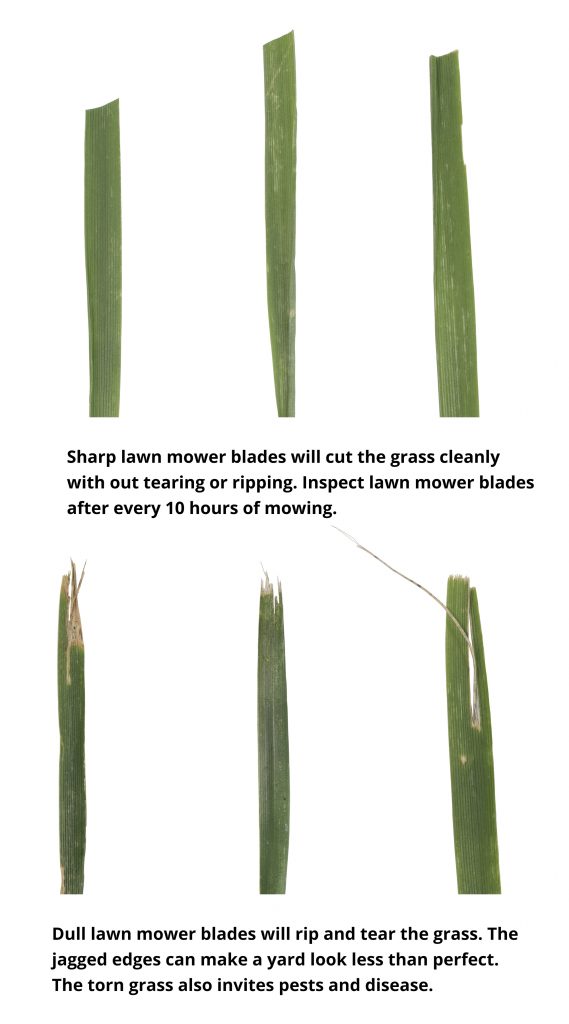
Credit: usamowerblades.com
Conclusion
Dull lawn mower blades can ruin your lawn’s appearance. Regular maintenance is key. Grass, rocks, and debris wear down blades. Sharpen them often to keep your lawn healthy. Inspect the blades before each mowing session. This ensures you catch any damage early.
Replacing them when necessary also helps. A sharp blade cuts cleanly. It prevents tearing and stress on your grass. Remember, a well-maintained mower saves time and effort. Plus, it keeps your lawn looking its best. Keep your tools in top shape for a beautiful yard.
Your lawn will thank you.